
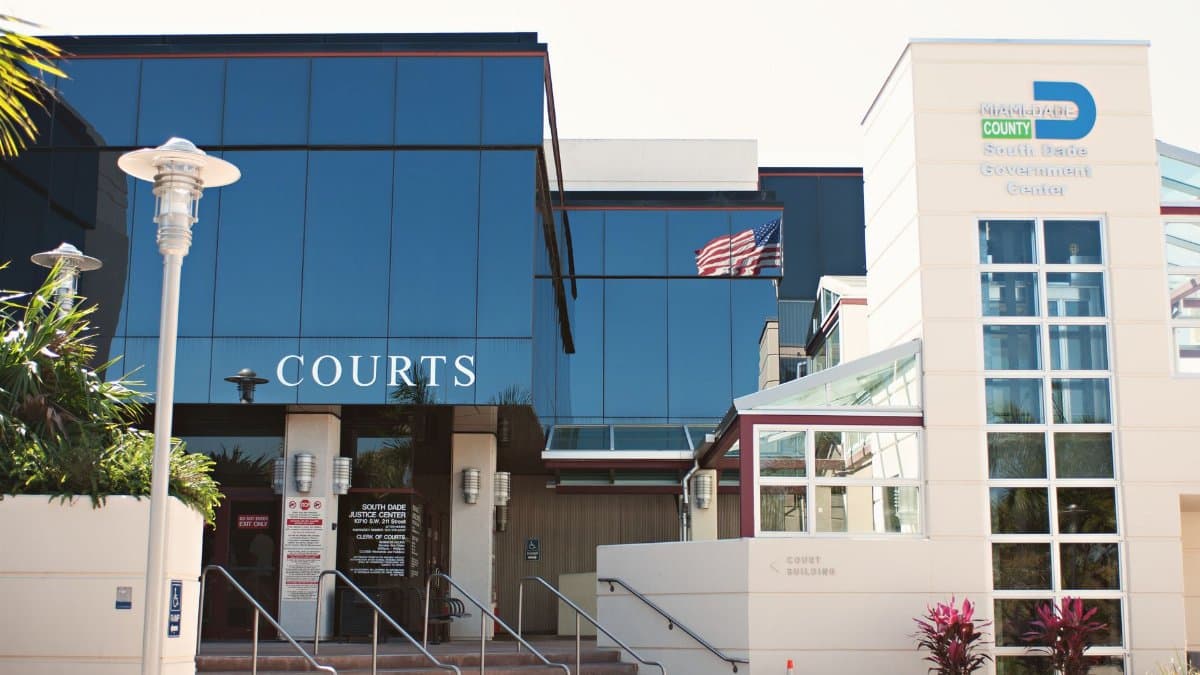
In recent months Miami Dade County launched a new effort to help families secure homes through what officials call the Miami down payment lottery. This initiative targets three townhomes in the Goulds area of South Dade with grants of one hundred fifty thousand dollars each to cover initial purchase costs. The program arrives as housing prices continue to climb across the region leaving many middle income residents searching for ways to enter the market. County leaders designed the lottery to select applicants fairly while prioritizing those who meet income guidelines and residency rules. Applications remain open through the end of September in two thousand twenty six creating an extended window for interested households to prepare their materials and gather required documents.
Core Elements of the Grant Structure

The assistance functions as a forgivable loan that converts to a grant after five years of continuous ownership and occupancy. Recipients must use the funds solely for the down payment on one of the designated townhomes. County records show the properties were built recently under an affordable housing covenant that caps resale prices for a set period. This approach helps preserve the units for future buyers who also qualify under similar income limits. Families selected through the Miami down payment lottery receive counseling on budgeting and maintenance to increase their chances of long term success.
Income and Residency Guidelines Explained

Applicants must earn no more than eighty percent of the area median income which currently stands near sixty eight thousand dollars for a family of four. Proof of residency in Miami Dade for at least one year is required along with a clean credit history and stable employment documentation. The rules also bar anyone who has owned a home in the past three years to focus resources on first time buyers. County staff review each submission to confirm compliance before names enter the random drawing.
Profile of the Three Available Townhomes
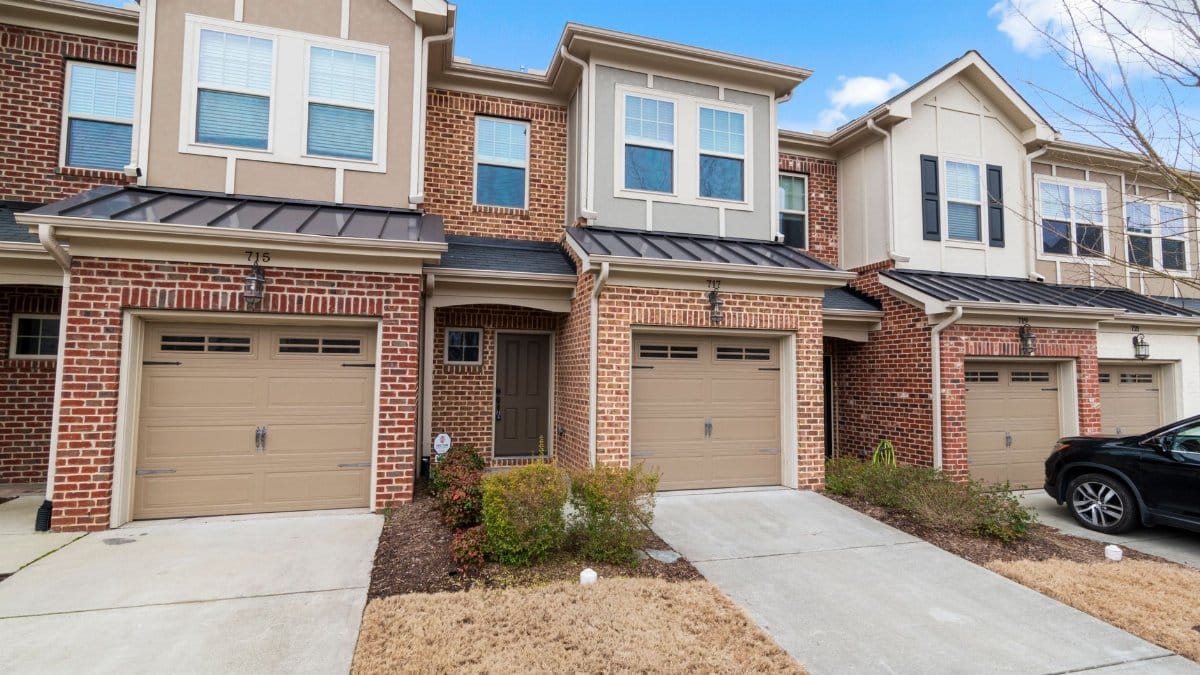
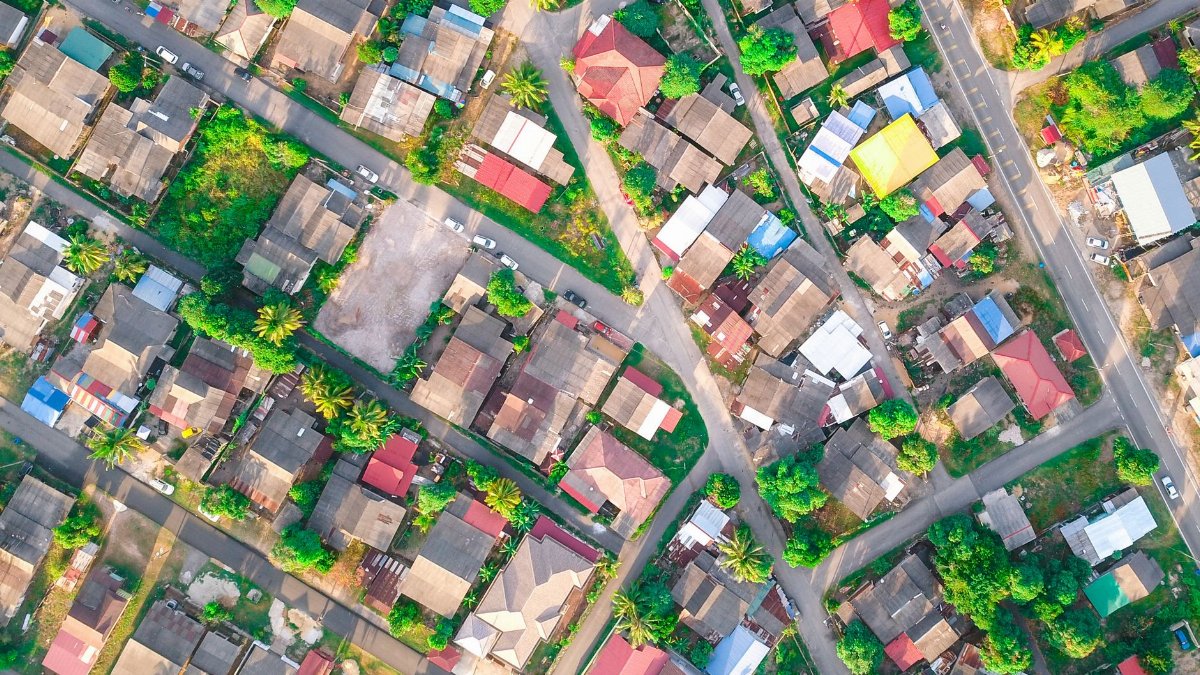
Each unit features three bedrooms and two bathrooms with roughly fourteen hundred square feet of living space. The homes sit within a small development that includes shared green areas and proximity to public transit routes. Construction followed energy efficient standards that lower monthly utility expenses. Buyers can expect modest association fees that cover exterior upkeep and grounds care. The location places residents near schools and basic retail services common to the Goulds neighborhood.
Mechanics of the Random Selection Process

Once the application period closes county officials will verify all submissions and assign numbers to eligible entries. A public drawing will determine the three winners with alternates chosen in case any selected family withdraws. Officials plan to livestream the event to maintain transparency and build public trust. Notification letters will follow within two weeks after the drawing with closing timelines set for early the following year.
Effects on Neighborhood Stability
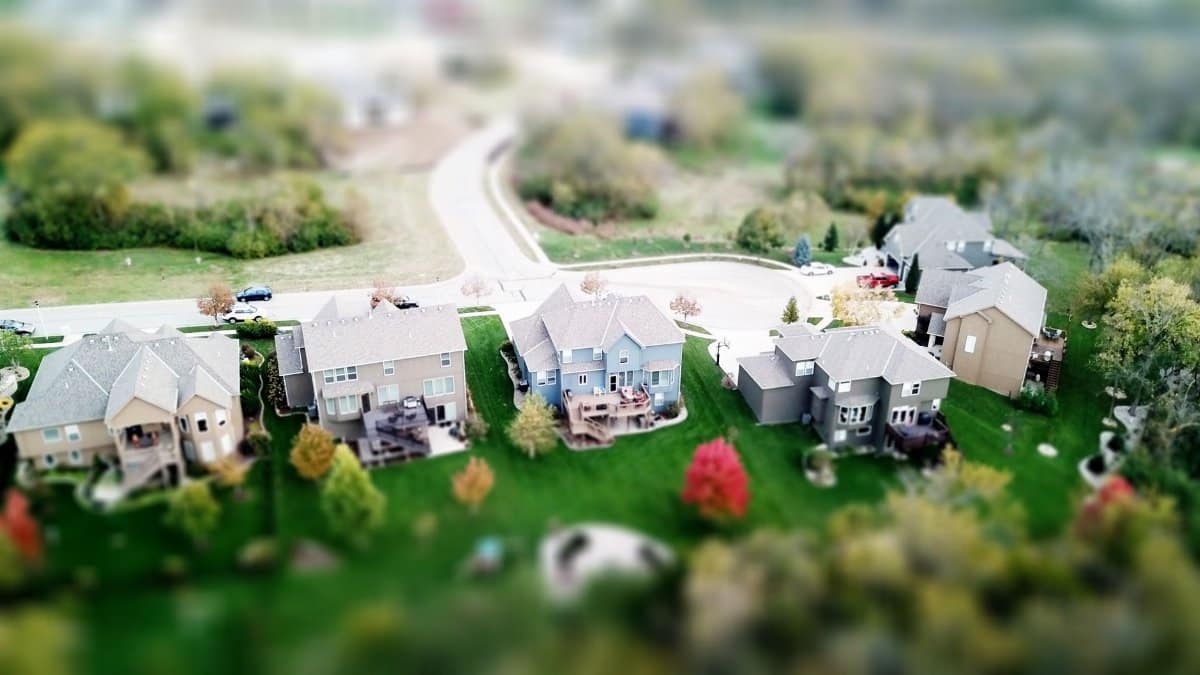
Programs of this type often bring new residents who invest in their properties and participate in local civic activities. In Goulds the addition of three homeowner families could support nearby businesses and encourage further private investment. Past efforts in similar communities have shown gradual rises in property values without displacing existing renters when paired with strong tenant protections. County planners hope the Miami down payment lottery will contribute to a broader mix of ownership and rental options.
Background on Housing Support Efforts Statewide
Florida has operated various down payment assistance programs for decades often funded through federal block grants or state housing trust funds. These initiatives typically combine grants with low interest loans to stretch limited dollars further. The current lottery model represents an attempt to add fairness through random selection rather than first come first served queues. Advocates note that lotteries reduce administrative bias yet still require careful screening to ensure recipients can sustain ownership.
Current Conditions in the Regional Market

Median home prices in Miami Dade have risen sharply over the past five years driven by limited supply and strong demand from out of state buyers. South Dade communities like Goulds offer relatively lower entry points compared with coastal neighborhoods yet prices still exceed what many local workers can afford. The Miami down payment lottery addresses one barrier but leaves others such as high insurance costs and property taxes unaddressed for now.
Perspectives from Housing Analysts
Researchers at local universities point out that assistance programs succeed most when paired with job training and financial literacy resources. They emphasize the need for ongoing monitoring to track whether recipients remain in their homes beyond the required period. Some analysts suggest expanding the model to include more units if initial results prove positive. Data from similar efforts in other Florida counties show mixed retention rates depending on economic conditions.
Outlook for Expanded Assistance Options
County commissioners have discussed allocating additional funds in future budgets if the current lottery demonstrates clear demand. Partnerships with nonprofit developers could increase the number of available homes in coming years. The Miami down payment lottery serves as a pilot that may inform larger scale policies aimed at workforce housing across South Florida. Continued public input will shape how these resources evolve.