
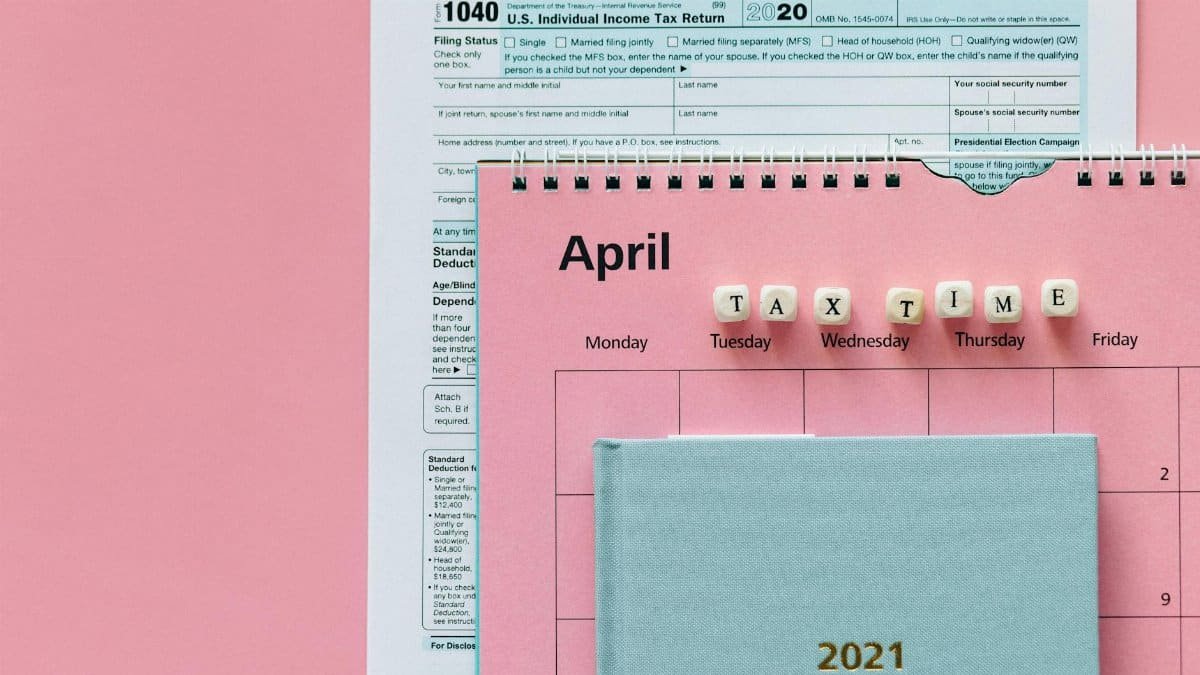
In the heart of the Midwest a quiet crisis has been unfolding for months in Cook County Illinois. Homeowners who have dutifully paid their dues for years now find themselves in a state of limbo unable to plan their finances or meet their obligations because the annual property tax bills have not arrived. This situation has triggered substantial funding shortfalls for local municipal taxing districts that rely on these payments to operate. As weeks turn into months without resolution the lack of clarity is testing the patience of residents and officials alike. The delay has created uncertainty that ripples through families businesses and entire communities.
The frustration is palpable among those affected. Many have set aside funds in anticipation only to watch those savings sit idle while they wonder when or if the bills will come. Others who rely on specific timelines for budgeting are left scrambling to adjust their plans at the last minute.
The Scope of the Delay

According to county officials more than ten thousand property owners are still waiting for their notices as of late April. This represents a significant portion of the county residential base. The delay is not uniform. Some neighborhoods have received their notices while adjacent areas have heard nothing. This inconsistency has only added to the confusion and sense of unfairness among residents.
The total amount of unissued taxes runs into the hundreds of millions of dollars. Without these funds local governments are operating on borrowed time and in some cases borrowed money. School districts have reported potential delays in teacher contracts and maintenance projects. Municipalities are considering short term loans to cover essential services.
Tracing the Roots of the Technical Failure

The problems originated with an ambitious attempt to update the county outdated tax assessment software. Intended to streamline processes and improve accuracy the new system instead encountered compatibility issues with legacy data. What followed was a series of crashes and errors that corrupted key files and delayed the entire billing cycle.
Experts familiar with government technology projects say this is not an isolated incident. Many counties across the nation have faced similar challenges when transitioning to modern systems. The scale of the disruption in Cook County has been particularly severe partly due to the complexity of its tax code and the large number of taxing districts involved.
Financial Strain on Homeowners

For individual homeowners the inability to receive their property tax bills creates multiple problems. Some have escrow accounts through their mortgage lenders that require specific amounts to be paid on specific dates. Without the bill lenders are unsure how much to collect. This has led to overpayments in some cases and underpayments in others resulting in late fees or strained bank accounts.
Senior citizens on fixed incomes are especially vulnerable. Many budget precisely for these expenses and any deviation can force them to make difficult choices between essentials like medication and home maintenance. The uncertainty itself generates stress that affects quality of life.
Local Governments Feel the Pinch
The funding shortfalls are perhaps most acutely felt at the local level. Taxing districts depend on timely collection of property taxes to fund everything from police and fire protection to parks and libraries. When those revenues are delayed tough decisions must be made about priorities.
Some districts have already begun to curtail not essential spending. Others are warning of potential tax increases in future years to make up for current shortfalls. The situation puts additional pressure on already strained budgets in the wake of recent economic challenges.
Impact on Public Services and Infrastructure

Road repairs that were scheduled for this summer may be postponed if the necessary funds do not materialize soon. School districts are reporting concerns about their ability to purchase new textbooks or maintain facilities. Even emergency services are not immune as overtime budgets are scrutinized more carefully.
These delays in public services affect everyone in the community not just those waiting for their individual bills. The interconnected nature of local government financing means that one glitch can have wide reaching consequences for quality of life across Cook County.
Community Voices and Personal Stories

Residents like Maria Gonzalez of Oak Park describe the situation as incredibly stressful. She had planned to use part of her tax refund to make home improvements but now must wait indefinitely. Similar stories abound throughout the suburbs and city neighborhoods where people express a mix of anger and resignation.
Community meetings have drawn large crowds as residents seek answers from elected officials. The prevailing sentiment is one of lost trust in government institutions that seem unable to resolve what many view as a solvable problem.
The Spiritual Toll of Prolonged Uncertainty
Beyond the financial implications many residents report a deeper sense of unease that touches on their overall sense of stability and trust. Spiritual leaders in the area have noted an increase in counseling requests related to anxiety over government reliability and personal finances. Some faith communities have begun offering workshops on financial stewardship and stress management from a spiritual perspective to help congregants navigate this challenging period.
This situation highlights a growing trend where local governance issues intersect with personal spiritual journeys. As people seek meaning and security in uncertain times the role of faith based organizations in providing support becomes even more critical.
Official Explanations and Timelines
County assessor officials have issued several statements explaining the delays and promising that a resolution is near. However those promises have repeatedly been pushed back as new issues arise in the software. The latest estimate suggests that the remaining property tax bills could be issued within the next six to eight weeks but many residents remain skeptical given past assurances.
Independent auditors have been brought in to review the system and recommend fixes. Their preliminary report highlighted several areas where better testing and contingency planning could have prevented the current crisis. For more details see the Chicago Tribune coverage at this report.
Potential Solutions on the Horizon

One proposal gaining traction is to allow estimated payments based on assessments from last year. This would enable the flow of some revenue to local districts while the final bills are prepared. Another idea involves manual processing for the most urgent cases though that would be labor intensive and prone to errors.
Technology consultants suggest that investing in more robust systems with better backup protocols would prevent future occurrences. In the short term however the focus remains on stabilizing the current situation and getting the outstanding property tax bills into the hands of homeowners as quickly as possible.
The Need for Greater Transparency

Throughout this ordeal one consistent complaint has been the lack of clear communication from county offices. Residents feel they are left in the dark about both the causes and the expected resolution timeline. Greater transparency could help rebuild some of the eroded trust.
Elected representatives have called for public hearings to address the matter more openly. Such forums could provide a platform for both officials to explain their actions and for citizens to voice their concerns directly.
Looking Beyond the Immediate Crisis
As Cook County works to resolve the current backlog questions remain about reforms to the property tax system. Many experts argue that the entire structure needs modernization not just the software that supports it. This includes simplifying the complex web of taxing districts that often confuses even seasoned observers.
The episode serves as a cautionary tale for other jurisdictions considering similar technological upgrades. Proper planning adequate testing and clear communication protocols are essential to avoid repeating these mistakes.
In the end the resolution of this issue will require patience from residents diligence from officials and perhaps a bit of innovation to ensure that future generations do not face similar disruptions. Until then thousands will continue to wait hoping that their property tax bills arrive before the next crisis emerges.