
The news from Doha has left many families across the United States reflecting on the fragile nature of overseas education programs. Texas A and M University has elected to move its spring semester to a fully remote format because of mounting security issues in the area. This transition to tamu qatar online classes marks a significant moment not only for the students directly affected but also for the broader conversation about safety and learning in unstable regions.
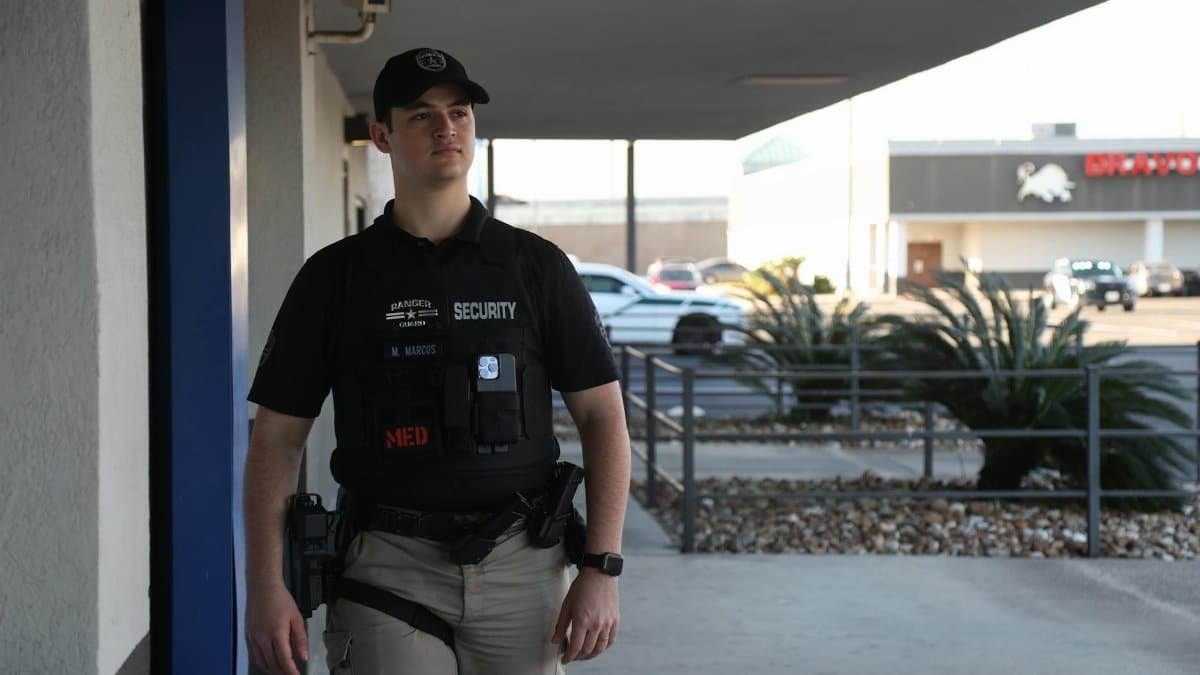
University administrators emphasized that the choice was made with the utmost concern for the wellbeing of everyone involved. As one official noted the safety of our students and staff remains our top priority amid these challenging circumstances. For parents who have sent their sons and daughters to pursue degrees far from home this announcement brings a mix of relief and new concerns about how the quality of education will be maintained through distance formats.
Understanding the Regional Tensions

The Persian Gulf region has seen increased volatility in recent months. With geopolitical strains involving various nations the potential for conflict has prompted many organizations to review their operations. Texas A and M University in Qatar is no exception. The branch campus which opened its doors in 2003 has become a hub for students seeking American style education in the Middle East. Yet the current climate has forced a reevaluation of how best to deliver that education safely.
Security analysts have warned that the situation could deteriorate further. In response university leaders chose to err on the side of caution by moving all instruction online. This decision allows students to continue their studies from safer locations while avoiding the need to gather in one place that could become a point of vulnerability.
The Unique Role of the Qatar Campus
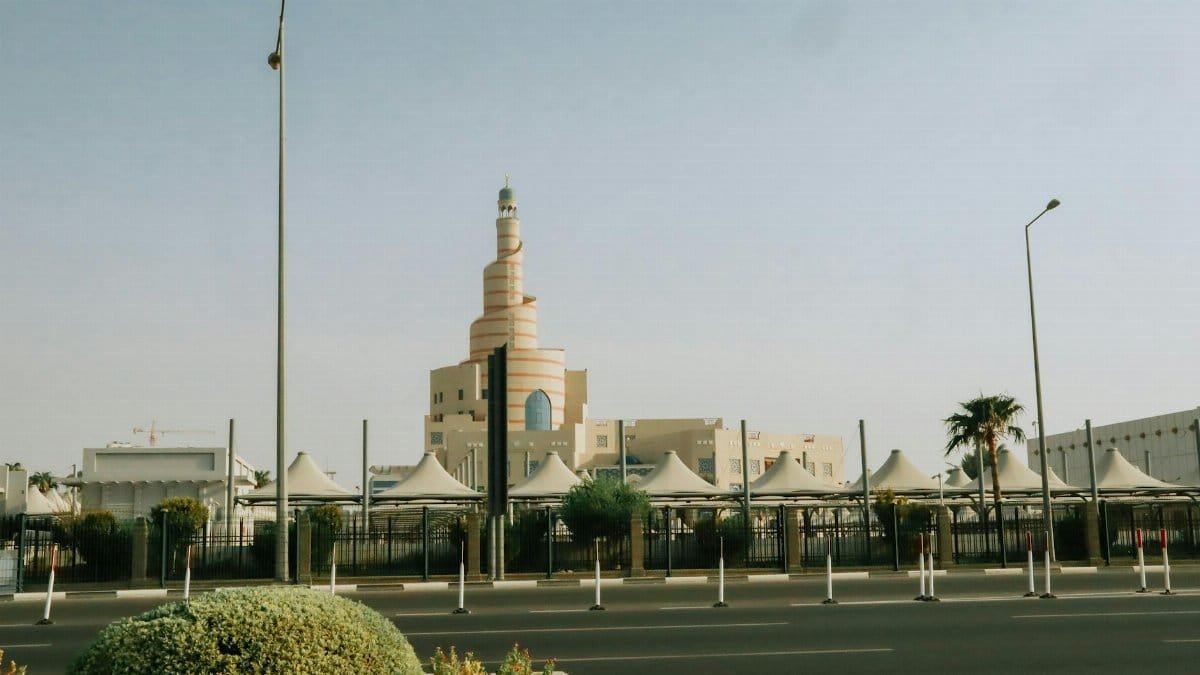
Texas A and M University at Qatar offers degrees in engineering and related fields to a diverse student body drawn from the surrounding region as well as from the United States and beyond. The campus represents a bridge between cultures and a commitment to educational exchange at the highest level. Now that bridge is being tested by forces far beyond the classroom walls.
For the students the campus has been more than a place to learn. It has served as a home away from home where lifelong friendships form and personal growth unfolds in unexpected ways. The move to remote instruction disrupts that physical community even as it seeks to preserve the academic community through digital connection.
How tamu qatar online classes Will Work

Planning for tamu qatar online classes has involved significant preparation by faculty and technical staff over a short period. Courses will be delivered through established digital platforms that allow for live lectures discussion groups virtual office hours and recorded sessions for review. Laboratory components which are crucial in engineering education will use advanced simulations and remote access technologies where possible to approximate hands on work.
Instructors are adapting their teaching methods to suit the online environment with careful attention to engagement and outcomes. Some express confidence that the core learning objectives can still be met while others acknowledge the difficulties in replicating certain experiences through a screen. The university has pledged to provide additional resources and training to help bridge any gaps that arise from this sudden change.
Student Voices Amid the Changes
Reactions among students have been understandably mixed. Some welcome the opportunity to study from locations they consider safer and more familiar. Others feel a sense of loss for the campus experience they had anticipated including the daily interactions that shape university life. One student from the United States who wished to remain anonymous described feeling torn between gratitude for continued education and disappointment over missed opportunities for in person collaboration.
International students face additional layers of complexity as they adjust. Those who remain in Qatar must navigate local conditions while attending virtual sessions on tight schedules. Those who return to their home countries must contend with different time zones and cultural contexts while keeping up with demanding coursework and group projects.
Faculty Adaptations and Concerns
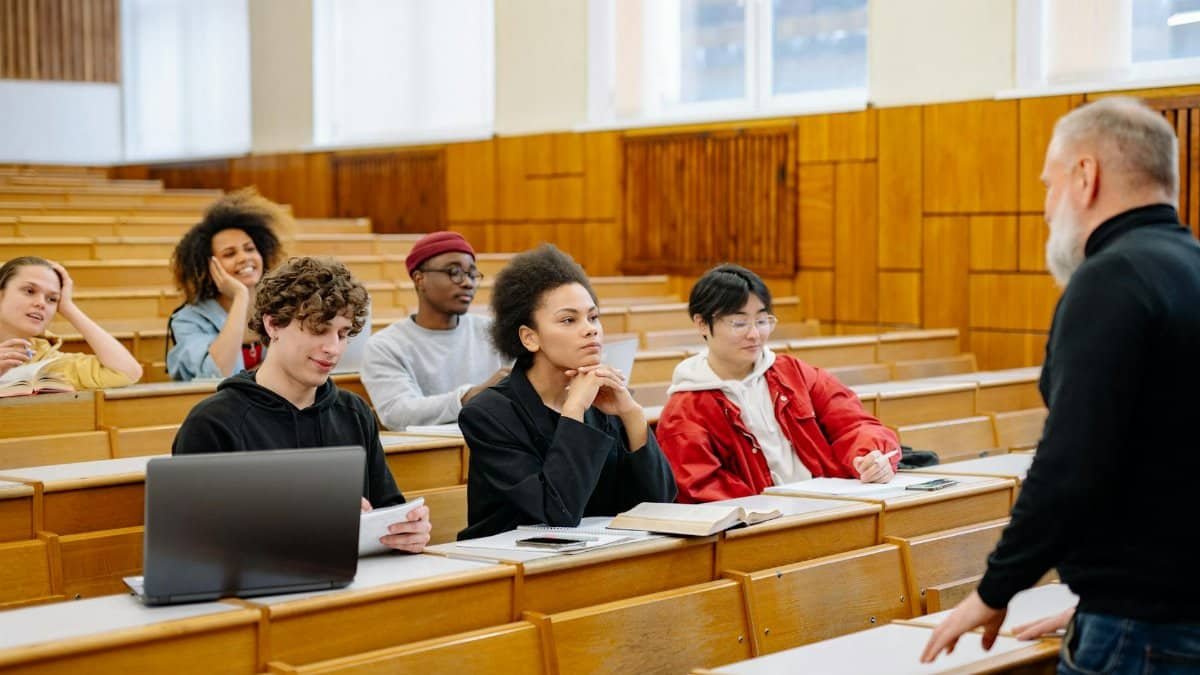
Professors at the Qatar campus are working diligently to redesign their courses for digital delivery in a compressed timeframe. Many had already incorporated some online elements into their teaching but shifting entirely to that format requires a comprehensive overhaul of assignments and assessments. The process demands creativity and flexibility as educators strive to maintain the high standards for which Texas A and M University is known worldwide.
Beyond the technical aspects faculty members express concern about their students emotional and mental states during this period of upheaval. Some are organizing optional virtual support sessions that go beyond academics to address the human challenges of studying during uncertain times and to foster connection across distances.
Support Systems for Remote Learners

The university is mobilizing various resources to assist students with the transition to remote learning. Counseling services will be available online with expanded hours and academic advisors will increase their availability for virtual meetings and guidance. Technical support teams stand ready to help with any connectivity issues that might arise whether students are in Doha or scattered across continents.
Libraries and other academic resources are being made fully accessible through digital means with special provisions for those in regions with limited bandwidth. The goal is to minimize disruptions to the educational journey even as the method of delivery changes dramatically and to ensure no student feels left behind in the process.
Finding Inner Strength During Uncertainty

In moments like these many turn inward to find reserves of strength and perspective that sustain them. Students at Texas A and M University in Qatar are no different in their search for balance. Some have formed virtual groups for shared reflection meditation or conversation to exchange experiences and support one another through difficult weeks. This dimension of the human response to crisis often receives less attention yet it plays a vital role in helping young adults navigate major life disruptions with grace.
The situation invites deeper reflection on what truly matters in education and in life itself. Amid concerns about security and academics the experience may foster greater appreciation for community resilience and the pursuit of knowledge even when conditions grow difficult. Messages of encouragement from spiritual leaders associated with the campus have emphasized the importance of maintaining inner peace and connection during turbulent periods.
The Spiritual Dimensions of Educational Resilience
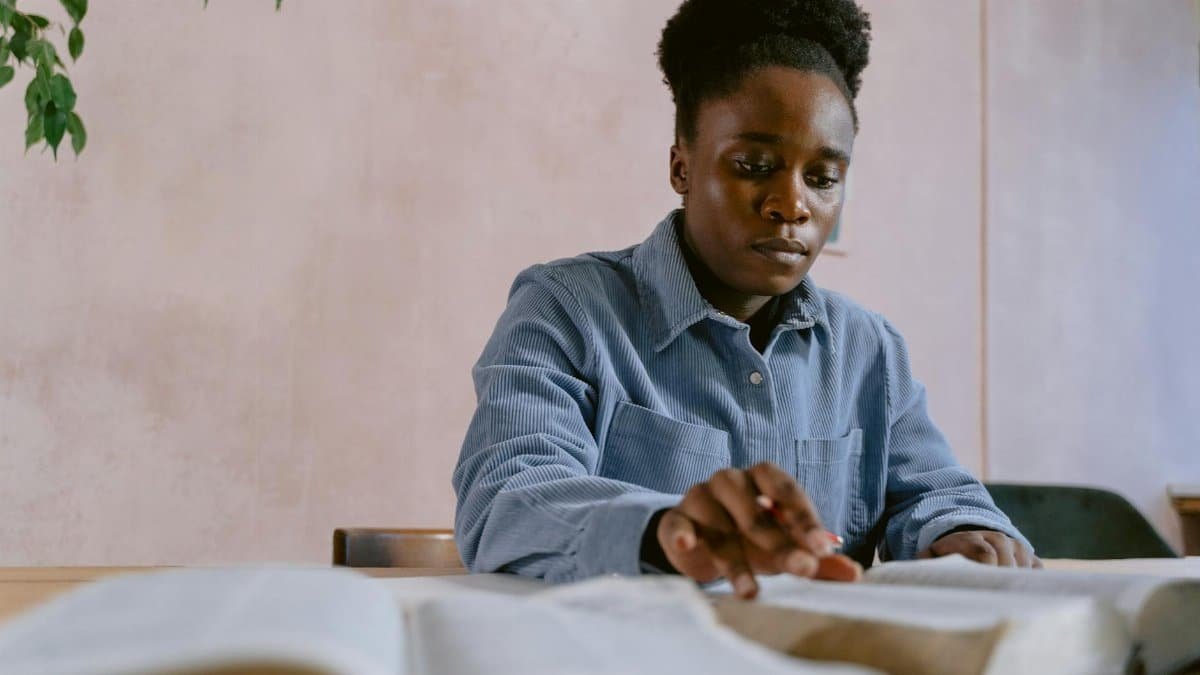
This shift to tamu qatar online classes has prompted thoughtful conversations about the deeper purpose of education beyond credentials and careers. Many view learning as a form of personal and spiritual development that shapes character as much as intellect. The current circumstances provide an unexpected opportunity for students to cultivate qualities such as adaptability patience and perseverance qualities that often emerge most clearly in times of challenge and change.
Community members have noted an increase in interest in wellness practices and reflective activities that nourish the whole person. Virtual events focused on mindfulness ethical reasoning and shared contemplation have seen strong participation rates. In this way the response to the security concerns may ultimately contribute to the holistic growth of the students in ways that extend far beyond their chosen fields of study and into their lives ahead.
Implications for International Education Programs
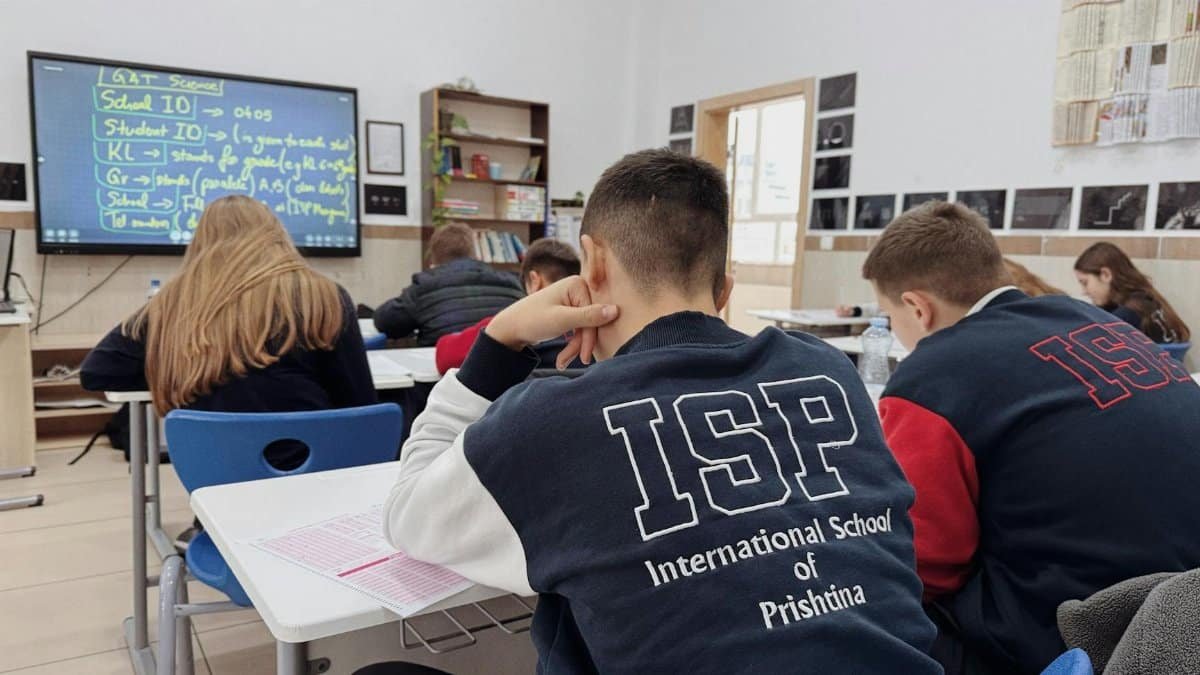
The experience of Texas A and M University in Qatar may offer lessons for other institutions with campuses in regions prone to instability. As global education becomes more common the need for robust contingency plans grows accordingly. Administrators everywhere are watching closely to see how this situation unfolds and what it means for the sustainability of such ambitious programs in a volatile world.
There are valid questions about whether frequent shifts to online formats could diminish the value of the immersive international experience that defines these campuses. At the same time the successful implementation of remote instruction could demonstrate that quality education can persist even when physical presence is not possible offering hope for greater flexibility in the years to come.
Looking Toward an Uncertain Future
As the spring semester unfolds in its new virtual format all eyes will be on how effectively the university can deliver on its educational promises while prioritizing safety. The hope is that this period of remote learning will be temporary and that conditions will allow a return to in person classes before long. Yet the events of recent weeks serve as a reminder of the unpredictable nature of our world and the constant need for vigilance.
For the students completing their degrees under these conditions the story will become part of their personal narratives of growth. They will carry with them not only technical knowledge but also the wisdom gained from adapting to circumstances beyond their control. Their resilience may well become one of the most valuable outcomes of their time at the Qatar campus and a foundation for whatever lies ahead in their lives and careers.