
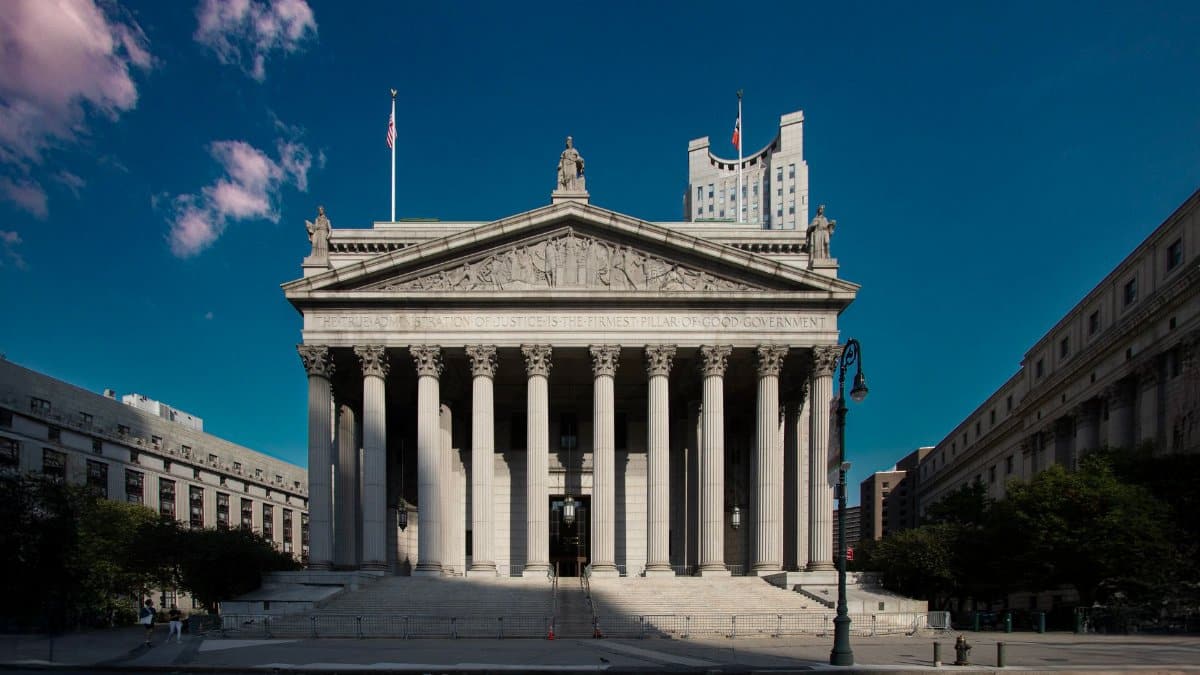
In a development that has stirred debate across immigrant communities nationwide the Supreme Court TPS Ruling permits federal authorities to advance plans for ending temporary protections extended to people from Haiti and Syria. This outcome follows years of legal challenges and policy shifts that left many families in prolonged uncertainty. Observers note how such decisions touch on core questions of fairness, security and the nations role in offering refuge to those escaping turmoil abroad. The path cleared by the court allows revocation efforts to proceed without further immediate blocks from lower tribunals. For middle aged professionals who arrived decades ago and now contribute to local economies the news brings a mix of anxiety and resolve as they weigh options for their futures.
Roots of Protection Programs

Temporary protected status emerged as a tool to shield nationals from countries facing crises such as natural disasters or armed conflict. Congress established the framework decades ago to provide a humane pause in deportation proceedings. Over time the program grew to cover sizable populations from several nations including those now facing potential loss of safeguards.
Effects on Haitian Residents

Communities with roots in Haiti stand to encounter the sharpest adjustments under the new legal landscape. Many arrived after earthquakes and political unrest and have since established businesses schools and family ties across states from Florida to Massachusetts. Without extensions some face removal proceedings that could disrupt long settled lives and local labor forces.
Consequences for Syrian Groups

Syrian nationals who received status amid civil war developments also confront fresh pressures. Their numbers include engineers physicians and educators who integrated into American society while awaiting safer conditions back home. The ruling accelerates reviews that could end work permits and force difficult choices about return or alternative legal routes.
Court Arguments and Precedents
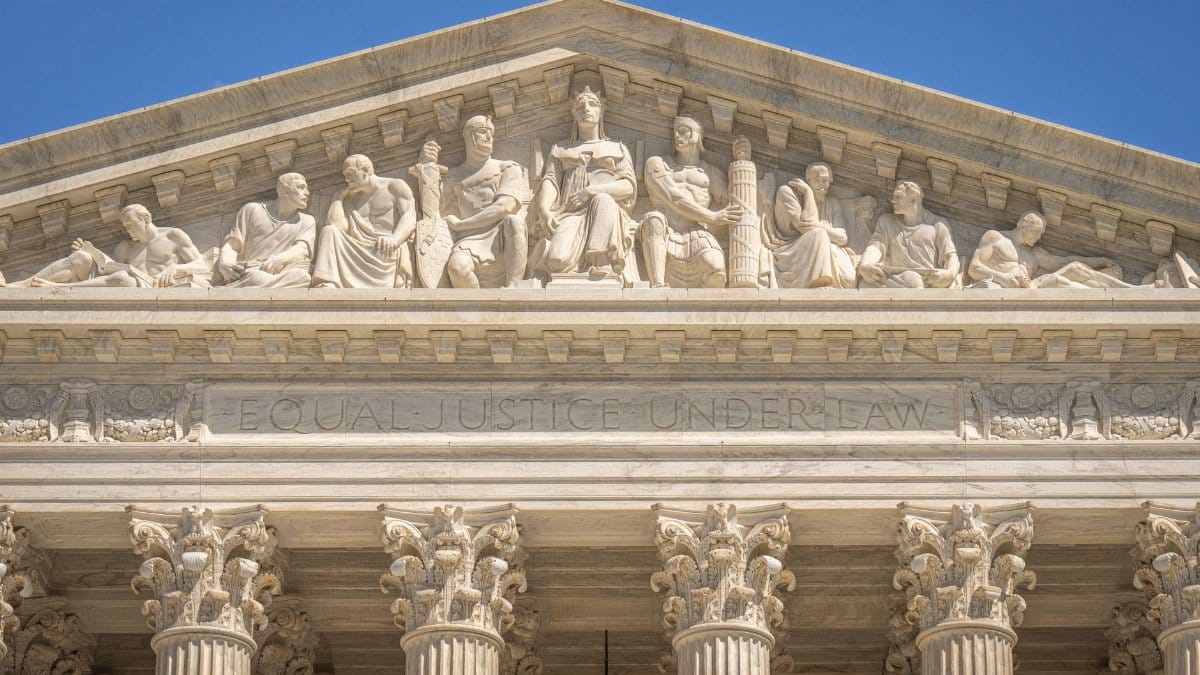
Justices weighed claims that prior administrations exceeded authority when extending protections beyond initial crisis periods. Government lawyers emphasized executive flexibility in foreign affairs and immigration enforcement. Opponents highlighted reliance interests built by recipients who followed all program rules during their stays.
Policy Shifts Under Recent Leadership

The current approach marks a departure from earlier expansions of relief measures. Officials argue that improved conditions in some origin countries justify ending designations. Critics counter that ongoing instability in places like Haiti warrants continued caution and case by case evaluations rather than blanket terminations.
Advocacy and Community Responses

Organizations tracking immigrant welfare have mobilized to offer legal clinics and public education sessions. They stress the value of contributions made by protected individuals in sectors from health care to construction. Public statements from these groups often underscore shared American values of opportunity and stability for those who comply with laws.
Economic and Labor Market Angles

Analyses suggest that abrupt removals could create gaps in industries reliant on experienced workers from affected regions. Employers in agriculture and services have voiced concerns about recruitment challenges if long term staff depart. Broader discussions explore how policy changes intersect with domestic workforce needs and demographic trends.
International Relations Context

Diplomats from impacted nations have engaged in quiet talks to address repatriation logistics and support for returnees. The ruling adds a layer to conversations about aid and reconstruction in fragile states. Observers see potential ripple effects on bilateral ties and cooperation on migration management.
Individual Stories of Adaptation

One resident who built a small import business after arriving in the early two thousands described mixed emotions upon hearing the news. She focused on preparing documentation for any future reviews while supporting younger family members born in the United States. Similar accounts surface in cities with dense immigrant populations where daily routines continue amid legal flux.
Outlook for Legislative Action

Some lawmakers have floated proposals to reform the overall system and provide clearer pathways for long term residents. Bipartisan interest exists in balancing enforcement priorities with humanitarian considerations though progress remains slow. The court decision may prompt renewed efforts to address gaps through statute rather than repeated litigation.
Lessons from Past Designations

Historical reviews of the program reveal patterns of extensions during persistent challenges and terminations when stability returns. Each cycle brings fresh court tests that shape administrative discretion. The latest outcome reinforces the weight of executive determinations in this domain while inviting further scrutiny of criteria used for evaluations.