
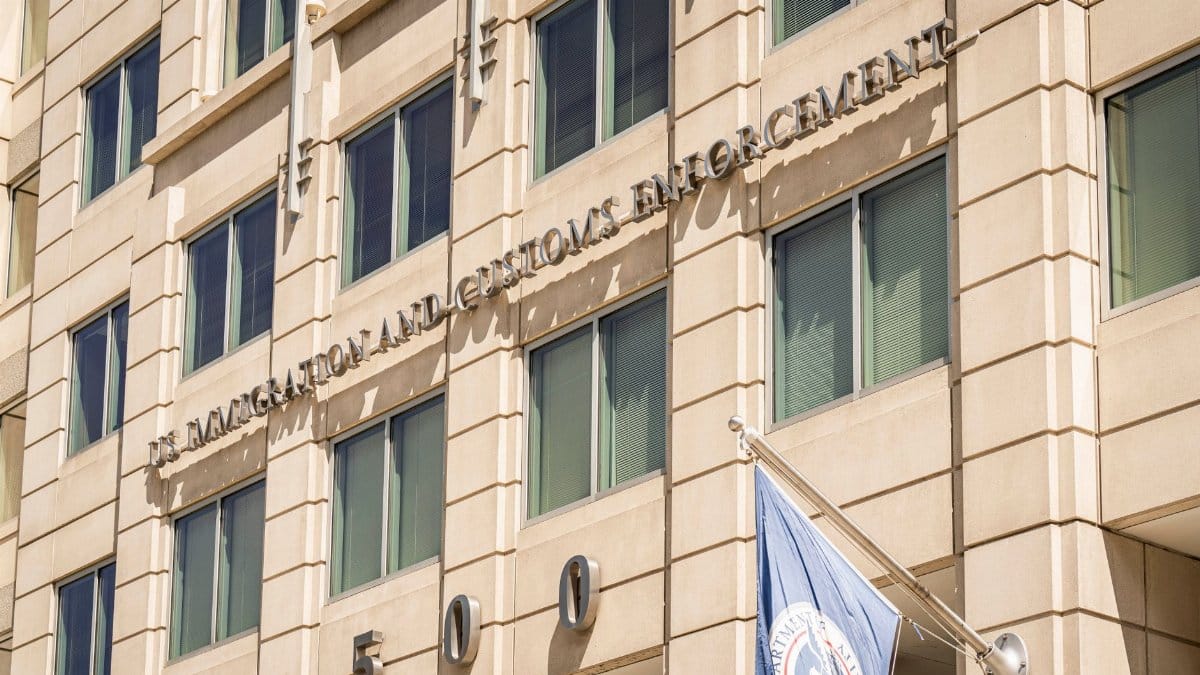
In neighborhoods across Massachusetts Haitian families who arrived seeking safety now confront new uncertainties after the Supreme Court TPS Ruling Haitians. This decision permits the revocation of temporary protections that have allowed thousands to live and work legally in the United States for years. Communities in places like Boston and Springfield have integrated deeply contributing to local economies through businesses schools and healthcare roles. The ruling affects not only Haitians but also Syrians who held similar status. Observers note that such changes could lead to deportations disrupting families and local economies alike. Advocates argue the move overlooks ongoing dangers in home countries while supporters cite legal limits on extended protections.
Background of Temporary Protected Status Initiatives
Temporary Protected Status emerged decades ago as a humanitarian measure for nations facing crises such as natural disasters or conflict. For Haitians the program gained renewed importance following the devastating earthquake in two thousand ten. Recipients gained work permits and deportation relief enabling stable lives in American cities. Over time extensions became routine amid persistent instability at home. Legal challenges mounted as administrations sought to end the designations arguing changed conditions warranted termination.
Core Elements of the Recent Court Decision

The Supreme Court reviewed disputes over whether prior extensions exceeded statutory authority. Justices sided with arguments limiting prolonged use of the program. This cleared the way for ending protections affecting thousands of Haitians and Syrians nationwide. Lower courts had issued mixed rulings creating a patchwork of enforcement. The outcome standardizes policy yet raises questions about abrupt transitions for long settled residents.
Effects on Haitian Residents in Local Areas

Massachusetts hosts sizable Haitian populations particularly in eastern and central regions. Families built homes raised children and launched enterprises under the shield of protected status. Termination introduces risks of removal separating mixed status households. Schools and workplaces may lose valued members creating ripple effects in tight knit districts. Support networks scramble to offer guidance on voluntary departure or alternative legal options.
Similar Consequences for Syrian Nationals
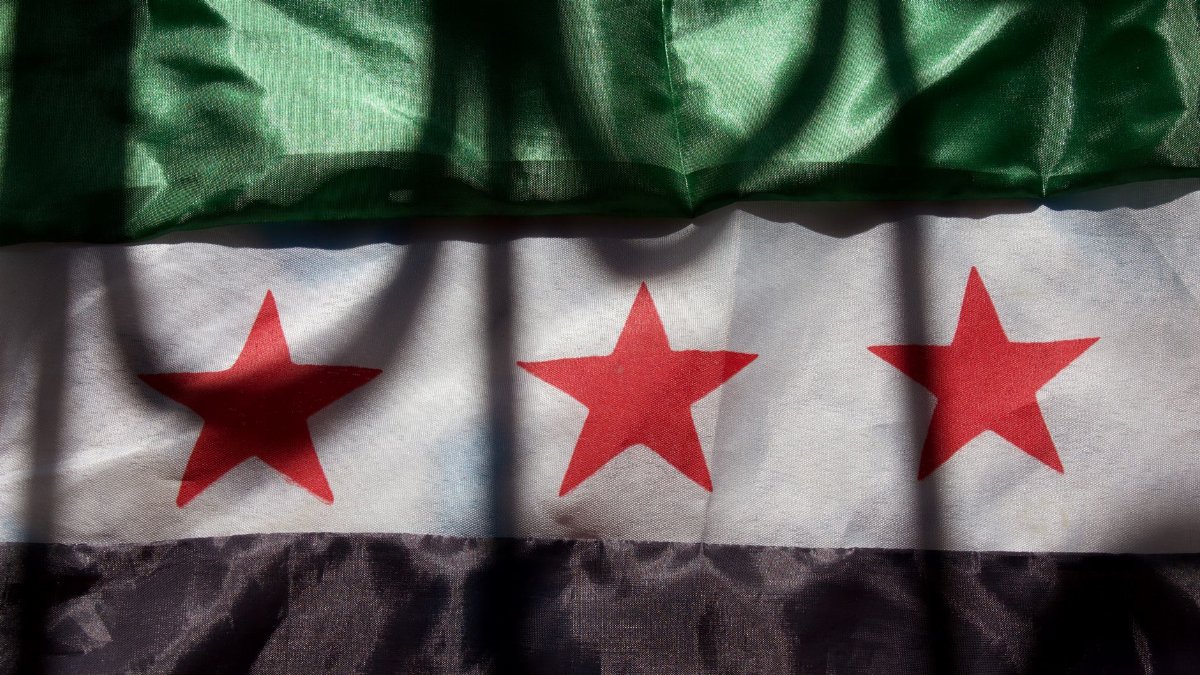
Syrians granted the same status face parallel pressures despite differing conflict origins. Many arrived during periods of intense violence and have since contributed across professional fields. The unified ruling treats both groups under identical procedural findings. Community organizations note shared challenges in preparing for possible returns to regions still marked by hardship. Coordination between advocacy groups for each nationality has increased in response.
Reactions from Community Leaders and Advocates
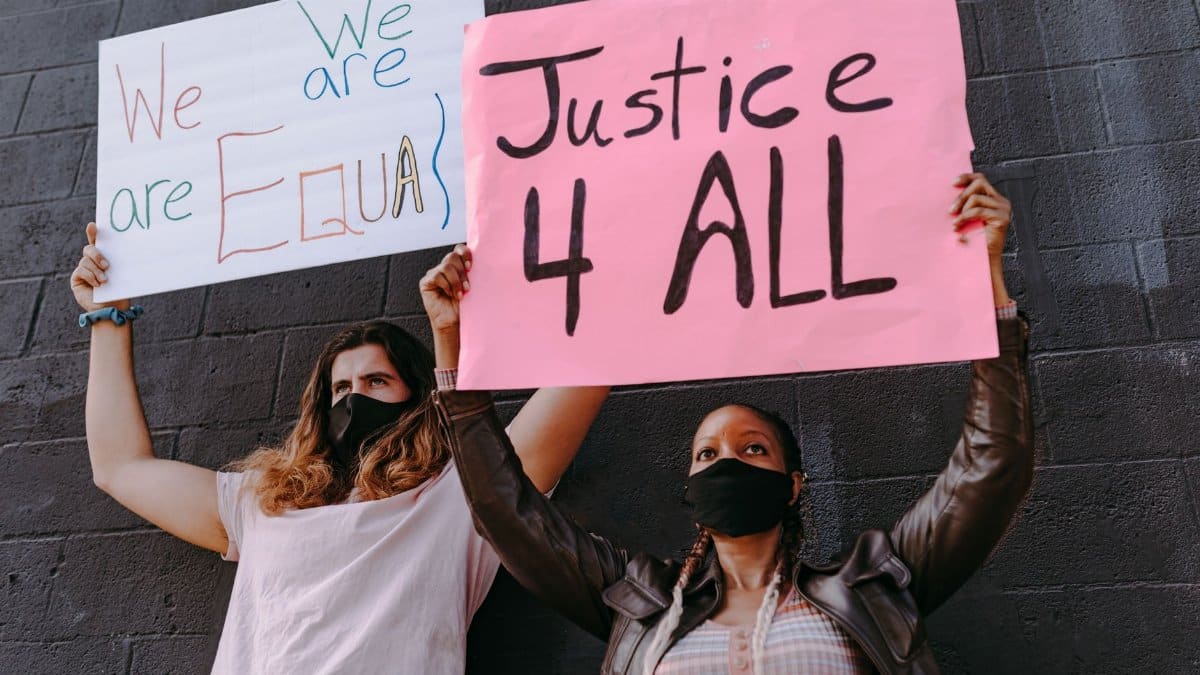
Local officials in affected cities express concern over humanitarian and fiscal impacts. Religious institutions and civic groups organize forums to explain next steps. Some leaders highlight successful integration stories to underscore the human dimension. Others emphasize adherence to judicial outcomes while pushing for legislative fixes. Public statements reflect a mix of resignation and resolve to aid those navigating the shift.
Economic Contributions of Protected Immigrants

Haitian and Syrian workers fill essential positions in transportation hospitality and medical support sectors. Their participation bolsters tax revenues and consumer spending in host communities. Studies from regional universities document these inputs though specific links require verification through official reports. Sudden exits could strain labor markets already facing shortages in certain industries. Business owners describe the practical difficulties of replacing experienced staff on short notice.
Potential Paths Forward for Affected Families

Options remain limited yet include pursuing asylum claims or family based petitions where eligible. Legal aid societies expand clinics to review individual cases. Some explore relocation within the country or return to origin nations under monitored conditions. Congress could consider targeted relief measures though prospects depend on broader political dynamics. Community funds have emerged to cover legal fees and transition costs.
Broader Implications for Immigration Policy
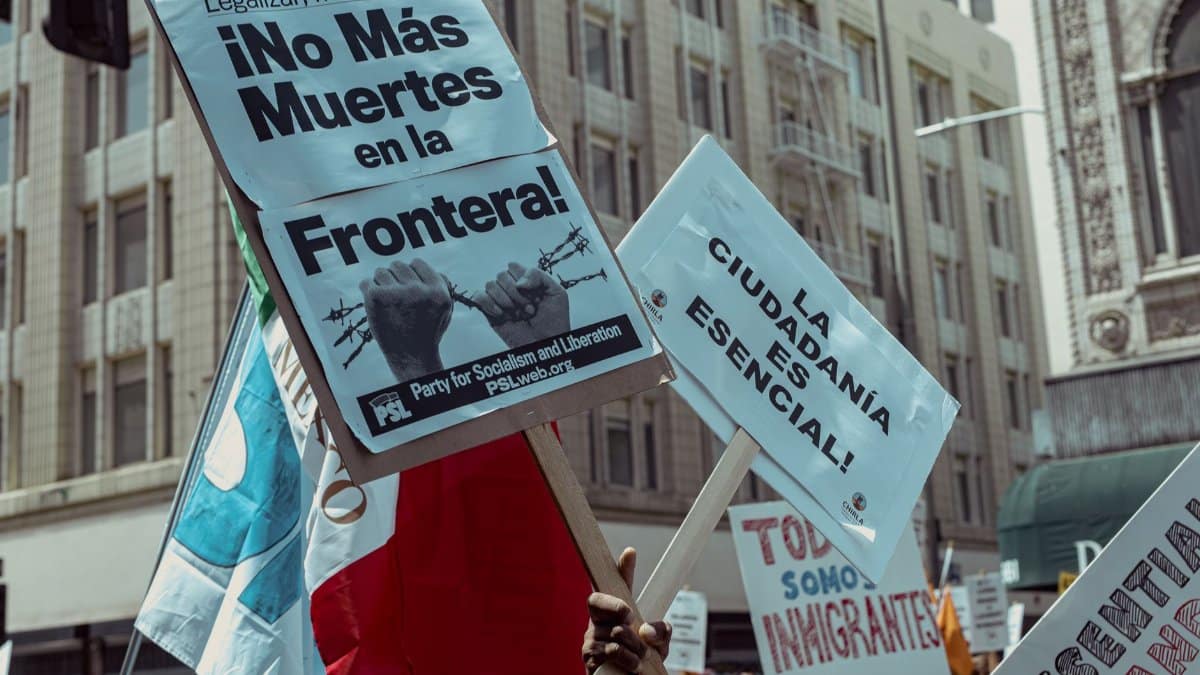
The Supreme Court TPS Ruling Haitians signals tighter scrutiny of temporary programs overall. Future administrations may face hurdles extending relief without fresh legislative backing. This development intersects with ongoing debates over comprehensive reform and border management. Observers anticipate further litigation testing boundaries of executive discretion in humanitarian matters. Ultimately the episode underscores tensions between legal frameworks and lived realities for immigrant populations.