
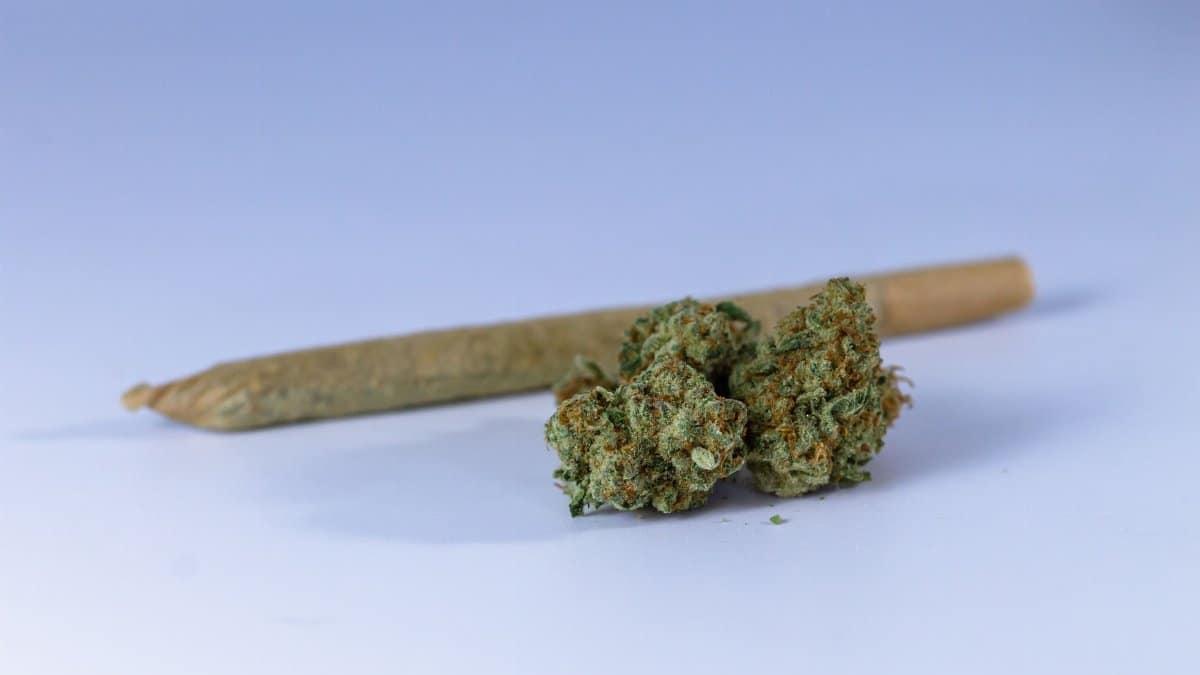
On a Saturday afternoon along a commercial strip in Baltimore, the glass cases look ordinary. Pipes sit beside rolling papers. Candy colored packages crowd the shelves. Jars of dried flower catch the light. What those jars are allowed to contain is not ordinary at all. The Baltimore Sun reported on October 4 that its reporters were sold flower and edibles described as containing marijuana, with labels that sat above Maryland THC limits. The phrase Baltimore smoke shop THC now marks a local argument about labels, licensing, and what a customer is handed across the counter. For neighborhoods that already live with uneven retail, the question is practical. Can a person trust the package in front of them?
What the Sun says its reporters were sold

The investigation, published by the Baltimore Sun, describes purchases that would be unremarkable inside a licensed dispensary and far more troubling in a smoke shop. Reporters were sold flower and edibles labeled in ways the paper says exceeded state THC limits, and the products were described as containing marijuana. That distinction matters. Maryland separates a regulated cannabis market from the corner shop that sells glass, vapes, and novelty snacks. A customer who walks into the second kind of store is not supposed to leave with intoxicating cannabis flower. The Sun account places that expectation under strain. I have walked past similar counters in other cities and assumed the jars were hemp, novelty, or empty marketing. The reporting suggests assumption is a weak form of protection.
Readers can find the paper’s account at the October 4 investigation. The public record of that reporting is the right starting point, because shop by shop detail belongs to the journalists who made the buys, not to rumor.
How Maryland draws the line

Adult use cannabis is legal in Maryland, but legality is not the same thing as an open shelf in every retail strip. Licensed dispensaries operate under the Maryland Cannabis Administration, which publishes rules, licensing information, and consumer guidance at cannabis.maryland.gov. Products sold in that system are tracked, tested, and taxed. Smoke shops are a different business. Many sell hemp items that, under long standing federal language, are supposed to stay at or below a very small concentration of delta 9 THC by dry weight. Intoxicating substitutes, including products built around other cannabinoids, have flooded that gap nationwide.
State officials have spent the past few years trying to close it. The policy aim is simple to say and hard to police. People who want marijuana should buy it from a licensed seller. People who want a tobacco accessory or a nonintoxicating hemp item should not be handed a product that behaves like cannabis and is labeled as if the limit does not apply. When a label itself claims a potency the state does not allow outside the licensed system, the violation is not subtle. It is printed on the package.
Labels that do more than decorate a jar
A label is a promise and, in this market, often a sales pitch. Milligram counts, strain names, and bright claims of strength tell a buyer what the seller wants believed. They do not, by themselves, prove what a laboratory would find. That is the uncomfortable core of the Baltimore smoke shop THC story. If a package says it contains more THC than Maryland permits in that setting, the shop has already made a public statement. Testing might later show the label was inflated, which is its own deception. Testing might show the label was accurate, which would mean an illegal intoxicating product was sold in ordinary retail. Neither result is reassuring.
Flower raises the issue in a raw form. A jar of dried plant material looks like marijuana because, to the eye and the nose, it often is the same plant. Edibles raise a different problem. A gummy can hide dose, delay effect, and travel easily out of the shop. A buyer who misreads a candy package may take more than intended, then blame a bad evening rather than a bad label. The Sun reporting covered both forms, which is why the story reaches beyond one odd jar on one shelf.
Why enforcement trails the storefront

Inspectors cannot stand in every shop every afternoon. Police have larger demands on their time. Cannabis regulators are built to oversee licensees, not every convenience counter that added a display case. That structural gap is how intoxicating hemp products spread after the 2018 farm law widened the legal meaning of hemp. Chemists and marketers learned to sell compounds that were not named in older rules, then to sell ordinary THC under softer names. Local governments issue business licenses for retail. They do not, in the ordinary course, lab test every SKU behind the glass.
The result is a complaint driven system. A reporter can document a sale in an afternoon. A regulator may need a complaint, a sample, a lab report, and a hearing. By the time that file moves, the jar may have a new label or the shop may have a new supplier. None of that excuses a sale. It does explain why a newspaper investigation can surface a pattern that official dashboards have not yet mapped block by block.
What shoppers are told to believe

Staff in these shops are rarely pharmacists, and the signs rarely read like medical advice, yet the counter talk often borrows that authority. Customers hear that a product is legal hemp, farm bill compliant, or gentle because it is not from a dispensary. Those sentences can be true of some goods and false of the jar being rung up. The FDA has warned consumers for years about delta 8 THC products, including inconsistent labeling and adverse event reports, in a consumer update at its page on delta 8. The agency’s concern is not a Baltimore ordinance. It is a national pattern of products that reach people without the checks applied to licensed cannabis or to approved medicines.
Health claims deserve the same skepticism. Nothing in a smoke shop display establishes that a gummy will ease sleep, pain, or worry. If a product is intoxicating, it can also impair driving, interact badly with alcohol, and sit very poorly with some medications. Older buyers, who may already manage prescriptions, have a particular reason to treat unlabeled or overlabeled cannabinoids as a risk rather than a shortcut.
Neighborhood retail and who bears the confusion

Baltimore’s smoke shops are not an abstraction. They sit on blocks where people buy groceries, catch buses, and send teenagers on errands. A storefront that looks like a head shop to one customer looks like a quick stop to another. When intoxicating products move through that ordinary geography, the harm is not evenly shared. Parents may not know the candy near the register is dosed. Workers on a break may not know a preroll is marijuana rather than hemp. A person on probation, or a person who must pass a drug test for a job, can be exposed to a consequence the clerk never mentions.
There is a civic dimension here that has little to do with fashion and a great deal to do with honesty. Communities function when the things sold in public match the rules posted in public. A spiritual or ethical tradition is not required to see the problem, though many traditions would name it plainly. A sale that depends on confusion is a thin kind of commerce. It asks neighbors to sort law, chemistry, and marketing at the cash register, usually without the facts.
Licensed shelves and the shops beside them

None of this is an argument against legal cannabis. Maryland voters chose a regulated market, and that market exists so that adults can buy tested products from accountable sellers. The contrast is the point. A dispensary that breaks potency, labeling, or age rules can lose a license that cost real money to obtain. A smoke shop that moves a few illegal jars may see the risk as a fine, a confiscated display, or nothing at all if no one checks. Unequal consequences produce unequal behavior.
Licensed operators have complained, in Maryland and elsewhere, that intoxicating products next door undercut both the tax system and the safety rules they must follow. That complaint can be self interested and still be correct. If the state tells one set of businesses to test, track, and card, while another set sells lookalike flower with a higher number on the sticker, the public message splits in two. The Baltimore smoke shop THC reporting gives that split a local face.
What a buyer can check without a law degree

A customer cannot run a chromatography test in the parking lot. A customer can still refuse to be rushed. Ask whether the shop is a licensed cannabis dispensary. If it is not, treat any flower described as marijuana, and any edible with a high THC figure, as a product that should not be there. Read the cannabinoid panel rather than the slang on the lid. Look for a batch number and a lab name that can be searched, and walk away if the clerk cannot explain them. Check the state licensee lists before assuming a store is part of the legal market. Keep the receipt if a purchase already happened and the label looks wrong.
Age matters as much as chemistry. Products that look like candy do not belong in reach of children, whatever the shop calls them. Adults who do choose to use cannabis are safer inside the licensed system, where dose and testing are at least supposed to mean something. Driving after use remains a bad idea in every aisle.
The national fight sitting inside a local sale
Congress and statehouses are still arguing over hemp. Farmers who grow fiber and grain have a legitimate industry. Processors who convert hemp extract into intoxicating gummies have used that industry as cover. Lawmakers who try to ban those products are accused of hurting small business. Lawmakers who wait are accused of leaving a gray market in place. Baltimore does not have to resolve the national argument to enforce the line it already drew. A product described as marijuana, labeled above the state THC limit, and sold outside the licensed system is not a philosophical edge case. It is a retail fact.
Journalism has a role because the gray market prefers dim light. A controlled buy, a saved label, and a published account do what a vague warning cannot. They show a reader the transaction. They also give regulators a map. The Sun story will matter less as a single headline than as a prompt for sampling, inspections, and plain answers from the shops named in the reporting.
What officials and owners owe the public next
Shop owners who believe their goods are lawful should be able to show why. A supplier invoice, a current lab report, and a label that matches Maryland rules are not exotic demands. Owners who cannot produce those papers should pull the products. Regulators should say, in public, which rules apply to flower sold in unlicensed shops and which penalties follow a sale like the ones reporters described. Police and health officials should coordinate so that a case does not die in the space between agencies. The Maryland Cannabis Administration already tells the public how the licensed market works. It, or another clearly named office, should be just as clear about what a smoke shop may not sell.
Silence helps the confusing label. A short, specific statement helps the person standing at the counter.
Trust, clarity, and the counter in front of you

People sometimes talk about markets as if they were only prices. They are also habits of trust. A city can absorb a bad restaurant review. It has a harder time absorbing the idea that ordinary shops sell something the law reserves for a licensed system, under labels that overshoot the limit, while the rest of us are told the rules are settled. That is the unease sitting inside Baltimore smoke shop THC as a local phrase. It is not a lifestyle trend. It is a question of whether the words on a package still mean what they say.
The Sun investigation does not close the market, and it should not be asked to. It does something more useful. It records sales, names the conflict with state limits, and invites a response that can be checked. Until that response arrives in inspections and pulled products, the careful choice is the licensed shelf, a label a buyer can verify, and a willingness to leave a jar on the counter when the promise printed on it does not match the law posted by the state.