
On the last afternoon before the ballots closed, a line of visitors moved from a former furniture showroom to a church basement to a cafe window, phones in hand, as if the city had become one long gallery with no closing door. Voting ended Oct. 2 after more than 1,000 works appeared at more than 150 venues, and the organizers framed the finish as a bid for a record that would be measured in public attention rather than in a single trophy. ArtPrize Grand Rapids has always depended on that odd bargain: artists arrive with objects, and strangers decide, together, what those objects are worth.
A finish built for a crowd, not a jury room
Most art competitions hide the verdict. A small panel meets, a press release follows, and the public learns the outcome after the looking is done. This event reverses that order. The looking is the event. People vote while they walk, argue on sidewalks, and return to a piece they dismissed an hour earlier. The 2026 edition leaned into that habit and asked whether a city could push the scale of participation past anything it had managed before.
A record attempt of this kind is less romantic than it sounds. It requires maps, volunteers, extended hours, and a public willing to treat an ordinary week as an appointment. Grand Rapids has practice. The festival grew up inside a downtown that already knew how to host visitors for furniture markets and conventions. What changed, year after year, was the claim that art could occupy the same civic space as commerce without asking permission from a museum wall.
More than a thousand reasons to stop walking
A thousand works is not a number a person can honestly absorb. It is a number that forces choices. Visitors pick a neighborhood, a friend picks another, and the festival becomes a set of partial views rather than a single exhibition. That partiality is the point. No one owns the whole show. The experience is assembled in conversation, the way a city itself is assembled, block by block, by people who never see the same street on the same day.
The venues matter as much as the objects. A bank lobby, a brewery, a park edge, a sanctuary: each room changes the temperature of what hangs or stands inside it. A painting that would feel polite in a white cube can feel urgent beside a coffee line. A sculpture that would dominate a plaza can look humble in a stairwell. The festival’s scattered map keeps reminding viewers that context is not decoration. It is part of the work.
What a record would actually measure
When organizers talk about a record finish, the temptation is to imagine a single spectacular number: the largest vote total, the longest line, the most venues in one competition. Local coverage framed 2026 as an attempt to break a world record tied to the finish itself, a public crescendo rather than a quiet tally in an office. Whether any outside body ultimately certifies that claim is a separate question from what the attempt did to the city while it was underway.
Records are blunt instruments. They flatten a complicated week into a headline. Still, blunt instruments have uses. They give a mid sized city a reason to invite the country in, and they give residents a reason to treat familiar corners as if they might contain something they have not yet earned the right to ignore. The measurement that lasts is not the certificate. It is whether people who do not call themselves art audiences spent real time looking.
Voting as a discipline of attention
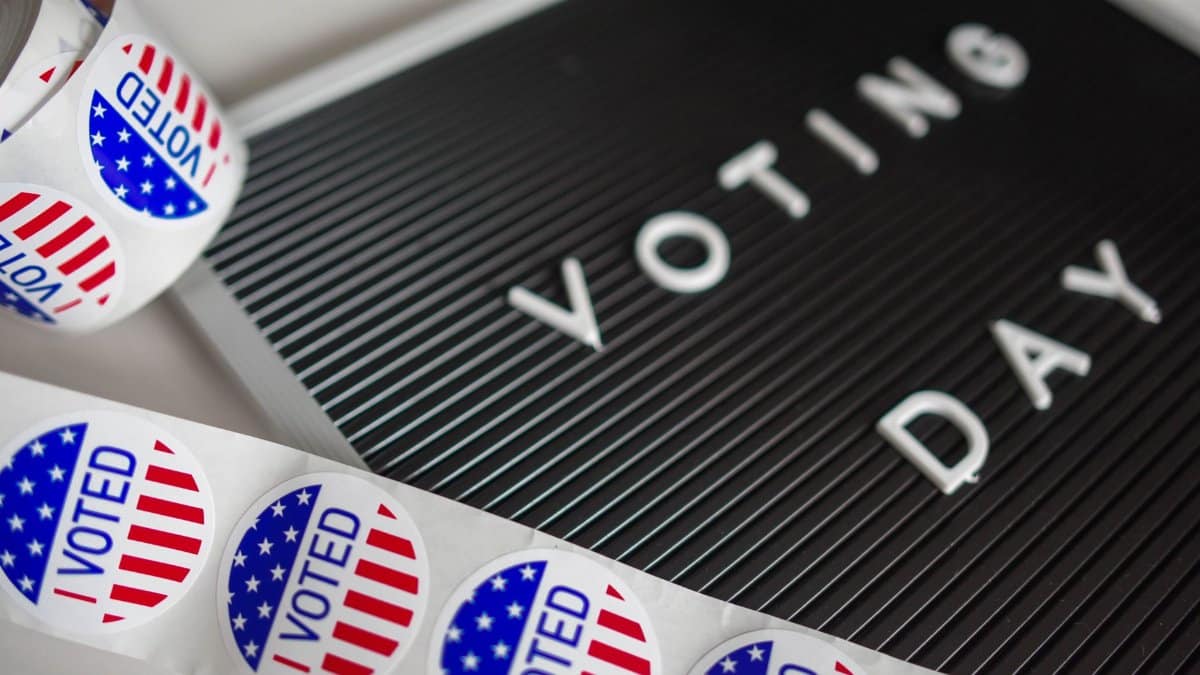
A ballot can make a person shallow. It can also make a person stay. The difference is time. Someone who votes in the first minute is collecting a souvenir. Someone who votes after a second visit is practicing a small form of judgment. The festival does not police that difference, and it should not pretend to. What it does is place the decision in public, where friends can challenge it and strangers can overhear it.
That public decision making is why the event keeps attracting artists who could chase quieter prizes. They want the risk of an untrained eye. A curator can be wrong in a sophisticated way. A crowd can be wrong in a human way, which is sometimes more instructive. The artists who return tend to speak less about fairness than about contact: the moment a viewer stops performing taste and simply reacts.
ArtPrize Grand Rapids and the geography of looking
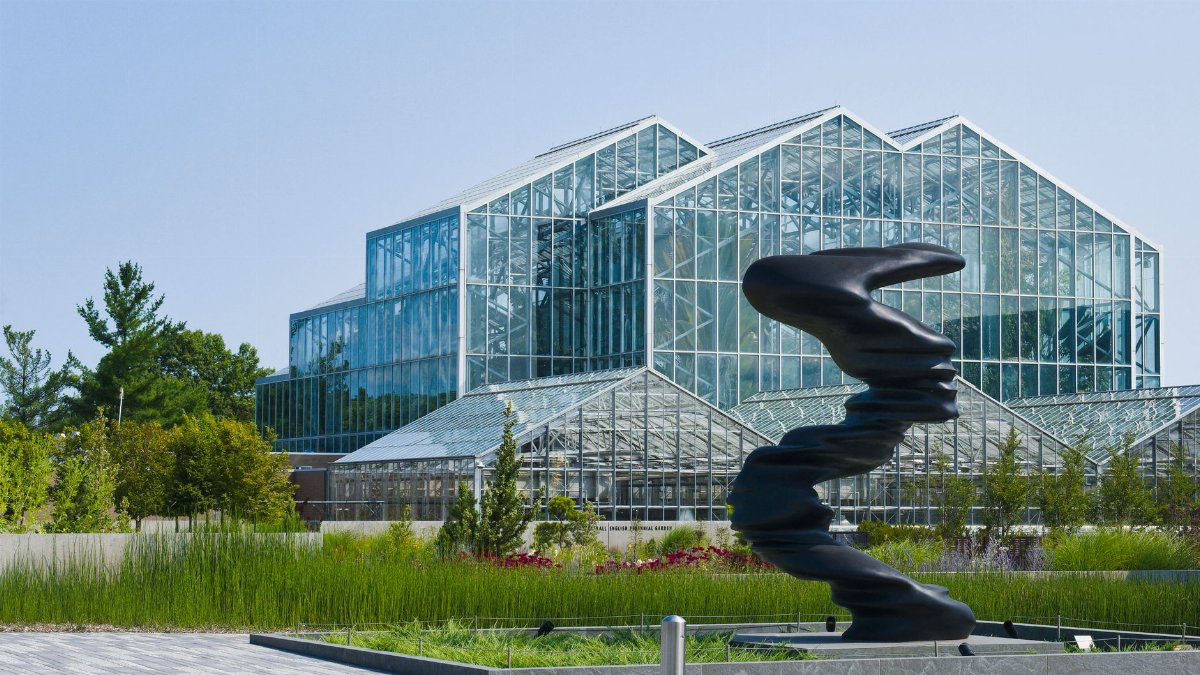
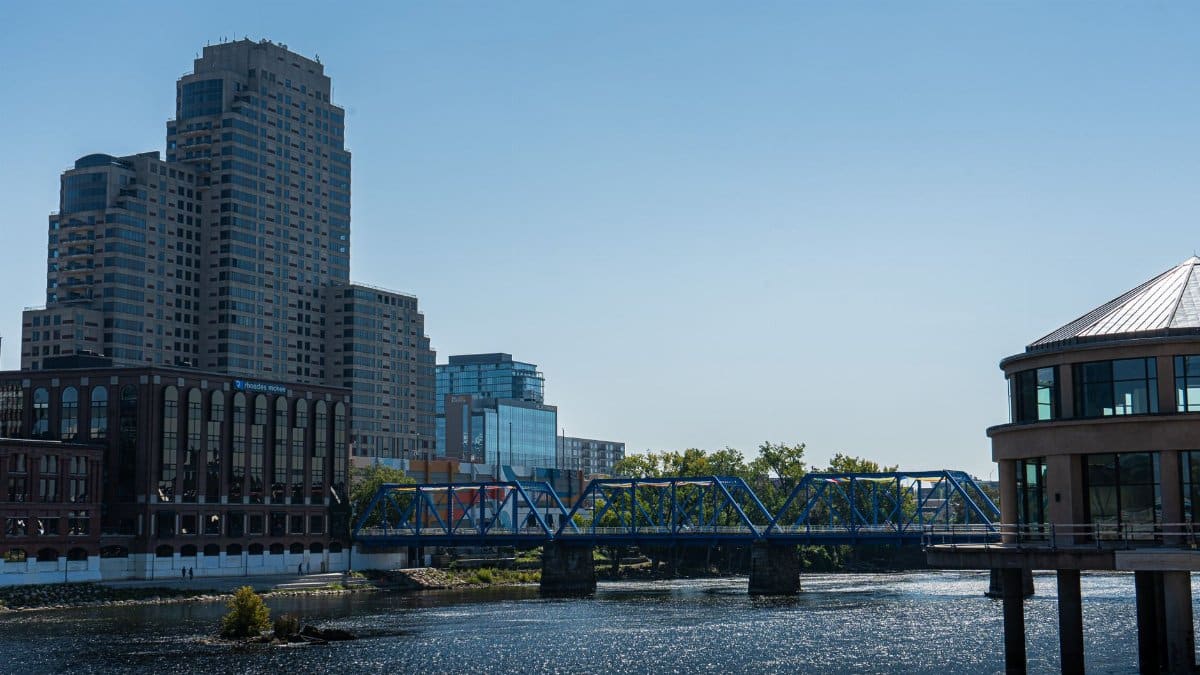
ArtPrize Grand Rapids is not only a brand sitting on top of a downtown. It is a geography. The river, the bridges, the grid of streets west and east of the central spine, the halls that once held trade shows: these are the real walls of the exhibition. A visitor who never leaves one district has not failed. That visitor has simply accepted a limit, which is what serious looking always requires.
The spread also protects the festival from becoming a single photo opportunity. A monumental outdoor piece may draw the cameras, but the vote can still tilt toward a quiet drawing in a side room if enough people make the walk. That possibility, even when it does not come true, keeps the week from collapsing into spectacle. Spectacle is easy to market. A city full of side rooms is harder, and more interesting.
The secular pilgrimage through ordinary rooms
There is a spiritual temperature to a week like this, even when no doctrine is on offer. People move through a city with a shared purpose that is not shopping and not work. They enter rooms they would never enter, including sanctuaries used as galleries and galleries that feel, for an hour, like sanctuaries. The category of the experience is closer to pilgrimage than to entertainment, though nobody needs to use that word out loud.
What travelers seek on a pilgrimage is not always a miracle. Often it is permission to pay attention without apology. A festival supplies that permission in bulk. For a few days, standing still in front of an object is a legitimate use of a lunch hour. That small legitimacy is easy to mock and hard to replace. Cities that lose it tend to notice only later, when public life has narrowed to transactions.
Money, labor, and the unglamorous week
None of this happens because a mood strikes the Midwest. It happens because people print maps, staff doors, insure fragile objects, negotiate with building owners, and keep bathrooms open past the hour when a normal office would lock them. The glamour of a record attempt sits on top of that labor. Visitors rarely see it, which is how labor in cultural life usually works. The work is successful when it disappears into the feeling that the city simply showed up.
Artists carry their own costs: transport, lodging, the chance that a piece will be misunderstood in a room with bad light. The prize structure, whatever its final purse in a given year, cannot fully repay that risk. What it can do is concentrate attention so that a career, or at least a conversation, might start. For many makers, the audience is the compensation that matters, and the audience is what Grand Rapids has repeatedly proven it can gather.
How a furniture city learned to host disagreement
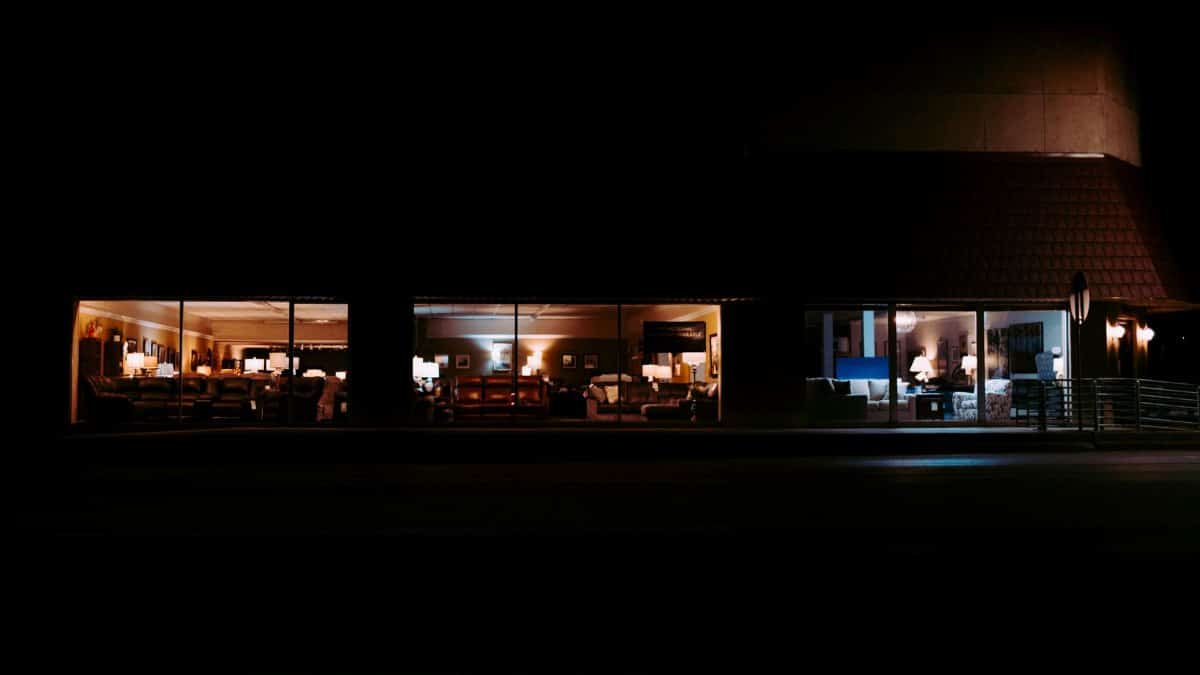
Grand Rapids did not become an art city by abandoning the industries that built it. It became one by refusing the idea that culture is something you import after the real work is done. The festival’s argument, implicit every fall, is that looking belongs in the same downtown as making and selling. That argument is not universally loved. Some residents find the crowds exhausting. Some artists find the vote crude. Both complaints are part of the record, and both keep the event from drifting into self congratulation.
Disagreement is a feature of any open vote. A beloved piece loses. A divisive piece wins. Letters get written. The health of the festival depends less on harmony than on whether people return the next day anyway. In 2026, the push for a record finish tested that habit at a larger scale. A city that can absorb argument without closing the doors is practicing a civic skill that has uses far beyond art.
After Oct. 2, the rooms go back to work
When voting ends, the city does not stay a gallery. Desks return. Coffee shops take their windows back. Church basements recover their ordinary chairs. The speed of that reversion is part of the poignancy. For a short span, ordinary rooms held extraordinary claims on attention. Then they resumed the jobs they were built for. The art leaves, or some of it stays in photographs and in the memory of a corner that will never look entirely neutral again.
That afterimage is the real finish, record or no record. A person who voted remembers the piece they chose and, if they are honest, the piece they almost chose. The almost is where taste begins to have a history. Festivals that chase scale sometimes forget this private remainder. The better ones, and this one has often been among them, leave enough quiet in the noise for that remainder to form.
What the bid asked of people who live here
A record attempt asks something specific of residents who are not visitors. It asks them to lend their city, including the inconvenience, to a story that will be told partly for outsiders. That loan is not free. Parking disappears. Routines bend. The return, if it comes, is a downtown that feels briefly more porous, more willing to be entered by people who do not already know where they are going.
ArtPrize Grand Rapids has spent years making that loan feel worthwhile. The 2026 push for a record finish raised the stakes without changing the basic exchange. Artists offered work. The city offered rooms. The public offered time. If the numbers eventually satisfy whoever keeps official ledgers, the certificate will be a souvenir. The exchange itself is the thing worth keeping.
A closing that refuses to be only a number
There will be winners, and their names will travel farther than most of the thousand works. That is how prizes function, and pretending otherwise is a kind of bad faith. The more durable fact is the week in which those winners were not yet separated from the field. For that week, a sculpture in a park and a drawing in a hallway shared a public, and the public was large enough that organizers could credibly talk about a world record.
Middle aged readers who remember when culture felt like something that happened in other cities may recognize the quiet pride in that talk. It is not boastfulness so much as evidence. A place can decide, repeatedly, to be looked at differently. ArtPrize Grand Rapids keeps making that decision in public, with ballots, with venues, and with the ordinary courage of people who stop walking long enough to see what a neighbor has made.