
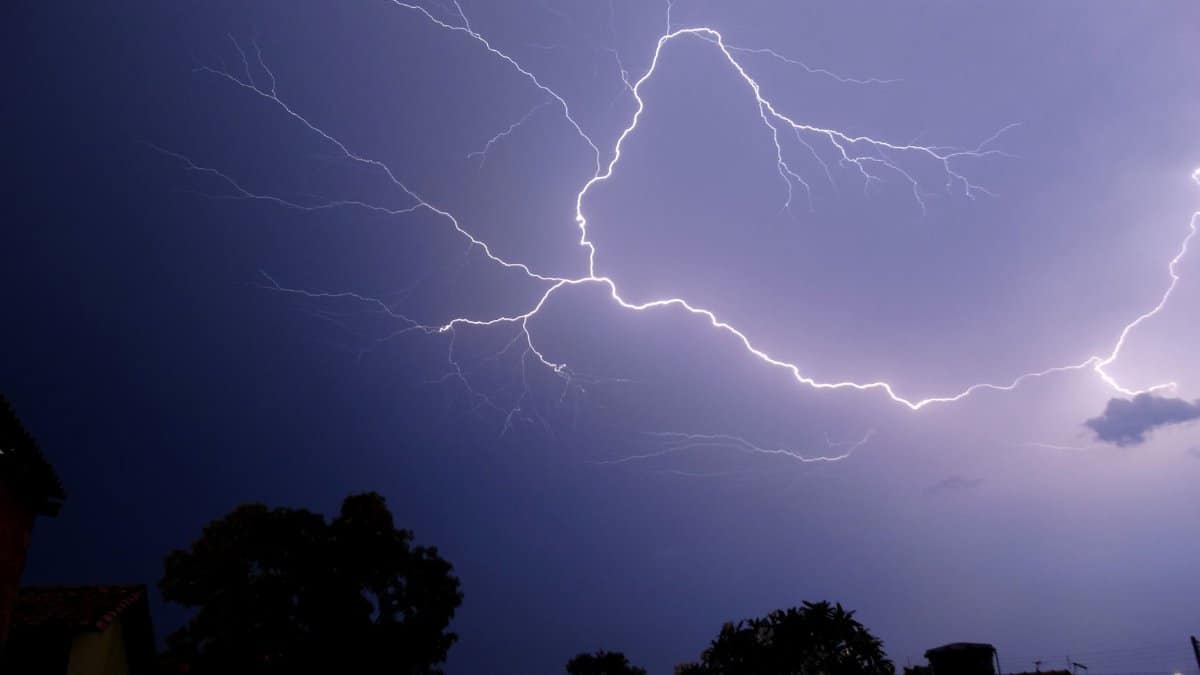
On a gray morning when the buoys off New England began to pitch, a familiar ritual returned to the weather maps. Forecasters gave a spinning mass of wind and rain a name, and coastal towns from Maine toward the Carolinas started doing the quiet arithmetic of tide, travel, and worry. Storm Josephine Atlantic is the phrase that now sits on those maps, a subtropical system with winds near 65 miles per hour, far enough from Texas to spare the Gulf yet close enough to the Eastern Seaboard to roughen the surf. The storm is not a headline of ruin. It is a reminder that the ocean still writes the schedule.
A name returns to a restless ocean
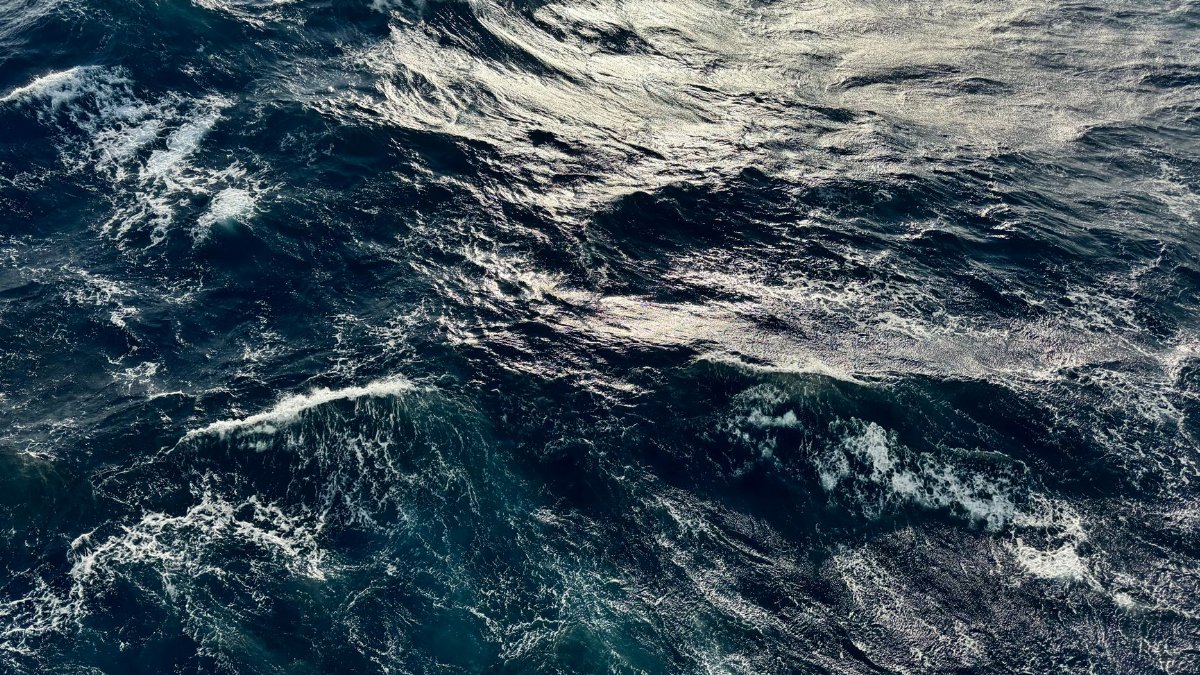
Names do a peculiar kind of work. They turn a swirl of cloud into something a family can discuss over breakfast. They give radio hosts a handle and give harbor masters a reason to check lines twice. When Storm Josephine Atlantic entered the public conversation, it did so less as a monster at the door than as a system with a biography still being written. The center sat off the Northeast coast, spinning over water that was cool enough to deny it a fully tropical character and warm enough, in pockets, to feed showers and gusts.
For people who track these systems the way others track baseball standings, the appearance of Josephine answered a seasonal question. The list of names is finite. Each one used is a marker that the ocean has been busy. Each one unused is a small mercy. This particular name arrived with a clear geographic mercy attached: Texas, so often in the path of Gulf trouble, was not in the cone of concern. The worry, such as it was, belonged to beaches facing the open Atlantic.
What subtropical actually describes

The word subtropical can sound like a hedge, as if forecasters cannot decide what they are looking at. In practice it is a precise description. A subtropical storm borrows traits from two families of weather. It has a broad wind field, often with the strongest gusts well away from the center, and it draws energy both from temperature contrasts in the atmosphere and from the sea beneath it. It may lack the tight, symmetrical eye that people expect from a classic hurricane picture. That absence does not make it gentle. It makes it differently organized.
Winds near 65 miles per hour place such a system above the threshold where a name is assigned and below the threshold where the public imagination usually shifts into hurricane language. That middle ground is where communication gets interesting. Officials must convey respect without theater. Residents must hear caution without hearing catastrophe. A subtropical storm can still topple weak trees, snarl ferries, and turn a casual swim into a rescue. It can also pass with little more than a day of gray rain if its track stays offshore.
Why the Gulf can stand down
Geography is the first kindness in this forecast. A storm born and held in the western Atlantic, off the Northeast coast, does not have an easy road into the Gulf of Mexico. Steering currents, the large scale winds that push these systems along, were not lining up to drag Josephine southwest toward Texas. For Houston, Galveston, Corpus Christi, and the smaller ports between them, the practical message was simple. This is not your storm.
That message matters because Gulf communities carry a long memory. People there do not hear a tropical name as abstraction. They hear boarded windows, emptied shelves, and the particular silence that falls when a city waits. To be told, clearly, that a named system poses no threat is itself a form of care. It lets schools keep their calendars, lets refineries keep their shifts, and lets families save their anxiety for the systems that actually aim at them. Relief, in weather, is not complacency. It is the correct reading of a map.
The surf that still reaches the shore
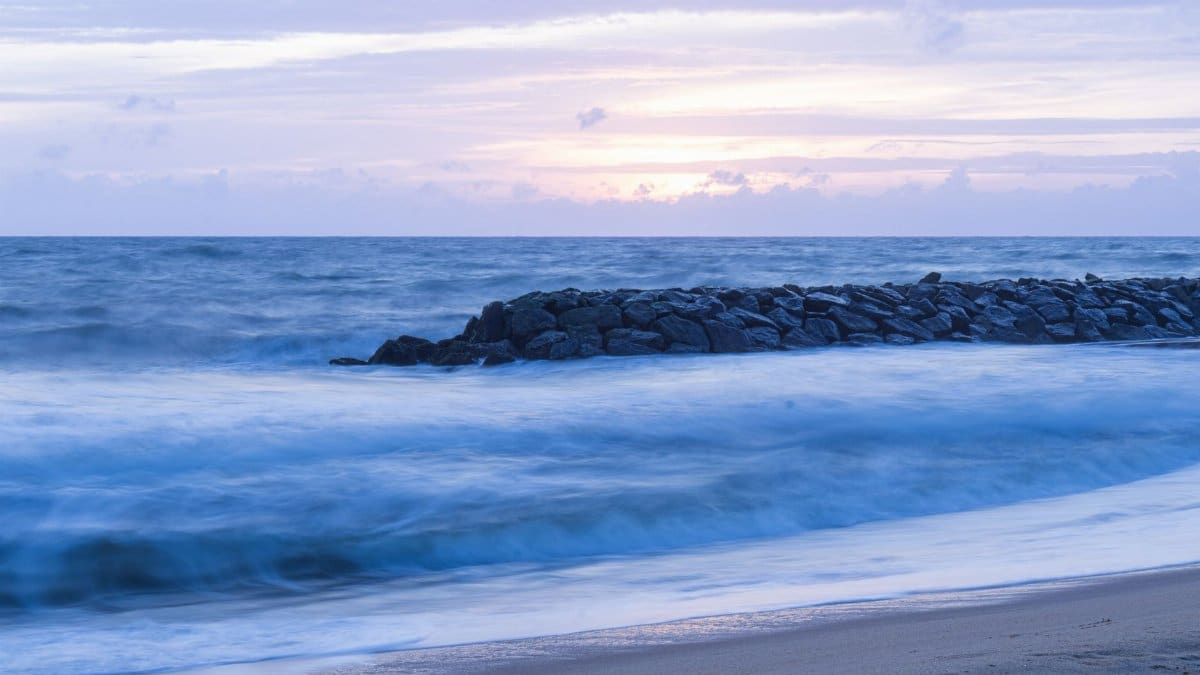
Distance from the center is not the same as safety at the waterline. Storm Josephine Atlantic can stay well offshore and still send swells that rearrange a beach. Those swells arrive as sets, patient and heavier than the local wind would suggest. They steepen near sandbars. They create rip currents that look, to an untrained eye, like calm lanes in a messy sea. Lifeguards know those lanes as the places where people get into trouble on days that do not even look dramatic from the boardwalk.
Along the East Coast, the hazard is less about wind damage inland and more about the edge where recreation meets physics. A fisherman on a jetty, a child on a boogie board, a visitor who has never seen the Atlantic on a rough day: each of them meets the storm as water, not as a satellite loop. Dangerous surf is an old phrase, and it earns its age. It means waves that knock people down, currents that pull them out, and rocks that become slick. It means that a storm with no landfall can still write an obituary if the warnings are ignored.
How a storm earns its place on the map

The machinery behind a name is less romantic than the name itself, and more reassuring. Satellites watch cloud patterns. Buoys report wind and pressure. Aircraft, when tasked, fly into the system and sample what the pictures cannot fully show. Forecasters compare those observations with computer guidance, then issue advisories on a schedule the public can learn. The schedule is the point. Weather becomes governable, in a civic sense, when it arrives as a series of updates rather than as rumor.
Josephine, in this telling, is not a character with motives. It is a classification reached when sustained winds and structure meet agreed thresholds. That bureaucratic clarity is a gift. It keeps group chats from inventing landfalls. It gives emergency managers a shared text. It also exposes the limit of any single advisory. A storm can strengthen, weaken, or drift. The name stays. The details move. Readers who treat the first headline as the last word misunderstand both the ocean and the people who watch it.
Reading guidance without borrowing panic

There is a style of weather consumption that treats every named system as a personal emergency. There is another style that treats every caution as hype. Neither serves a coastline well. The wiser habit is narrower. Ask where the center is. Ask what hazard is actually forecast for your county: wind, rain, surge, or surf. Ask when the next update arrives. Then decide, with that information, whether to move a boat, cancel a beach trip, or simply close the upstairs windows and go to work.
For inland Texas, that habit yields a short decision. No threat means no special preparation beyond the ordinary respect any season deserves. For barrier islands and New England harbors, the habit yields a longer list. Check tide tables. Secure loose gear. Keep people out of the water when flags say so. Tell visitors, who may have come for a calm postcard, that the Atlantic is allowed to be loud. None of this requires fear. It requires attention proportional to the risk, which is the adult version of weather literacy.
Congregations and the old language of weather

Storms have always spilled out of the forecast and into the places where people look for meaning. Coastal congregations, from small chapels on dunes to large parishes in port cities, often become informal weather desks. A pastor hears who is offshore. A synagogue group chat notes which members have family on the Cape. A mosque near a working harbor reminds worshippers that stewardship includes the boats and the neighbors who depend on them. The category of spiritual life is not separate from the category of wind. It is one of the ways communities metabolize uncertainty.
That metabolism can be healthy or theatrical. Healthy versions do not claim that a name on a map is a verdict from heaven. They treat prudence as a moral act: checking on the elderly neighbor, offering a ride away from a flooded street, refusing to film risky waves for applause. They also make room for gratitude when a track bends away. Storm Josephine Atlantic, spared to the Gulf and limited in its reach ashore, is the sort of system that invites that quieter gratitude. Not triumph. Not the story of a city saved from ruin. Simply the recognition that some days the sea stays in its lane, and that such days are worth naming too.
A season with a longer memory
One subtropical storm does not define a year. It does, however, sit inside a pattern that coastal readers already feel. Seasons seem to start conversations earlier and end them later. Water temperatures, beach erosion, and the cost of insurance have turned what used to be a late summer topic into a standing civic subject. Josephine arrives as one chapter in that longer book. Its modest intensity should not be used to dismiss the book, and the book should not be used to inflate this chapter.
Journalists walk a narrow path here. Overstatement trains readers to tune out. Understatement trains them to wade in. The honest frame for this system is measured. Winds near 65 miles per hour. A subtropical structure. No meaningful threat to Texas. A real reason for caution in the surf along the East Coast. Those four facts can carry a story without costume. They also leave space for what is still unknown, because the atmosphere has not finished its revision.
What the next advisories can still change

Forecasts are arguments with tomorrow, and tomorrow sometimes wins a round. A shift in steering could nudge the center closer to or farther from land. A pocket of drier air could fray the convection. A bit more organization could tighten the wind field. None of those possibilities, as of the formation headlines, rewrote the basic geography. The Northeast offshore waters remained the stage. The Gulf remained a spectator.
Residents who want to follow along without drowning in updates can pick a rhythm. Morning and evening is enough for most households when a storm is not aimed at them. Mariners and beach towns may need a tighter rhythm. The point is not constant refresh. The point is not to freeze the first map in memory. Weather writing fails when it pretends certainty it does not have. It also fails when it refuses to say what is already clear. Clarity and humility can share a sentence.
The shore after the name fades
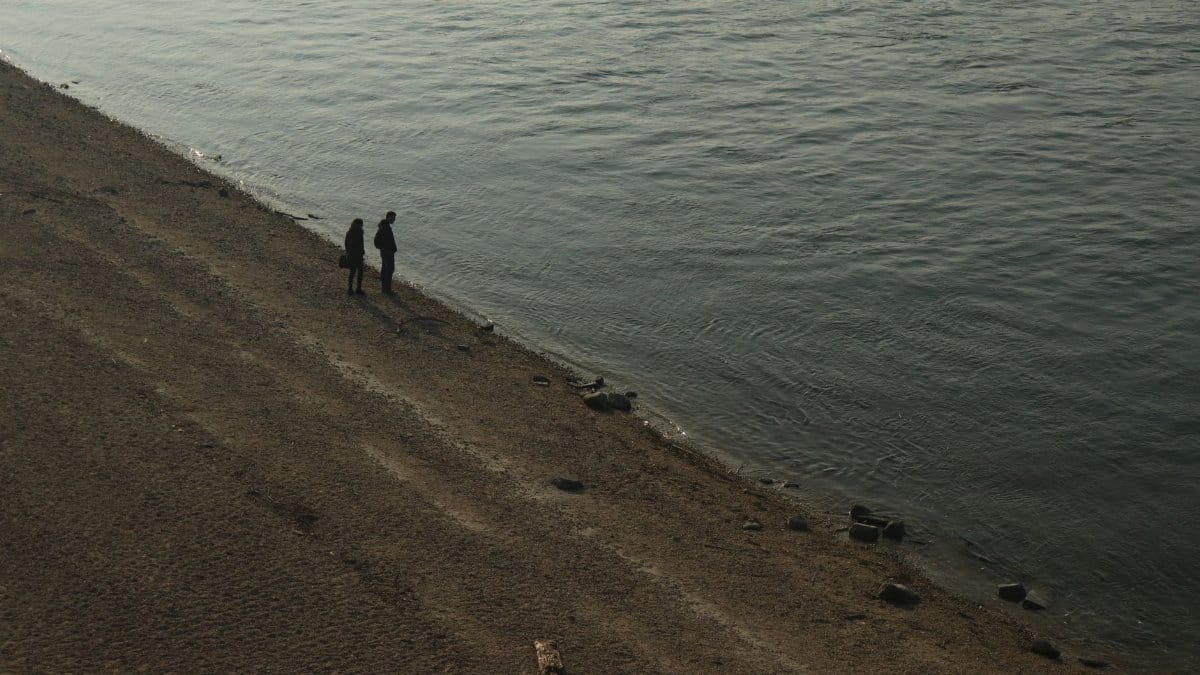
Names retire from the daily map faster than they retire from memory. In a week, many readers will struggle to place Josephine unless the surf left a mark: a closed beach, a rescued swimmer, a ferry held in port. If the mark is small, the forgetting is a kind of success. The system will have done what many subtropical storms do. It will have spun, been watched, been respected at the waterline, and moved on.
What should remain is the practice, not the panic. Know which coast is yours. Know which hazards travel farther than the center. Know that a Gulf city can be entirely unthreatened while an Atlantic beach is not. Know that spiritual communities, civic agencies, and neighbors on a group text are all part of the same response, whether or not they use the same vocabulary. Storm Josephine Atlantic is a compact lesson in that division of concern. It asks Texas for calm and asks the East Coast for care. Both answers can be true at once, which is as close as weather ever comes to fairness.