
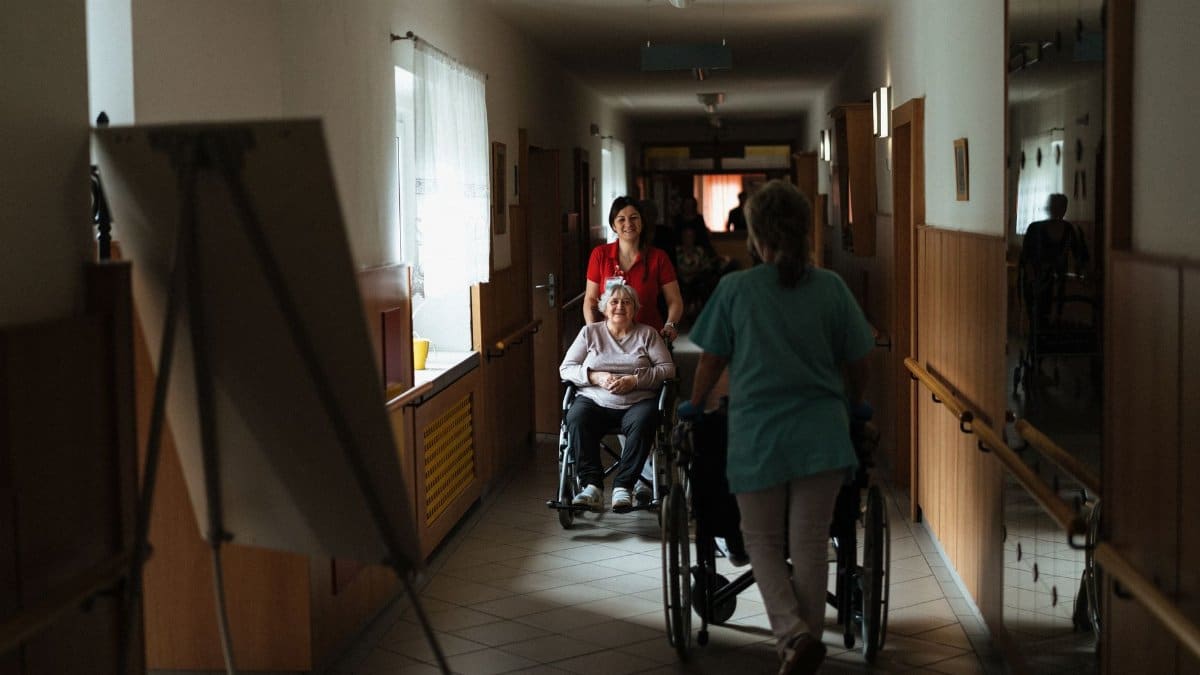
On a day when the afternoon air felt thick enough to slow a walk across a parking lot, a stark account from one Massachusetts town forced a wider reckoning. A woman was found dead in a room that had reached 99 degrees, and further heat related incidents were later reported at the same assisted living facility. The phrase Hopkinton assisted living heat now names more than a weather problem. It names a failure of care in a place where older adults are supposed to be watched, cooled, and kept safe when the temperature climbs.
What the public record describes

The essential facts, as framed in news accounts, are spare and devastating. A resident died in a room measured at 99 degrees. After that death, additional incidents tied to heat were reported at the facility. Those details alone are enough to alarm families who trust assisted living with parents, spouses, and neighbors who can no longer manage every risk of daily life on their own.
Much remains for investigators, regulators, and the facility itself to explain. A news story is not a final finding of fault. Still, the sequence matters. A death in extreme indoor heat, followed by more heat related reports, suggests that the first tragedy did not immediately produce conditions that families would recognize as safe. That is the heart of the Hopkinton assisted living heat story, and it deserves plain language rather than softening.
A room at 99 degrees

Ninety nine degrees indoors is not a minor discomfort. It is a dangerous environment for many older adults, especially those with heart disease, lung disease, cognitive impairment, or medications that interfere with the body’s ability to shed heat. A healthy younger person might feel miserable and seek water, shade, or a cooler room. An older resident may not recognize the danger, may not be able to walk to a cooler space, or may not be able to ask for help in time.
Indoor heat is easy to underestimate because it lacks the drama of a storm. There is no broken window, no visible flood, no siren that tells a visitor the room has become unsafe. A closed door, a failed cooling unit, a delayed repair, or a staff schedule that leaves too few people to check every room can turn an ordinary afternoon into a medical emergency. The number 99 forces that hidden risk into the open.
Why older bodies face greater danger
Aging changes the way the body handles heat. Sweat response can weaken. Thirst may arrive late or not at all. Chronic illness and common prescriptions can raise risk. Dementia can erase the judgment that would send someone toward a fan, a drink, or a staff member. In assisted living, those vulnerabilities are not rare exceptions. They are part of the reason residents live there.
Public health agencies have long warned that extreme heat kills more people in the United States than many better known disasters. Older adults account for a large share of those deaths. The warning is not abstract when it meets a specific room, a specific resident, and a specific afternoon in Hopkinton. Prevention depends on boring routines: working air conditioning, temperature checks, hydration, and staff who are trained to treat heat as an emergency rather than an inconvenience.
The promise assisted living makes
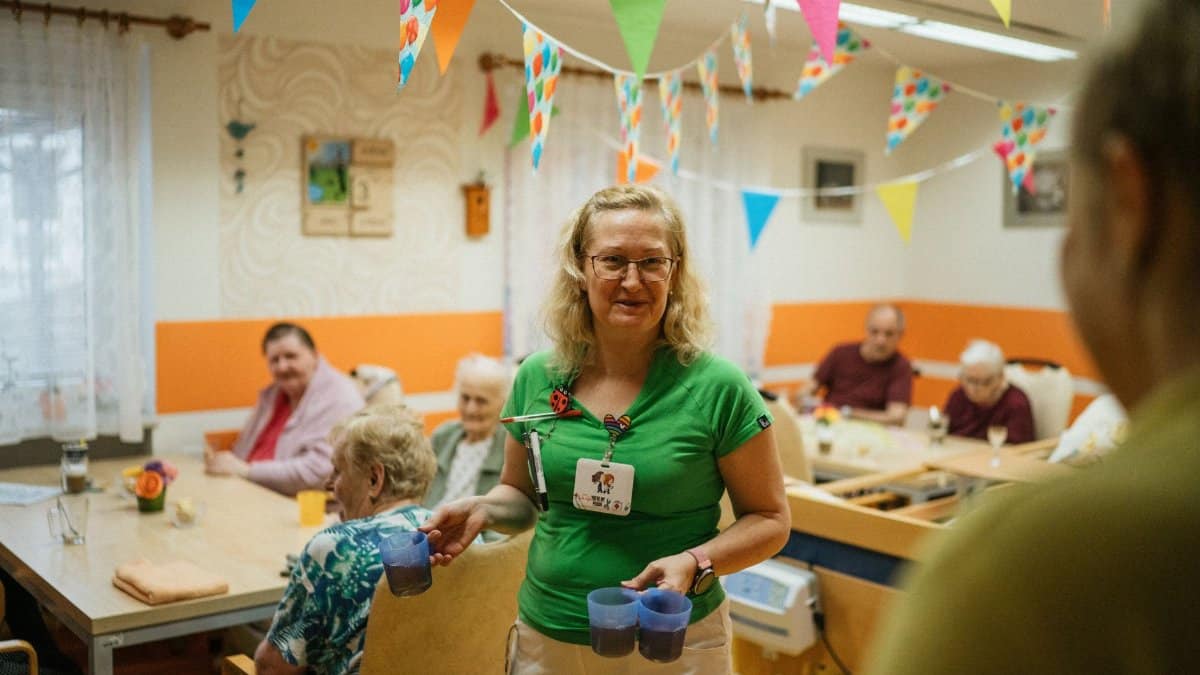
Assisted living occupies an uneasy place in American care. It is not a hospital and often not a nursing home. It sells independence with support: meals, medication reminders, help with dressing, and the assurance that someone is nearby. Families pay substantial fees for that assurance. They do not expect a loved one to be left in a room hot enough to endanger life.
That promise is moral as well as contractual. A community can be judged by how it treats people who cannot easily advocate for themselves. When heat becomes the test, marketing language about home like comfort is irrelevant. What matters is whether cooling works, whether rooms are checked, and whether a resident in distress is found before it is too late.
Families and the questions they are entitled to ask

Relatives reading about Hopkinton assisted living heat will ask questions that should have been routine long before a death. Who monitors room temperatures on hot days? What happens when a unit fails? How quickly is a repair made? How often does staff enter rooms of residents who stay in bed or who do not complain? Are backup cooling spaces identified, and can every resident actually reach them?
Those questions are not hostile. They are the minimum a family should pose during a tour, a care conference, or a summer heat wave. Facilities that answer clearly, with logs and protocols rather than reassurances, are doing the work the setting requires. Facilities that treat heat as a maintenance footnote are gambling with lives.
Cooling is basic care, not a luxury

In much of the country, air conditioning is discussed as comfort. In senior housing it is closer to a medical necessity during hot weather. A working system, a maintained filter, and a plan for outages belong beside medication management and fall prevention. When cooling fails, the response should look like an emergency plan: move residents, call for clinical help, document temperatures, and notify families.
Cost and aging buildings complicate the picture. Some facilities were built for milder summers. Equipment fails. Staffing is tight across senior care. None of that erases the duty. If a provider cannot keep rooms at a safe temperature, it cannot honestly claim to provide a safe home. Residents should not absorb the risk of deferred repairs.
Oversight after a death
A death in extreme heat should trigger more than condolences. State licensing agencies, local health officials, and where appropriate law enforcement and medical examiners have roles in determining what happened and whether rules were followed. Families and the public deserve to know whether temperatures were recorded, whether complaints were ignored, and whether additional incidents reflected the same unresolved problem.
Oversight works only if it is timely and specific. A fine issued months later does not cool a room this afternoon. Inspections that look at paperwork without entering resident rooms on a hot day can miss the very condition that matters. The additional reports after the death make the case for scrutiny that continues until the building is demonstrably safe, not merely until the headlines fade.
What other towns should hear in this story

Hopkinton is not the only place where summer now lasts longer and hits harder. Communities across New England and the rest of the country are seeing heat that older buildings and older care models were not designed to absorb. The lesson is portable. Every assisted living residence, nursing home, and senior apartment complex should treat extreme heat as a predictable emergency, the way they treat winter power loss or a contagious outbreak.
Local governments can help by tracking facilities during heat advisories, publishing inspection results in plain language, and making it easy for residents and workers to report unsafe rooms without fear. Regional planning that ignores senior housing will keep producing the same shocked headlines in different zip codes.
Workers caught between policy and a hot hallway
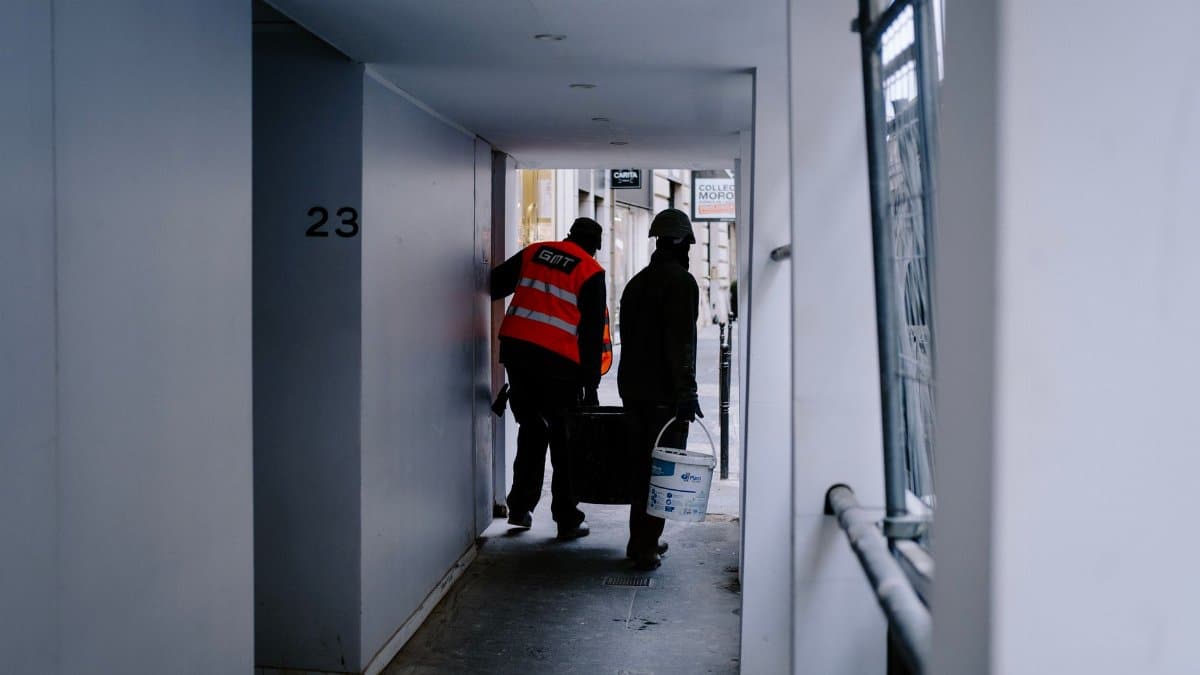
Staff in assisted living are often underpaid and asked to cover more residents than good care allows. A protocol on paper fails if the person on the evening shift cannot check every room, cannot get a supervisor to approve an emergency repair, or has been told that discomfort is normal in July. Blame that stops at the lowest paid worker misses the structure that left that worker without tools.
At the same time, professional duty is real. A room at 99 degrees is not a gray area. Training should make the expected action unmistakable: get the resident out, cool the body, summon medical help, and escalate until someone with authority responds. A culture that punishes staff for raising alarms is as dangerous as a broken air conditioner.
Dignity when the body is frail

There is a spiritual dimension to this story that does not require a sermon. Many traditions teach that the measure of a people is how they treat the frail, the old, and the stranger who cannot repay the care. A hot room where someone dies alone is a violation of that measure. It asks congregations, neighbors, and adult children to look past polite assumptions that a licensed building is automatically a safe one.
Visiting on the hottest days, asking about temperature logs, and refusing to accept vague answers are acts of loyalty. So is public attention that does not move on after a single news cycle. Dignity in late life is not an abstraction. It is a cool room, a glass of water, and a person who notices when something is wrong.
What accountability should look like

Accountability is not the same as rumor. It means a clear account of the timeline, the equipment, the staffing, and the medical facts, released as fully as privacy law allows. It means corrective action that families can verify: repaired or replaced cooling, independent temperature monitoring, extra checks during heat advisories, and consequences if rules were broken. It means the additional incidents are investigated as part of the same problem, not filed away as separate misfortunes.
Residents who remain in the building need protection now, not only a report later. Transfers, temporary cooling, and transparent updates should be on the table if the operator cannot show that every occupied room is safe. Silence, in a case like this, reads as indifference.
A standard worth insisting on

Readers far from Hopkinton can still use this moment. Ask the facility that cares for someone you love what the indoor temperature was at 3 p.m. yesterday. Ask who would have known if it had reached the mid 90s. Ask what happens in a power outage. Write those answers down. If they are vague, treat that vagueness as information.
The death of a woman in a 99 degree room should not become a seasonal anecdote. Hopkinton assisted living heat is a warning about what happens when comfort is confused with safety and when oversight arrives after the worst has already occurred. Older adults do not need perfection from the places entrusted with their days. They need the ordinary protections that keep a hot afternoon from becoming a fatal one, and they need the rest of us to insist on those protections before the next heat wave tests another closed door.