
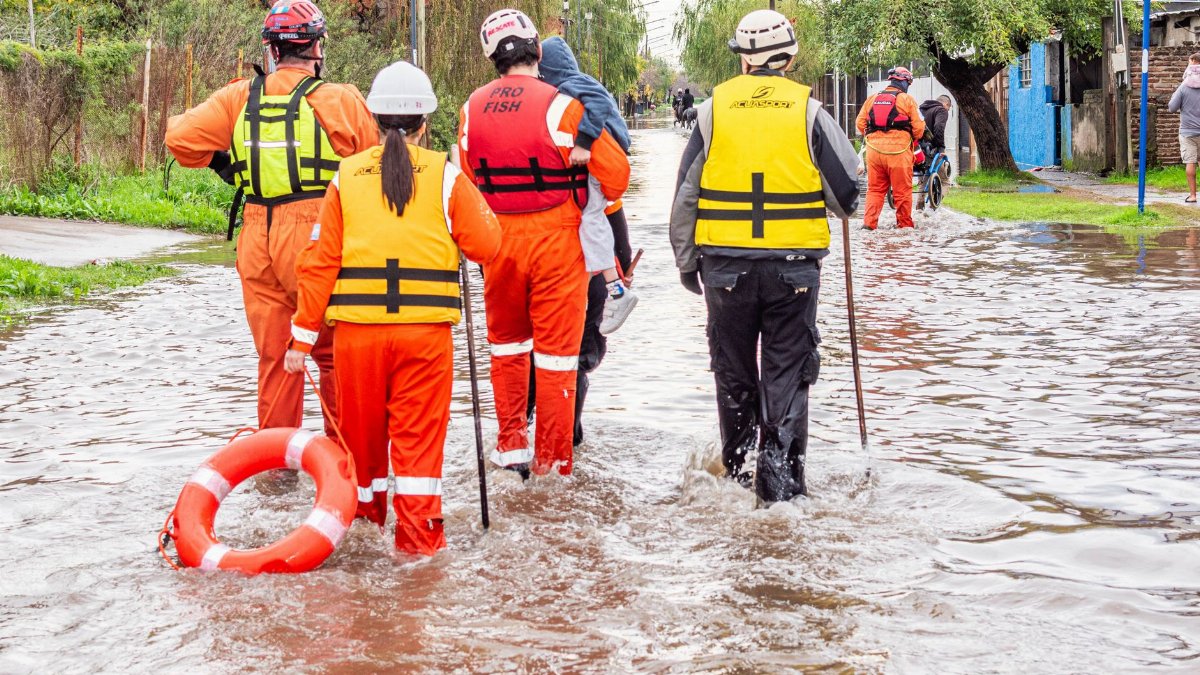
On a soaked afternoon in Broward County, water stood where traffic should have moved, and neighbors waded past stalled cars with bags held overhead. The image was blunt enough that Rep. Debbie Wasserman Schultz reached for a plain description: streets looked like rivers. After back to back storms soaked Fort Lauderdale and Pompano Beach, she argued that local crews and state emergency accounts cannot carry the full cost of cleanup, housing repairs, and business losses. That is why South Florida flood aid has moved from a seasonal talking point to an urgent request in Washington. Residents already know the drill of sandbags and ruined drywall. What they do not know is how quickly federal dollars, if approved, will reach the blocks that took the hardest hit.
Streets That Became Rivers
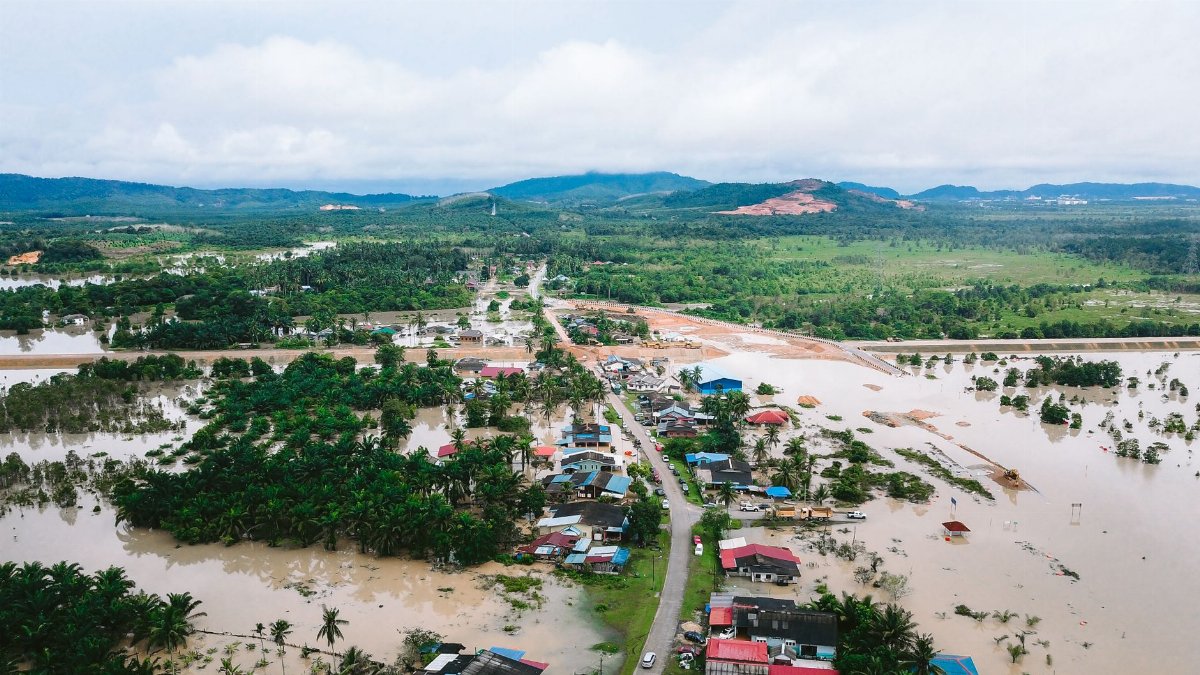
The comparison was not poetry. In low lying blocks of Fort Lauderdale and in parts of Pompano Beach, storm water rose fast enough to cover curbs, creep into garages, and stall engines. Drivers left cars where they stopped. Shop owners watched boxes swell and split. For people who live with the Atlantic a few miles east and canals a few blocks west, a heavy rain is never only a weather story. It is a test of drains, pumps, insurance, and patience. Wasserman Schultz used the river image because it matches what cameras and neighbors recorded after the storms: water moving where asphalt should have been dry. Local public radio carried her account, and the phrase traveled because it was accurate, not because it was clever.
A Call For Federal Help
She has asked that the region be treated as a place that needs South Florida flood aid, not as a place that can simply wait out the next sunny afternoon. Federal disaster programs exist for stacked damage, when one storm follows another before drywall has dried and before small businesses reopen. The request is political in the ordinary sense that Congress and the White House control the purse. It is also practical. City public works crews can pump streets. They cannot, by themselves, replace a region’s worth of flooring, vehicles, and lost wages. Waiting for a clear sky is not a recovery plan. It is a pause that mold does not respect.
What The Money Is For

Aid, if it comes, is not a single check mailed to a county line. It can mean help for households, public money for roads and pump stations, and temporary housing when apartments are unlivable. It can also mean the slower work of lifting equipment, clearing canals, and protecting electrical gear that fails when water reaches it. Residents hear the words federal aid and picture speed. People who have lived through earlier floods in this corner of Florida know the paperwork can feel as heavy as the water. The case being made in Washington is that delay has its own price, counted in closed storefronts, soft walls, and families doubled up with relatives while contractors are booked for weeks.
Fort Lauderdale After The Storms
Fort Lauderdale has spent years arguing with water. King tides lift the Intracoastal. Afternoon storms can drop inches in a short burst. The latest systems arrived before the last puddles had fully left some neighborhoods. That sequence matters. Soils were already saturated. Drains were already working near their limit. When the second storm hit, there was less room for the water to go. Streets that usually clear by morning stayed covered. The congresswoman’s point is that repeated inundation is not a surprise anymore. It is a pattern, and patterns require a response larger than one city budget cycle. A single cleanup weekend does not reset a drainage system that was asked to do too much, too soon.
Pompano Beach Counts The Cost
Pompano Beach sits just north, with its own canals, older housing, and commercial strips that depend on customers who can actually reach the door. When streets look like rivers, a restaurant does not merely lose a lunch shift. It may lose refrigerators, flooring, and a week of wages for hourly workers. Renters often have less room to absorb that shock than owners with savings. A fair reading of South Florida flood aid is that it has to reach both the household with a ruined sofa and the employer who cannot make payroll. Otherwise recovery splits along the same lines as the flood itself: deeper in the low blocks, lighter on the high ground. The map of damage is also a map of who can wait.
Why This Coast Floods So Easily
Geography is not an excuse, but it is the starting fact. Much of coastal Broward was built close to sea level, on land shaped for houses, roads, and canals that once made development possible. Those same canals can carry heavy rain and, in worse events, surge into places that feel inland. Sea level has been rising. Intense rain bursts have become a familiar feature of warm months, and as this stretch of weather showed, they do not obey a neat calendar. Pumps and sea walls help. They do not repeal physics. When Wasserman Schultz talks about federal help, she is talking about a landscape engineered for a milder routine than the one residents are living now. Maintenance still matters. Climate still arrives anyway.
Insurance And The Gaps It Leaves

Flood insurance is the tool Americans are told to buy, and many in this region do. Many do not, especially renters, or people who dropped a policy when premiums climbed past what a paycheck could hold. Even a paid policy can leave gaps: depreciation, living costs that run out, cars that a standard homeowner policy may not cover the way people expect. Federal help is not a substitute for insurance, and officials should not pretend that it is. It is a backstop when a disaster exceeds what private coverage and local budgets can handle. That distinction will matter if critics argue that Florida should pay its own way. The storms did not pause to ask who had a policy in a drawer. They flooded the insured and the uninsured alike.
Schools, Shifts, And Ordinary Life

Flood damage is easy to film and hard to schedule around. Parents still have to get children to class when the usual road is closed. Nurses still have shifts. A missed day is not only an inconvenience. For hourly workers it can be rent. For students it can be a test, a meal, or the only quiet room they had. Cities can open shelters and set detours. They cannot invent spare time. That is another reason a regional request belongs in Washington rather than only at a city commission microphone. The visible mess in the street is the start of the story. The rest is a week of rearranged lives, phone calls to landlords, and the slow smell of wet carpet that no press conference can air out.
Faith Halls And Neighbors

In a region where congregations are part of the civic fabric, storm recovery often starts in a fellowship hall before it starts in an agency office. Volunteers sort clothes. Someone plugs in a coffee urn. A pastor, priest, rabbi, or imam knows which homebound members cannot reach a shelter. That neighborly work is real, and it should be honored without being romanticized. It does not replace pumps, claims adjusters, or a congressional appropriation. Still, any serious account of South Florida flood aid has to include the people who show up with mops while the debate in Washington is only beginning. Care is not the same thing as capacity. Both are needed, and confusing one for the other leaves the hardest hit blocks to charity alone.
The Politics Of Saying Yes

Disaster aid used to pass with less theater. In recent years it has sometimes been tied to unrelated fights, delayed, or trimmed until the pictures have faded from national television. Florida’s delegation, including Wasserman Schultz, will have to make a case that is specific: named cities, visible damage, a clear request. Skeptics will ask whether this was a disaster or a bad rain, whether local governments maintained their drains, and whether repeated help creates repeated dependence. Those questions are fair if they are asked in good faith and answered with evidence, not slogans. They become unfair if they are used to stall help for people whose cars are already ruined and whose walls are already soft. Scrutiny is not the same as refusal.
What Comes Next

The next days will show whether the request moves from a statement to a formal disaster declaration and then to actual dollars. Residents should watch three things: whether household help is approved, whether public infrastructure money covers pumps and roads rather than only debris, and whether aid reaches renters as well as owners. They should also watch the weather. Another heavy rain before repairs finish would turn a recovery into a second emergency. South Florida flood aid is the phrase on the table because the pictures already made the argument. Streets looked like rivers. The question now is whether the country that built those streets will help put them back, and whether it will do so before the next sky opens.