
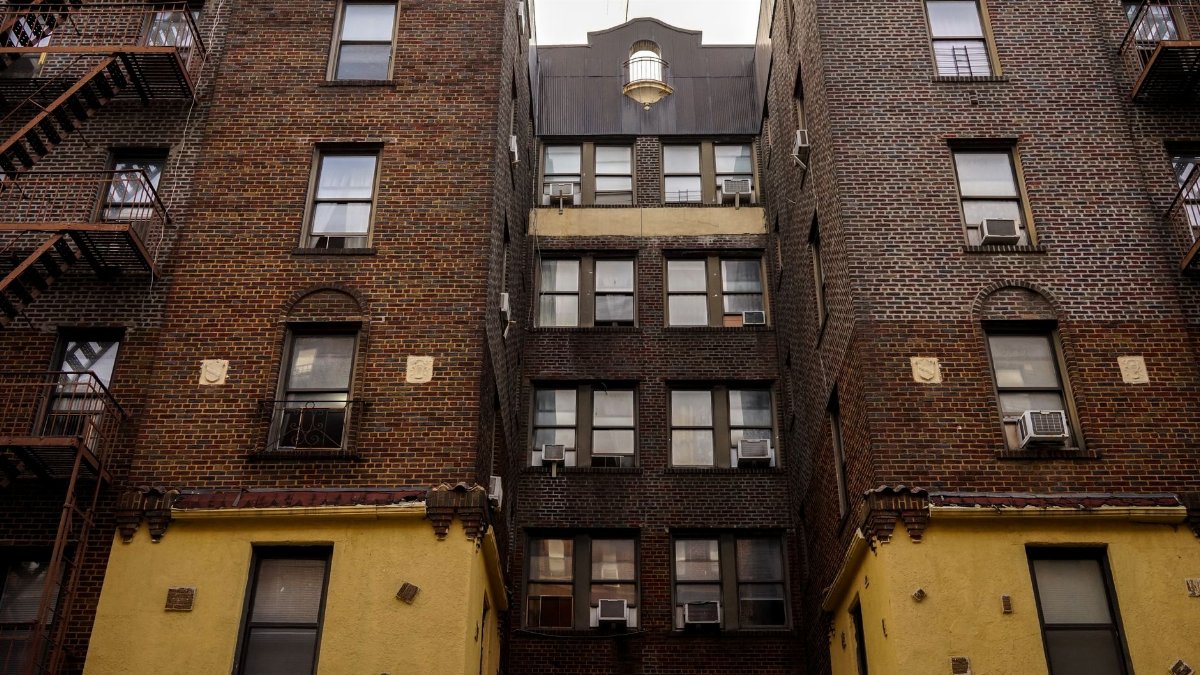
Before dawn on Thanksgiving, when most kitchens in St. Paul were still dark and the only traffic was a delivery van or a late shift heading home, smoke found a building in the West Seventh neighborhood. Residents woke to alarms, pounding, and the particular cold that comes when a door is left open in November. A St. Paul apartment fire early that morning left every unit in a sixteen unit building uninhabitable and sent thirty six people into a holiday they had not planned to spend elsewhere. No one was hurt. That fact held, and it did not make the morning smaller.
What the first light showed
By the time the street filled with engines, the question was no longer whether people could stay. It was what they could carry. A holiday morning compresses ordinary choices. Coats, medications, a phone charger, a child’s stuffed animal, the lease papers in a kitchen drawer: each item becomes a vote about the next week. Fire crews do this work in every season, yet Thanksgiving adds a public clock. Relatives are already on the road. Ovens are promised. Tables are counted in place settings that no longer match the guest list.
Early accounts described a complete loss of habitability across all sixteen units. That is a blunt municipal phrase. It means heat, water, walls, and privacy failed together. It means the building, whatever its age and whatever investigators later conclude about the origin, stopped being a home in a single night. For the people inside, the official language arrives later. The first language is smoke, shouting, and the decision to leave.
A count that is also a neighborhood
Thirty six residents is not an abstraction. It is a small census of a block: workers who had the day off, elders who do not move quickly, roommates who share a kitchen, families who had already bought the groceries. West Seventh is a part of the city where older rental buildings still do the quiet work of housing people who cannot, or do not wish to, live in newer stock farther out. When one of those buildings fails all at once, the loss is architectural and social at the same time.
Displacement on a Thursday that happens to be Thanksgiving is not more tragic than displacement on an ordinary Tuesday. It is more visible. The city notices because the contrast is sharp. Elsewhere, people are passing dishes. Here, people are asking where they will sleep, whether a pet was found, and which relative can take two extra guests without a speech about inconvenience.
The mercy of no injuries

No injuries is the sentence everyone wants, and it deserves to be said plainly. Fires that empty a building can still take lives in the stairwell, in a back bedroom, in the hesitation of someone who goes back for a wallet. That this one did not is the result of alarms, of neighbors, of crews, and of luck that no serious person should romanticize. Luck is not a safety plan. It is a fact about one morning.
Relief and grief can occupy the same hour. People who walk out unburned still lose photographs, immigration documents, the only winter coat that fits, the rent already paid for a room they cannot enter. Insurance, if it exists for contents, moves on a timetable that has nothing to do with a holiday. Landlords and tenants will eventually argue, in offices rather than on sidewalks, about deposits, habitability, and who bears which cost. Those arguments are legitimate. They are also cold when someone is standing in slippers on a November curb.
Questions the investigation will have to answer
Every serious fire leaves a list. How did it start. How fast did it move. Were detectors working. Were exits clear. Was the building current on the inspections a city of this size requires of older rentals. Those questions belong to fire investigators and to housing officials, not to rumor on a sidewalk. Early hours are a poor time for certainty about cause. They are an excellent time for certainty about consequence.
Readers should be wary of any account that names a culprit before the evidence does. Cooking, electrical faults, heating equipment, smoking materials: the familiar list is not a finding. It is a menu of possibilities that investigators narrow with burn patterns and interviews. Publishing a guess as a fact helps no one who lost a home and can harm someone who is blamed without proof.
Where thirty six people go next
The practical problem begins the moment the hoses are rolled. A city cannot invent sixteen vacant apartments on a Thursday. Hotels fill with visiting families. Shelters run on rules that do not always fit a household of four, a night shift worker, or a person who needs a refrigerator for medicine. Friends take people in for a night or two. That generosity is real, and it has a ceiling. Couches are not housing policy.
In disasters of this scale, the American Red Cross and local emergency managers often become the first organized bridge between the curb and a bed. Whether that bridge was fully in place within hours is a detail for official updates, not for speculation. What can be said without inventing a timeline is simpler. Thirty six people needed somewhere warm before the football games started. Some of them will need that somewhere for weeks. A building declared uninhabitable does not become livable because the holiday ends.
Faith communities and the work of ordinary mercy
Thanksgiving sits inside a religious and civic story about gratitude, welcome, and enough food for the unexpected guest. In St. Paul, congregations along and beyond West Seventh have long treated that story as a logistics problem as much as a sermon. Spare rooms in parish houses, donated gift cards, rides to a pharmacy, a hot meal that is not a performance of charity: these are the tools. They do not rebuild a wall. They keep a person from spending the night in a car.
There is a spiritual question hiding in the municipal one, and it does not require a creed to ask. What do we owe the neighbor whose loss is sudden, total, and inconvenient to our plans. Many religious traditions answer with hospitality that costs something. A secular city can answer with the same practice under a different name: mutual aid, tenant support, a spare key. The name matters less than whether the bed is real by nightfall.
Gratitude, in this setting, is not a mood. It is a discipline that has to survive bad news. The people who got out can be thankful for their lives and furious about their losses in the same breath. Communities that only know how to celebrate survival will miss the harder work of restoration. Communities that only know how to litigate blame will miss the person who needs a coat before the blame is assigned.
Older buildings and the city’s quiet bargain
St. Paul, like many older American cities, depends on a stock of small apartment buildings that are neither new luxury nor publicly owned. They are often wood frame, close to the sidewalk, and priced for people who work in hospitals, restaurants, warehouses, and schools. That bargain holds only if the buildings are maintained, inspected, and equipped with working alarms and safe exits. A single morning does not prove a systemic failure. A pattern of morning after morning would.
Residents of such buildings live with a trade. Lower rent, thinner walls, older wiring, landlords who may be attentive or absent. After a fire that empties every unit, the trade is exposed. The public interest is not only in finding a cause. It is in asking whether the rules already on the books were followed, and whether those rules are strong enough for the way people actually live: space heaters in cold snaps, overloaded outlets, kitchens used by more adults than the unit was designed for.
None of that analysis should be used to scold people who escaped. Fire safety talk that starts with blame for tenants and ends there is a way of avoiding harder owners, harder budgets, and harder politics. The honest version holds several truths at once. Individuals can start fires through carelessness. Buildings can spread fires through neglect. Cities can understaff the inspections that would have caught the neglect. A serious account refuses to pick only the truth that flatters its audience.
The holiday as a measure, not a metaphor

It is tempting to turn the morning into a lesson about what really matters. That temptation should be resisted, or at least slowed down. The people displaced did not volunteer to become a parable. They had menus, travel plans, and private arguments like anyone else. The St. Paul apartment fire interrupted those plans. It did not reveal a hidden moral ranking in which stuffing is trivial and survival is profound, as if the two were not already understood.
What the holiday does provide is a measure of response. How quickly can a city move people from a sidewalk to a bed. How quickly can donations become specific: sizes, medications, bus passes, school supplies if children are in the building, pet crates, chargers. How carefully can journalists and neighbors avoid circulating a cause that investigators have not established. Speed without accuracy is its own kind of harm. Accuracy without speed leaves people cold.
What restoration actually requires
Reoccupying a damaged apartment house is not a weekend project. Smoke, water, and structural questions can keep a building closed long after the visible flames are gone. Tenants may have rights to notice, to the return of property that can be salvaged, and to the handling of prepaid rent. Those rights live in leases and in state and local law. They are enforced, when they are enforced, by people who know how to ask. A resident standing in a hotel lobby on Friday morning is not always that person. Legal aid, tenant unions, and city housing staff exist for this gap. Whether they are reachable over a holiday weekend is part of the story of whether the safety net is a net or a slogan.
Landlords, too, face a sudden stop in rent and a sudden start in contractors, insurance adjusters, and liability questions. Sympathy for an owner is not the same as silence about conditions. A fair public conversation can acknowledge both the shock to a small landlord and the nonnegotiable duty to provide a building that does not become a trap. If investigators find code failures, those findings should be public in the ordinary way, not whispered as neighborhood folklore.
Memory, ritual, and the week after
Some of the displaced will sit down to a late meal on Friday or Saturday in a relative’s house and try to perform normalcy. Some will not have that house to go to. Ritual still matters for the second group. A shared plate in a church basement, a quiet service that does not demand cheerfulness, a neighbor who remembers a name: these are small restorations of personhood. They do not replace a lease. They keep despair from being the only story available on a weekend when the rest of the country is posting photographs of tables.
Journalism has a narrow job here. Report what is known. Mark what is not. Resist the urge to cast thirty six people as symbols of resilience before they have asked to be cast that way. Resilience is often a word outsiders use when they are relieved that someone else endured something. The people who endured it may prefer a working smoke detector, a returned security deposit, and a room with a lock.
A city that keeps count
By the end of the weekend, the sirens will have moved to some other block. The St. Paul apartment fire will remain, for the households involved, the event that split the year into before and after. Sixteen units. Thirty six residents. No injuries. West Seventh. Those are the facts that can be stated without embroidery. Around them, a decent city organizes beds, answers, and a path back to ordinary mornings.
Thanksgiving will be remembered, by those who were not there, as a day of food and family. It will be remembered by those who were there as the day the building ended. Both memories can be true. The test is whether the second memory produces more than sympathy. Housing that is inspected, alarms that work, exits that are clear, and a civic habit of taking people in when the count suddenly changes: that is the unsentimental form of gratitude. It does not photograph well. It is how a neighborhood proves it meant the welcome it advertises once a year.