

On a gray morning along the Schuylkill, a research nurse checks a freezer log before the first patient arrives. The vials are small. The calendar on the wall is not. Families in the Philly area have learned to treat experimental medicine as a long appointment rather than a miracle, and cancer vaccine trials are back in that appointment book after years when many scientists had stopped promising much at all.
A clinic morning measured in consent forms
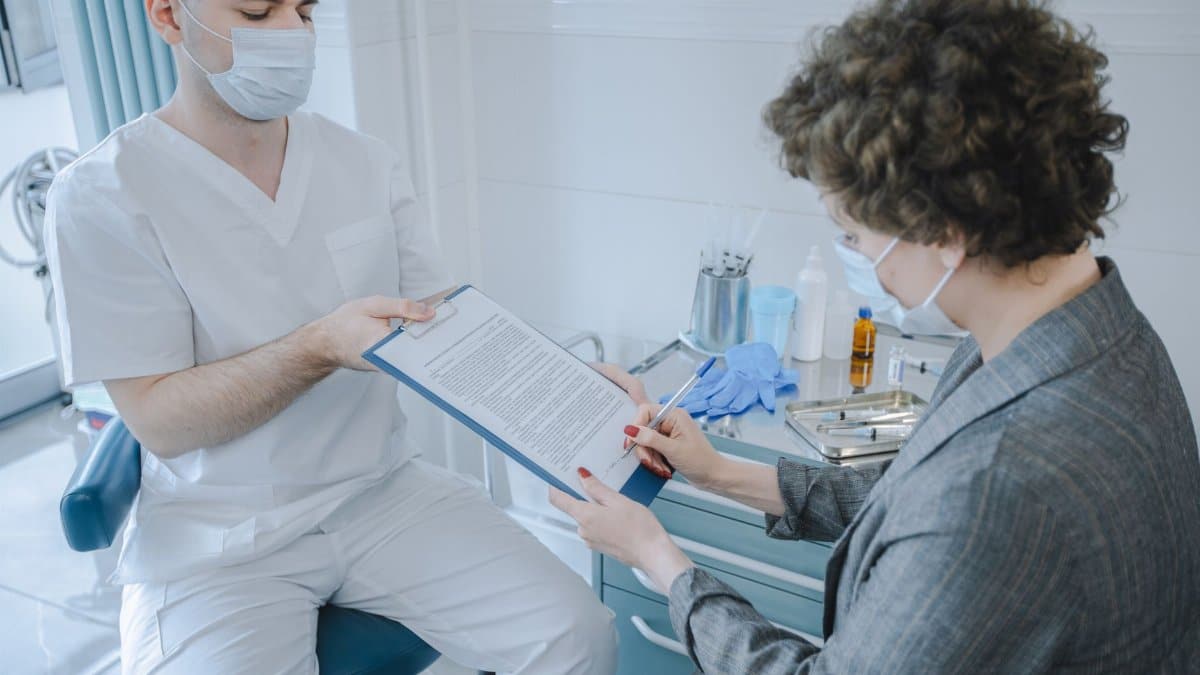
The scene is ordinary in the way serious medicine often is. Someone signs a form that runs many pages. Someone else explains that a vaccine, in this setting, is not the shot that keeps a healthy person from catching the flu. It is an attempt to train immune cells to notice a tumor that has already learned how to hide. The language is careful because the history is not. For decades, similar ideas produced headlines, then silence, then a quieter kind of disappointment in waiting rooms from Center City to the suburbs.
That caution is the right starting point. Hope is not a data point. A consent form is not a cure. What has changed is the quality of the tools used to build these products, and the honesty with which investigators now describe what a single study can and cannot show.
What cancer vaccine trials are built to answer

A therapeutic cancer vaccine is meant to work after diagnosis. Researchers identify proteins that appear on malignant cells more than on healthy ones, or mutations unique to one person’s tumor. They then present those targets to the immune system, often with an immune stimulating partner, and watch whether T cells expand, whether scans change, and whether the cancer waits longer before returning.
The National Cancer Institute keeps a plain language overview of this approach, which is worth reading before any family meeting: cancer treatment vaccines. The page does not sell a product. It explains a category. That distinction matters when a relative forwards a social media post that treats every early result as a finished therapy.
Decades of setbacks that were not just bad luck

The field did not stall because scientists lacked imagination. Tumors are skilled at exhausting immune cells, at shedding the very markers a vaccine was designed to chase, and at surrounding themselves with tissue that dampens attack. Early vaccines often aimed at targets shared by many patients. Those targets were easier to manufacture. They were also easier for cancer to ignore, and sometimes they resembled proteins on normal organs, which forced researchers to keep doses timid.
Trials were frequently small. Patients entered late, after several other treatments had already worn down their immunity. Success was defined in ways that looked encouraging in a conference abstract and thin in a later review. Journals published the wins. The quiet failures piled up in binders. By the time checkpoint inhibitor drugs began to change practice in melanoma and other cancers, many investors had moved on, and vaccine research looked like a closed chapter rather than an unfinished one.
Teaching immune cells to recognize a private target
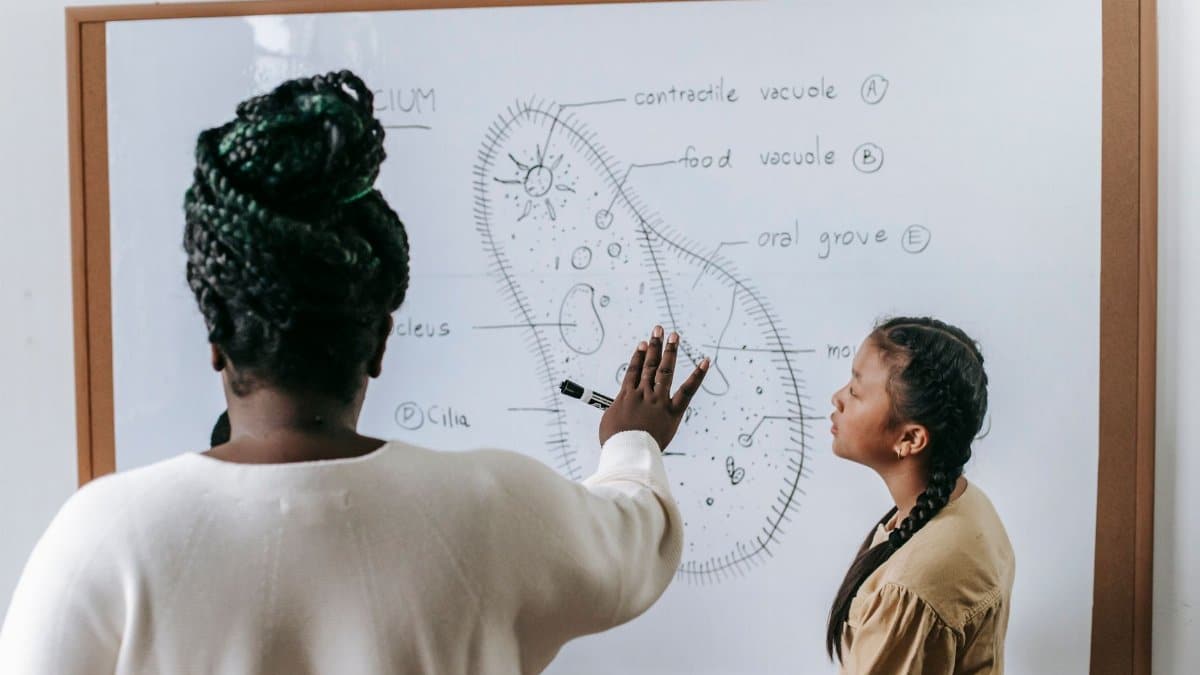
The newer wave starts with sequencing. A laboratory reads mutations in a surgically removed tumor, predicts which fragments might sit on the cell surface, and builds a vaccine around a short list of those fragments. Some products use peptides. Some use DNA. A highly watched branch uses mRNA, the same basic platform that became familiar during the coronavirus pandemic, though the medical purpose here is different and the development path is slower.
Personalization is the attraction and the burden. A shot made for one patient cannot be stocked like a standard vial. It has to be designed, manufactured, checked, and released while that person is still well enough to receive it. Cancer vaccine trials that depend on this model are as much logistics studies as biology studies. A delay in shipping can matter as much as a delay in an immune response.
Why Philadelphia is part of the map
University of Pennsylvania researchers helped make cellular immune therapy a real clinical option, and that reputation now sits beside vaccine work rather than instead of it. Thomas Jefferson University has its own immunotherapy laboratories and a patient population that stretches across the city and the nearby counties. Neither campus is a synonym for a finished vaccine. Both are places where tumor samples, immune monitoring, and trial infrastructure already exist, which is what a field needs when it tries again after public skepticism.
Readers should separate institutional pride from evidence. A Philadelphia address does not make a result stronger. What it can offer is continuity: pathologists who have handled these specimens for years, nurses who know how to watch for immune side effects, and statisticians who have seen promising curves flatten. That local depth is why families hear about openings here before they hear about them in a national advertisement.
Signals that deserve attention and signals that do not
Early studies sometimes show immune cells multiplying on a lab assay, or a lower rate of recurrence when a vaccine is added to an existing drug. Those findings can be real and still fail in a larger test. History in this field is full of encouraging phase two stories that did not survive the next step. The adult question is not whether a graph looks hopeful. It is whether the comparison group was fair, whether the benefit showed up in survival or only in a scan measurement, and whether the patients resembled the person now sitting in the consult room.
Public registries help with the first layer of scrutiny. ClinicalTrials.gov lists many studies with their stated goals, eligibility rules, and sponsoring institutions. A listing is not proof of quality. It is a way to see whether a trial is still recruiting, what it claims to measure, and whether the design includes a control group. Families who read that page before the visit tend to ask better questions than families who arrive with only a headline.
Side effects, calendars, and the unglamorous middle

Vaccines of this kind can cause fever, fatigue, injection site pain, and immune related inflammation. When they are paired with checkpoint drugs, the side effect list belongs to both treatments, and clinicians have to sort out which one is responsible. Monitoring visits continue long after the last dose because recurrence, not the drama of infusion day, is the endpoint that matters.
The middle of a study is where romance leaves. Scans arrive on ordinary Tuesdays. Blood is drawn. A coordinator calls about a scheduling conflict. Patients keep jobs when they can and rearrange caregiving when they cannot. Any honest account of cancer vaccine trials has to include that calendar, because a therapy that works only for people who can travel to a research hospital every few weeks is a narrower promise than the press language suggests.
Eligibility is a door, not a moral judgment

Most studies want a specific cancer type, a specific stage, prior treatment within a defined window, and enough organ function to tolerate immune stimulation. Some require fresh tumor tissue. Some exclude people with autoimmune disease. These rules protect participants and protect the interpretability of the data. They also leave people out, including people who were diagnosed in community hospitals where tissue was not stored in the way a sequencing lab requires.
That gap is not a personal failure. It is a design choice with social consequences. If vaccine studies cluster at large academic centers, patients without paid leave, a car, or an English speaking advocate will hear about them late or not at all. Philadelphia’s research hospitals serve a wide region, yet access still tracks insurance, referral habits, and the simple fact of who gets offered a second opinion.
Manufacturing, money, and the quiet bottleneck

Even a beautiful immune concept dies if the product cannot be made on time and at a standard regulators will accept. Personalized batches are expensive. Clean room time is limited. A single failed quality test can erase weeks. Sponsors, including drug companies and academic groups, have to decide whether to fund that complexity while larger trials of more familiar drugs compete for the same patients.
The Food and Drug Administration’s overview of the drug development path, available at the agency’s patient guide to development, is a useful reminder that promising human data is a middle chapter. Manufacturing controls, larger comparisons, and post approval watching all remain. A local investigator can be excellent and still be dependent on a supply chain that the patient never sees.
How to read a Philadelphia headline without being used by it
Local coverage is valuable when it names the limits. It becomes a problem when it borrows the language of a breakthrough from a conference poster. Ask whether the story distinguishes prevention from treatment. Ask how many people were treated. Ask whether the comparison was randomized. Ask what happened to people who were not in the photographed success. Those questions are not cynicism. They are how a reader stays loyal to patients who will never be interviewed.
Investigators at Jefferson and Penn are working inside a national and international effort, not a municipal secret. The useful local detail is practical: which departments are recruiting, how referrals move, and what support exists for travel and lodging. The less useful detail is any sentence that treats a university brand as a substitute for published methods.
Questions worth asking before a signature

A good consult can hold both urgency and restraint. Patients and families can ask what the vaccine is meant to target, whether it is made from their own tumor, what drug it will be combined with, and what the study is powered to detect. They can ask who pays for scans that are required only by the protocol, what happens if manufacturing is delayed, and how side effects will be reached after hours. They can ask what standard treatment they would receive if they decline.
They can also ask for the written consent and a night to read it. Speed is sometimes medically necessary. It is rarely improved by shame. Oncologists who run these studies seriously expect those questions. The visit that cannot tolerate them is not a visit to trust.
The human stake beneath the science
People do not enter these rooms as data points, even when the protocol treats them that way on paper. Some describe the wait as a spiritual discipline, a practice of staying present without pretending to know the ending. Others want no religious frame at all and simply want fewer vague promises. Both stances belong in the clinic. Medicine does not get to draft a patient’s inner life, and journalism should not either.
What reporting can do is refuse false comfort. A vaccine study can be worth joining because the question is important and the monitoring is serious, not because a city has decided it is due for good news. Grief and gratitude can share a hallway. Neither one rewrites a Kaplan Meier curve.
What promise should sound like now

The fairest summary is modest. Better sequencing, better immune drugs, and harder lessons from past failure have made another serious attempt rational. Cancer vaccine trials in and around Philadelphia are part of that attempt, not proof that the attempt has already succeeded. If larger comparisons confirm durable benefit, in survival and not only in laboratory enthusiasm, the field will have earned a different tone. Until then, the responsible sentence is the one a careful nurse can say without flinching: we are testing this, we will watch you closely, and we will not pretend the past did not happen.
That sentence is less shareable than a cure. It is also how a city with deep scientific talent keeps faith with the people who show up, sleeves ready, still willing to be studied after so many earlier stories ended in a shrug.