
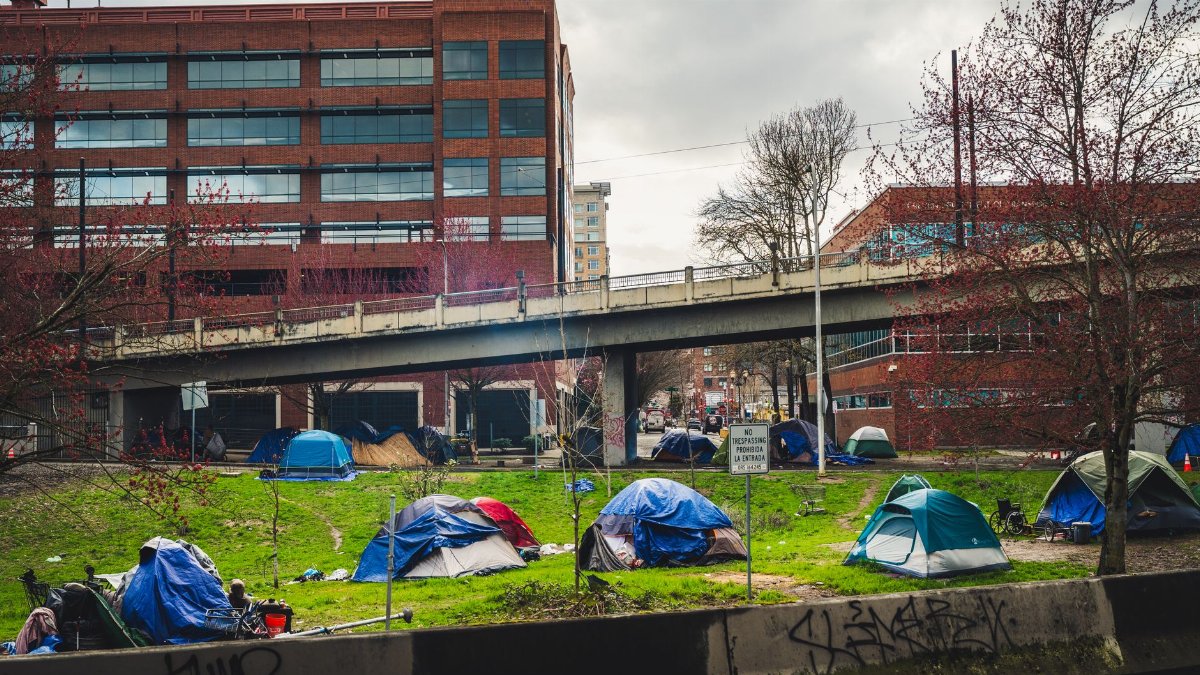
City officials announced that clearing efforts at Pigs Eye Park will begin on August 5 2026 as part of a broader response to persistent challenges tied to St. Paul homeless encampments. The decision comes after months of monitoring conditions that include repeated fires and multiple overdose incidents reported by emergency responders. Local leaders emphasize that the action pairs enforcement with offers of shelter and case management for those affected. Residents nearby have expressed mixed reactions ranging from relief over improved access to trails to worries about where people will go next. Data from county health records shows a steady rise in service calls to the area over the past year. Advocates note that solutions require more than removal and point to the need for expanded permanent housing options across the metro region.
Reasons Behind the Clearance Timeline

The August start date allows time for outreach teams to connect with individuals living in the park before equipment arrives. Officials selected this window to avoid peak summer heat that could complicate moves to temporary shelters. Coordination between police fire departments and social service agencies forms the core of the operation. Past clearances in other city parks revealed that advance notice reduces confrontations and helps track where former residents relocate. The approach reflects lessons from similar actions taken in recent years across Minnesota urban centers.
Health and Safety Concerns at the Location
Inspectors documented piles of discarded materials that block pathways and create fire hazards during dry periods. Paramedics responded to several overdose events in recent months prompting calls for immediate intervention. Standing water near tents raised fears of disease spread among both occupants and visitors to the green space. City reports highlight how limited sanitation facilities contribute to these issues over time. Removing the structures aims to restore the area for public use while directing people toward sites with better support systems.
Support Services Offered to Residents

Teams from nonprofit partners will visit daily in the weeks leading up to August 5 to discuss housing vouchers and treatment programs. Transportation to assessment centers will be available at no cost for those who choose to accept help. Case workers plan to follow up after the clearance to ensure continuity of care. Funding from state grants covers the added staffing needed for this phase. Success depends on available bed space in shelters which remains tight during warmer months.
Community Reactions From Nearby Neighborhoods

Some families living close to the park welcomed the news citing improved safety for children walking to school. Others voiced concern that displacement alone fails to solve underlying housing shortages. Public meetings held last month drew crowds eager to share personal stories about encounters in the area. Business owners along adjacent streets hope foot traffic returns once the site is cleared. These varied perspectives illustrate the complex balance city leaders must strike.
Policy Context for Encampment Management
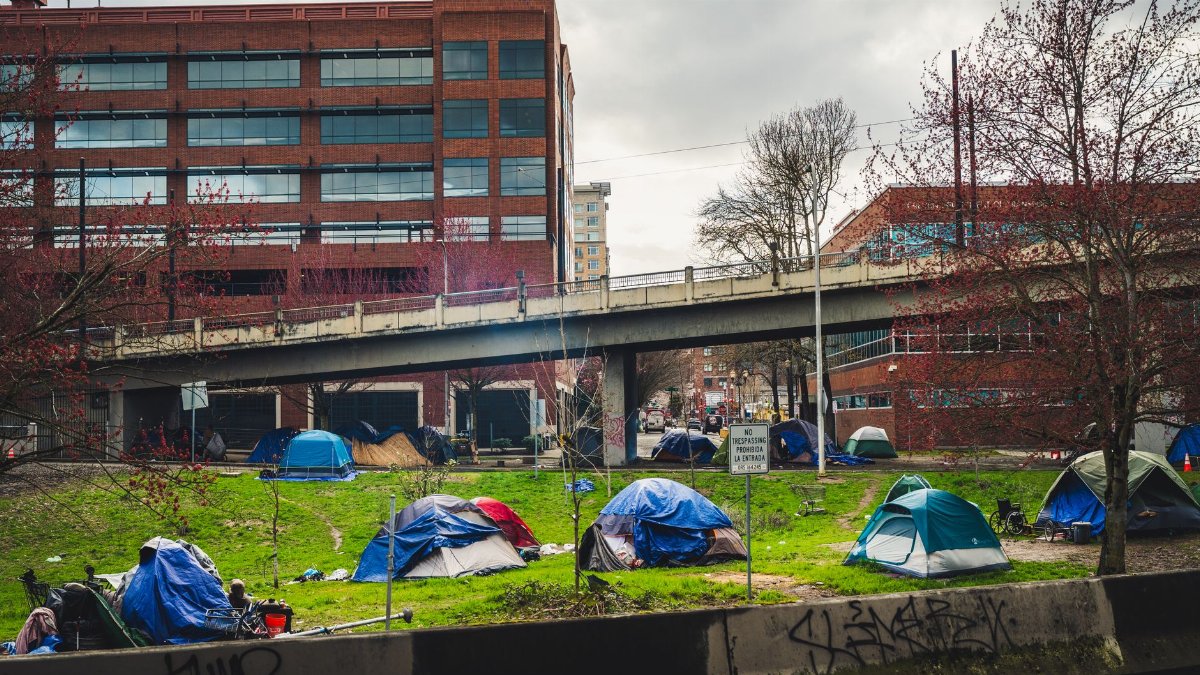
St. Paul follows guidelines developed with input from legal advocates and public health experts. The policy requires documented offers of assistance before any removal begins. Court rulings in similar cases nationwide have shaped how municipalities handle such situations. Local ordinances allow enforcement when risks to health or property become evident. This framework seeks to protect both vulnerable populations and the wider public.
Comparisons With Other Regional Efforts

Minneapolis conducted parallel clearances earlier this year with mixed outcomes reported by monitors. Duluth adopted a slower phased model that some observers recommend studying. Data shared among metro counties shows varying success rates based on housing availability. St. Paul officials reviewed those examples when setting their own schedule and support levels. Regional cooperation continues to grow as cities face similar pressures.
Potential Long Term Outcomes

Planners expect the park to reopen fully within weeks after the operation ends. Monitoring will continue to prevent new structures from appearing. Broader investments in affordable units remain essential to reduce future pressures on green spaces. Tracking where individuals end up provides insight for refining future responses. The episode highlights ongoing debates about urban space and social services.
Role of Local Government and Partners

The mayor office coordinated with Ramsey County and state agencies to secure resources. Regular updates to the public will come through city websites and community forums. Feedback channels allow residents to report new developments after the initial clearance. This collaborative model builds on established networks formed during prior events. Accountability measures include post action reviews shared with the council.