
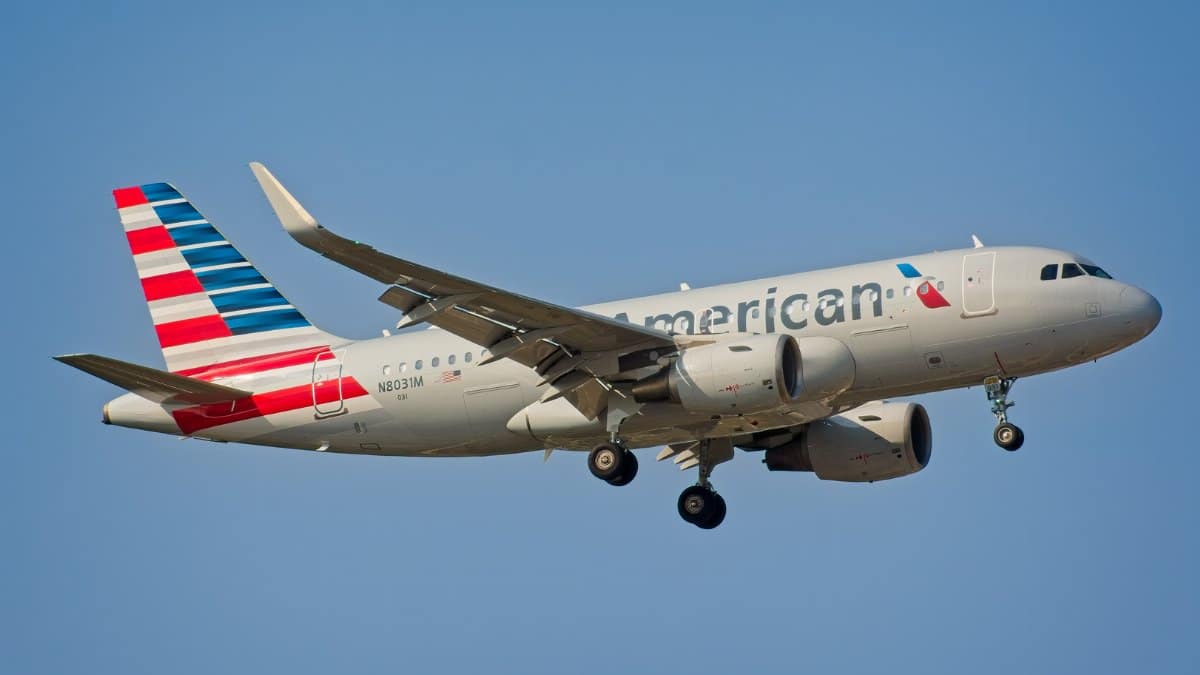
In the vibrant cityscape of Rio de Janeiro, where soccer reigns supreme, a new chapter in sports history is unfolding as American football makes its debut on Brazilian soil. Preparations for this pioneering contest have drawn attention to the logistics behind the scenes, particularly the role of Cowboys American Airlines Brazil in facilitating the arrival of a storied franchise. The decision to host the game reflects broader efforts to expand the National Football League into emerging markets across Latin America, blending athletic spectacle with cultural exchange.
Expanding the Reach of Professional Football
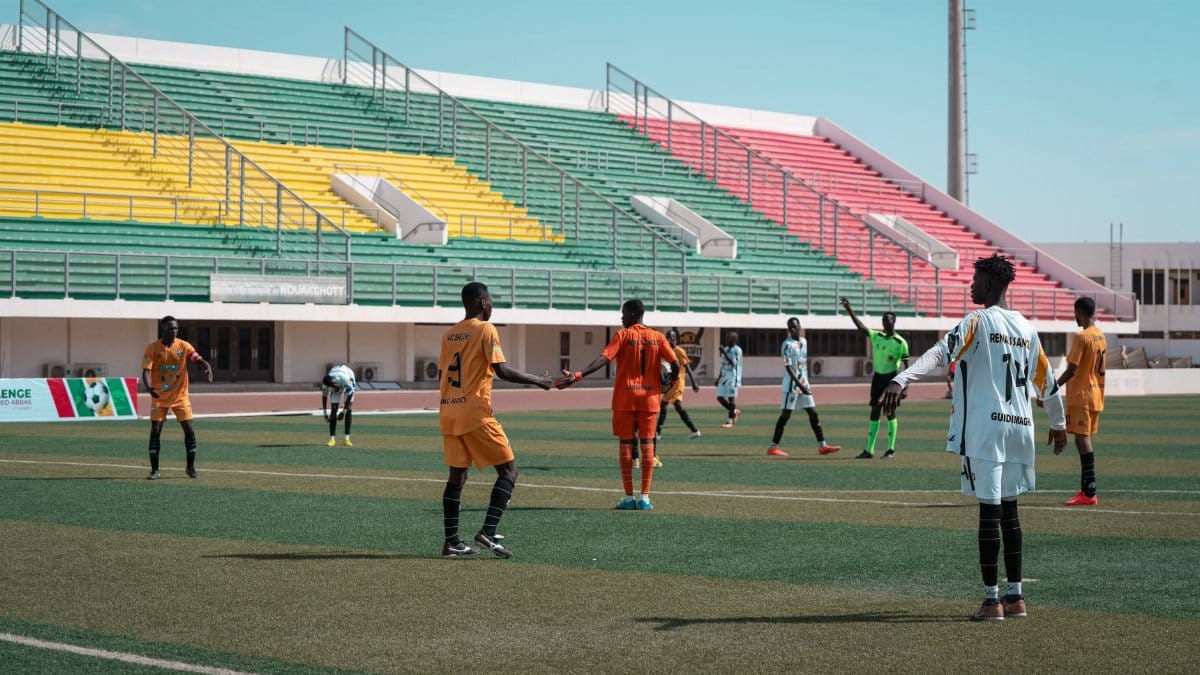
The National Football League has long sought opportunities to grow its fan base internationally. Events like this one in Brazil represent calculated moves to introduce the sport to audiences familiar with different athletic traditions. Organizers anticipate strong local interest, given the country’s passion for team competitions and large stadium capacities suitable for such gatherings.
Logistics Behind Team Travel Arrangements
Coordinating flights for an entire professional sports organization involves meticulous planning. Carriers must account for equipment transport, personnel needs, and timing aligned with game schedules. American Airlines brings extensive experience in handling group movements of this scale, ensuring smooth operations from departure points in Texas to destinations in South America.
Significance of the Rio Venue Selection
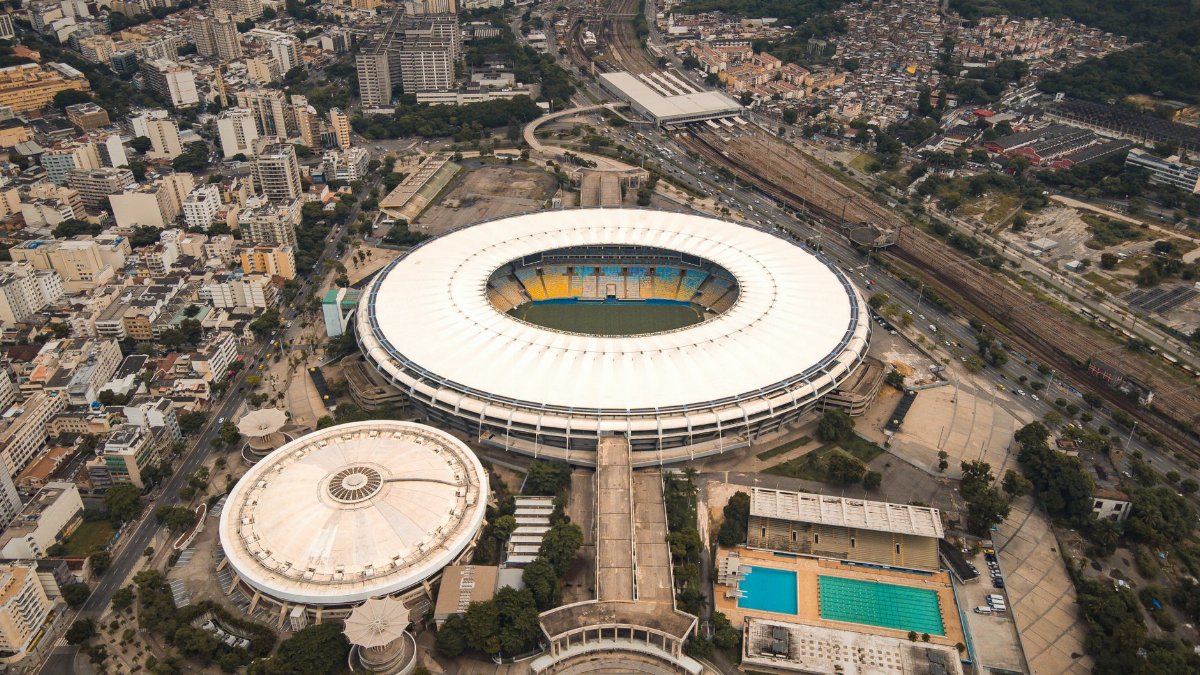
Rio de Janeiro offers a dynamic setting with its iconic landmarks and capacity to host large scale events. The choice underscores efforts to merge the excitement of American football with the energy of Brazilian culture. Local authorities have worked closely with league representatives to prepare facilities and address infrastructure requirements for visiting teams and spectators.
Partnership Dynamics in Sports Aviation
Collaborations between airlines and sports franchises often extend beyond single trips. They can involve sponsorship elements, promotional activities, and future travel commitments. In this instance, the arrangement highlights mutual benefits for both the carrier seeking visibility in global routes and the team gaining exposure in new regions.
Impact on Local Economies and Tourism
Hosting an international sports event typically boosts visitor numbers and related spending. Hotels, restaurants, and transportation services in Rio stand to gain from influxes of fans and media. This economic ripple effect aligns with city goals to position itself as a hub for diverse athletic competitions beyond traditional soccer matches.
Challenges of Long Distance Team Movements

Transcontinental journeys present unique hurdles, from adjusting to different time zones to maintaining player readiness upon arrival. Support staff focus on nutrition, rest protocols, and recovery strategies tailored to extended flights. Such considerations prove essential for optimal performance in high stakes environments.
Growing Interest in American Sports Abroad

Football has seen rising popularity in various countries through media broadcasts and youth programs. Brazil, with its established sports infrastructure, provides fertile ground for further development. League officials view these games as catalysts for sustained engagement among younger demographics and casual viewers alike.
Historical Context of NFL International Games
Previous overseas contests have paved the way for broader acceptance of the sport. Each event builds on lessons from earlier experiences, refining approaches to fan engagement and operational execution. The Brazil matchup continues this progression by venturing into a market with untapped potential.
Future Prospects for Similar Initiatives

Success in Rio could encourage additional ventures in South America and beyond. Stakeholders monitor attendance figures, broadcast viewership, and community feedback to gauge overall reception. Positive outcomes may lead to recurring series or expanded partnerships involving multiple teams and carriers.
Reflections on Cultural Exchanges Through Sports

Events of this nature foster dialogues between different athletic heritages. Players and fans alike encounter new perspectives, enriching the global sports conversation. American Airlines role in enabling such connections adds a practical dimension to these symbolic bridges across continents.