
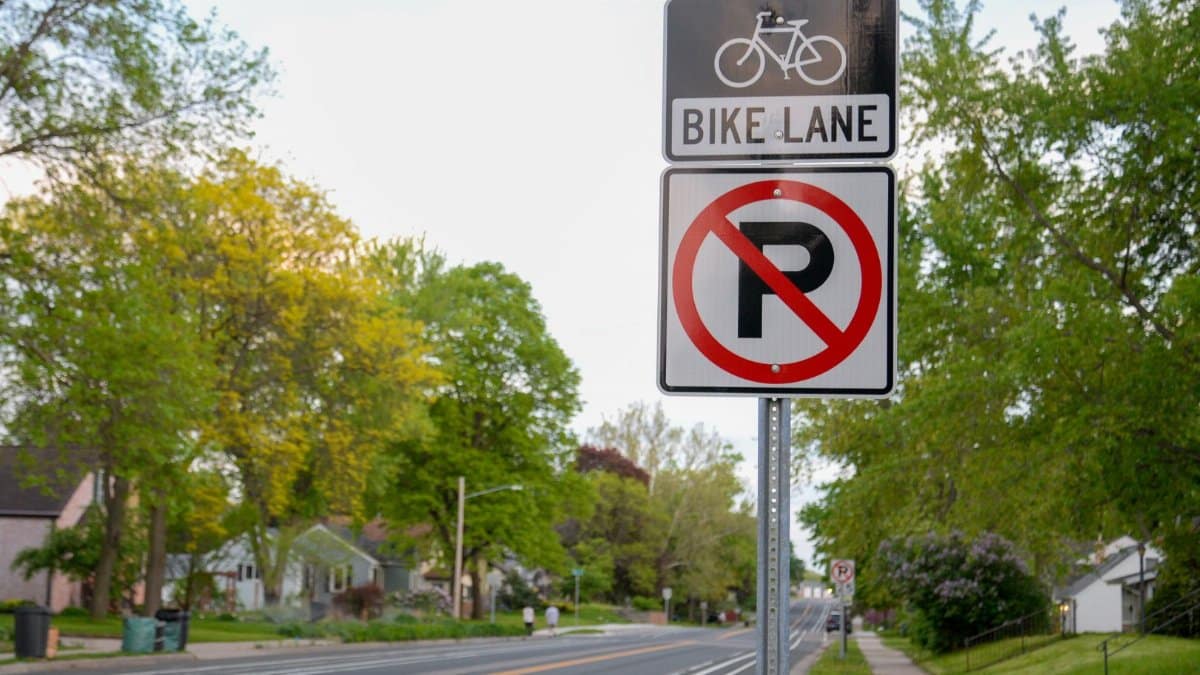
On a wide residential avenue lined with elms and limestone porches, a fight over pavement has become a fight over who gets to define a city street. St. Paul has agreed to pay 60,000 dollars in attorneys fees to Summit Avenue residents who sued over plans for a separated cycling route, a dispute now attached in the public mind to the St. Paul bike path. The payment does not erase the argument. It records how expensive that argument became, and how little a fee award can tell a reader about whether the design was wise, lawful, or wanted.
What the check actually buys

A settlement that covers legal fees is easy to misread. It can look like an admission that the city was wrong on the merits, or like a quiet victory for neighbors who organized early and hired counsel. In practice, governments sometimes pay to end a case when the remaining questions are narrow, the calendar is unkind, or the cost of continuing exceeds the cost of stopping. Readers should treat the 60,000 dollar figure as a fact about process, not as a verdict on street design.
The residents who brought the suit objected to an off street plan along Summit Avenue. Their complaint, as it has been described in local reporting, centered on how the city advanced that plan and on what the construction would do to a corridor many regard as historic. A fee payment can close a docket without answering every planning question the lawsuit raised. That gap matters, because the public argument was never only about lawyers. It was about trees, parking, speed, and the look of a street that functions as both a neighborhood and a civic symbol.
A boulevard with more than one public
Summit Avenue is not a blank corridor waiting for a single use. It carries commuters, visitors to nearby institutions, people walking dogs, and cyclists who already thread through traffic. It also carries memory. Houses set back from the curb, a canopy that took decades to mature, and a sense among some residents that changes to the roadway are changes to a shared inheritance.
That inheritance is not owned in the same way by everyone who uses the street. A person who lives on the avenue experiences construction as a multi year presence outside the front door. A person who rides through it may experience the same block as a missing link in a longer trip. City government is supposed to hold both of those experiences at once. Lawsuits arise when one side believes the holding has failed, either because the process felt predetermined or because the physical plan seemed to privilege one mode of travel over the character of the place.
Why neighbors chose the courthouse
Going to court is a particular kind of civic speech. It is slower than a council hearing and more formal than a yard sign. It also shifts the argument from preference to procedure. Opponents of the Summit plan did not need to persuade a majority of voters that separated lanes are unattractive. They needed a legal theory about how the city studied impacts, notified the public, or exercised its authority over a right of way.
That shift can frustrate people who want a plain answer: should the lane be built or not? Courts are poorly suited to that question. They can require more analysis, delay a contract, or award fees. They rarely design a street. The settlement, as reported, compensates opposing counsel rather than rewriting the avenue by judicial order. Anyone looking for a map of the final curb line will not find it in the dollar amount.
What the city said it was trying to do
Separated cycling space is no longer a novelty in American cities. Planners argue that paint alone does not protect riders when vehicle speeds and volumes are high, and that a continuous route can turn occasional cycling into ordinary transportation. Summit Avenue sits in that logic as a long, relatively direct street through a dense part of St. Paul. For advocates, an off street or otherwise separated facility is not a luxury. It is the condition that makes the route usable for more than the most confident riders.
The phrase St. Paul bike path has come to stand in for that ambition and for the resistance to it. The words flatten a technical choice. A path can mean a trail in a park, a raised lane beside the curb, or a route that takes space from parking or from a planted median. Each version redistributes risk and convenience. Supporters tend to talk about injuries avoided and trips shifted away from cars. Critics tend to talk about roots cut, shade lost, and a boulevard remade for a use they believe could be served elsewhere.
Trees, shade, and the cost of digging
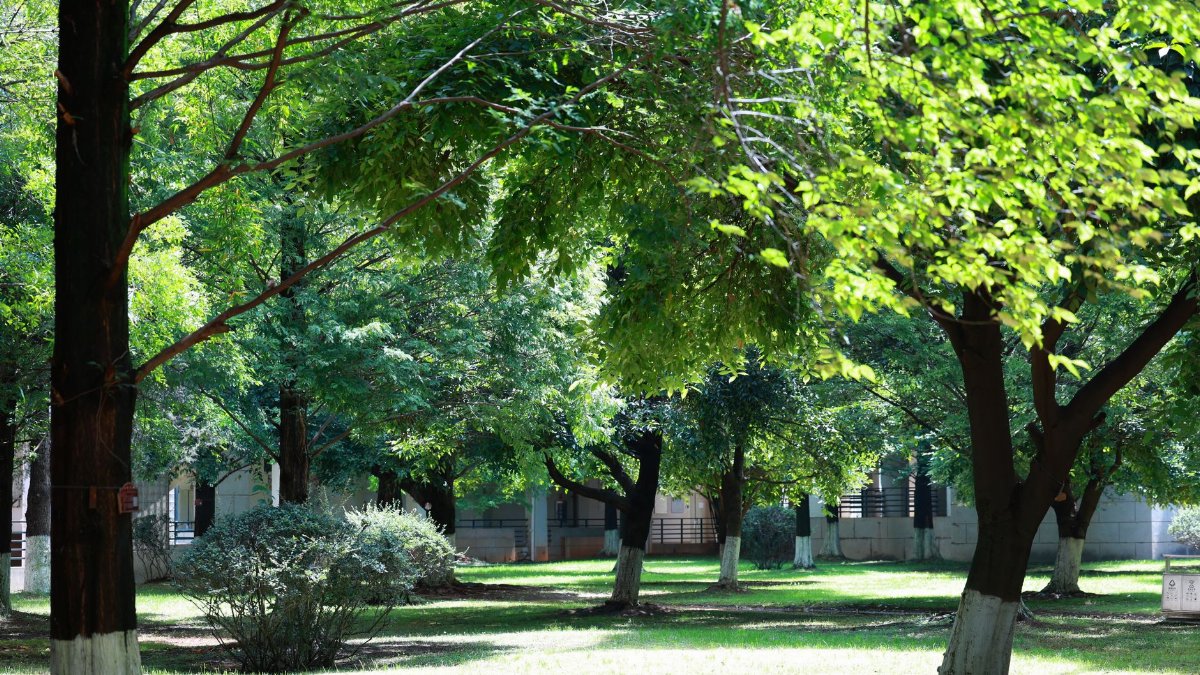
If there is a detail that gives this fight its emotional charge, it is the canopy. Mature trees are not street furniture. They cool pavement, hold soil, and give Summit much of the character that preservation arguments invoke. Construction near trunks and root zones is never abstract to people who have watched a block lose shade after a utility project. Even careful methods carry risk, and risk is hard to price in a public meeting.
Cycling advocates answer that a street can be redesigned without treating trees as disposable, and that leaving a dangerous condition in place is its own kind of damage. Both claims can be true in part. The honest reporting task is to keep the tradeoff visible: protection for people on bikes may require excavation; excavation may stress trees that cannot be replaced on a political timetable. A fee settlement does not resolve that biology. It only ends one legal vehicle for arguing about it.
The price of getting the process wrong

Sixty thousand dollars is not a large sum in a municipal capital budget. It is large enough to notice in a controversy already framed as elite and local. Taxpayers who never ride Summit and never live on it still pay when a city settles. They also pay, less visibly, when projects stall, when consultants rewrite studies, and when staff time moves from design to litigation support.
Process failures are expensive in another way. If residents believe a plan was presented as finished before their objections could matter, they will look for a forum where the city has to answer under oath or under a judge’s calendar. Cities that treat engagement as a announcement rather than a revision invite that move. Cities that revise forever invite a different complaint, from riders who have heard promises for years and still share lanes with fast traffic. The Summit dispute shows how both grievances can occupy the same avenue.
Safety is not a slogan

Crash risk is the part of this story that resists taste. A historic street can still be a place where a turning vehicle and a person on a bicycle meet badly. National traffic safety agencies have long noted that separation, lower speeds, and clearer crossings reduce certain conflicts. That general finding does not dictate the exact Summit cross section, and it does not excuse a design that ignores local constraints. It does mean that opposition framed only as aesthetics will sound incomplete to families who want children to ride without depending on driver courtesy.
Residents are entitled to ask whether the proposed facility creates new conflicts at driveways and intersections, where separated lanes sometimes trade one danger for another. Those are design questions with observable answers. They are better settled with drawings, counts, and revised geometry than with a culture war about who owns the city. The St. Paul bike path debate has sometimes slid toward the latter, because the avenue is famous and the stakes feel personal.
Who speaks for a street
Neighborhood associations, preservation groups, cycling clubs, and business interests all claim a legitimate stake. None of them is the public by itself. Elected officials are supposed to weigh those voices against citywide plans for climate, safety, and access. When they weigh poorly, or appear to weigh in secret, litigation becomes a substitute legislature.
There is a class dimension here that polite coverage sometimes skips. Summit Avenue households have resources that many St. Paul blocks do not. Hiring counsel, sustaining a case, and framing a street as a landmark are easier when money and professional networks are close at hand. That does not make the legal claims empty. It does mean a fee award can function as a signal: organized, affluent opposition can impose a cost. Riders without a homeowners association may impose a different cost, measured in injuries rather than invoices. A fair city has to hear both ledgers.
What remains unsettled after the settlement
The payment answers a narrow question about attorneys fees. It does not tell a commuter whether a protected route will be built, altered, or dropped. It does not tell an arborist how close excavation will come to significant trees. It does not tell a council member how to explain the outcome to people who wanted a faster build and to people who wanted no build at all.
Local coverage, including reporting in the Star Tribune, has treated the agreement as part of a longer Summit Avenue conflict rather than as its conclusion. That is the right scale. Capital projects of this kind move through designs, bids, seasons of construction, and after action complaints. A lawsuit can puncture one stage and leave the rest intact. Readers who stop at the dollar figure will miss the street that still has to be governed tomorrow morning.
A narrower lesson for city hall
Other cities watching this episode can take a modest lesson without copying anyone’s politics. If a separated route is worth building, the study of trees, parking loss, and emergency access should be specific enough to survive a hostile reading. If a historic boulevard imposes real limits, those limits should be stated early, with alternatives that are not gestures. Vague reassurance produces lawsuits. So does contempt for people who will live beside the work zone.
The St. Paul bike path, as a phrase, will keep circulating because it compresses a hard municipal problem into three words. The problem is how to add safer cycling to a loved street without pretending that love and safety are the same thing. Paying 60,000 dollars to end a fee dispute is a receipt. It is not a design. The avenue will still ask the city to choose, in public, which risks it is willing to accept and which stories about the past it is willing to revise.