

On a raw March afternoon the hamlets of Southold Town can feel almost private, the kind of place where a person knows the clerk at the post office and the bay looks gray and unbothered. By July that quiet is gone. Cars stack along lanes built for farms, and kitchen lights stay on in houses whose owners live somewhere else for most of the year. Into that seasonal swing comes a proposal that would sharply limit Southold Airbnbs and other short term vacation rentals, tying permits to a small share of the housing stock in each hamlet.
A cap that would shrink a familiar market

Southold Town is weighing a rule that would cap short term vacation rental permits at 1 percent of homes in each hamlet. Supporters describe it as a way to keep housing available for people who actually live on the North Fork. Critics hear something else: a near shutdown of a business that has become ordinary in summer towns from Montauk to Orient.
The scale is the point. A 1 percent ceiling, measured hamlet by hamlet, would not trim the edges of the market. It would cut the current supply of permitted short term rentals by about 80 percent. That is not a tweak to a registration form. It is a decision about who gets to stay overnight in a place where weekend demand has outrun the number of roofs.
Towns rarely announce a number that blunt. Percentages sound technical. In practice they decide whether a spare house remains a seasonal listing or returns, at least in theory, to the year round market. Southold is asking that question in public, and the answer will travel well beyond one town board agenda.
Why officials are reaching for a limit

The pressure is not abstract. Teachers, baymen, restaurant cooks, and nurses have spent years competing with buyers who can pay a premium for a house they will occupy a few dozen nights a year. A short term rental can earn, in a strong summer, what a modest annual lease might bring, and sometimes more. Owners follow the money. Renters who need a lease in October do not.
Local officials have watched that math harden. Complaints about parking, trash, and parties are the loud part of the story. The quieter part is a shrinking pool of homes that a working household can actually rent or buy. A permit cap is a blunt instrument, but blunt instruments appear when softer ones, such as registration and occupancy rules, fail to change the street.
None of this requires a villain. A family that inherited a cottage and lists it in July is not a developer. A couple who bought a second house as a retirement plan is not a speculator in the cartoon sense. The town is still left with the same shortage. Policy is what a community does when private choices, each of them legal and often reasonable, add up to a place that full time residents can no longer afford.
The housing math behind the fight

One percent sounds small because it is small. In a hamlet of a thousand homes, the cap would allow about ten short term permits. In a smaller hamlet the number drops further. Vacation demand does not shrink to match. It concentrates. The houses that keep their permits become more valuable as listings. The houses that lose them must find another use, or another owner.
That is the bet. If a property can no longer earn summer rates night by night, some owners will sell. Some will offer longer leases. Some will sit empty between family visits, which helps neither renters nor the tax base in any simple way. A cap changes incentives. It does not guarantee that a cook in Greenport, or a farmworker near Mattituck, will suddenly find a lease at a wage that matches the rent.
Housing advocates on Long Island have argued for years that supply, zoning, and wages have to move together. A rental cap addresses only one leak in the bucket. It may still be worth doing if the alternative is an open spigot. Residents should be honest about what the number can and cannot deliver. It can reduce the count of Southold Airbnbs. It cannot, by itself, build the apartments and modest houses the North Fork has declined to zone for.
Owners who built a summer business

For hosts, the proposal lands like a revocation. Many of them followed the rules the town already has. They registered. They paid the fees. They told guests where to park. They treated a listing as a small business with insurance, cleaners, and a calendar that fills in May. An 80 percent cut does not ask them to improve. It asks most of them to stop.
Some of that income pays a mortgage on a house that would otherwise be out of reach. Some of it pays for repairs on an old cedar shingle place that a year round tenant might not cover. Some of it is simply profit, and profit is not a scandal. The political problem is that the profit is tied to a use of housing that neighbors experience as absence. The lights are on. The people are not part of the school calendar, the fire department raffle, or the winter congregation.
A fair process would say, in plain language, what happens to people who already hold permits. A lottery, a sunset, a preference for owner occupied homes, a waiting list: each choice creates winners and a larger group of losers. Silence on that point will be read as a plan to sort it out later, which is how trust erodes.
Neighbors who want their streets back

Talk to year round residents and the complaints arrive in a familiar order. A driveway that fits two cars suddenly holds six. A Sunday morning sounds like a checkout lobby. A septic system built for a family of four meets a long weekend of eight. None of these grievances requires a moral lecture about tourists. They are arguments about capacity.
There is also a softer loss, harder to legislate. People notice when the house next door changes hands every few days. They stop leaving a key with a neighbor. They stop knowing who to call if a pipe bursts in February. A town is not only a zoning map. It is a set of small obligations that work only if someone is around to keep them.
That does not mean every guest is a nuisance. Plenty of visitors come for the farms, the ferries, and a quiet week, and they spend money that keeps shops open in March. The town is trying to separate welcome from saturation. A percentage cap is one way to draw that line. It is a rough line. Rough lines are what local government uses when it cannot police every loud porch.
What one percent actually means

The hamlet by hamlet design matters. Southold Town is not one downtown. It is a string of places with different sizes, different shorelines, and different appetites for visitors. A single townwide cap could dump every remaining permit into the most popular lanes. A hamlet cap spreads the scarcity, and also multiplies the arguments. Each community will count its houses, dispute which structures qualify, and ask why the house across the line was treated differently.
Definitions will do as much work as the percentage. Does a permit attach to a parcel or to an owner? Can it be sold with the house, which would turn the cap into a tradable asset? Are stays of thirty nights or more exempt? What about a room in an owner occupied home, which functions more like a spare bedroom than a hotel? If the rule sweeps those rooms into the same 1 percent, it will anger people who thought they were the responsible version of the market.
Lawyers will read the draft for vagueness. Hosts will read it for loopholes. The town board should assume both audiences and write accordingly. A number without a definition is a lawsuit waiting for a plaintiff.
Enforcement is the harder half

Caps fail when the town cannot see the market it is trying to limit. Listings move between platforms. Photos get recycled. A house advertised as a family stay may never appear in a registry. If Southold sets a ceiling and then relies on complaint driven checks, the ceiling becomes a suggestion. The hosts who comply lose. The hosts who do not comply keep the summer.
Enforcement costs money. Staff have to match addresses to ads, issue notices, and defend fines. Neighbors become informal inspectors, which is a miserable civic role. Technology can help, but software does not knock on a door. The town should publish, in ordinary language, how it will know when the 1 percent has been reached and what happens on the listing that makes it 2 percent.
There is a spiritual dimension here that housing debates often skip, and it is not decorative. A rule that cannot be applied evenly teaches people that obligation is optional. Communities hold together when the same standard reaches the well connected owner and the newcomer with one cottage. If the cap is real, it has to be real on every lane.
The North Fork economy in the balance

Restaurants, wineries, farm stands, and boat yards depend on a pulse of visitors that a year round population cannot supply. Cut the beds and you cut some of the covers, the tastings, the Saturday cash drawer. Business owners will say so, and they will not be inventing the risk. A town that lives on agriculture and hospitality cannot pretend that overnight guests are a side issue.
The counterargument is that an economy built on scarce beds and soaring sale prices is already fragile. Workers who cannot live near the job eventually stop taking the job. A winery that cannot staff a Saturday is not saved by another eight guest house down the road. The cap is, in that telling, a bet on the labor force rather than on the peak weekend.
Both stories can be true in the same summer. The honest article, and the honest hearing, holds them together. Southold Airbnbs are not the whole economy. They are a visible piece of a larger bargain between people who visit and people who remain after the ferries thin out.
Existing hosts and an uncertain future

Transitions are where policy either grows up or becomes cruel. If the town simply lets current permits expire and then awards a tiny number of new ones, it will strand people who made investments under the old rules. If it grandfathers every existing permit forever, the 1 percent figure is a press release, not a cap. The space between those poles is where a serious draft lives.
A phase down over several seasons would give owners time to sell, to convert to longer leases, or to return a house to family use. It would also give the town time to see whether rents actually ease. A hard stop invites court challenges and a rush of listings before the deadline. Either path should be named. Ambiguity is a gift to the loudest lawyer in the room.
Residents who do not host have a stake in that timeline too. A chaotic transition produces empty houses and angry meetings. A slow one tests whether the policy was worth the fight. Data should follow the vote: permits issued, permits surrendered, leases signed, sale prices, and complaint counts. Without that record, the next board will argue from anecdotes, and anecdotes are endless on a summer island.
A question of welcome

Under the housing numbers sits an older question about hospitality. The North Fork has long taken in people who are not from here: farm labor, city weekenders, new congregations, adult children who left and came back. A community that closes every extra bedroom is not automatically more virtuous. A community that rents every extra bedroom to the highest bidder is not automatically more generous. Welcome has a shape. It can be wide and thin, or narrow and deep.
I have sat in enough town hearings to know that the word community gets used as a shield. It can mean the people who already own. It can mean the people who would stay if the rent allowed it. The proposal forces a choice about which meaning governs a permit. That choice is civic, and it is also moral, in the plain sense that it allocates a necessity.
Faith communities and civic groups on the East End have spent years talking about shelter, dignity, and the stranger. They do not need to bless a zoning formula. They might still ask whether a town can call itself hospitable while its workers sleep an hour away. Southold Airbnbs are one arena for that question. They are not the only one.
What other towns have tried
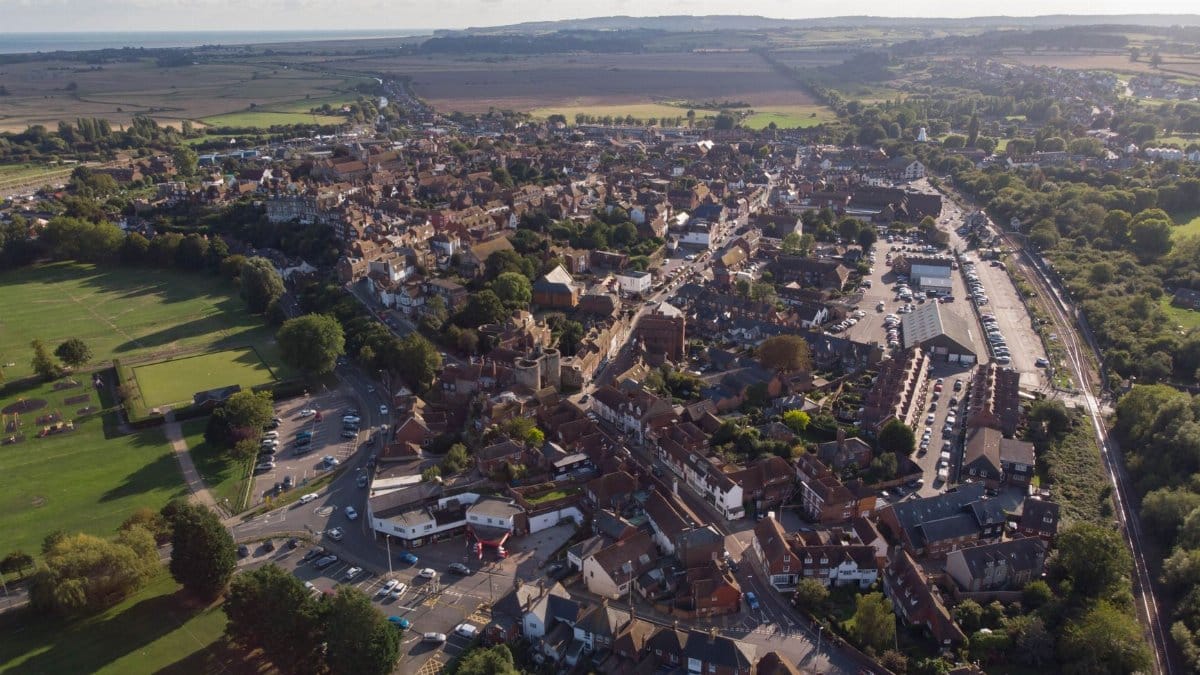
Southold is not the first shoreline government to flinch at a flood of short stays. Across the country, cities have banned non owner listings, set night minimums, or taxed each booking and poured the money into housing funds. Some of those rules stuck. Some were gutted in court or ignored in practice. The lesson is not that caps never work. The lesson is that design and follow through decide the outcome.
Long Island towns share a housing market even when they do not share a board. If Southold tightens and a neighboring town does not, listings can drift across a boundary. Guests do not study municipal lines. They study price and a photo of a porch. Regional leakage is a reason for coordination, not an excuse for doing nothing. A town can still govern its own parcels while admitting that parcels sit in a larger map.
Comparisons should stay modest. A dense city with apartment stock is not a string of hamlets with septic systems and two lane roads. Copying a big city ordinance line for line would miss the local constraint, which is land, water, and a housing supply that was never built for peak season.
What residents should watch next

The next months will turn a headline into ordinance language. Residents should read the draft for the definitions, the phase in, and the enforcement budget, not only for the 1 percent figure. They should ask who counts as a local host, whether a permit can be transferred, and how a hamlet boundary is drawn when a house sits near the edge. They should ask what the town will measure a year after the vote.
Public comment works better when it is specific. A story about a lease lost, or a mortgage that depends on August, is more useful than a speech about greed. Officials already know the slogans. They need to see which version of the cap matches the problem they claim to be solving.
Southold Airbnbs became a stand in for a larger anxiety about who the North Fork is for. The proposal does not settle that anxiety. It does force a number onto it. About four in five current short term permits would not survive a strict reading of a 1 percent hamlet cap. That is a large change for a small town. It deserves a hearing as careful as the place it would reshape, and a rule clear enough that a neighbor, a host, and a clerk can all explain it the same way.