
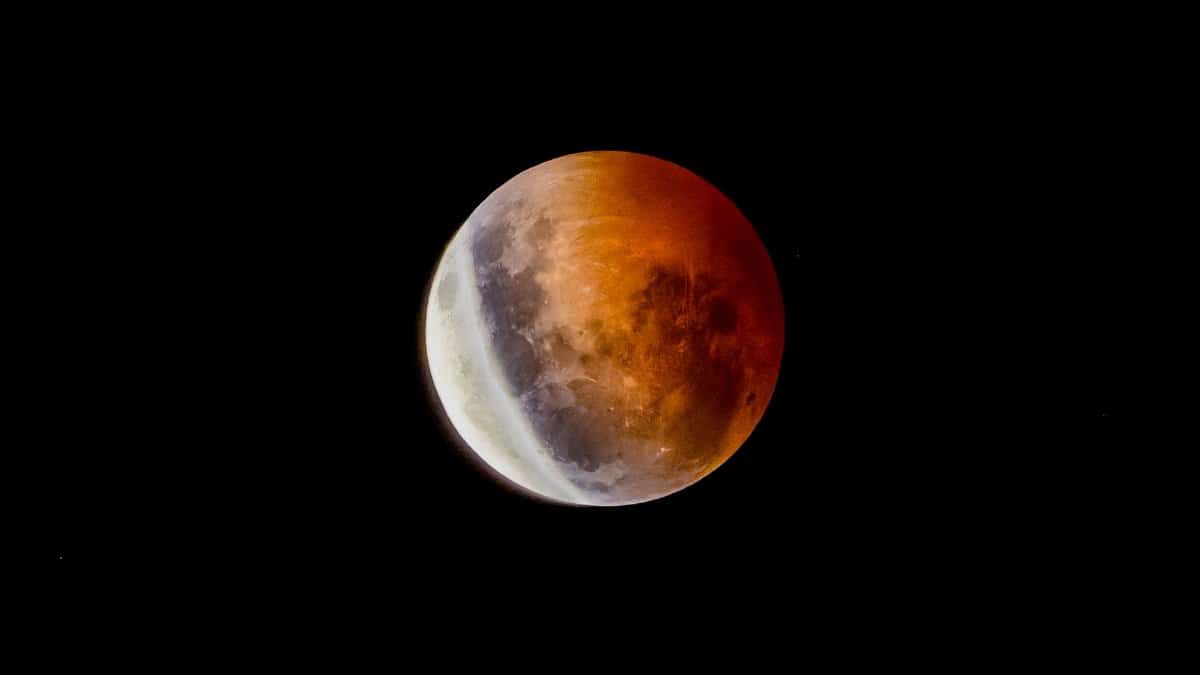
On a clear summer evening the skies above the region are expected to deliver an uncommon sight as the moon slips into partial shadow and takes on a copper tone. Sky watchers in cities from Los Angeles to San Diego will look upward for an extended period while the event unfolds slowly across several hours. The timing aligns with favorable weather patterns that often prevail in the area during late August making conditions suitable for outdoor viewing. This upcoming display has already drawn attention from both amateur astronomers and families seeking a shared experience under the stars. In the midst of everyday routines the chance to pause and observe such a phenomenon offers a welcome reminder of larger natural cycles at work. blood moon Southern California promises to stand out as a memorable occasion for those who step outside with the right preparation.
Anticipated Timing and Visibility

The partial lunar eclipse is set for the evening of August 27 2026. Observers in Southern California will see the moon begin to darken shortly after sunset with the deepest shading occurring around midnight. Unlike total eclipses this partial phase allows the moon to remain visible yet tinted throughout much of the night. Clear horizons to the east will help early viewers catch the initial stages while western vantage points suit those who prefer later hours. Local forecasts suggest mild temperatures and low cloud cover which should support prolonged sessions without discomfort.
Best Public Viewing Spots
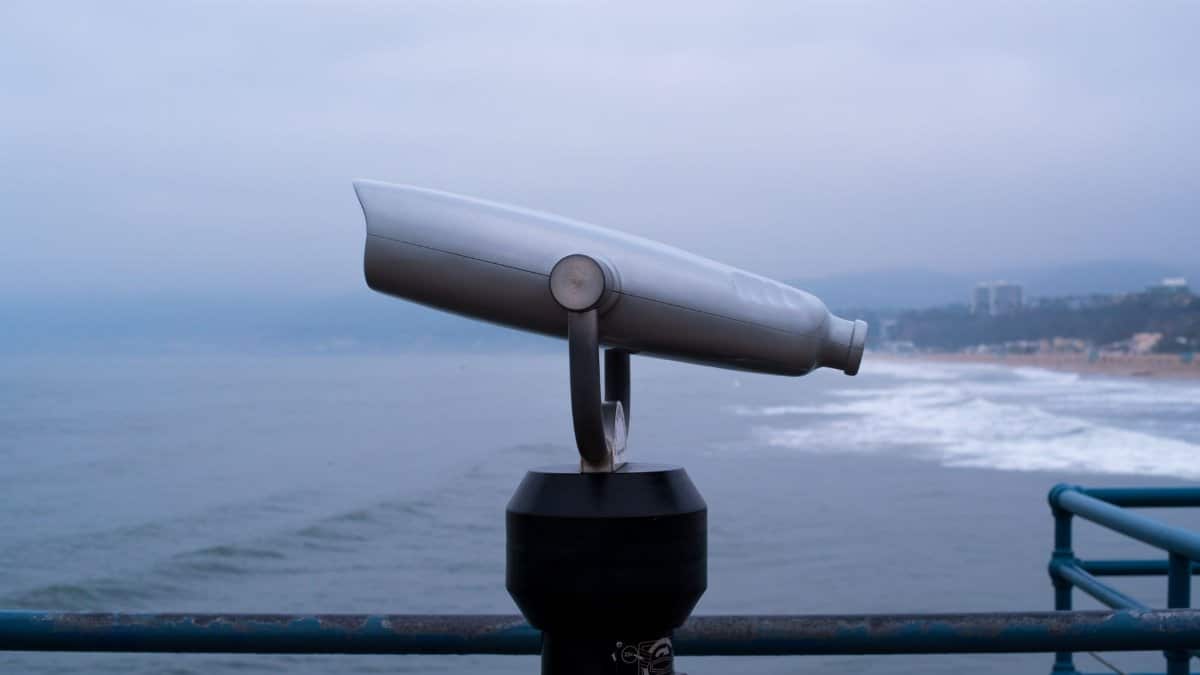
Griffith Observatory has announced plans to open its grounds and telescopes for the occasion offering guided talks alongside direct observation. Other elevated sites such as Palos Verdes and the Santa Monica Mountains provide unobstructed sightlines away from dense urban lighting. Parks in Orange County and inland valleys also attract groups equipped with blankets and portable chairs. Organizers recommend arriving early to secure space and to adjust to the darkness gradually.
Equipment Suggestions for Observers

Binoculars or small telescopes enhance details on the lunar surface during the shaded phase yet the naked eye suffices for appreciating the overall color shift. Red filtered flashlights preserve night vision when checking watches or notes. Comfortable seating and layers of clothing guard against the gradual drop in temperature after dark. Apps that track lunar position help newcomers follow the progression without prior expertise.
Cultural Meanings Across Time

Throughout history societies have attached symbolic weight to lunar color changes interpreting them as omens or markers of seasonal shifts. Native communities in the southwest incorporated moon watching into agricultural calendars while later immigrant populations carried their own traditions. Contemporary interest tends toward scientific appreciation mixed with personal reflection on scale and time. The event fits within a broader pattern of public fascination with predictable sky phenomena.
Scientific Background on Lunar Eclipses
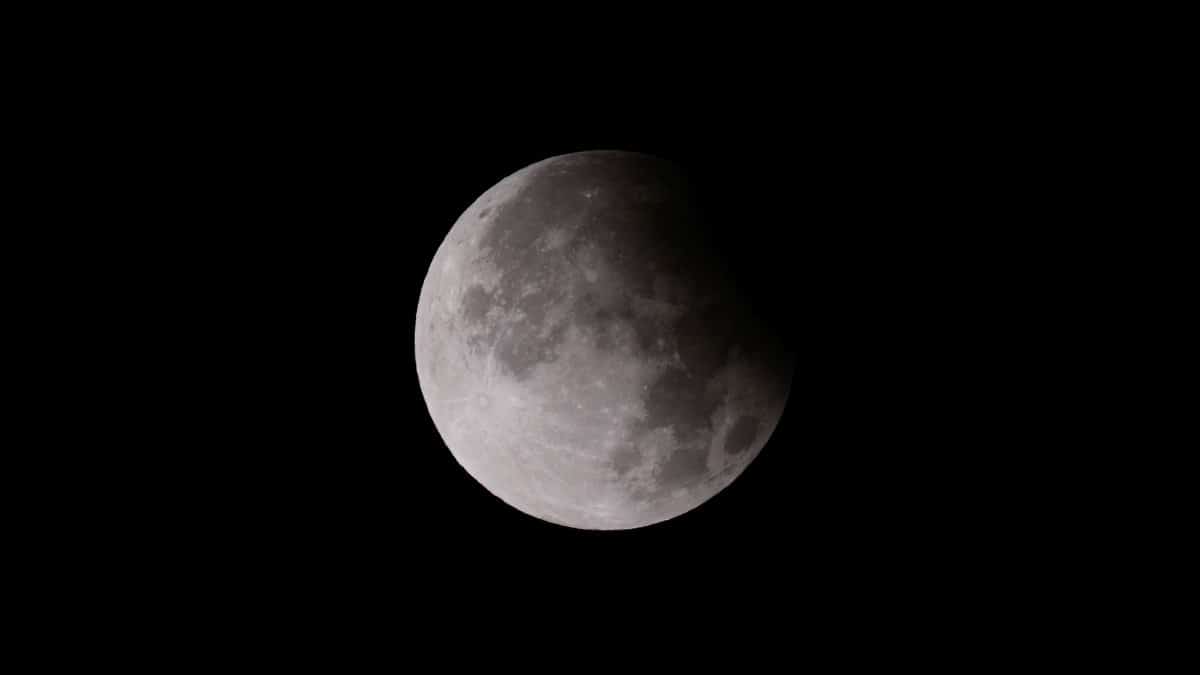
A partial eclipse occurs when the Earth blocks only a portion of sunlight from reaching the moon. The remaining light bends through the atmosphere and scatters creating the reddish appearance often described in popular accounts. This optical effect depends on dust and cloud conditions high above the planet at the moment of alignment. Researchers continue to study these color variations to refine models of atmospheric composition.
Weather Patterns in the Region
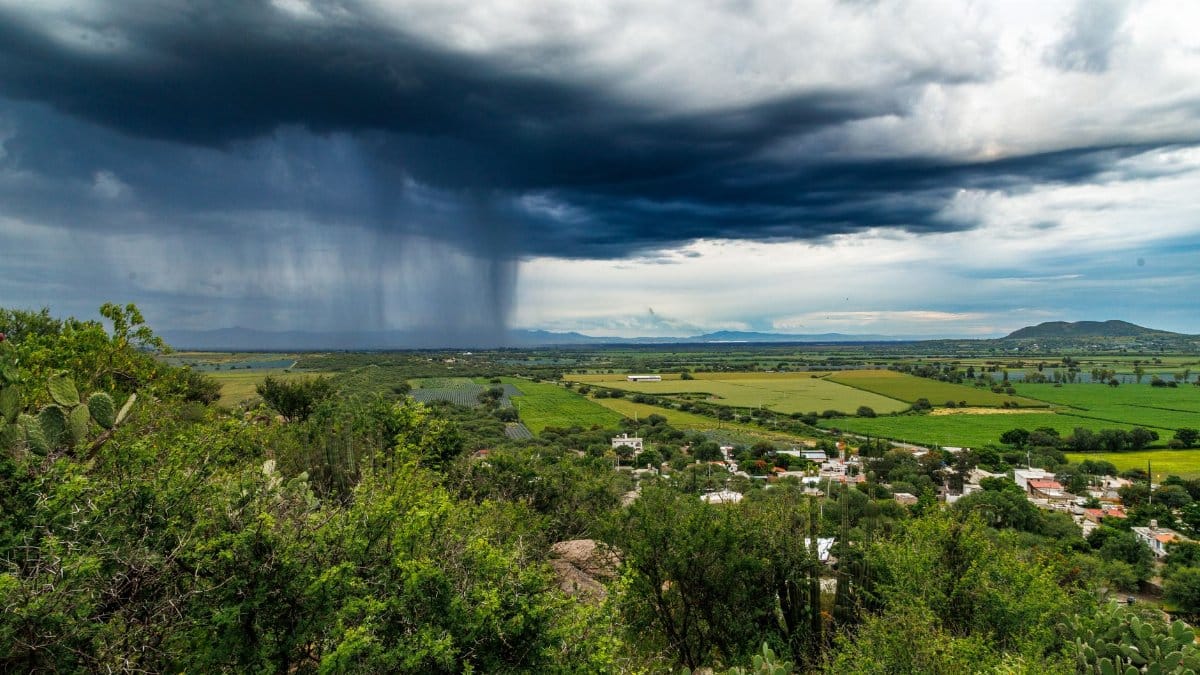
Southern California typically experiences stable high pressure systems in late summer that reduce the likelihood of rain or heavy fog during evening hours. Coastal breezes keep temperatures moderate while inland areas may cool more noticeably after midnight. Checking updated forecasts the day before remains advisable since microclimates can produce localized variations. Clear skies increase the odds of an uninterrupted view from start to finish.
Family and Community Activities
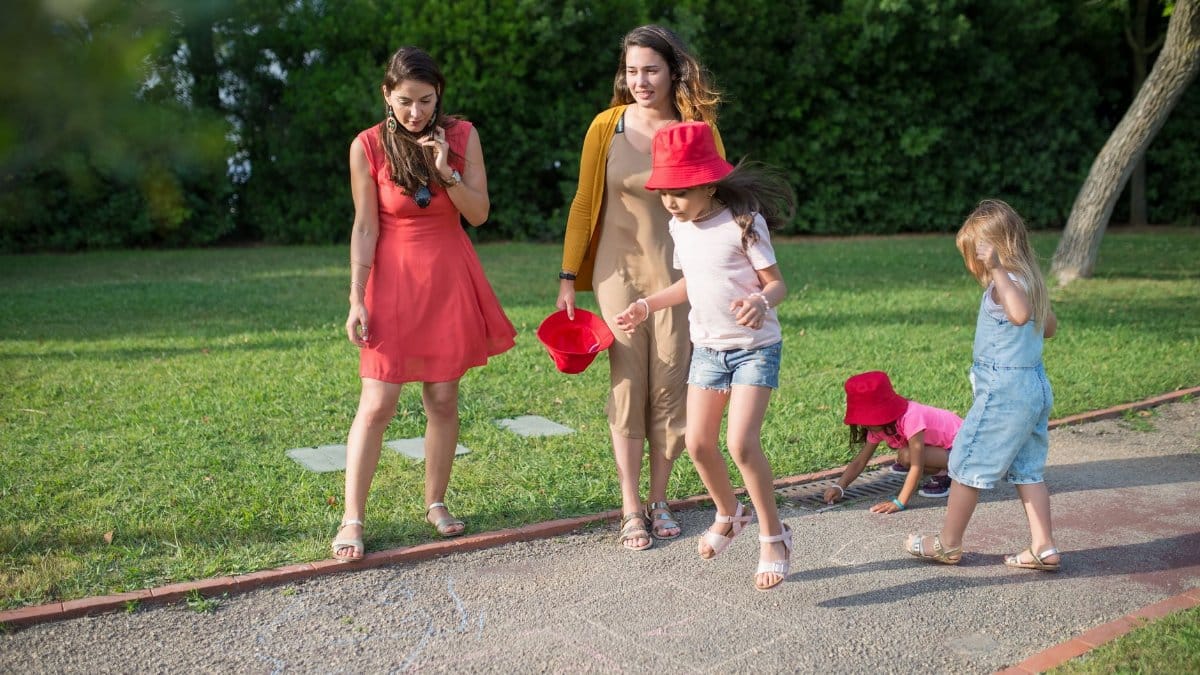
Schools and libraries often coordinate related programs in the days leading up to such events encouraging students to learn basic astronomy concepts. Neighborhood groups sometimes gather for collective viewing sessions that foster conversation among participants of different ages. These gatherings provide an accessible entry point for those new to sky observation while strengthening local ties through a shared interest.
Photography Approaches
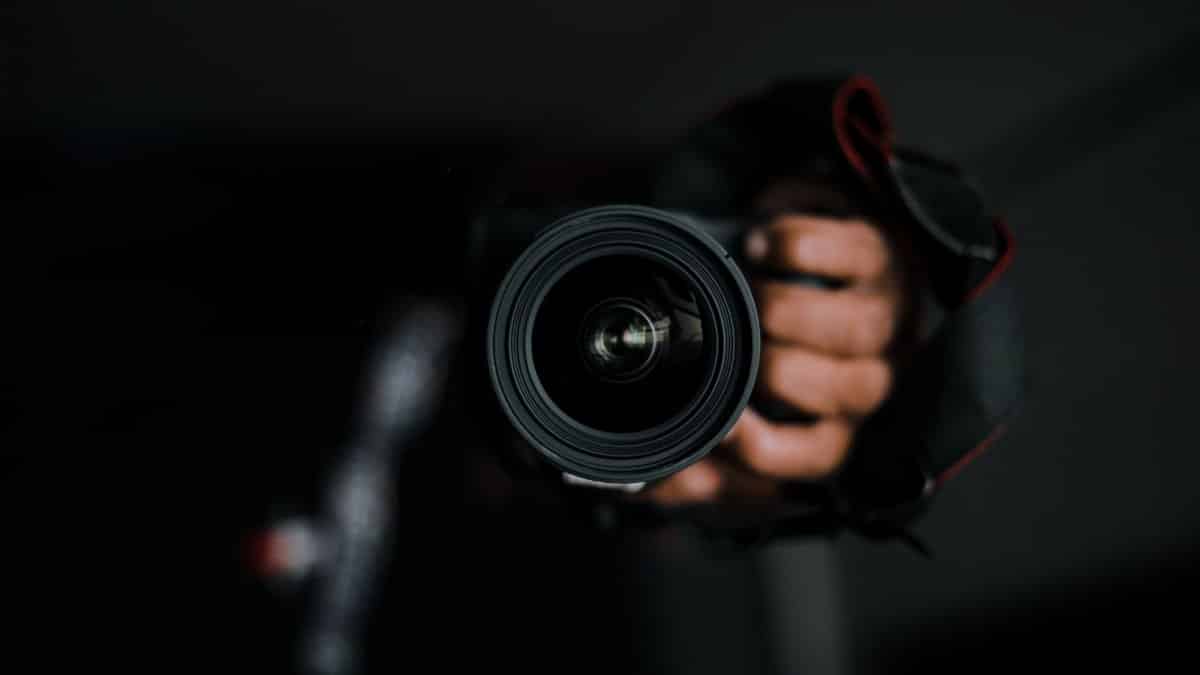
Capturing the tinted moon requires steady camera support and adjustments to exposure settings to balance brightness levels. Wide angle shots that include foreground landscapes add context to the scene. Multiple images taken at intervals document the gradual change in shading. Sharing results on community platforms allows wider audiences to appreciate the event even if they could not attend in person.
Future Opportunities for Sky Watching
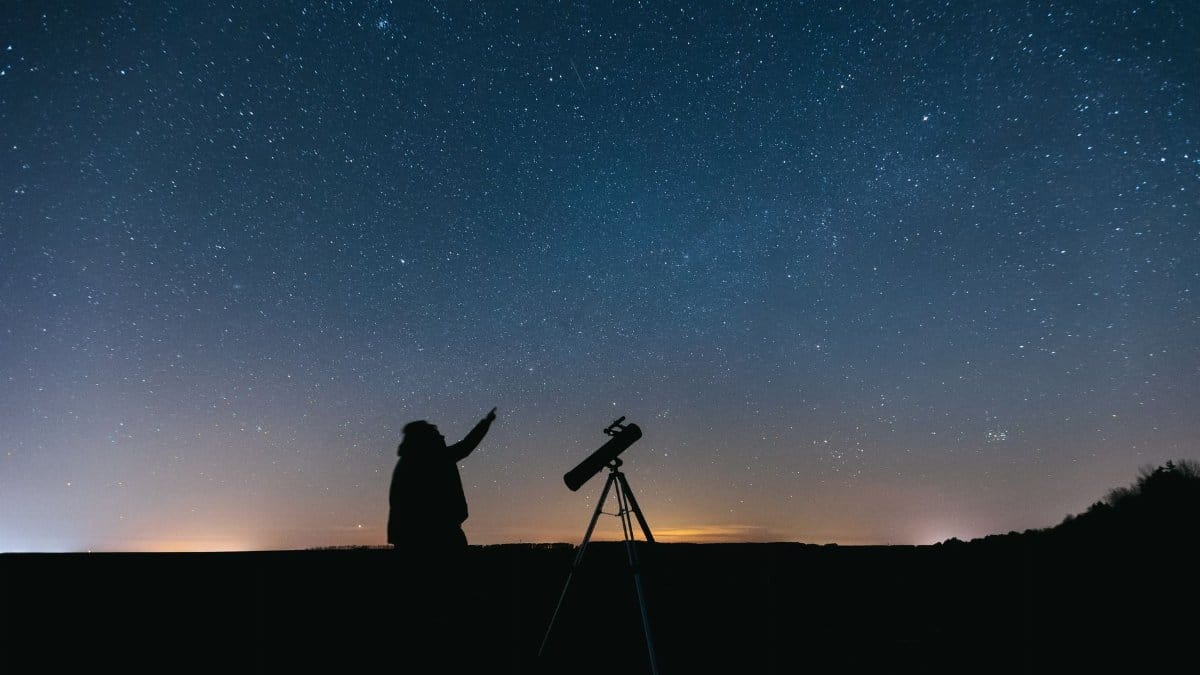
Similar alignments recur at predictable intervals giving residents additional chances in coming years to witness comparable displays. Tracking these cycles builds familiarity with celestial mechanics and encourages repeated outings. Public institutions continue to expand outreach efforts aimed at sustaining interest across generations.