
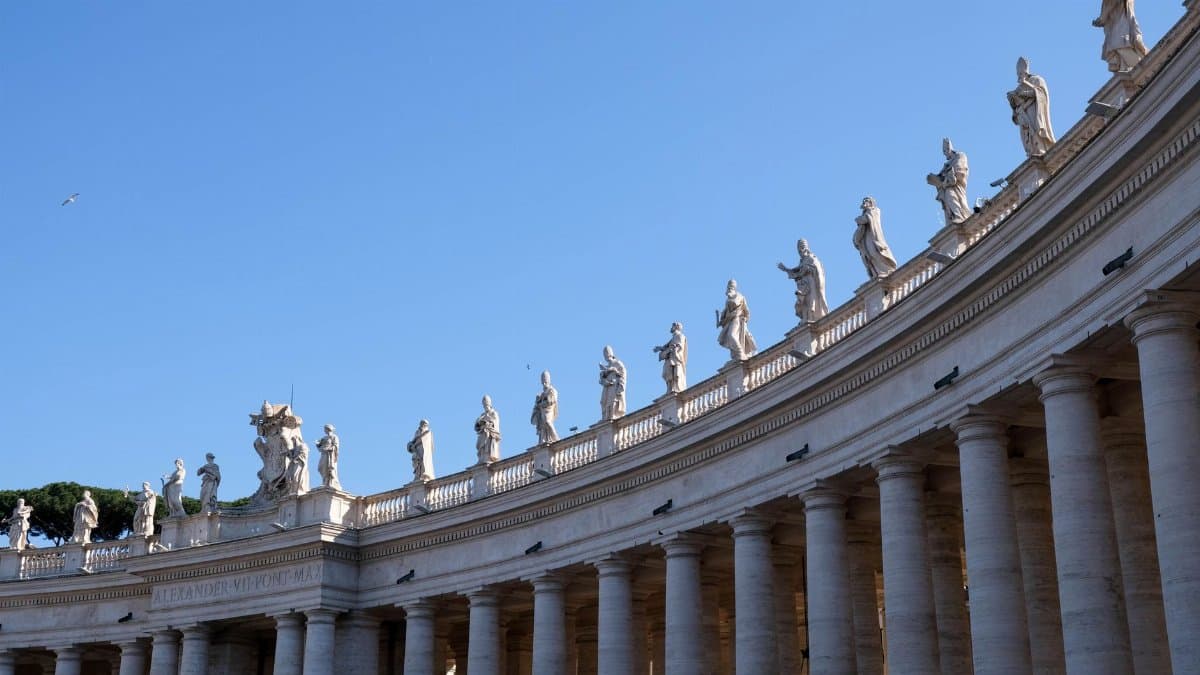
On a quiet Roman morning, the question outside a hospital is not only how a patient is breathing. It is whether a pope will appear at a window and bless a city that has learned to read silence as carefully as speech. Vatican officials are weighing a possible Sunday prayer appearance while Pope Leo surgery recovery continues along what aides describe as a normal course after lung surgery. The plan, still provisional, would place the Angelus in a medical setting rather than in the familiar square. For Catholics who watch the weekly blessing as a sign that the church is steady, the decision will say as much about caution as about strength. Rome has seen this kind of waiting before. It never feels routine when the man at the center of it is the bishop of Rome.
A Sunday plan that is still only a plan
Inside the Vatican, the week is being sketched in pencil. Officials are gaming out whether Pope Leo XIV can offer the Sunday Angelus from the hospital, a short appearance that would let the faithful see him, hear a blessing, and go home with a clearer sense that the recovery is holding. Nothing in that sketch is a promise. A papal schedule bends to doctors, to sleep, to the simple fact that a lung does not negotiate with ceremony.
The Angelus is brief by design. It is a midday prayer, a few minutes of greeting, sometimes a word on the news of the week, then the blessing. That brevity is what makes a hospital version thinkable. A pope does not need to walk a long route or stand for an hour. He needs enough breath, enough steadiness, and enough medical clearance to face a window and a crowd. If those pieces are not in place by Saturday night, the plan can be set aside without drama. The Vatican has learned that postponement, explained plainly, costs less trust than a forced appearance.
Why the weekly blessing carries so much weight

For many Catholics, especially those who do not follow every curial document, the Sunday greeting is the papacy in its most ordinary form. It says the pope is present, that the church has a voice, that the week has a center. When that greeting moves from St. Peter’s Square to a hospital, the meaning shifts. The institution looks briefly like what it also is: a community gathered around a sick man.
American viewers, who have followed this pontificate with a particular curiosity, tend to read the images the way they read any public illness. Is he standing? Is his voice clear? Does he smile? Those questions are human, and they are also incomplete. A few minutes at a window cannot summarize a lung, a night of rest, or a doctor’s private judgment. Still, the pictures travel. They land on phones in parish halls and kitchen tables, and they shape the mood of a church that has only recently grown used to an American on the throne of Peter.
What officials mean by a normal course
The phrase attached to Pope Leo surgery recovery is deliberately plain. A normal course does not mean a swift return to a full public diary. It means the expected path after an operation on the lung: pain managed, breathing watched, infection guarded against, strength returning in uneven steps rather than in a straight line. Hospitals measure that path in vital signs and in the quieter evidence of whether a patient can sit, speak, and sleep.
Vatican communicators have an interest in calm, and readers are right to hear that interest. They also have an interest in not being caught out by a setback. The language of a normal recovery is useful only if it is revised when the facts change. So far, the public line has been that progress is ordinary and that a Sunday appearance remains possible, not assured. That pairing, hope beside a limit, is the most honest register available to an institution that cannot publish a chart and should not pretend to.
The body after an operation on the lung
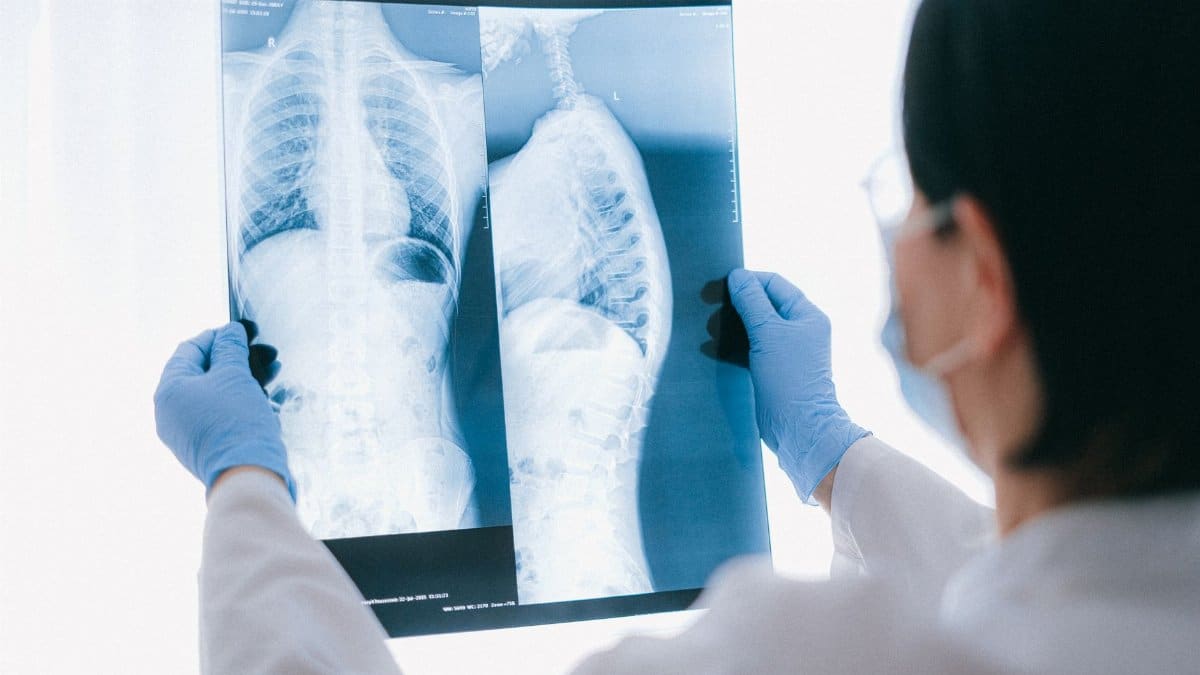
Lung surgery is not one event with one ending. Surgeons may remove damaged tissue, repair a problem, or address a finding that cannot wait. Whatever the precise indication, the days after ask the patient to do something that feels backward: breathe deeply when breathing hurts, move when rest seems wiser, and accept that fatigue is part of healing rather than proof that healing has failed.
For a man in his seventies, and Pope Leo XIV is in that decade of life, doctors watch more than the incision. They watch the heart, the risk of clots, the chance of infection, and the way pain medicine interacts with alertness. None of that is unique to a pope. What is unique is the audience. A private patient can recover without a timetable written by the world’s cameras. A pope recovers inside a story that other people are eager to finish for him. The medical task is to refuse that hurry.
Readers looking for a minute by minute medical account will not get one, and should not expect one. Privacy still applies, even when the patient wears white. What can be said in public is the shape of caution: rest first, appearance second, travel and long ceremonies later still.
A hospital window as a temporary stage
If the appearance happens, it will be staged with unusual care. Security, medical staff, and Vatican officials would share a narrow piece of architecture: a window, a microphone, a view of people who have come because they want to see that he is alive and recognizable. The crowd in such moments is rarely vast in the way a canonization crowd is vast. It is dense with rosaries, with phones held high, with the particular quiet that falls when a door is about to open.
The symbolism is older than this hospitalization. Popes have met the city from sickrooms before, turning architecture into a pulpit. The gesture says that ministry does not require the apostolic palace. It also says that the palace can wait. For a church that sometimes confuses visibility with vitality, a short blessing from a place of weakness can be a clearer sermon than a long one delivered in full strength.
Memory of other popes who were patients
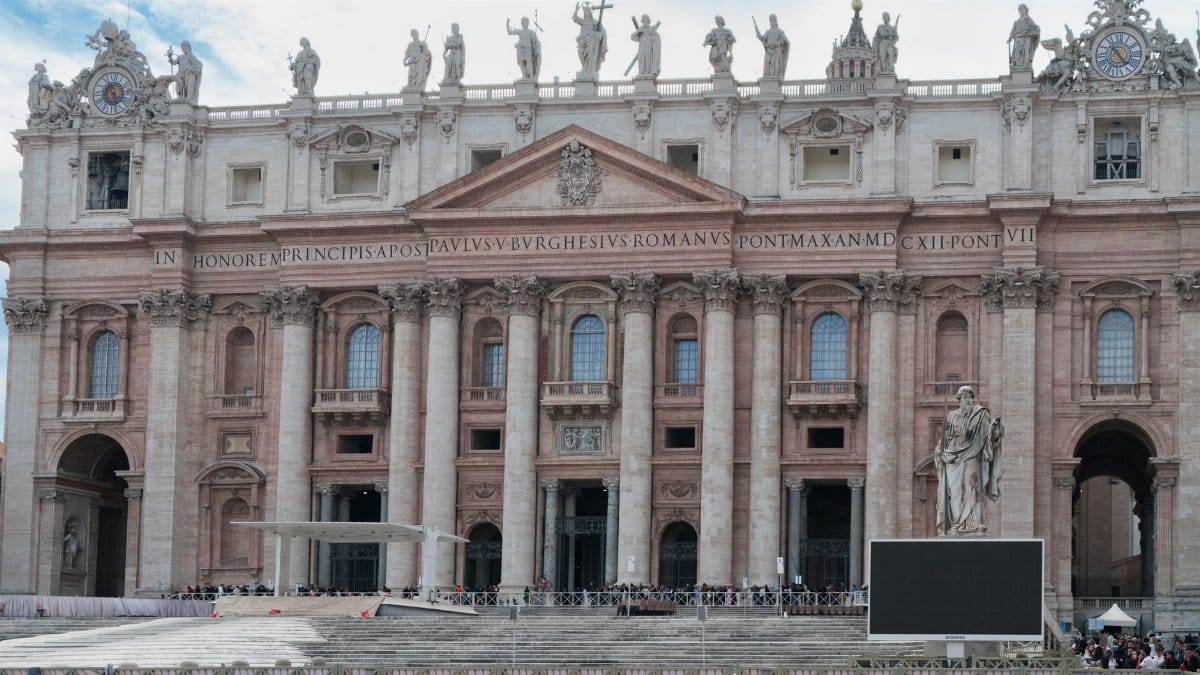
Romans keep a mental archive of papal illness. John Paul II spent long stretches in hospital after the attempt on his life and again in his final years, when frailty became part of the public image of the office. Benedict XVI chose a different path, leaving the papacy rather than letting decline define it. Francis, in more recent memory, underwent abdominal surgery, dealt with respiratory trouble, and more than once offered greetings from a hospital window while aides insisted the recovery was proceeding as doctors expected.
Those memories do not diagnose the present case. They do set the emotional weather. People remember canceled trips, thin voices, and the relief of a wave from a window. They also remember moments when official optimism ran ahead of the body. That history is why a possible Sunday appearance is being discussed as a contingency rather than announced as a fixture. The Vatican is trying to show attentiveness without writing a script the patient may not be able to perform.
An American pope under a different kind of light
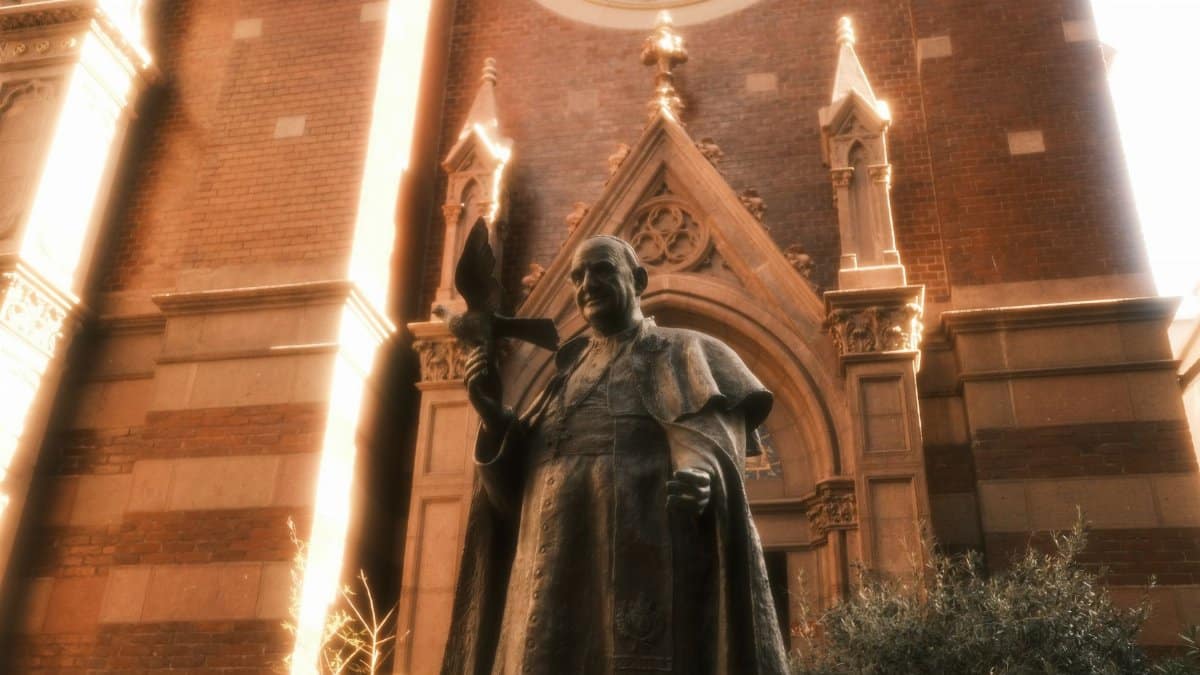
Leo XIV arrived in the office as a surprise to many Americans who had treated the papacy as a European story with occasional American footnotes. His hospitalization pulls that surprise into a more intimate register. Parishes that hung his portrait in May now ask practical questions. Will he speak on Sunday? Should the prayer of the faithful include his name again this week? Is the church pausing, or only the pope?
The honest answer is the smaller one. The church does not pause because its bishop is in a hospital bed. Bishops keep their dioceses. Parishes keep their Masses. What pauses, if doctors require it, is one man’s public calendar. That distinction matters in a country where celebrity and office are often melted together. Pope Leo surgery recovery is a medical story first. The institutional story is that the see of Rome has continuity built into it, including for the weeks when the pope cannot travel or stand for long.
How caution can look like leadership

There is a temptation, in any powerful institution, to treat rest as a failure of nerve. A pope who stays out of view can be read as absent. A pope who appears too soon can be read as reckless, or as captured by image makers. The better reading is simpler. Leadership here is the willingness to let physicians outrank schedulers.
That choice has a pastoral echo. Catholics who are themselves recovering from surgery, or sitting with a spouse in a recovery room, do not need a pope who performs endurance. They need a pope whose household admits that bodies set limits. If Sunday comes and the window stays closed, the closed window can still teach. It says that prayer does not require a spectacle, and that a blessing delayed is not a blessing denied.
Officials appear to understand the optics. They are not promising a triumphant return. They are describing a possible appearance, contingent on a recovery that they call normal. The modesty of the verb matters. Gaming out a plan is not the same as staging a comeback.
What a postponement would and would not mean
If the Angelus is delayed, the first explanations should stay medical. Fatigue, a need for more rest, a doctor’s preference for another quiet day: any of those would fit a normal recovery and would not, by themselves, signal a crisis. The public has been trained by other scares to hear postponement as code for collapse. That training is not always wrong, but it is a poor default. Hospitals postpone visits for ordinary reasons every hour.
What would deserve sharper questions is a change in language. If “normal” becomes “complex,” if scheduled tests multiply without explanation, if officials stop answering basic questions about whether he is eating, walking, or speaking with aides, then the story shifts. Until then, the responsible frame is the one the Vatican has offered: progress of the expected kind, and a Sunday option that remains optional.
Journalists can hold both ideas at once. We can note the human desire for a reassuring image. We can also refuse to treat that image as a clinical result. A wave is not a scan.
The people who keep watch outside
Whatever officials decide, a smaller public will already have decided to show up. Nuns with plastic bags of prayers, students on a Roman semester, tourists who stumbled into a news story, Romans who remember other windows: they form a congregation without a bulletin. Some come for devotion. Some come because history might be visible for a minute and they do not want to miss it.
Their presence puts a gentle pressure on the planners. A crowd that gathers can make a cancellation feel like a disappointment even when it is the right medical call. Good planning answers that pressure in advance. Tell people the appearance is possible, not promised. Give them a time. Give them a way to learn, quickly, if the time is scratched. Leave room for the patient to be a patient.
That last point is easy to lose. Pope Leo surgery recovery will be discussed in studios and sacristies as if it were mainly a communications problem. It is also a man waking up sore, measuring his breath, and deciding, with doctors, whether a few minutes of public prayer would help the church or merely spend strength he still needs.
The week ahead, written lightly
The next days will be judged less by rumor than by consistency. If the Vatican continues to say that recovery is proceeding normally, and if a Sunday blessing either happens in a limited form or is deferred with a clear reason, the public will have what it can reasonably ask. If the story fractures into contradiction, confidence will thin, and no window appearance will fully repair it.
For now the sensible posture is attentive patience. Pray if you pray. Read the medical language carefully. Do not demand a timetable the lung has not signed. The church has centuries of practice at waiting beside sickbeds. This week asks it to practice that old skill in public, with cameras nearby and a Sunday prayer still only a possibility.
Pope Leo surgery recovery remains, by the account officials are willing to give, on a normal path after lung surgery. The blessing, if it comes, will be short. The more lasting fact may be the restraint around it: a Vatican willing to plan for a window, and equally willing to leave the curtain closed.