
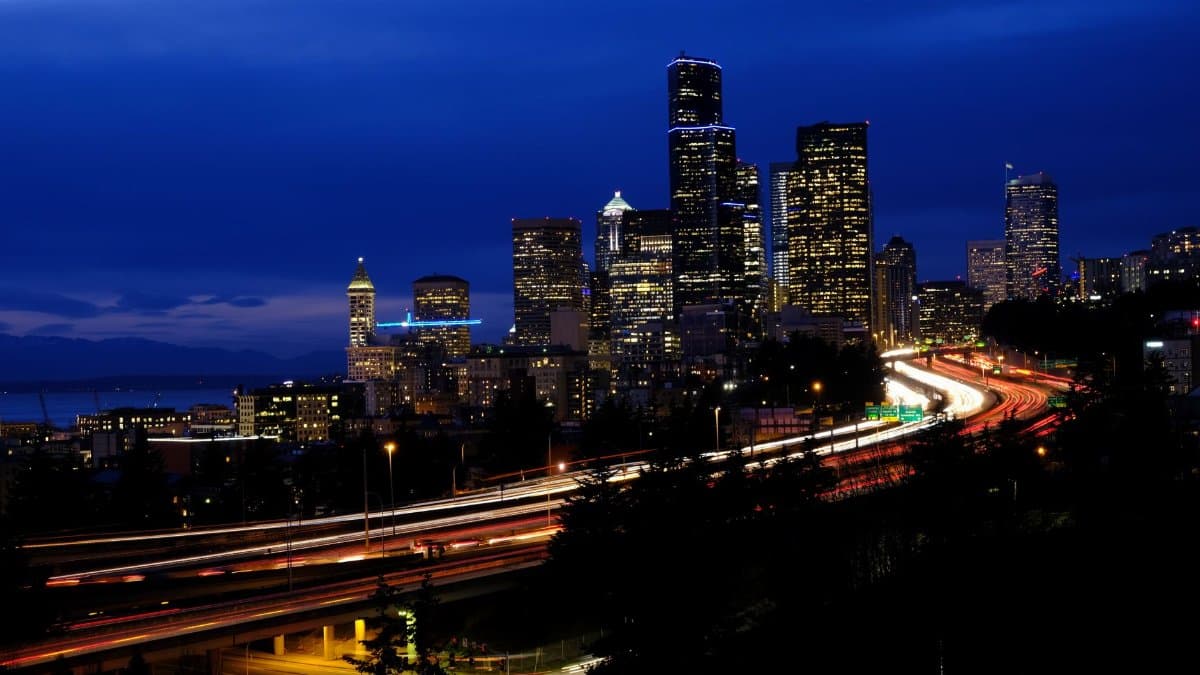
The recent announcement from Sound Transit has left many commuters in the region reconsidering their daily routines. After years of planning the West Seattle light rail faces additional hurdles that push its completion further into the future. This development comes amid rising costs and unexpected engineering issues that have plagued similar projects across the country. Residents who once viewed the line as a vital connection to downtown now confront the reality of extended timelines and higher expenses that could affect local economies for years ahead.
Background on Regional Transit Goals
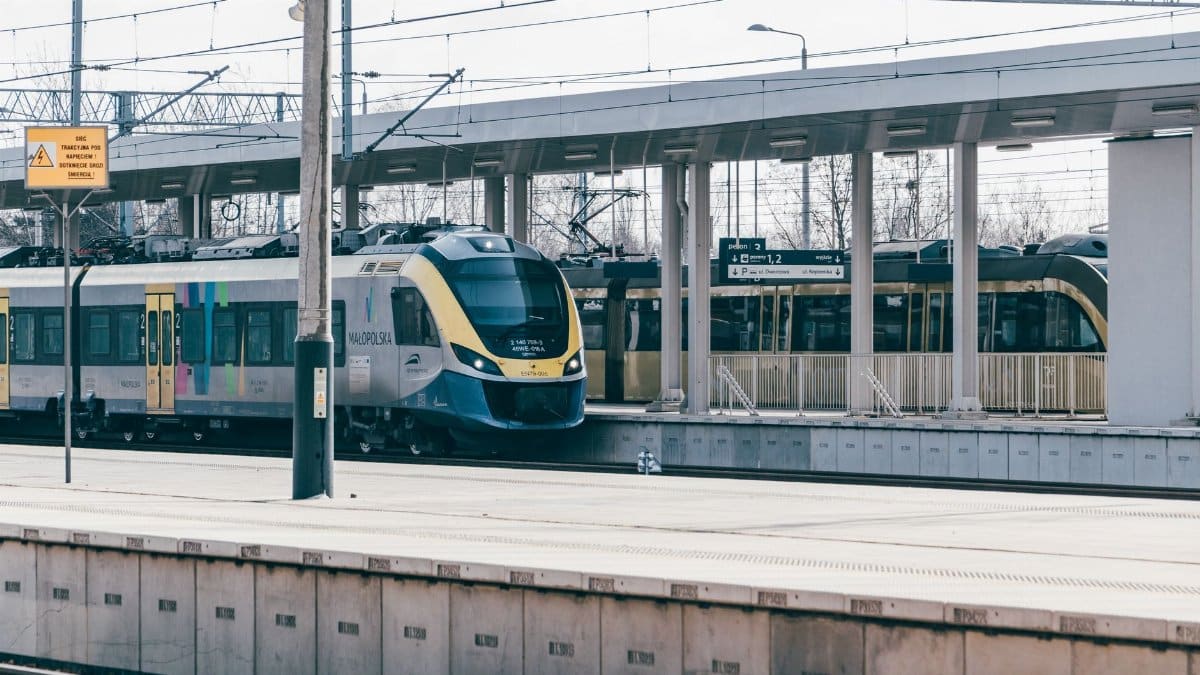
Sound Transit has pursued an ambitious expansion of light rail service to connect various parts of the Seattle area. The effort aims to reduce car dependency and support population growth in outlying neighborhoods. Officials have emphasized environmental benefits alongside improved access to jobs and services. Yet repeated adjustments to budgets and schedules have tested public patience with the overall vision.
Details Behind the Latest Update

Inflation has driven up material costs for tracks stations and trains. Planners also encountered soil conditions and permitting complexities that required fresh studies. These factors combined to alter earlier projections for when trains would begin running between Sodo and West Seattle. The agency described the situation as difficult news while stressing a commitment to eventual delivery.
Impact on Local Neighborhoods

Business owners along the planned route worry about prolonged construction zones. Families who bought homes expecting convenient rail access now face uncertainty over property values. Community meetings have grown more frequent as people seek clearer answers on how the changes will unfold in daily life.
Comparisons With Other City Projects
Similar rail initiatives in other American cities have encountered parallel obstacles. Cost overruns often stem from supply chain disruptions and evolving safety standards. Leaders in those places have sometimes scaled back ambitions or sought extra funding from state and federal sources. Seattle appears to follow a familiar pattern in large scale infrastructure work.
Financial Pressures at Play

Tax revenues dedicated to transit have not kept pace with current market realities. Bond financing carries higher interest rates than in prior decades. Agency staff continue to review options for trimming scope or phasing construction over longer periods to manage cash flow.
Public Reaction and Advocacy Efforts

Advocacy groups have called for greater transparency in cost estimates from the start. Some residents suggest exploring bus rapid transit as a quicker alternative while rail planning continues. Others remain hopeful that the full project will proceed once economic conditions stabilize.
Environmental Considerations

Proponents highlight reduced emissions from fewer car trips once service begins. Critics point to the carbon footprint of extended construction periods and material production. Balancing these factors requires careful analysis from independent reviewers.
Future Phases and Potential Adjustments

Planners may prioritize certain segments of the line over others. Additional studies could identify ways to accelerate portions of the work. Coordination with city agencies on land use around stations remains an ongoing task.
Lessons From Past Infrastructure Work
Previous expansions taught the value of contingency reserves and flexible contracts. Early community input has proven essential in avoiding later disputes. Sound Transit officials indicate they are applying those experiences to the current challenges.
Broader Economic Context
Regional growth continues to strain existing transportation networks. Reliable public options can support workforce mobility and attract new employers. The West Seattle light rail represents one piece of a larger strategy to accommodate that expansion.