
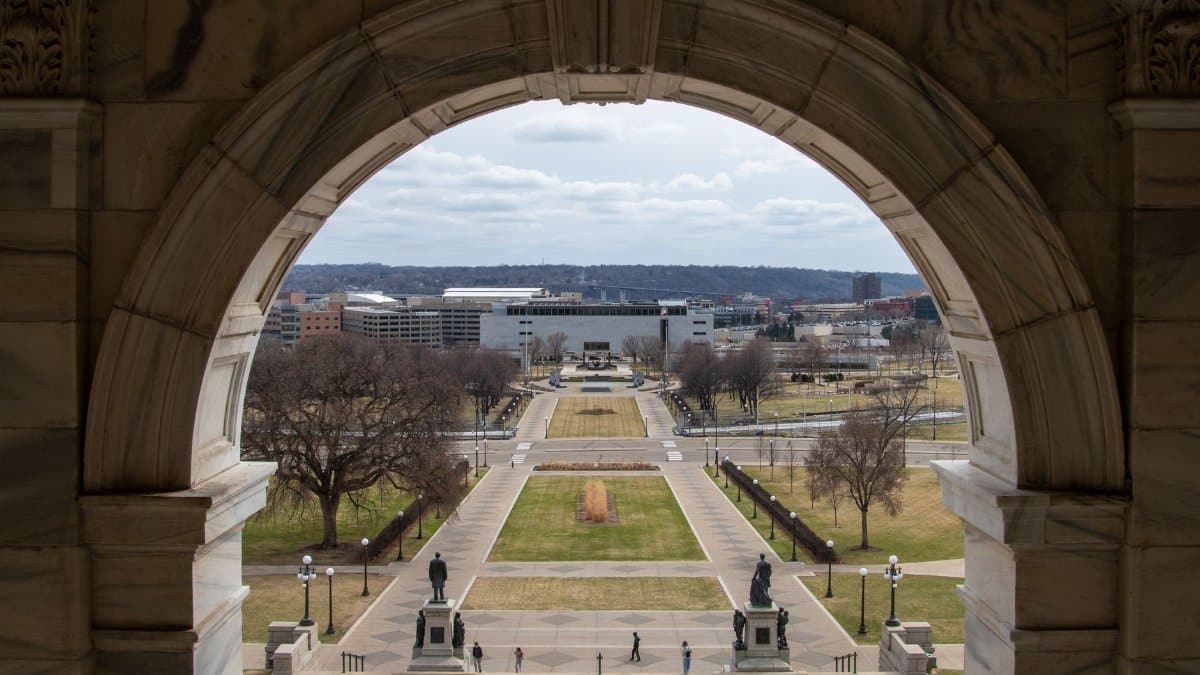
On a gray afternoon in a river town, the student union coffee line was short enough that the barista knew the regulars by their late classes. Posters for theater auditions curled at the corners. A facilities worker pushed a cart past empty study tables. Scenes like that have become the quiet backdrop to a larger argument about Minnesota State campus closures, and about whether a public system built for a bigger generation of students can keep every door open. Chancellor Olson has said a quarter of the fifty four campus system could soon hit a financial warning. For people who measure a college by its mailing address, that sentence lands harder than any spreadsheet.
A warning that traveled past the boardroom

Public colleges rarely announce trouble in dramatic language. They talk about structural deficits, enrollment cliffs, and program reviews. The warning attached to Minnesota State still cut through because it named a scale. A quarter of a statewide system is not a single struggling site. It is a map of places where the math no longer works under current rules.
Leaders have been careful not to publish a closure list as if the outcome were already chosen. That caution is wise. It is also incomplete. Communities hear a financial warning as a preview. Faculty hear it as a countdown. Students hear it as a question about whether the degree they started will still have a home when they finish.
The system is not a single university with branch offices. It is a network of two year colleges and four year universities spread across cities, farm counties, and towns that lost factories and never fully replaced them. Some campuses share a name and little else. A warning that treats them as one portfolio can be fiscally honest and still miss how uneven the pain would be.
What the pressure actually looks like

The pressure is not mysterious. Fewer traditional age students are finishing high school in many regions. More adults are working while they study, or delaying college because wages and rent leave no spare semester. State support has not reliably grown with costs. Buildings still need heat, roofs, and accessibility work whether the lecture hall is full.
A small campus can look inefficient on a per student basis and still be the only public option within an hour. Fixed costs do not shrink in neat proportion when a class drops from twenty eight students to fourteen. Advising, financial aid, and basic science labs do not become optional because a cohort is thin. Online sections help, but they do not replace a nursing lab, a welding bay, or a place to meet an advisor who knows the local employers.
None of this requires invented precision. The direction is visible in empty parking rows and in majors that survive only by sharing faculty across sites. The political problem is that a warning without a public method invites rumor. Rumor is a poor way to run a college system.
Towns that organized the week around a campus

In many Minnesota towns the campus is not a prestige brand. It is a landlord, an employer, a nighttime light on the main road, and the reason a bus still runs. When a college shrinks, the coffee shop feels it before the legislature does. So does the clinic that counted on student health partnerships, and the high school counselor who sent first generation students a few miles down the road instead of across the state.
Closure talk also brushes against identity. A campus can be the place where a county first saw itself as more than a labor market. Theater, athletics, and adult basic education are easy to dismiss as extras until they are the reason a parent stays in school and a teenager stays in town. I have sat in enough community meetings to know that people do not argue about spreadsheets first. They argue about whether their children will have to leave to become the person the family hoped for.
That emotion can cloud judgment. It can also reveal a cost that a system balance sheet never books. If Minnesota State campus closures proceed without a local replacement for training and gathering, some towns will not merely lose a building. They will lose a reason for young adults to imagine a future nearby.
Students who cannot simply transfer

The tidy version of consolidation assumes a student can move. Many cannot. They care for parents. They share a car. They work nights at a hospital or a plant that will not rearrange a shift for a commute to another city. A program that exists forty miles away might as well be in another state if the class starts at eight and childcare ends at seven.
Transfer is also academically messier than brochures suggest. Credits do not always map. A student midway through a technical sequence cannot pause a year while leaders redraw the map. Athletes, student parents, and students with disabilities often chose a campus because it was navigable, not because it was famous.
Any honest overhaul has to count those frictions as real costs, not as sentiment. If a campus closes and the students it served do not reappear elsewhere in the system, the state did not save money on education. It stopped providing it.
Faculty, majors, and the slow erasure of a program

Campuses rarely vanish in a single vote. They thin. A language major ends. A history line is not replaced. An evening section moves online and then disappears when enrollment dips. Students notice when the person who taught the hard course is also the person who wrote the recommendation. Adjuncts notice first, because they have the least insulation and often the most contact with working learners.
Faculty are not merely a cost center. On a small campus they are the memory of the place. They know which employer actually hires graduates and which partnership is a press release. Losing that knowledge in a rushed consolidation is a kind of institutional amnesia. Rebuilding it at a larger campus takes years, if it happens at all.
There is a fair counterpoint. Protecting every program at every site can trap students in majors too thin to offer a real sequence. A college that cannot staff upper level courses is not doing those students a kindness. The hard work is telling the difference between a program that should merge and a campus that should not be asked to pretend it is fine.
The case for a smaller map

Consolidation is not a moral failure by definition. A public system owes taxpayers a design that can last. Running parallel administrations, half empty residence halls, and duplicate low enrollment majors can drain money from the classrooms that still have students in them. A quarter of campuses nearing a warning sign is a signal that delay has its own price.
A smaller map could mean stronger programs: fuller labs, more reliable advising, and degrees that employers recognize because the cohort is large enough to sustain quality. Shared services, common course numbering, and honest program review can reduce duplication without locking the doors. Some sites might become centers for workforce programs rather than full campuses. That is not the same as abandonment, if the change is named clearly and funded.
Leaders who refuse to consider any closure risk a worse outcome: across the board cuts that weaken every campus and save none. Courage in this setting is not toughness for its own sake. It is the willingness to say which functions are essential and which addresses can no longer carry a full college.
The case against treating a campus as a spare part
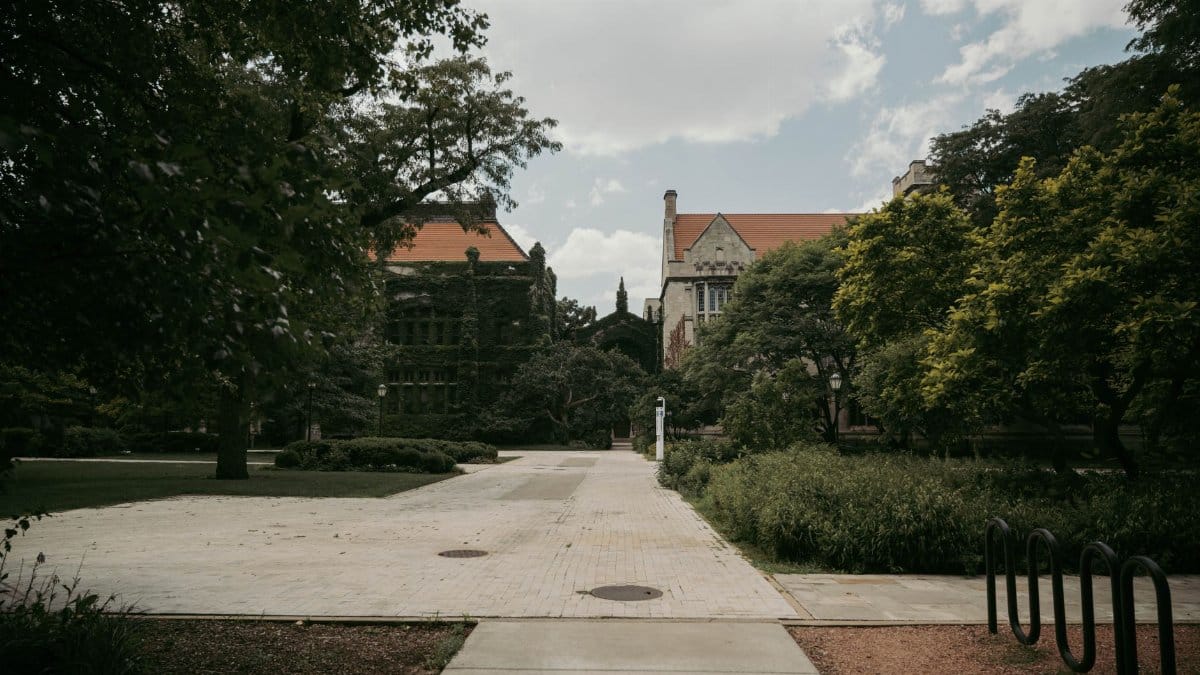
The opposing case is just as serious. Rural and regional access was the point of building a broad system. If the surviving campuses cluster where population and political power already sit, the overhaul will widen a divide the colleges were meant to narrow. Students with money will still find a path. Students without it will meet a closed sign and a link to a login page.
There is also a trust problem. Communities remember other promises that a merged program would remain local, only to watch the courses drift toward the larger site. Once that happens, skepticism is rational. A system that wants consent for hard choices has to show its criteria in public: enrollment trends, program cost, student outcomes, travel burden, and what would replace a closed door.
Minnesota State campus closures should not be framed as an efficiency contest judged only from a central office. A campus can be small and still be the difference between a licensed nurse in a county and a vacancy that lasts for years.
What a screen cannot carry

Online learning kept many students enrolled when buildings shut, and it remains a lifeline for adults. It is not a universal substitute. Hands on fields still need hands. Students who struggle with broadband, quiet space, or the self direction that a screen demands often do better when someone can see that they have stopped coming.
A hybrid future is likely, and it should be designed rather than stumbled into. That means local proctoring sites, reliable tutoring, and faculty who are paid to teach online as a craft instead of as an emergency. It also means admitting that some students will not persist if the only remaining option is a course that never meets. Access is not the same thing as a portal.
What leaders owe people before a vote

Before any campus is closed, the system owes a plain account. Which sites are near the warning line, by what measure, and over what period? What would it cost to keep a reduced footprint rather than exit entirely? Which programs would move, which would end, and where would current students finish? What transportation, housing, and tuition help would follow the people who are asked to travel?
Those questions are not obstacles to reform. They are the reform. A process that starts with rumor and ends with a vote will produce lawsuits, bitterness, and students who simply leave higher education. A process that starts with published criteria can still reach painful answers. It can also show that the pain was weighed.
Faculty senates, student governments, and city councils should be in the room early, not as an audience for a decision already made. So should employers who depend on local graduates. If a hospital, a manufacturer, or a school district cannot replace a pipeline, that fact belongs in the same briefing as the deficit.
A narrower system that still keeps a promise
The state does not have to choose between nostalgia and a spreadsheet. It can decide that some campuses will change form: fewer majors, shared leadership, more technical training tied to regional jobs, and buildings used by the community when classes are not in session. It can also decide that a few sites cannot continue as colleges and say so with a timetable long enough for students to finish.
What it should not do is let a financial warning drift until closures arrive as an emergency. Emergency decisions are blunt. They protect budgets and scatter people. A public system is supposed to do the opposite: gather people who would not otherwise meet, and give them a way forward that does not require a family fortune.
Chancellor Olson’s warning is a chance to tell the truth before the truth arrives as a lock on a door. If Minnesota State campus closures come, they should come with a record of who was heard, what was measured, and what remains within reach of a student who cannot leave town. A college system is ultimately a promise about place. Breaking that promise carelessly would be a deeper loss than any single campus.