
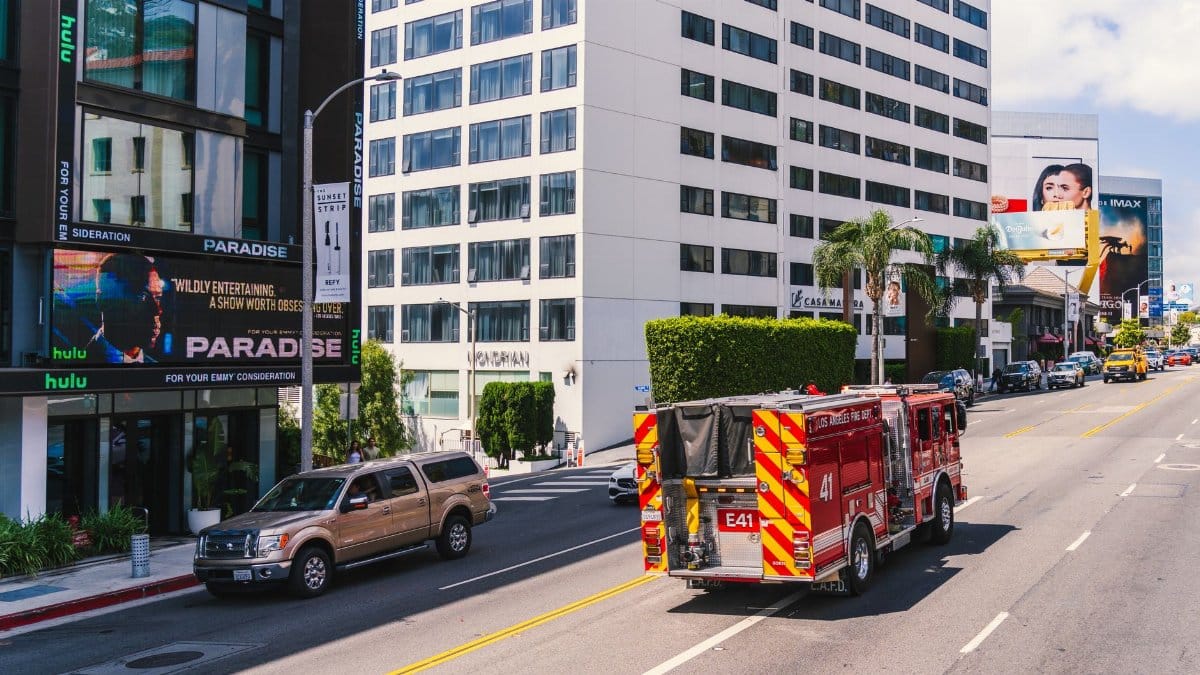
Residents across West Hollywood faced sudden disruption when a major pipe failure sent water cascading across key roadways near the famed Sunset Strip. Emergency crews responded swiftly to contain the flow while assessing damage to nearby structures and vehicles. The WeHo water main break highlighted vulnerabilities in aging infrastructure that serves a bustling urban corridor. Officials noted initial assessments pointed to extensive repairs needed before full restoration could occur. Local authorities worked to redirect traffic and support affected businesses during the ongoing situation.
Community Response to Infrastructure Challenges
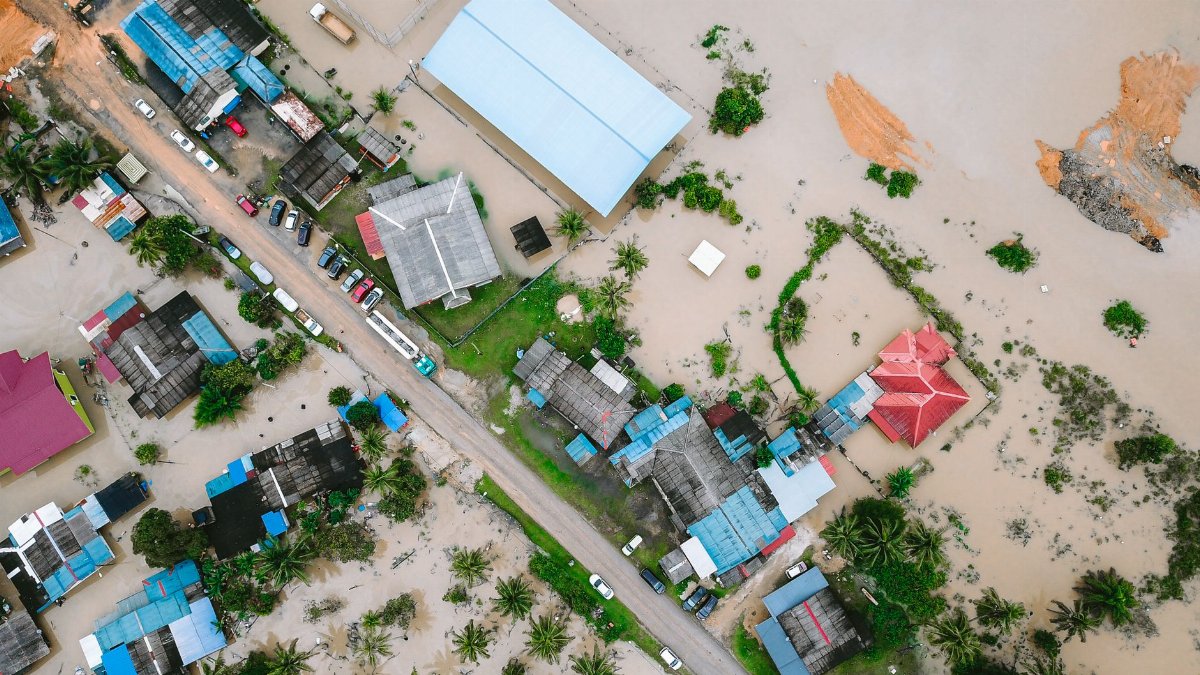
Neighbors gathered to share stories of the event and offer mutual aid in the hours after the incident. Many expressed gratitude for quick action by city workers who prevented further flooding into homes and shops. This spirit of cooperation emerged as a key theme amid the recovery process.
Traffic Disruptions Along Sunset Strip
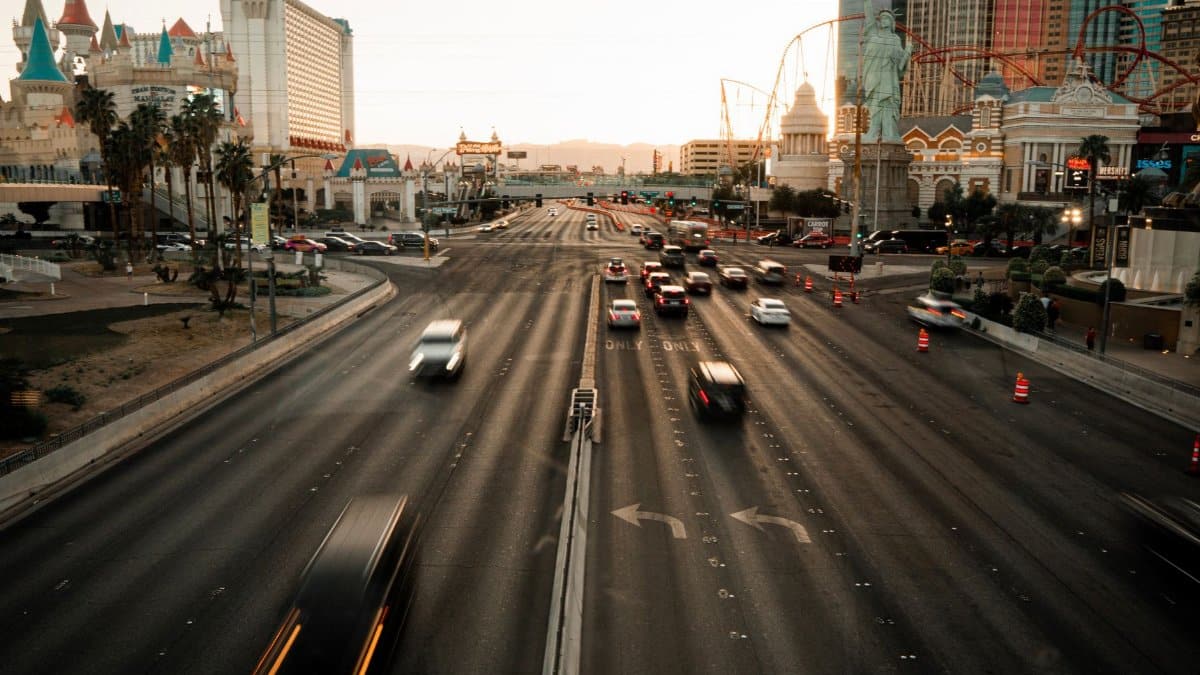
Road closures forced drivers to seek alternate routes through side streets and neighboring areas. Public transit adjustments helped some commuters while others relied on rideshares or walking. The prolonged shutdown created ripple effects felt throughout the region.
Historical Context of Local Water Systems
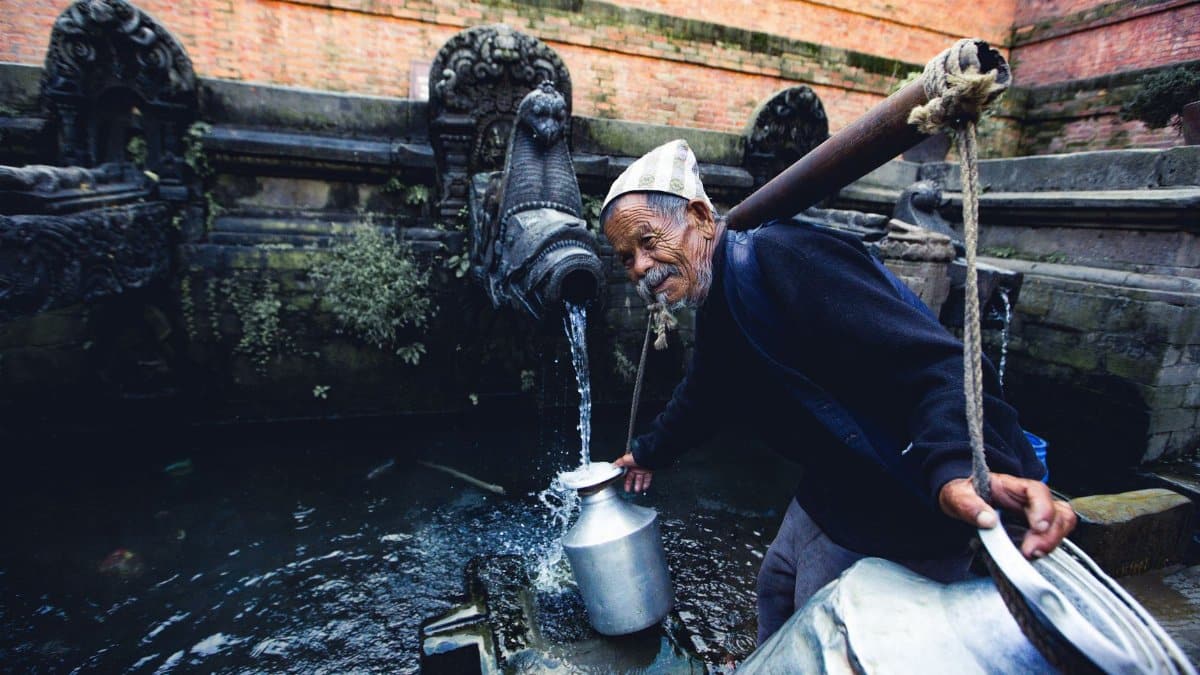
The pipe in question dated back many decades and had undergone prior inspections according to municipal records. Similar incidents in other cities have prompted broader reviews of underground networks. Experts emphasize proactive maintenance as essential for preventing future occurrences.
Business Adaptations During Closures

Shop owners pivoted to online sales or temporary pop up locations to maintain revenue streams. Some reported creative solutions such as delivery services expanded to reach loyal customers. Resilience in the face of adversity became evident in these entrepreneurial shifts.
Environmental Considerations in Repair Work
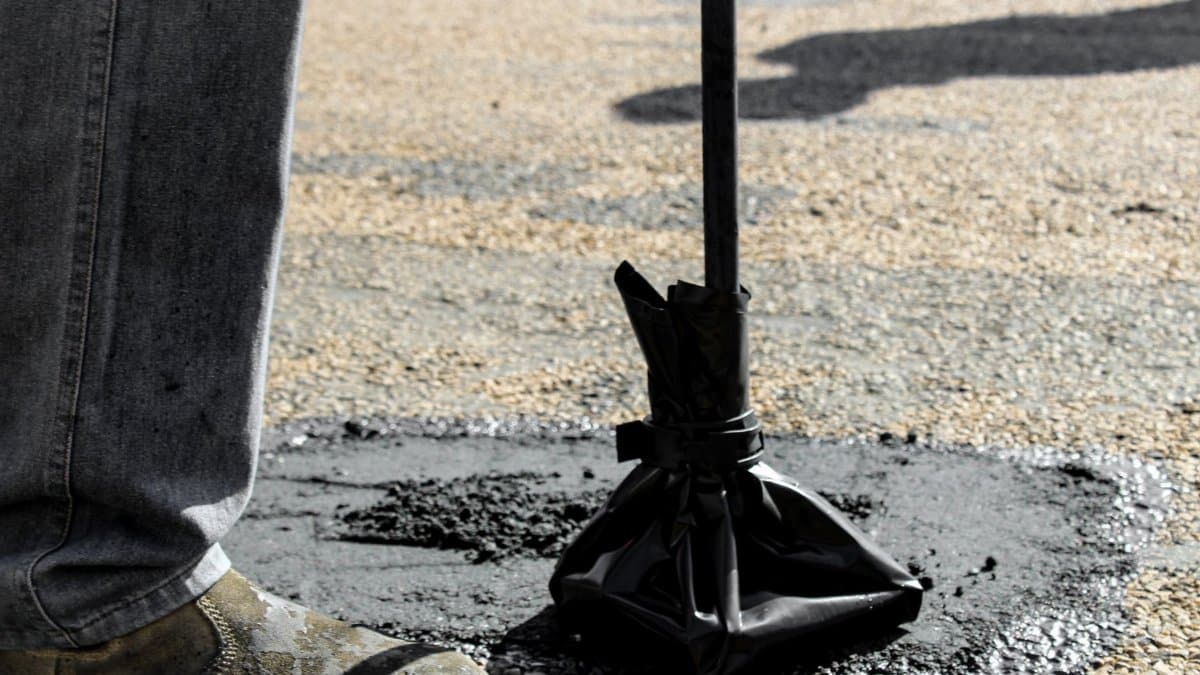
Teams took measures to minimize runoff into storm drains and protect nearby green spaces from excess water. Sustainable practices guided the cleanup to align with modern standards for urban projects. Such steps reflect growing awareness of ecological impacts.
Public Safety Measures Implemented
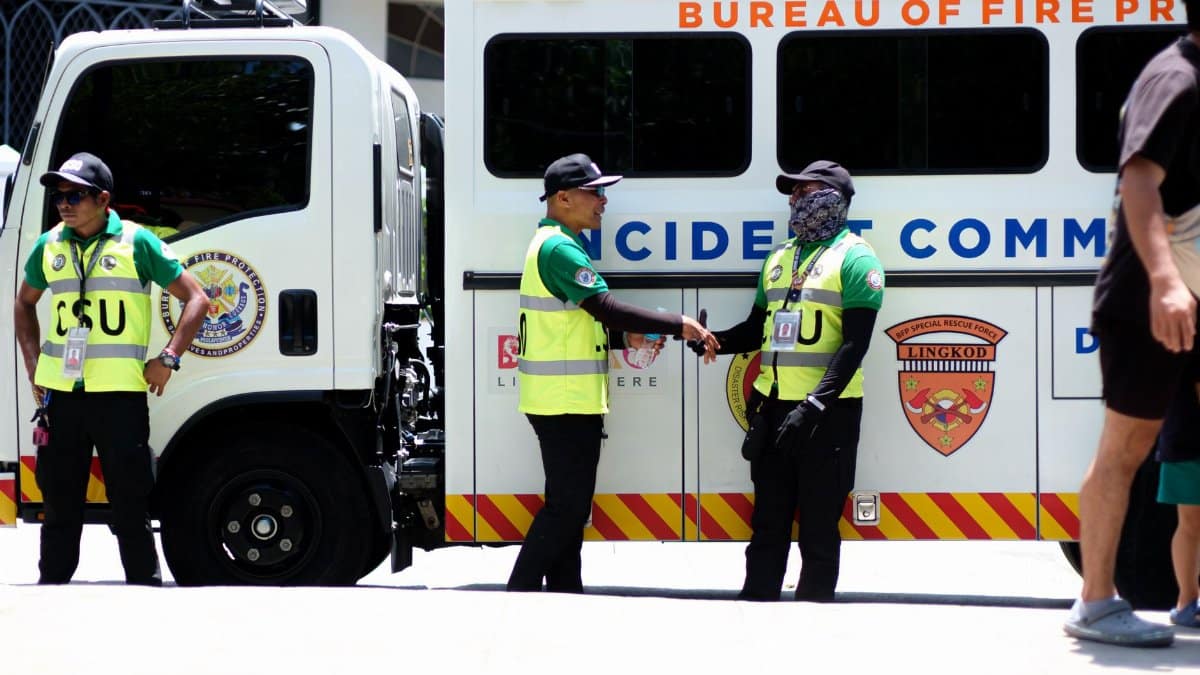
Barriers and signage alerted passersby to hazards while crews operated heavy machinery. Coordination between police and fire departments ensured orderly evacuation zones where needed. Safety remained the top priority throughout the response.
Lessons in Urban Resilience and Faith
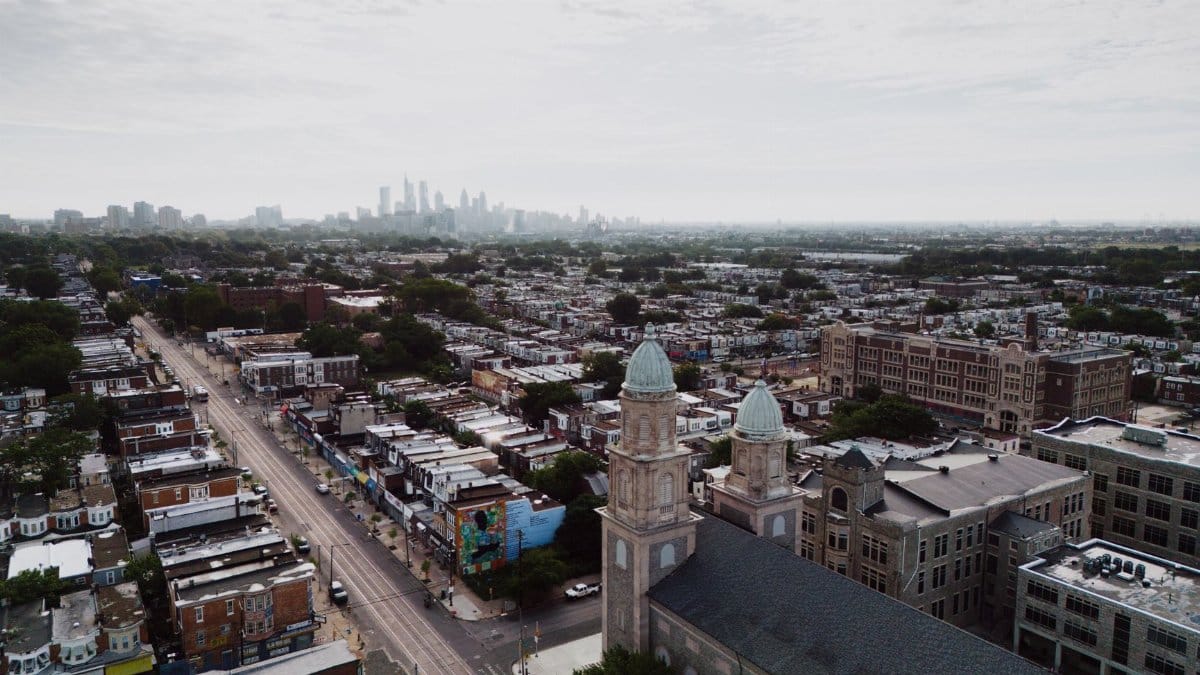
The event prompted reflections on how communities draw strength from shared values during crises. Spiritual leaders in the area spoke of unity and hope as guiding forces for recovery efforts. These themes resonate with broader trends in finding meaning amid unexpected trials.
Future Upgrades to Aging Networks

City planners discussed potential investments in modern materials and monitoring technology. Public forums invited input from residents on priorities for long term improvements. Such dialogues foster greater transparency in governance.
Media Coverage and Public Awareness
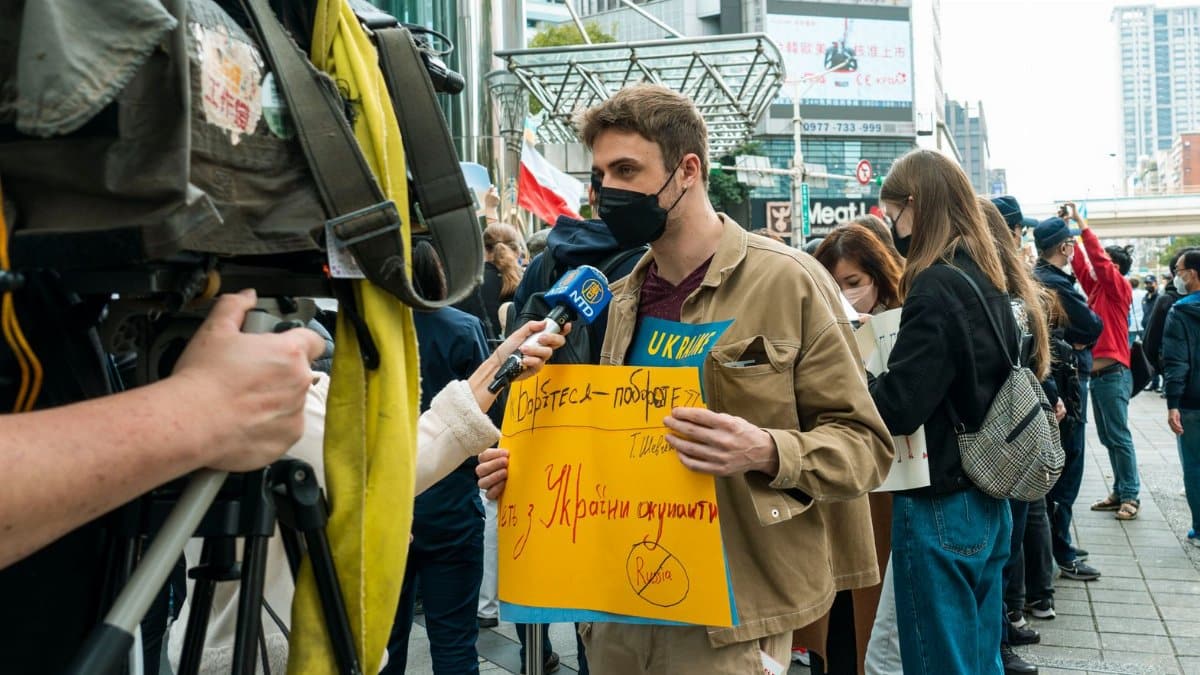
Reports from various outlets helped disseminate updates and safety advisories to a wide audience. Accurate information proved vital in reducing confusion during peak disruption times. Journalists played a role in connecting officials with those impacted.