
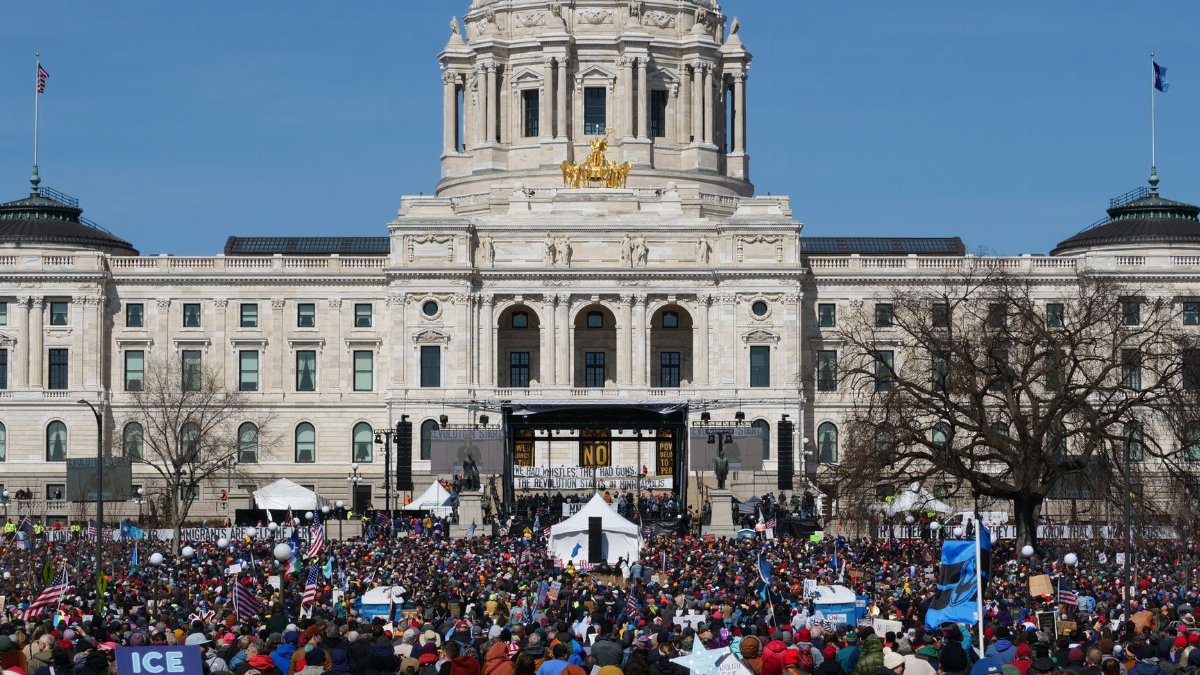
In the quiet suburbs west of Minneapolis voters are weighing a choice that could reshape local representation for years ahead. The Minnesota Senate Primary has become a focal point for discussions about what qualities matter most in public service at a time when many feel disconnected from institutions.
Background on the District Contenders

Long serving state Senator Ron Latz brings decades of work on public safety and education funding to the race. His record shows consistent support for measures aimed at reducing crime rates while expanding access to early learning programs. Challenger Lynette Dumalag presents herself as someone ready to bring fresh energy and different life experiences to the legislature. She has emphasized community organizing and issues affecting working families in recent months.
Party Debates Over Tenure

Within Democratic circles the contest highlights tensions between valuing institutional knowledge and seeking leaders who reflect demographic shifts in the state. Some activists argue that extended time in office can lead to complacency while others point to the need for steady hands during complex budget negotiations. This Minnesota Senate Primary serves as one example of broader conversations happening in several states.
Voter Sentiments in Key Precincts

Residents in Edina and surrounding areas express mixed views during recent door knocking efforts. Older voters often mention appreciation for Latz consistent presence at town halls while younger participants talk about wanting representatives attuned to housing costs and climate concerns. Turnout patterns from past elections suggest these groups could decide the outcome.
Policy Positions Compared

Latz has championed bills increasing support for mental health services and updating criminal statutes. Dumalag focuses on expanding transit options and addressing racial disparities in school discipline. Their approaches differ in emphasis though both claim commitment to progressive goals shared by most party members.
Role of Endorsements and Funding

Labor unions and progressive organizations have split their backing between the two with some choosing neutrality. Campaign finance reports indicate modest spending so far though outside groups may increase activity as the date nears. This dynamic affects how messages reach households across the district.
Historical Context for Such Races

Primary challenges to incumbents remain uncommon in Minnesota yet they have grown more frequent nationally as parties grapple with internal divisions. Past examples show that experience sometimes prevails when voters prioritize stability over promises of rapid shifts in direction.
Implications Beyond One Seat

The result could influence strategies in future cycles including the 2026 contests mentioned in party planning documents. It also offers clues about whether appeals to continuity or renewal resonate more strongly with the suburban electorate that often decides statewide balance.
Looking Ahead to Election Day
With ballots set to arrive soon both campaigns are intensifying outreach through mailers and neighborhood events. Observers will watch participation levels closely to gauge whether the Minnesota Senate Primary signals lasting changes in how Democrats select their standard bearers.