
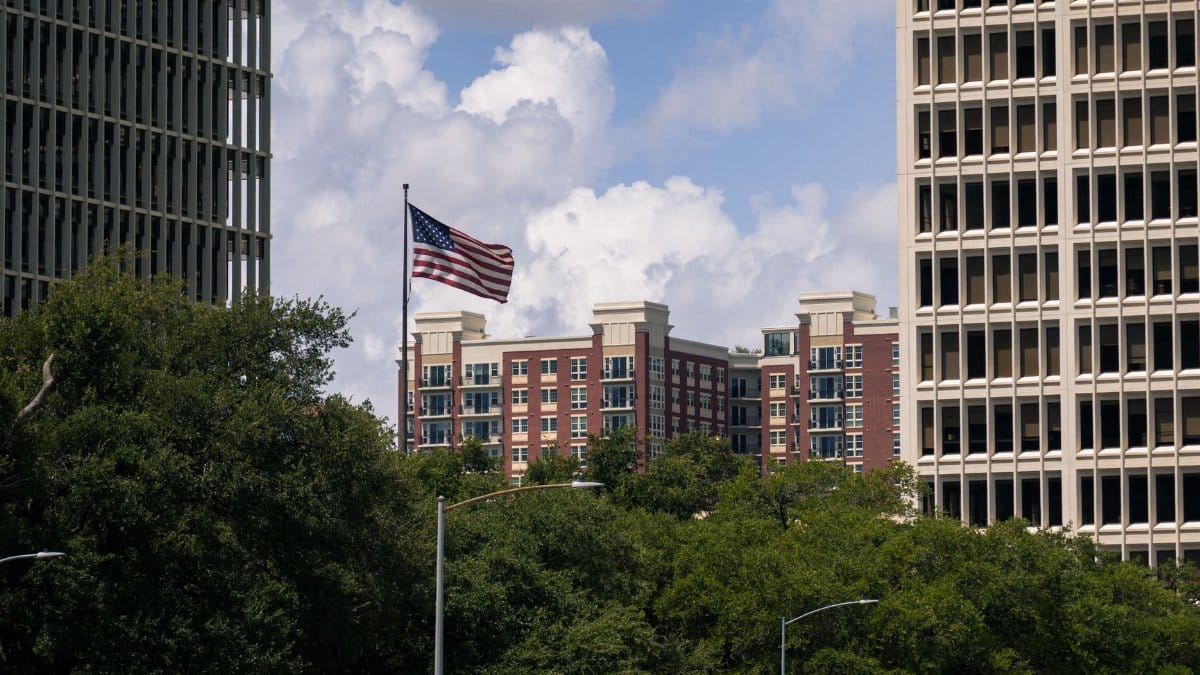
In a time when major energy firms reassess their footprints amid market changes and remote work patterns, Shell Houston headquarters stands out as a notable example of corporate adaptation. The company has listed its expansive Woodcreek campus in the Energy Corridor for approximately 325 million dollars through a sale and leaseback arrangement. This approach allows Shell to unlock capital while retaining a reduced presence on the site. The decision reflects broader trends in how legacy players navigate real estate holdings in a city long tied to oil and gas operations. Observers note that such moves can signal efficiency drives without full relocation away from key talent pools and infrastructure.
Property Details and Location Context

The Woodcreek site spans multiple buildings designed for administrative and technical roles central to upstream activities. Positioned along major corridors west of downtown Houston the campus offers easy access to both airport routes and residential areas favored by professionals. Its scale once supported thousands of employees yet recent adjustments have already trimmed on site staffing levels significantly.
Reasons Behind the Listing Decision

Shell has pursued portfolio optimization in recent years as global demand patterns evolve and costs come under scrutiny. Listing the longtime base frees resources for core operations and technology investments elsewhere. Local market analysts suggest the timing aligns with steady interest from investors seeking stable assets in established business districts.
Impact on Local Workforce and Operations

Employees based at the campus will see minimal immediate disruption since a leaseback component keeps essential functions intact. Many roles have already shifted to hybrid models allowing continued collaboration without the full footprint of prior decades. Community leaders in the corridor view the transaction as a sign of ongoing vitality rather than decline.
Market Conditions Influencing the Sale

Houston commercial real estate has shown resilience with demand from both domestic and international buyers for well located campuses. Pricing at this level indicates confidence in long term value tied to the regions energy heritage and diversified economy. Comparable deals in recent quarters have drawn pension funds and real estate trusts seeking predictable returns.
Broader Trends in Corporate Real Estate

Across the United States companies in capital intensive industries increasingly favor flexible arrangements over outright ownership. This pattern supports balance sheet strength while adapting to fluctuating staffing needs. For firms like Shell such strategies complement wider efforts to streamline legacy holdings built during periods of rapid expansion.
Future Plans for the Site
Shell intends to maintain a smaller office component focused on select teams even after the transfer. Potential new owners may explore mixed use upgrades or modernization that could enhance appeal for a wider tenant base. The transaction structure leaves room for ongoing partnership between seller and buyer.
Historical Significance of the Campus
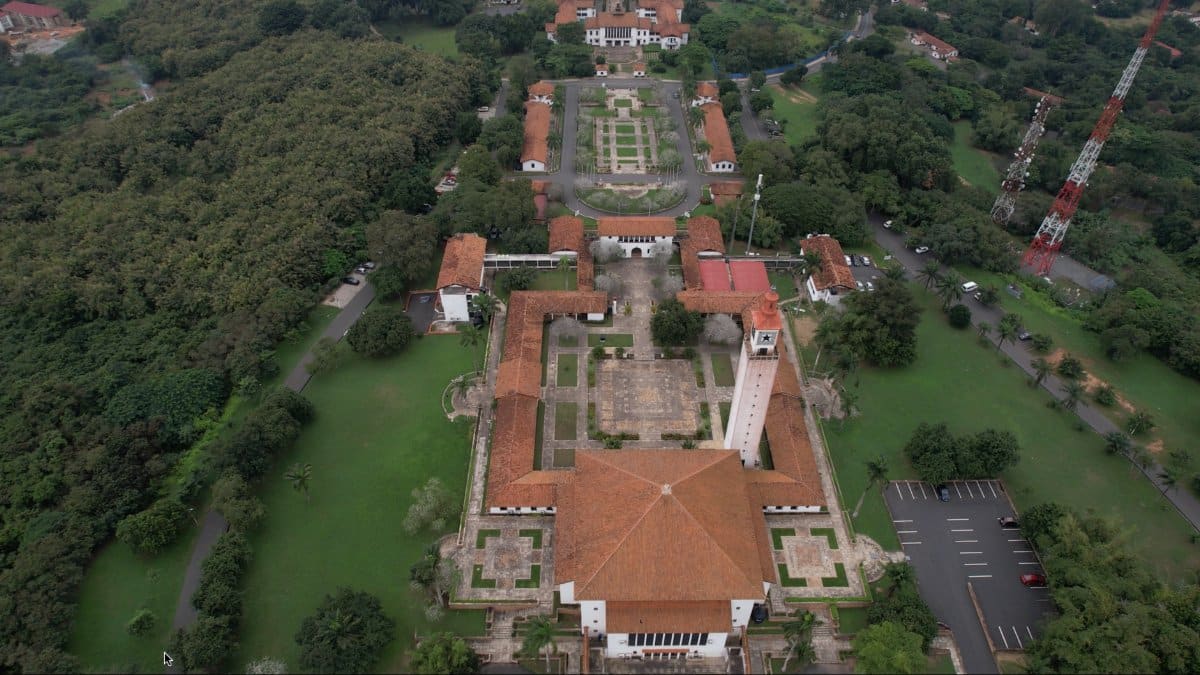
Developed over several decades the Woodcreek location became synonymous with Shell presence in the United States. It hosted key decision makers and technical experts who shaped projects across the Gulf of Mexico and beyond. Its architecture and amenities reflect an era when on site collaboration defined industry leadership.
Investor Interest and Potential Buyers

Early indications point to strong attention from institutional players familiar with energy adjacent properties. The combination of existing tenants and room for value add improvements makes the asset attractive in a competitive landscape. Negotiations are expected to proceed over coming months with closing likely by year end.
Implications for Houston Energy Corridor
The corridor itself continues to evolve as firms balance tradition with innovation. Transactions of this magnitude reinforce the areas status as a hub while encouraging complementary development nearby. Local officials anticipate sustained economic contributions from both retained operations and new ownership.
Looking Ahead for Shell Strategy

Shell Houston headquarters represents one piece of a larger realignment that includes international adjustments and technology shifts. By monetizing select holdings the company positions itself for agility in a sector facing regulatory and environmental pressures. Observers will watch how similar moves unfold among peers in the coming quarters.