
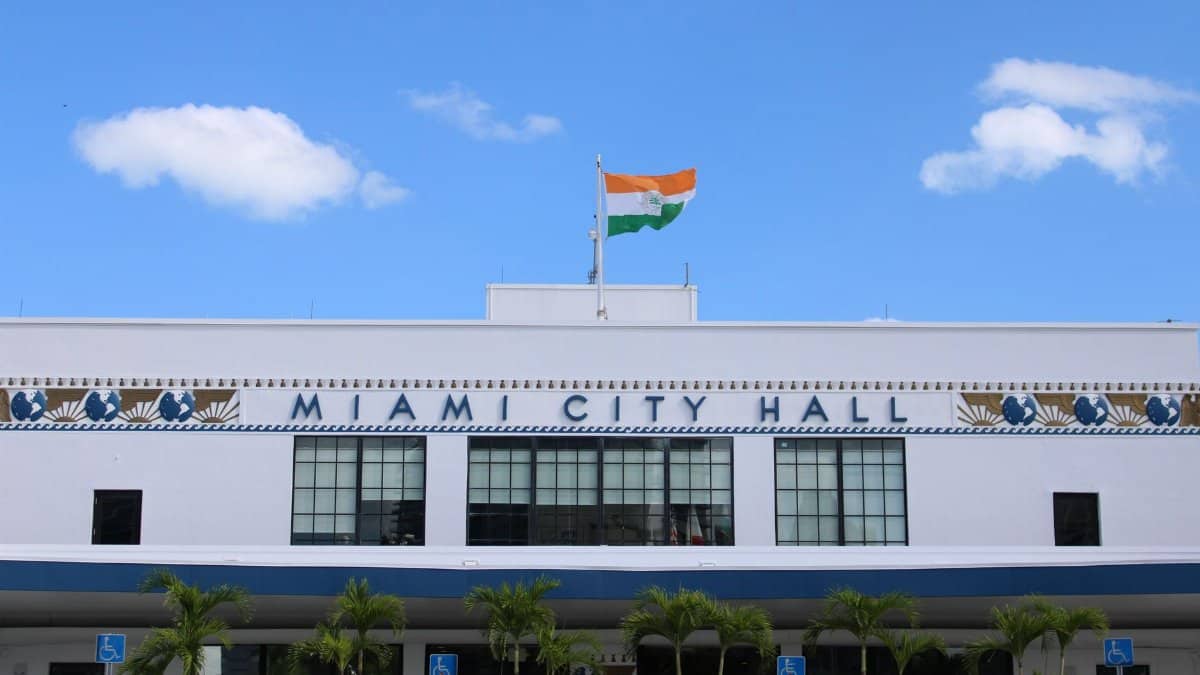
On a weeknight when most people would rather be home, a Miami Gardens resident rose in a city council chamber and tried to finish a criticism of local officials. The microphone did not stay open. What began as a dispute over a few minutes of public comment became a federal case, a judicial finding that her speech rights had been violated, and a settlement of $92,500. The episode, now summed up in the phrase Miami Gardens free speech, shows how quickly a local meeting can become a constitutional test. The right to petition city hall is not a favor granted by whoever holds the gavel.
A chamber built for the public
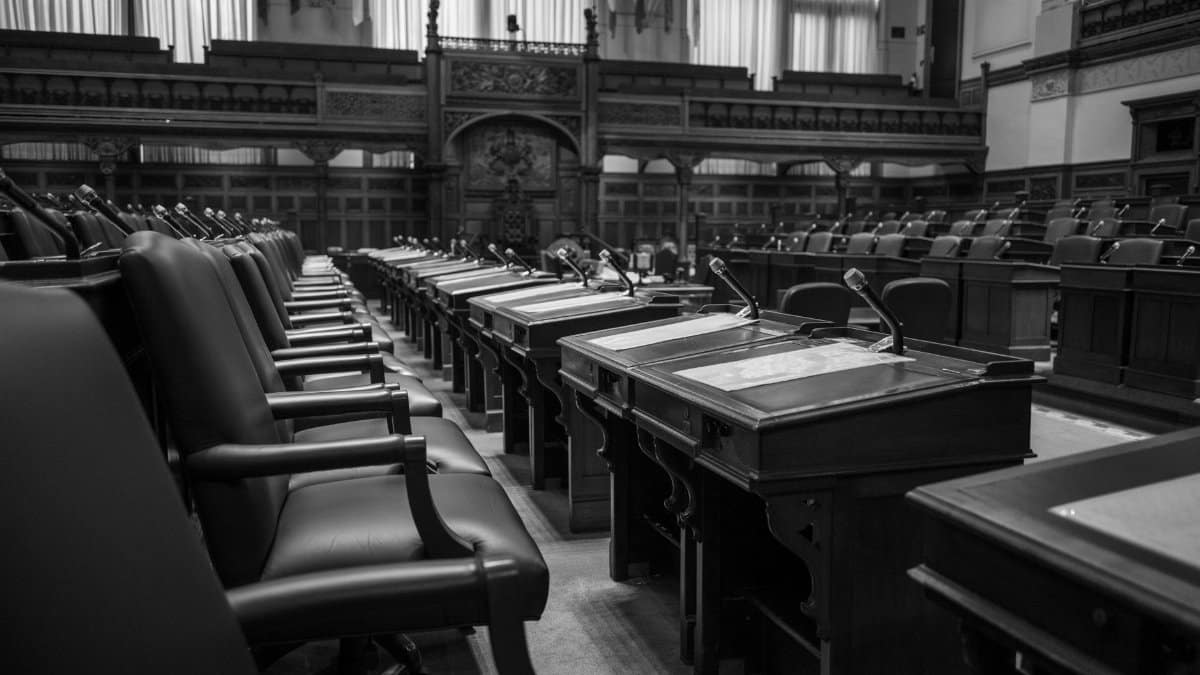
City council meetings are ordinary rooms with extraordinary rules. Residents come to complain about streets, police, contracts, and the tone of people in power. Officials come to move an agenda. Somewhere between those purposes sits a legal promise: government may set time limits, but it may not shut a speaker down because the message is unwelcome.
That promise is easy to recite and hard to honor. A mayor who has heard the same accusation for months may hear disorder where a judge later hears protected criticism. A clerk watching the clock may treat a pointed remark as a disruption. The Miami Gardens case turned on that difference. According to reporting by the Miami Herald, a federal judge concluded that the city had crossed from managing a meeting into silencing a resident, and the city later agreed to pay $92,500 to resolve the lawsuit.
The sum will not restore the minutes she lost. It does put a price on the choice to cut her off.
What the First Amendment actually covers
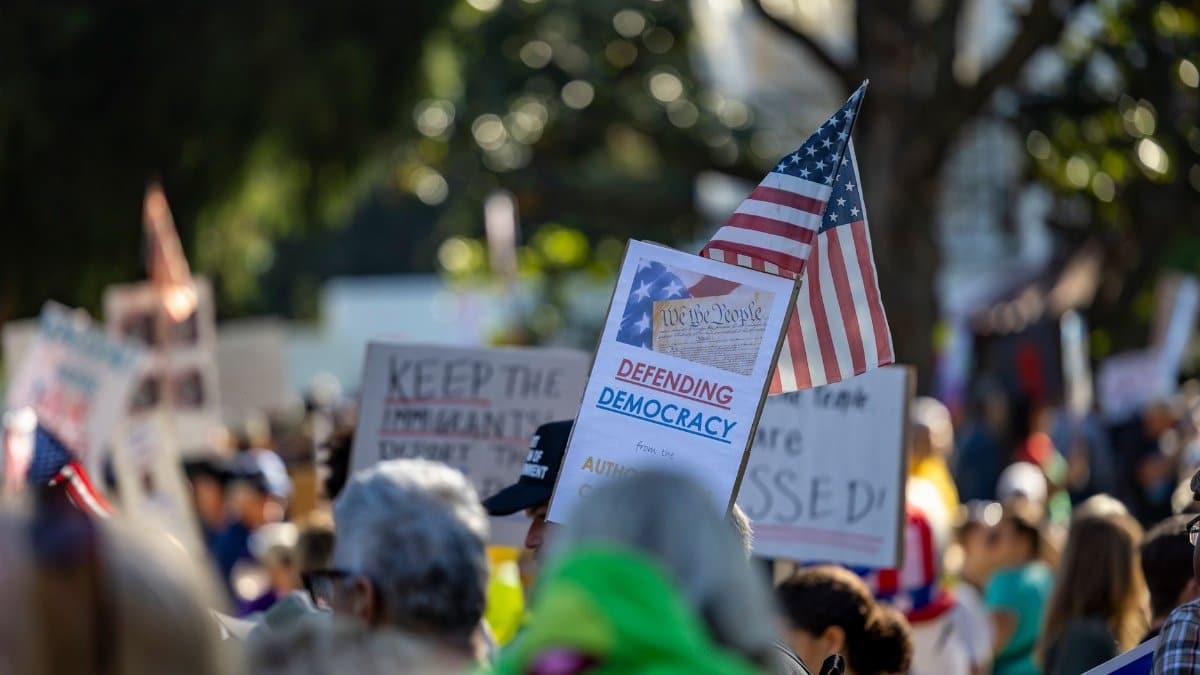
The First Amendment, set out by Cornell Law School’s Legal Information Institute at https://www.law.cornell.edu/constitution/first_amendment, protects speech, press, assembly, and the right to petition the government for a redress of grievances. Local comment periods are one of the few places where that last right is exercised in person, in front of the officials who can act.
Courts have long allowed cities to adopt neutral rules. Three minutes. A sign up sheet. A ban on threats, on shouting over others, on comments that have nothing to do with city business if the agenda item is narrow. Those rules must be applied evenly. A speaker who praises the mayor and a speaker who condemns the mayor are entitled to the same clock.
Viewpoint discrimination is the line judges watch most closely. If the gavel falls only when the criticism stings, the rule is no longer about order. It is about content. That is the heart of the Miami Gardens free speech dispute: not whether a city may run a meeting, but whether this city used its rules to punish a point of view.
How a local slight becomes a federal case
Most residents who feel slighted at a microphone go home angry and do not sue. Litigation is slow, expensive, and emotionally grinding. The resident at the center of this fight chose the harder path. She took the city to federal court and argued that officials had violated her constitutional rights by stopping her from speaking.
A federal courtroom changes the temperature. Council members who are used to controlling the room become defendants. Their comments, their procedures, and the video of the meeting become evidence. A judge does not grade political manners. A judge asks whether the government treated speech differently because of what was said.
The Herald reported that the judge ruled against the city on the First Amendment claim. That finding is the core victory. A settlement can follow for many reasons, including a wish to avoid further legal bills. A ruling that the Constitution was breached is harder to explain away as a business decision.
What $92,500 buys and what it does not

Settlements are compromises written in dollars. $92,500 is meaningful for an individual who spent years pressing a claim, and it is a noticeable hit for a municipal budget that also pays for police, parks, and payroll. It is not, by itself, a rewritten comment policy, a public apology read into the record, or a guarantee that the next critic will be heard in full.
Still, money talks inside city hall. Risk managers notice when speech cases stop being theoretical. City attorneys notice when a federal judge has already said the government was wrong. Council members notice when taxpayers, not the officials who held the gavel, bear the cost.
What the payment cannot purchase is trust. Residents who watched a neighbor get cut off may speak more carefully next time, or they may not speak at all. That chill is the injury that does not appear on a settlement check.
The quiet power of the gavel
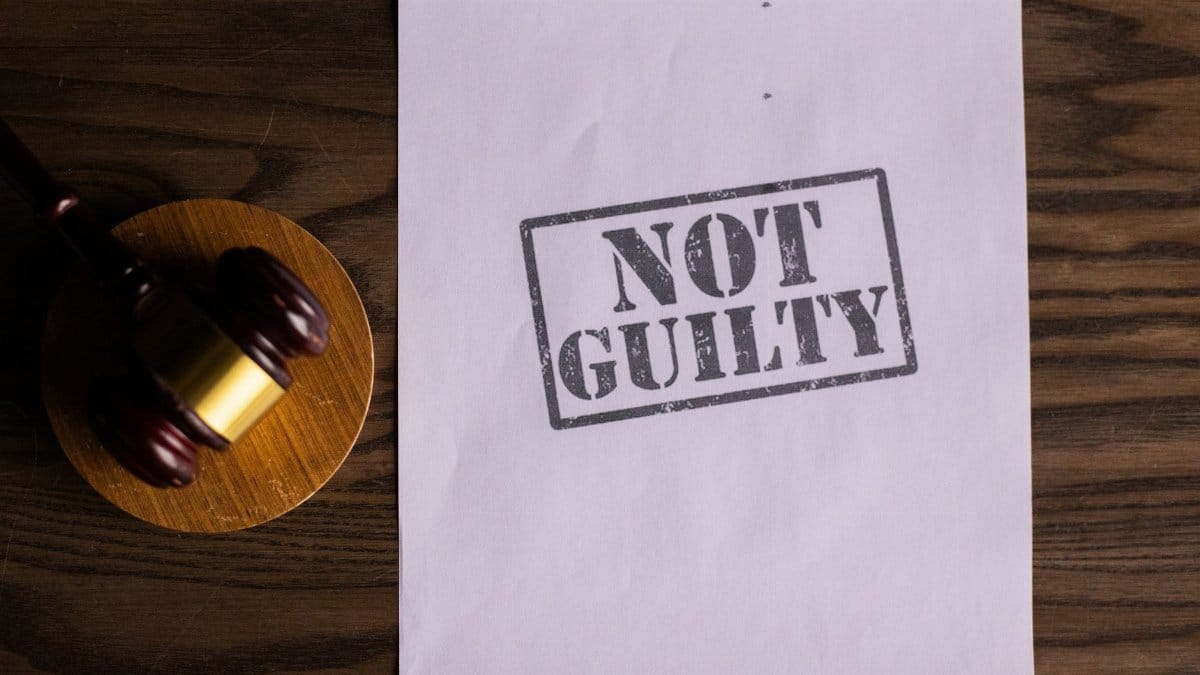
Anyone who has sat through a long meeting knows how much authority sits in small gestures. A warning. A request to wrap up. A declaration that remarks are out of order. Used fairly, those tools keep a meeting from collapsing into noise. Used selectively, they become a private veto.
The temptation is human. Officials are criticized in public, often without a chance to cross examine, sometimes by people who have their facts wrong. The constitutional design accepts that discomfort. Democracy is noisier than a well run staff meeting. The alternative, a chamber where only friendly voices finish their sentences, is orderly and hollow.
Miami Gardens free speech, as a local story, is really a story about that temptation. The resident did not need permission to be polite. She needed a government willing to hear something it did not like.
Taxpayers as the unintended audience
When a city loses or settles a civil rights case, the people who pay are rarely the people who made the call in the moment. Residents who never attended the meeting still fund the judgment, the lawyers, and the staff time. That is not an argument for denying claims. It is an argument for training.
Clear scripts help. A presiding officer can say the time is up for everyone, and then stop everyone at the same mark. A city can publish its comment rules in plain language and apply them on camera. Staff can be told that insulting speech is still speech, and that threats are a different category that police and courts already know how to name.
None of that requires a law degree in the chair. It requires a habit of evenness. The expensive cases are often the ones where evenness failed in a single evening and nobody in the room corrected it.
A pattern larger than one city

Miami Gardens is not the only place where public comment has become a flashpoint. Across the country, school boards and city councils have tightened rules after heated meetings, especially in years when national arguments arrived in local rooms. Some of those tightenings are lawful responses to genuine disruption. Some slide toward keeping critics brief and allies comfortable.
Journalists and residents can watch for simple signs. Do time limits apply to praise as strictly as to blame? Are speakers removed for volume, or for viewpoint? Does the video match the minutes? A meeting record that says a resident finished, when the tape shows a dead microphone, is not a small clerical error. It is the beginning of a record a judge may later read.
The phrase Miami Gardens free speech will travel because the facts are stark: a resident, a silenced comment, a federal ruling, a five figure settlement. Similar facts in other towns deserve the same plain description, without romance and without excuse.
What residents can reasonably expect

A resident should expect a posted rule, a visible clock, and a chance to speak that does not depend on whether officials agree. A resident should also expect to be stopped for threats, for drowning out other speakers, or for running past a limit that is enforced on all sides. Those expectations can live together.
They cannot live together if criticism itself is treated as disorder. Calling a policy foolish, a vote misguided, or an official unfit is often the entire point of the petition right. The Constitution does not require that such remarks be fair, kind, or even correct. It requires that the government not punish them by cutting the mic.
People who want change still have duties of their own. Accuracy matters. So does leaving room for the next person on the list. Civic speech is a shared resource. Protecting it means refusing both the heckler’s veto and the official’s veto.
After the check is written
Victories in court can feel complete on the day the order is signed and strangely unfinished a month later. The resident won a major point: a federal judge said the city violated her rights, and the city paid to end the case. Council meetings will still happen. Agendas will still run long. Someone will still stand up with a complaint that officials would rather not hear.
The test is what happens then. If the same rules cover friends and critics, the settlement will have done more than compensate one person. If the gavel still falls faster on unwelcome words, the city will have paid for a lesson it declined to learn.
I have sat in enough public meetings to know how small the moment feels when a microphone goes quiet. It can look like procedure. In Miami Gardens it became evidence. That is the lasting instruction of this Miami Gardens free speech fight. Local power is real, but it is not absolute, and a resident who insists on being heard can sometimes make a courtroom agree.