
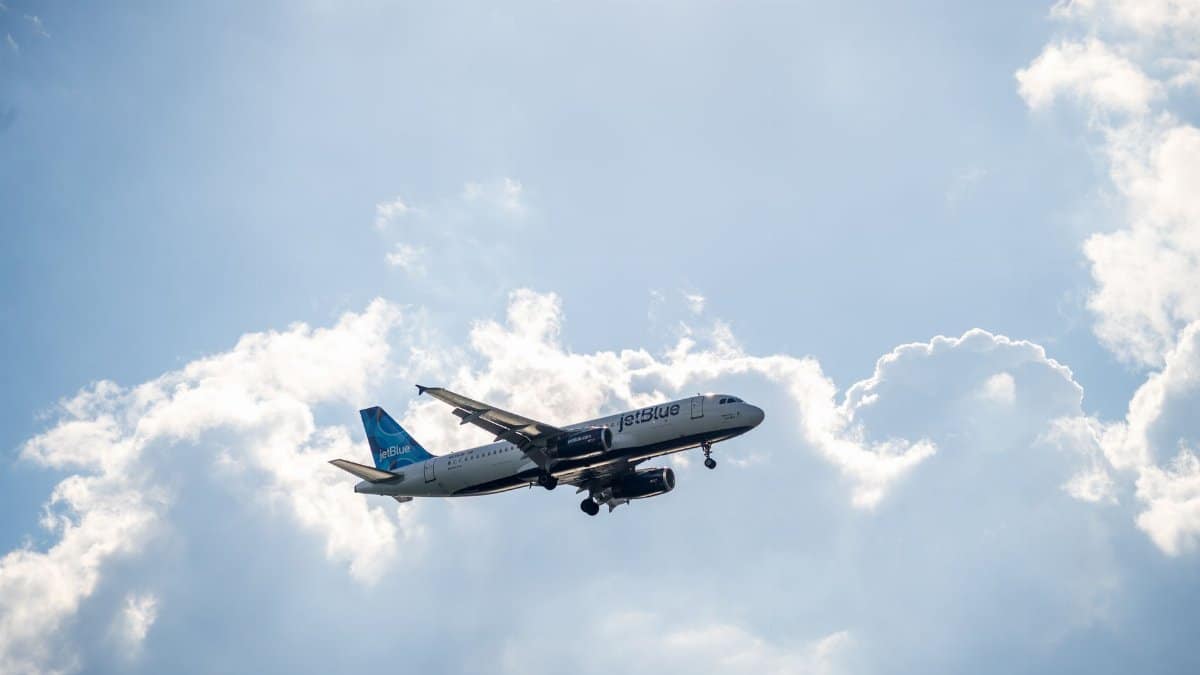
The late afternoon glare at the main airport in Fort Lauderdale has a way of making every departure look slightly urgent. Linen shirts, rolling bags, and rental car receipts pile up in the same security lines that serve beach weekends and weekday meetings in the Northeast. Into that mix JetBlue has set a quieter product, sold as JetBlue BlueFirst FLL, aimed at travelers who will pay to sit apart from the squeeze.
A cabin built for people who already fly often
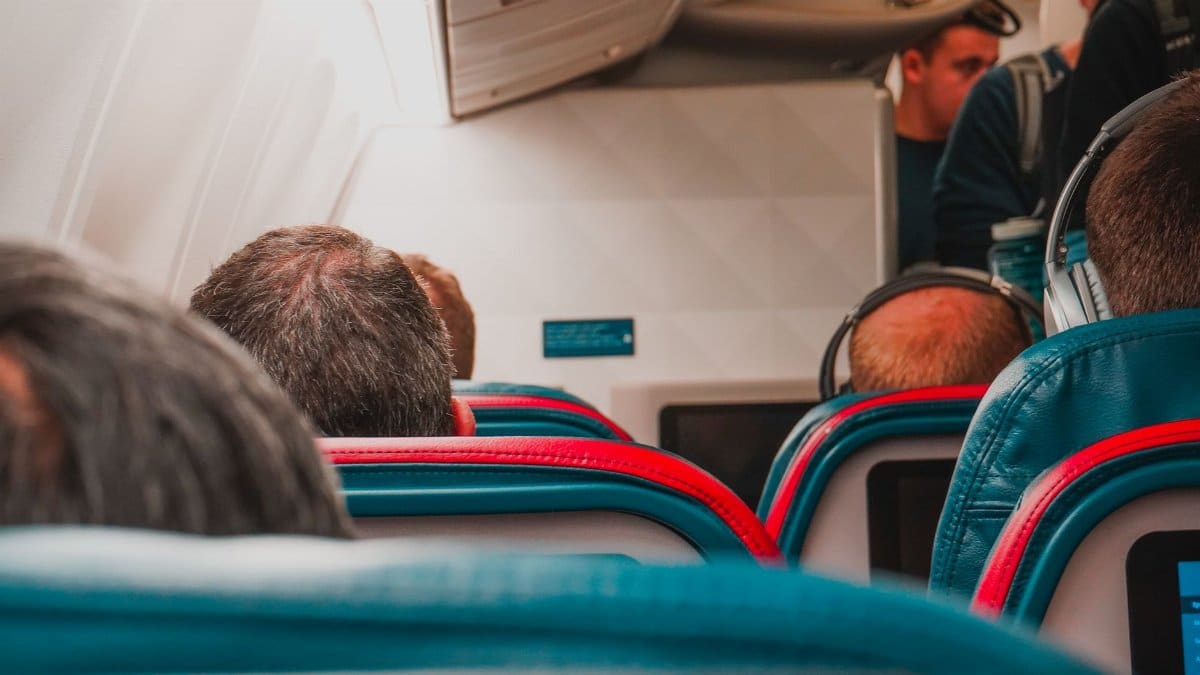
Premium flying used to mean a long ocean crossing or a coast to coast hop with a lie flat seat and a dinner that tried to impersonate a restaurant. On shorter routes the bargain was cruder. You bought a little more legroom, you boarded sooner, and you hoped the person in front of you did not recline into your laptop. JetBlue is arguing that South Florida now supports something more deliberate than that old compromise.
The airline already knows how to sell comfort. Mint taught a generation of transcontinental passengers that a low fare brand could also run a cabin people bragged about. BlueFirst is a different bet. It treats the front of a more ordinary airplane as a product with its own name, its own promise, and its own buyer, rather than as a few leftover seats upgraded at the gate.
Why this airport, and why now
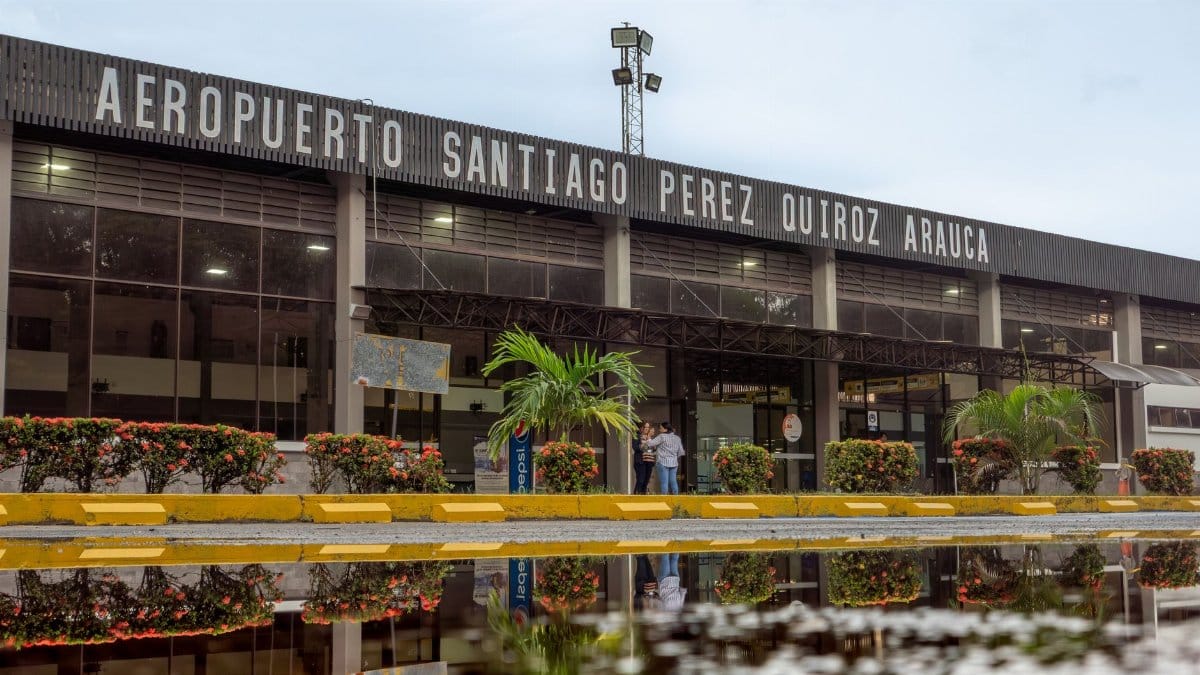
Fort Lauderdale has long lived in the shadow of a flashier neighbor to the south. Miami carries the international glamour. Fort Lauderdale carries the volume: cruise passengers, family reunions, consultants who keep a condo near the beach and a calendar full of Monday mornings in New York or Boston. That split is useful for an airline. Leisure fills the weekends. Business and second home traffic steadies the week.
The timing is not accidental. Discount flying flooded this market for years, training people to expect a bare seat at a startling price and to tolerate the rest. When that model strained, gates, crews, and customers did not vanish. They looked for another carrier that could still be affordable without feeling punitive. A premium cabin is one way to catch the travelers who had money all along and were simply spending it somewhere else.
Reading the space Spirit left behind

Spirit built a huge presence here by making price the whole story. When that presence receded, the vacuum was not only a list of routes. It was a habit. Hundreds of thousands of people had learned to start a trip in Broward County rather than fight the drive to Miami. Some of those people will keep hunting the cheapest fare. Others had been waiting for a reason to pay more without switching airports.
JetBlue BlueFirst FLL sits in that second group. The logic is simple enough to sketch on a napkin. Keep the airport people already use. Offer a front cabin that feels like a choice, not a punishment avoided. Then see whether higher fares on a slice of seats can support growth that pure discount flying no longer can. None of that requires every passenger to become wealthy. It requires enough of them to decide that an hour or three of calm is worth the difference.
What premium has to mean on a shorter flight
On a flight that lasts less than a movie, the theater of luxury shrinks. A traveler will not judge the seat by a tasting menu. They will judge it by whether the armrest is theirs, whether the wifi holds, whether the boarding line did not swallow the last twenty minutes of a work call, and whether the bag that matters actually made the trip. Premium, in this setting, is mostly the absence of small humiliations.
That is a harder sell than it sounds. A wide seat photographs well. A calmer boarding process does not. Airlines that win this kind of customer tend to sweat the boring parts: how early the cabin opens, how the crew speaks to someone who paid triple the person behind them, how a delay is explained when the whole point of the ticket was control. If those details slip, the brand name on the headrest becomes an invoice with no story attached.
The passenger in the front rows
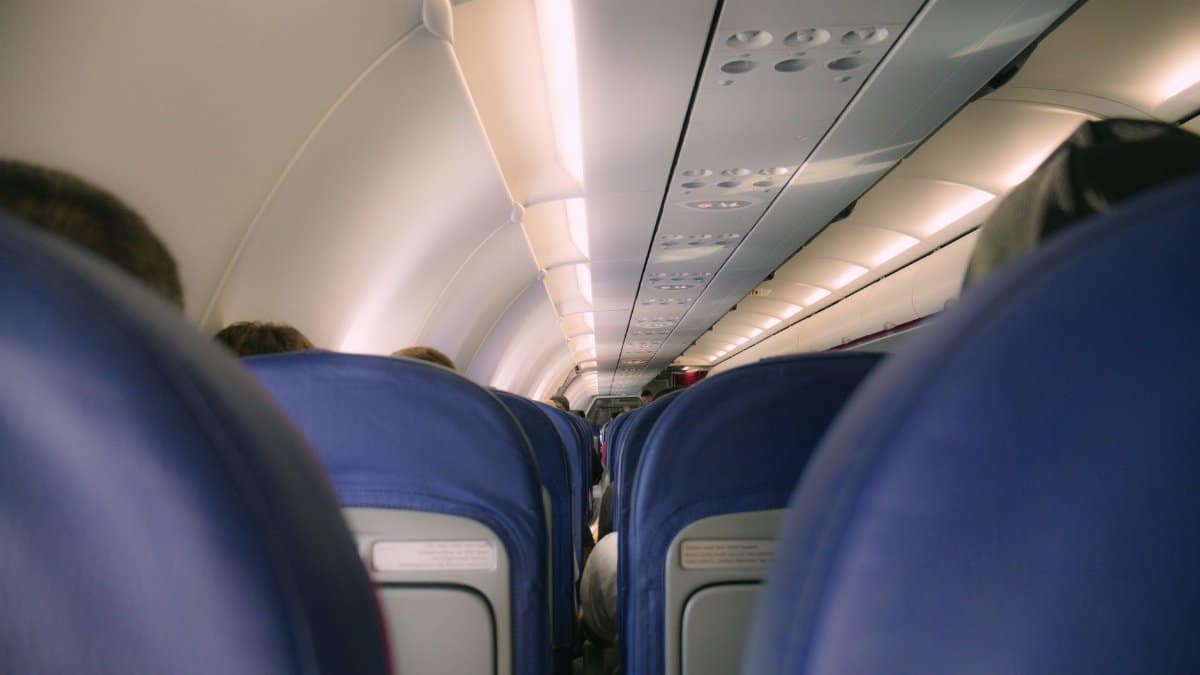
Picture a woman who splits the year between a walk up apartment in Brooklyn and a place near the Intracoastal. She is not hunting status for its own sake. She is hunting a Tuesday that does not end in a middle seat between two strangers and a laptop that never opens. Or picture a small firm partner who bills by the hour and has decided that the hour before takeoff is billable only if the cabin is quiet enough to use.
These are not cartoon tycoons. They are the upper middle of a region that has grown richer, older, and more mobile. They already hold airline cards. They already know the difference between a fare that looks cheap and a weekend that costs more once bags, seats, and a ruined meeting are added in. JetBlue is not inventing that person. It is trying to stop losing them to carriers that wrapped the same person in a different color of leather.
Rivals that already know this wallet
Delta, American, and United have spent years teaching affluent leisure travelers that a domestic first cabin can be a habit, not a splurge reserved for a client visit. Their schedules into South Florida are deep. Their lounges, where they exist, function as a waiting room with better coffee and fewer announcements. JetBlue cannot photocopy that network. It can offer a brand that still feels lighter, younger, and less burdened by the memory of a hub you did not want to connect through.
The contest will show up in small places before it shows up in annual reports. A fare that is twenty dollars too proud. A seat map that hides the good rows behind a login. A schedule that leaves a Friday return too late for a dinner in the city. Premium demand is real, and it is also fickle. People who can pay can also leave.
Loyalty math that does not shout

A front cabin is rarely just a seat. It is a reason to keep a credit card, to concentrate flights on one airline, and to stop comparing every departure on a phone at midnight. JetBlue has chased that concentration for years with a loyalty program that tried to sound less stiff than the legacy clubs. A named premium product gives that program something visible to point at when a customer asks what the points are for.
There is a risk in that visibility. Once you print a cabin name on a boarding pass, you have made a promise that a free upgrade from an old points balance cannot quietly break. Regulars will test the edges. They will ask whether the snack is different, whether the boarding group is real, whether the seat they bought in January still looks like the seat they sat in during a holiday week when the airplane was swapped. Trust in this category is a ledger, and travelers keep it.
The terminal has to cooperate
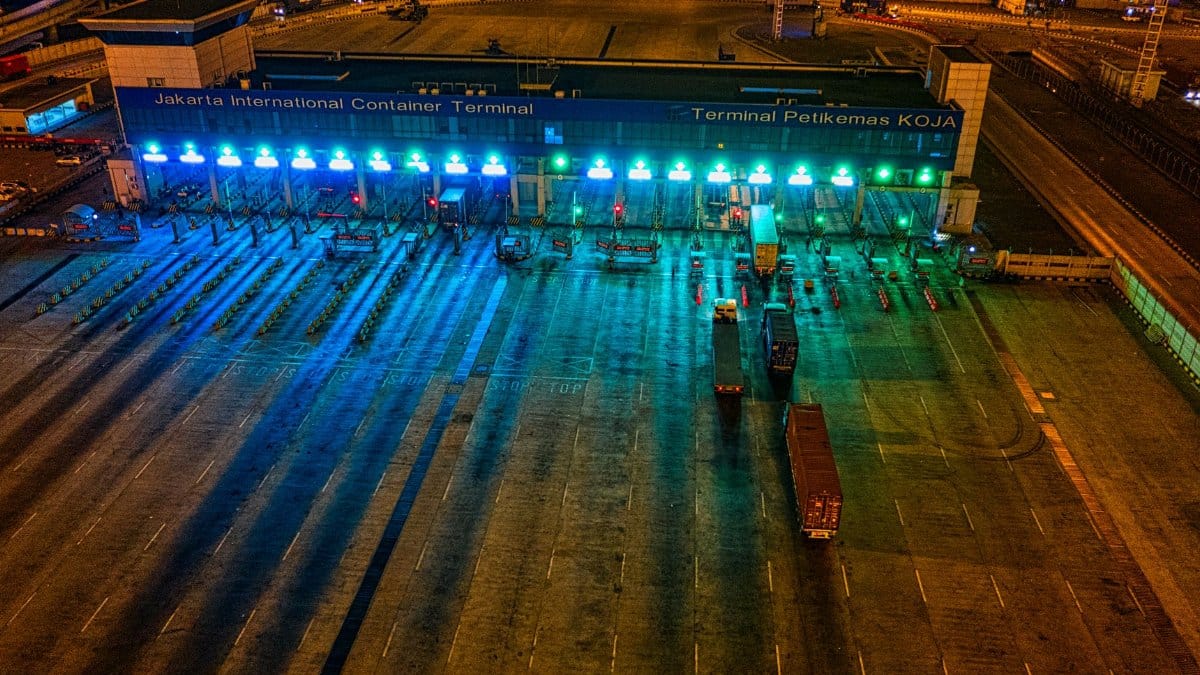
A better seat cannot rescue a miserable airport hour. Fort Lauderdale has improved in stretches and still feels, on a bad afternoon, like a building that grew by accretion. Long walks, tight gates, and a curb that clogs when ships are in port all sit outside the airline’s full control. Passengers do not split the blame that cleanly. They remember the trip as one experience, from the moment the rideshare app said the driver had arrived.
That is why the premium bet is partly an airport bet. If the people paying more still stand in the same stressed line, still hunt for a working outlet, and still hear their group called after half the cabin has already boarded, the product shrinks to foam and fabric. Airlines that treat the ground as someone else’s problem learn this on social media before they learn it in surveys.
Where the strategy can fail

The obvious failure is empty front rows sold at a discount that trains nobody to pay the real fare. The quieter failure is success that annoys the rest of the airplane. JetBlue built its reputation on the idea that the ordinary seat was already better than the ordinary seat next door. If BlueFirst becomes a signal that comfort has been moved forward and priced out of reach, the brand that filled the back may thin out just as the front fills in.
There is also the cycle of South Florida itself. Storms, cruise calendars, and the mood of the housing market all shove demand around. A cabin sized for a strong winter can look extravagant in a soft September. Airlines hate flying prestige. They love flying yield. The difference is a few months of honest data, not a press release.
A region sorting itself by how it travels

Watch a Monday morning bank of departures and you can see the county arranging itself by tolerance for friction. Some travelers still want the lowest number on the screen and will endure almost anything to get it. Others have crossed a private line. They will not spend a valuable day folded into a seat that makes work impossible and rest unlikely. That line is not moral. It is practical, and it has moved as household wealth and remote work have spread along the coast.
JetBlue is placing hardware and branding on the far side of that line. The move says something about Broward County as well as about the airline. A market once defined by cheap sun trips is being asked to support a product that assumes time is scarce and money is negotiable. Whether that assumption holds will show up in load factors, not in slogans.
What a careful traveler should notice

If you fly this route, ignore the adjective and watch the operation. Does the cabin you paid for match the cabin you were shown? Does the crew treat the product as routine or as a special occasion they have not rehearsed? Does the schedule you need actually exist on the days you live, or only on a route map designed to impress? Those questions matter more than the typeface on the seatback card.
It is also fair to ask what you are buying relative to a simple extra legroom seat a few rows back. On some days the answer will be privacy and a faster exit. On others it will be a modest upgrade wearing an ambitious name. Honest airlines survive that comparison. Airlines that flinch from it spend the next year explaining a rebrand.
The next season will tell the truth

Winter will flatter almost any premium idea in South Florida. The test arrives when the snowbirds thin out and the airplane still has to earn its morning. If JetBlue BlueFirst FLL is still being sold at a price people accept, and if the back of the same airplane has not been stripped of the qualities that made JetBlue worth choosing, the bet will look sound. If either side cracks, the name will linger on the website longer than the demand.
For now the wager is legible. A carrier that grew up selling a better ordinary seat is asking a richer slice of this region to buy something explicitly better, at an airport that discount flying made familiar. The glare on the departures board will not change. The people squinting at it might, if the front of the airplane keeps the promise the fare implies.