

In the heart of the nation voters in one key state are drawing attention as the election season heats up. Recent surveys reveal important trends that could shape the outcome in November. Pennsylvania midterm polling offers a window into the preferences of the electorate showing strong support for certain candidates amid a divided political landscape. This data comes at a time when national issues intersect with local concerns prompting many to reconsider their choices at the ballot box. The findings highlight shifts that may influence not only the state but also the broader direction of the country. Observers note how these numbers reflect deeper currents in public sentiment as communities weigh leadership qualities and policy directions.
Leadership Strength in the Governor Contest

One candidate maintains a notable advantage according to multiple measures of voter intent. This edge appears steady across various demographic groups and regions within the state. Analysts point to consistent messaging and a record of addressing everyday needs as factors contributing to this position. Supporters describe a sense of reliability that resonates in uncertain times. Meanwhile the opposing side works to close gaps by focusing on economic pressures and community values. Such dynamics illustrate how personal appeal combines with issue focus in shaping voter decisions.
Unexpected Backing Across Party Lines

A senate hopeful draws interest from some traditional opponents in ways that stand out. This cross appeal suggests voters prioritize certain personal traits over strict partisan lines. Reports indicate that outreach efforts emphasizing shared concerns have opened doors in unexpected places. Community leaders from varied backgrounds express openness to fresh approaches on topics like public safety and opportunity. This pattern adds a layer of complexity to predictions about final tallies.
Role of National Figures in Local Views

Prominent names from the wider political scene continue to affect opinions at the state level. Their involvement sparks discussion about influence and priorities. Some residents see these connections as helpful for bringing attention to local matters while others view them with caution. The interplay shows how broader movements filter down to affect individual races and overall participation rates.
Survey Methods and Their Reach
Organizations conducting these inquiries rely on established techniques to capture a representative sample. Calls and other contacts aim to include diverse voices from urban centers to rural areas. Adjustments account for shifts in how people communicate and respond. Transparency about sample sizes and margins helps readers interpret the results with care. These practices support informed discussion about what the numbers suggest for the coming contests.
Community Issues Driving Participation
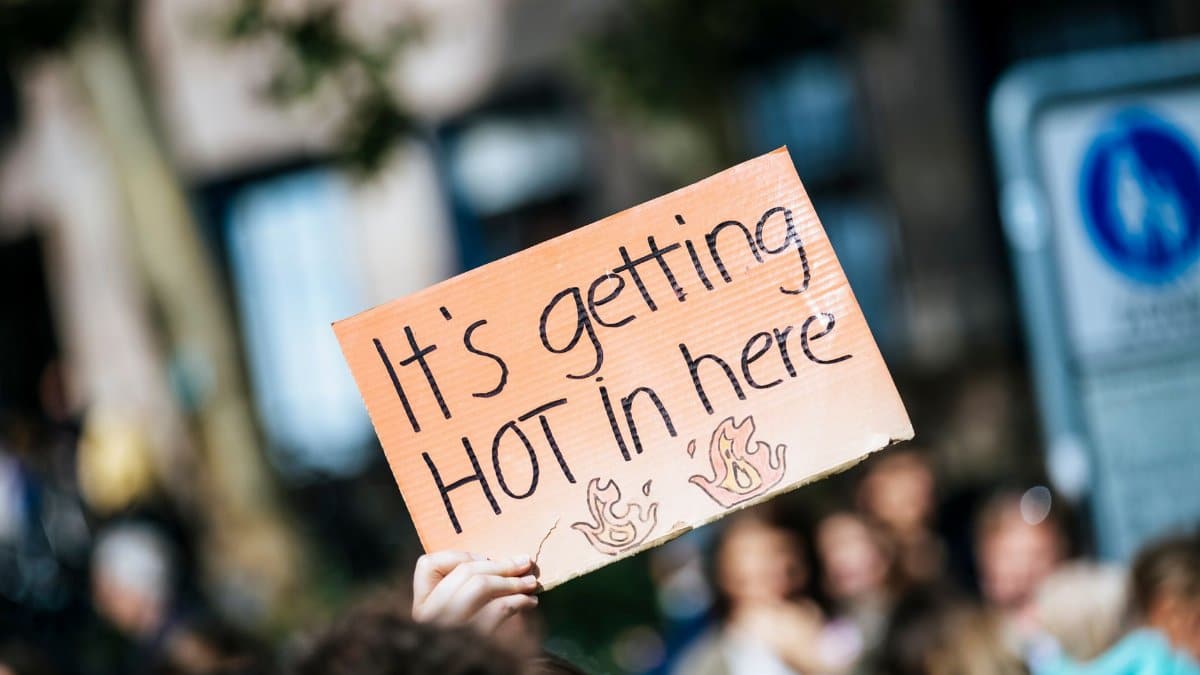
Voters cite matters close to home such as schools infrastructure and job access as central to their thinking. Candidates respond by outlining plans that connect to these daily realities. Events and forums provide spaces for direct exchange helping to clarify positions. This focus on tangible concerns often determines turnout and final selections more than distant debates.
Looking Ahead to Election Day
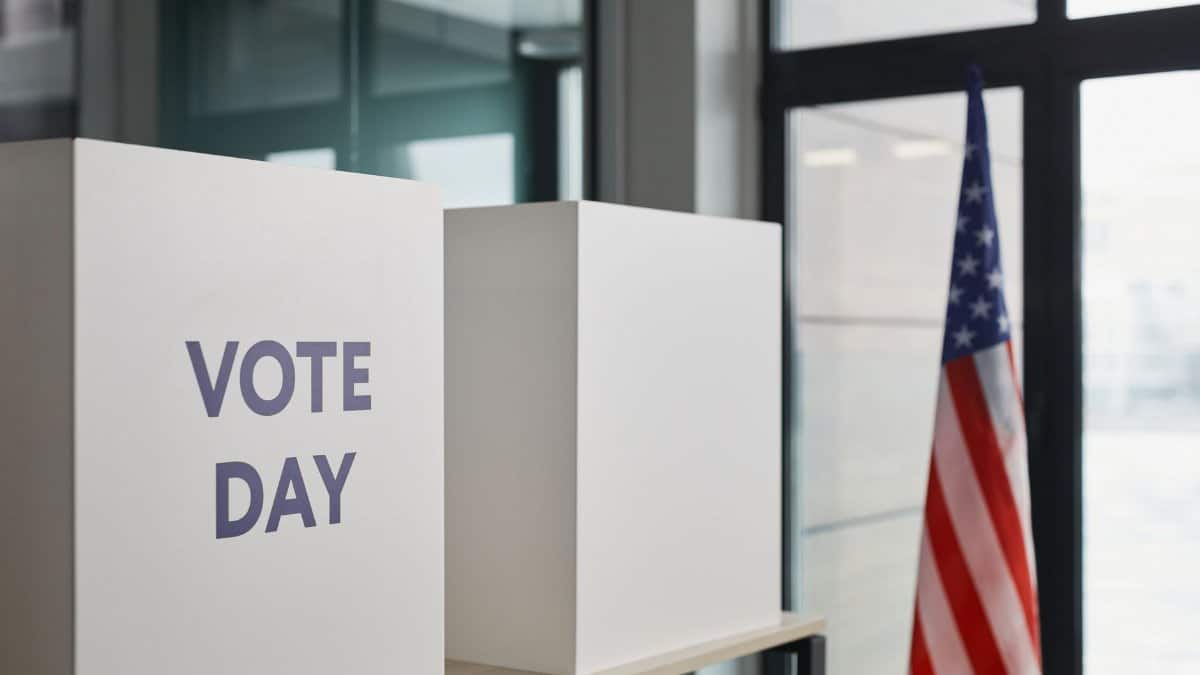
With time remaining both sides refine strategies based on ongoing feedback from the field. Pennsylvania midterm polling serves as one tool among several for understanding momentum. Campaigns adjust messaging while volunteers increase efforts to connect with potential supporters. The process underscores the importance of engagement in a state that often plays a pivotal part in national outcomes.
Reflections on Voter Sentiment
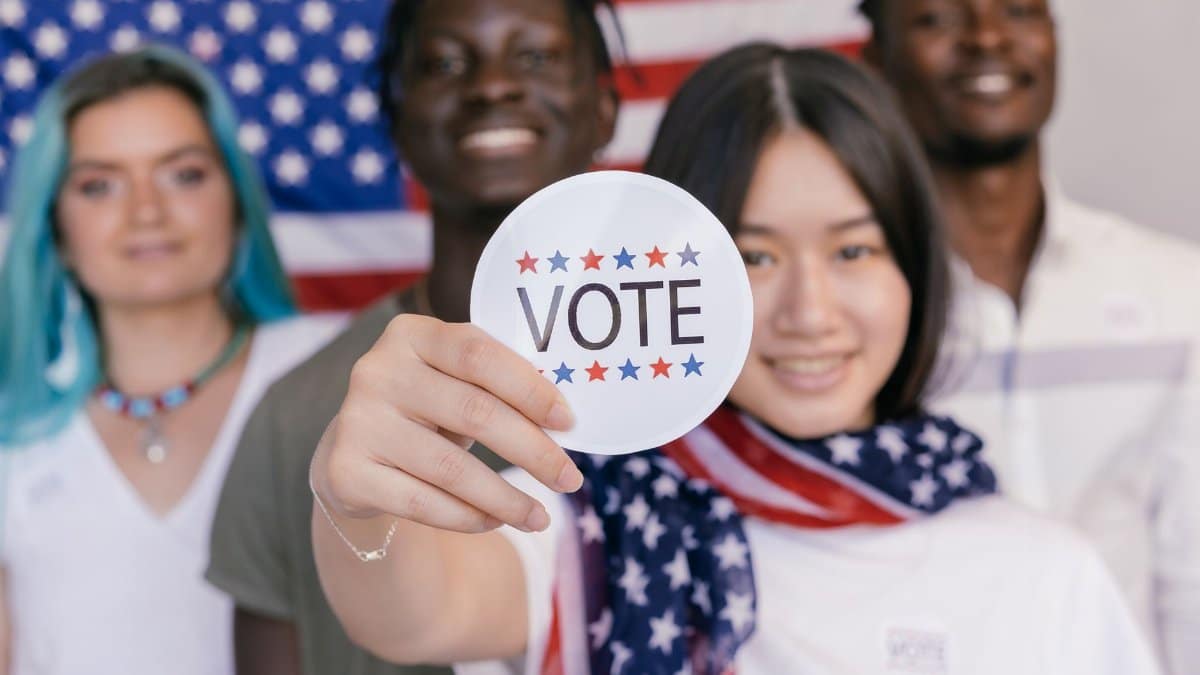
Many observers describe a mix of determination and wariness among those preparing to cast ballots. Personal stories shared in conversations reveal hopes for stability and progress. This human element reminds everyone involved that behind every data point lies a collection of individual experiences and aspirations for the future.