
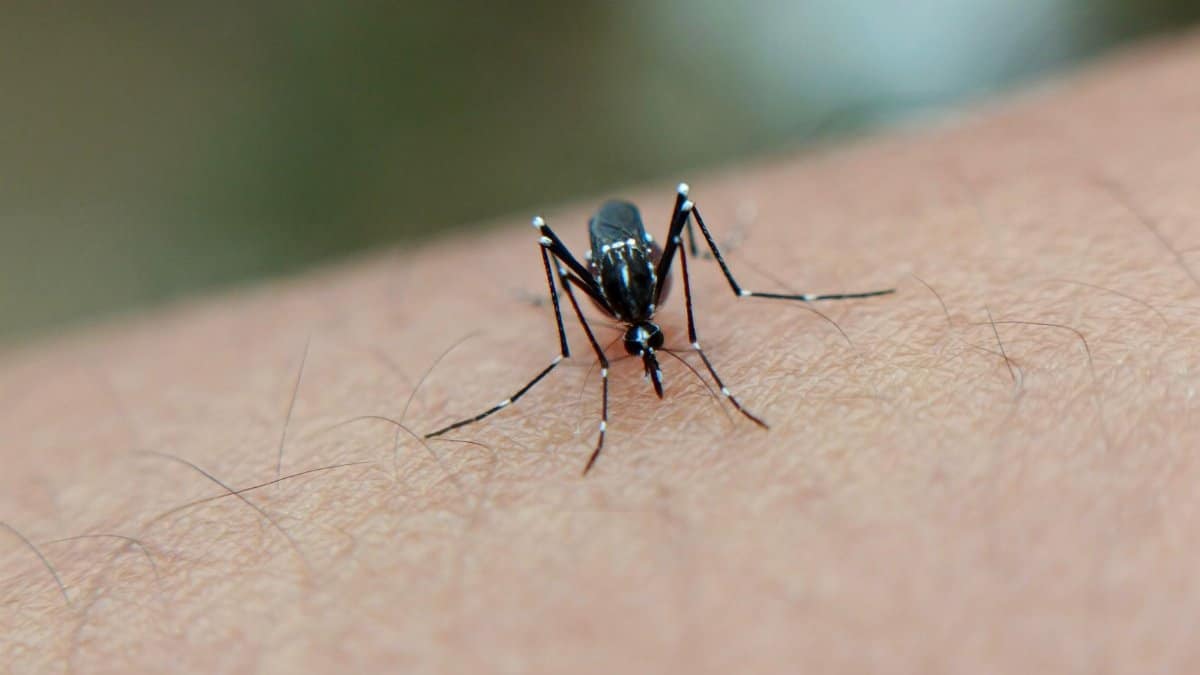
In the quiet farmlands surrounding Champaign a resident noticed unusual fatigue and fever that led local doctors to investigate further. Health officials later tied the symptoms directly to West Nile virus Piatt County Illinois marking the states initial confirmed human infection for 2026 along with three probable cases farther north. This development has prompted renewed attention to mosquito populations and public safety measures across central Illinois communities.
Background on the Current Outbreak

State health records show the Piatt County case emerged in late summer when a middle aged adult sought treatment after several days of discomfort. Officials confirmed the diagnosis through laboratory testing and immediately notified neighboring counties. The event stands out because prior seasons had seen fewer reports in this specific region.
Community Impact and Daily Life Adjustments

Residents in Piatt County have begun altering outdoor routines especially during evening hours when mosquitoes are most active. Local stores report increased sales of protective sprays and netting. Families now gather indoors more often and children play in screened areas to reduce exposure risks.
Role of Mosquito Control Programs
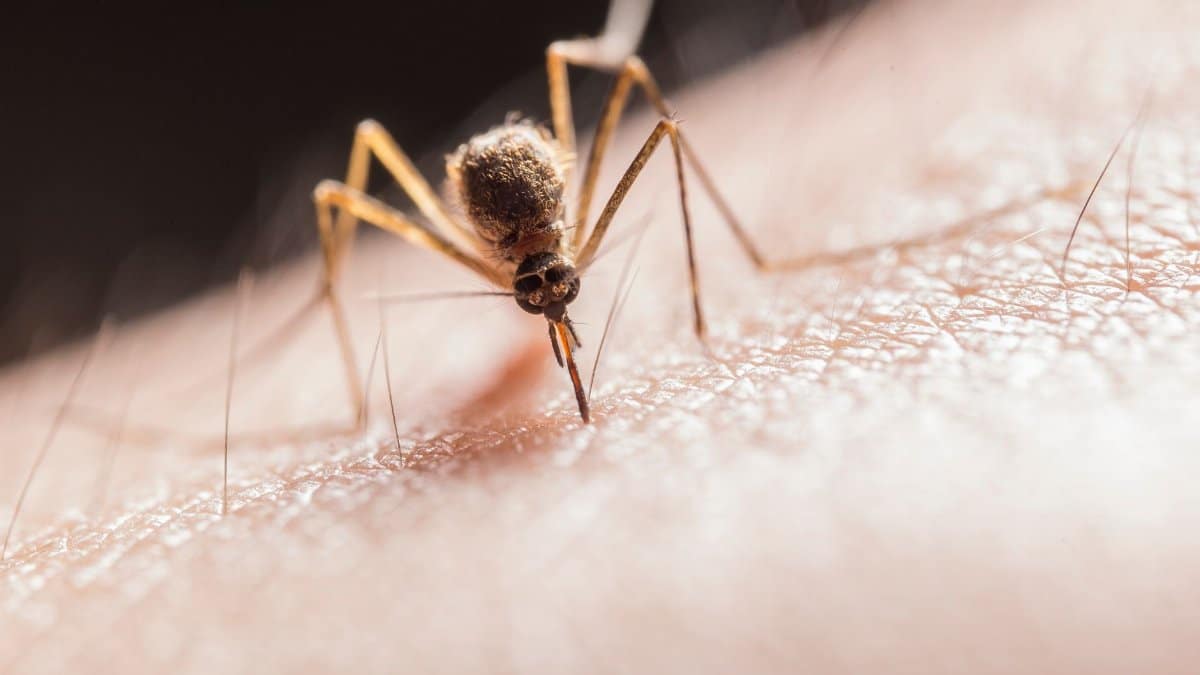
County workers have expanded spraying schedules in parks and along waterways. These efforts target breeding sites near homes and farms. Officials stress that consistent application combined with resident cooperation forms the core strategy for lowering future transmission.
Symptoms and Medical Guidance

Common signs include headache body aches and in some instances rash or joint pain. Most people recover without lasting issues yet older adults or those with weakened systems face higher chances of complications. Doctors advise anyone with persistent fever to contact a clinic promptly for evaluation.
Historical Patterns in Illinois

Records indicate West Nile virus has appeared in the state for over two decades with varying intensity each season. Rural counties sometimes see isolated cases while urban zones experience clusters tied to standing water in cities. This years pattern aligns with warmer temperatures that favor mosquito survival.
Prevention Steps for Households

Simple actions such as emptying flower pots and cleaning gutters can limit breeding spots around properties. Wearing long sleeves at dusk provides an added barrier. Community workshops held in recent weeks have shared these practices with strong attendance from local families.
Expert Views on Future Seasons

Entomologists note that ongoing climate shifts may extend mosquito activity periods in the Midwest. They recommend sustained funding for surveillance programs to track virus presence in bird populations which serve as early indicators. Coordination between state and county agencies remains essential according to recent briefings.
Broader Public Health Context

Illinois health departments continue to monitor reports from all regions and share updates through regular bulletins. The focus stays on education rather than alarm as most infections cause only mild effects. This balanced approach helps maintain trust while encouraging vigilance among citizens.