
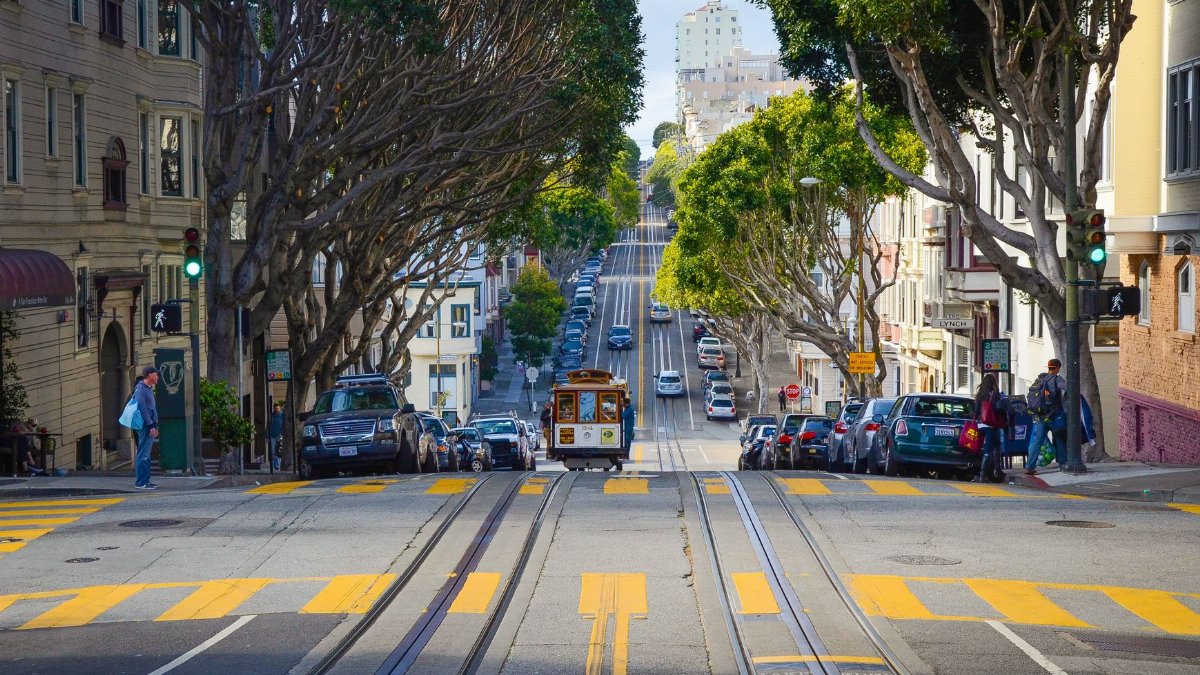
On a bright morning at Powell and Market, the line still forms the way it has for generations, a loose ribbon of visitors and a few commuters who treat the wait as part of the bargain. The bell rings, the gripman leans into the lever, and the car climbs as if the hill were a suggestion rather than a fact. Somewhere in that small theater of wood, steel, and nerve sits a price the city has decided can no longer stay put. The cable car fare, long treated as the cost of a postcard you can stand inside, is now the subject of an increase that officials describe as the largest in the history of the line.
A vote that ends a long pause
The San Francisco Municipal Transportation Agency board has approved the jump after months of budget talk that rarely makes the evening news until it touches something beloved. Cable cars are not a side note in this city. They are a working transit service and a civic emblem, and the agency has argued that the old price no longer matches what it costs to keep three historic lines safe, staffed, and moving. The decision lands in a season when every public agency is counting nickels and explaining why charm is not a funding source.
Readers who want the political trail can start with the SFGate report on the spike and with the budget materials posted by the SFMTA. Those records matter more than the slogans. A fare vote is a choice about who pays for a public good that also functions as theater. The board framed the increase as a response to rising operating costs and as support for maintenance across the wider system, not as a novelty tax on tourists alone.
Why this ride was never cheap to run
A bus can be maintained in a garage with parts that still exist in ordinary supply chains. A cable car asks for a different kind of devotion. Under the streets, miles of cable run through sheaves and machinery that most riders never see. On the car itself, a gripman and a conductor do work that cannot be automated without erasing the thing people came to ride. Wood, brakes, wheels, and the grip that bites the cable all demand hands, time, and skills that fewer people learn each decade.
That is the quiet arithmetic behind the politics. The fare has always been a fraction of the true cost of a trip up Nob Hill or out toward the bay. General transit revenue, hotel taxes, and other city funds have carried the rest. When labor, insurance, power, and parts rise together, the gap widens. Officials say the latest increase is the sharpest on record because the gap finally became too wide to ignore, and because smaller adjustments in past years never caught the curve.
The hills do not take a day off
Stand at the turntable and you can watch the labor in real time. Crews walk the grip, test the brakes, and listen for sounds that a spreadsheet cannot hear. The California line and the two Powell lines run through weather, parades, and the ordinary crush of a weekend. Each delay is not only a late tourist. It is a safety question on a grade that does not forgive a soft brake or a tired cable.
Maintenance on a landmark is also maintenance of trust. Riders accept a wooden bench and an open side because they believe someone inspected the machinery before dawn. That belief is earned in shops and pits, not in brochures. When the agency talks about system wide improvements, it is talking about the unglamorous work that keeps a nineteenth century technology honest in a twenty first century city. The fare increase is one way to pay for that honesty. It is not a magic fund that rebuilds every worn part at once.
Tourists, neighbors, and the person holding the ticket

Most people who board are not trying to get to a dentist appointment. They are marking a visit, a birthday, a first look at the bay from a moving step. Locals ride too, especially on the California line, where the car still functions as neighborhood transit rather than a pure attraction. A higher cable car fare lands differently on those two groups. For a family that budgeted a day in the city, a few extra dollars can turn a spontaneous ride into a debate. For a resident who uses the car as a hill climber, the same dollars feel like a penalty for living where the streets are steep.
The agency has long sold passes and visitor products that bundle Muni with the cable cars, and those products soften the sting for people who plan ahead. They do less for the person who walks up to the conductor with cash and a sudden wish to ride. Equity arguments in San Francisco usually focus on buses and trains that carry workers at dawn. Cable cars complicate the picture because the romance subsidizes a real service and the real service subsidizes the romance. A blunt increase does not sort those motives cleanly.
What the money is supposed to touch

Board members have tied the new price to operational pressure and to upkeep that reaches beyond the cable car barn. That linkage is both honest and politically useful. Honest, because the cable operation does not live on an island. Useful, because voters and visitors are more willing to accept a higher price when they can imagine paint, cable, brakes, and safer stops rather than a vague hole in a budget. The test will be whether the public can later see the work. Fare votes fade. A rough ride or a long shutdown does not.
Historic transit also competes with everything else the agency must fund, from operator wages to rail replacement to the ordinary mess of keeping buses on time. Cable cars win attention because they are beautiful. They do not automatically win the largest share of scarce dollars. An increase in the cable car fare can be read as a small act of self help, a way for the most famous service to carry a bit more of its own weight so that other lines are not asked to carry all of it.
The politics of a postcard price

San Francisco argues about fares the way other cities argue about property taxes. Every change is a referendum on who the city is for. Business groups tend to worry that a steeper price dulls the welcome. Transit advocates worry that nostalgia gets a louder microphone than the routes that move the most people. Preservationists worry that starving the cars in the name of efficiency would trade a living machine for a museum piece. All three worries can be true in the same week.
The phrase largest spike in history does political work. It signals seriousness to budget hawks and warning to riders. It also invites a harder question. If this is the biggest jump the line has ever seen, what does the next decade look like if costs keep climbing faster than ridership? A one time correction can reset the ledger. It cannot freeze the price of steel, insurance, or skilled labor. The board has chosen a visible correction. The quieter work is whether fares, passes, and general funds are reviewed on a schedule that prevents another shock.
What riders will actually notice

The ride itself will not feel more modern because the ticket costs more. The bell will sound the same. The grip will still shudder when it takes the cable. What may change is the mood in line. People do mental math in public. They compare the fare with a cocktail, a museum ticket, a ride share that cannot legally duplicate the route but can deliver them to the same view. Some will pay without comment. Some will take a photo from the sidewalk and keep walking. That is not a moral failure. It is how a price signal works.
Conductors will absorb the first wave of questions, as they absorb most of the city’s moods. Clear signs, plain language about what the increase supports, and honest answers about passes will matter more than a press release. A fare that feels arbitrary breeds resentment. A fare that is explained as the cost of keeping a dangerous, beautiful machine in daily service has a chance of being understood, even by people who decide not to board.
A city that sells wonder and must fund it
I have stood at those corners often enough to know the script. Someone always says the ride is worth whatever they are about to pay, and someone else always does the math out loud. Both reactions are reasonable. Wonder is not a budget category, yet the city has built part of its identity on a machine that produces it. Pretending the wonder is free has always been the softer lie. Pretending a fare can carry the whole cost would be the harder one.
The approval does not settle the larger argument about public transit in a city of hills, wealth, and visible strain. It does mark a line. The cable car fare is no longer a quaint number that can drift for years while costs compound in the dark. It is a public price, set in public, for a public machine that still climbs. Whether the increase proves wise will depend less on the headline than on the cables, the crews, and the rides that follow. If the cars keep moving safely, and if the rest of the system is not asked to pretend that romance pays the bills, the spike will look like maintenance of a promise. If the money disappears into the general blur, riders will remember the price and forget the reason. Cities are judged on that difference more often than they admit.