

As tensions rise over rail service reliability in the New York region commuters find themselves watching closely as representatives from major transit agencies and labor groups prepare for a key session. The upcoming discussions mark a critical moment for workers and riders alike with potential disruptions looming if common ground proves elusive. Many families rely on consistent train operations to reach jobs schools and medical appointments making any breakdown in service a matter of daily concern. Recent proposals have highlighted wage adjustments and scheduling reforms yet differences remain sharp on both sides. Observers note that these exchanges known as LIRR Strike Talks carry weight beyond the immediate parties involved affecting broader economic flows across suburbs and urban centers.
Historical Patterns in Rail Labor Relations

Labor disputes in public transportation often trace back decades with recurring themes of compensation and working conditions. Past agreements have set precedents that shape current demands from both management and employee organizations. Lessons from earlier episodes show how prolonged disagreements can lead to widespread inconvenience for daily travelers who depend on punctual arrivals and departures.
Commuter Routines at Risk of Interruption
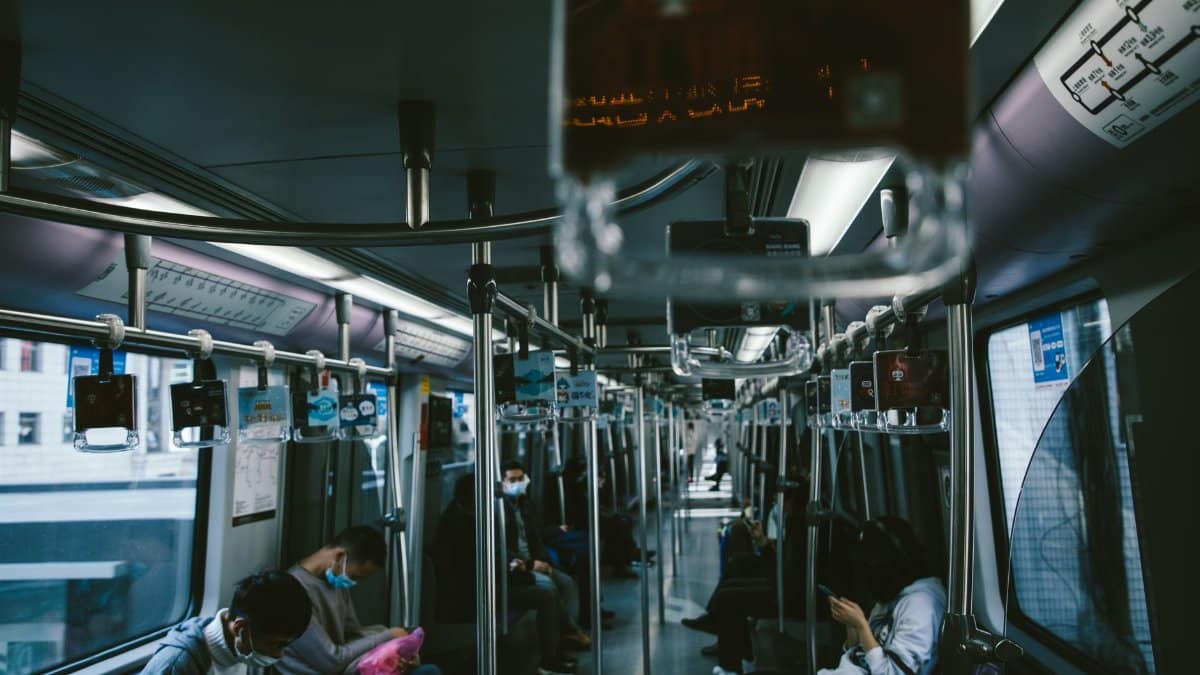
Residents across Long Island and surrounding areas structure their lives around train schedules that allow efficient movement to employment hubs. A sudden halt would force many to seek alternative routes such as buses or car pools though capacity limits quickly surface under heavy demand. Families with children in after school activities or elderly members needing regular visits face added layers of planning and stress during uncertain periods.
Positions Held by Transit Authority Leaders
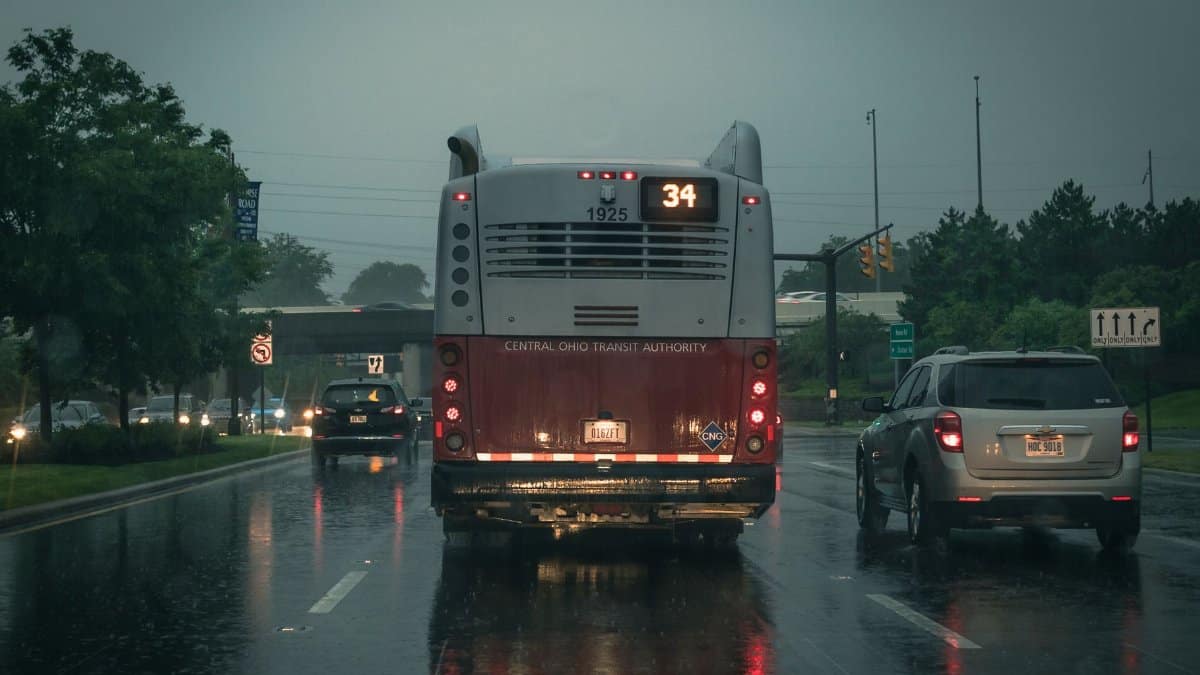
Agency officials emphasize fiscal responsibility and service efficiency as core priorities in ongoing exchanges. They point to budget constraints while seeking solutions that maintain operational standards without excessive cost increases passed along to riders through fares. This stance reflects broader pressures on public systems funded largely through taxes and fees collected from residents.
Union Priorities and Worker Perspectives
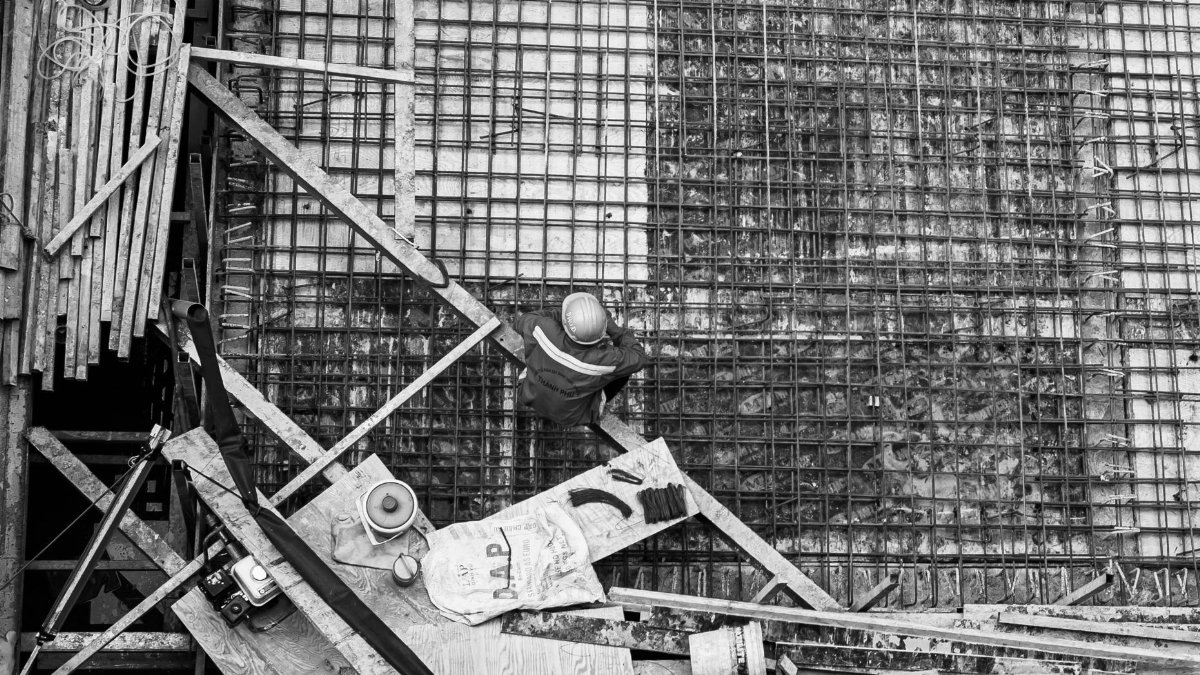
Employee representatives focus on fair pay scales and improved rest periods to address fatigue concerns that arise from extended shifts. They argue these elements contribute directly to safety and retention rates within the workforce. Stories from veteran staff illustrate dedication to the job despite challenges in balancing personal lives with irregular hours.
Economic Ripple Effects Across Regions

Businesses in commercial districts near rail lines anticipate shifts in customer traffic if access becomes unreliable. Delivery schedules and supply chains tied to commuter patterns could experience delays leading to adjustments in inventory and staffing. Local economies thrive when transportation networks function smoothly underscoring the interconnected nature of mobility and commerce.
Government Involvement and Mediation Efforts

State and federal representatives often step in to facilitate dialogue during high stakes periods aiming to prevent escalation that harms public welfare. Their role includes reviewing proposals for compliance with regulations while encouraging compromise that serves collective interests over individual gains. Such interventions have proven useful in previous rounds though outcomes vary based on timing and external factors.
Community Values in Sustaining Essential Services

Residents view reliable transit as a shared resource that supports social cohesion and opportunity for all income levels. Discussions around service continuity reflect deeper commitments to equity and access in urban planning. Spiritual traditions across faiths emphasize stewardship of communal assets reminding participants that decisions made at negotiation tables influence daily dignity for thousands.
Paths Forward Beyond the Current Round

Analysts suggest exploring innovative scheduling tools and technology upgrades to ease longstanding frictions. Collaborative models seen in other cities offer ideas worth consideration though adaptation requires mutual willingness. The focus remains on preserving trust so future talks build upon rather than repeat past difficulties.