

In the bustling streets of San Francisco where tech enthusiasts and artists alike navigate their daily routines a silent wave is spreading. Health monitors have detected unusually high levels of several common viruses making their way through the population. This instance of multiple viruses SF has brought renewed attention to how cities recover from major health events. Doctors and public health officials had been cautioning for some time that such a scenario was likely. Their predictions stemmed from observations of how isolation periods altered our exposure to everyday pathogens. Now as cases climb the question is not if this would happen but how society will adapt and respond in the weeks ahead. The convergence of influenza rotavirus and other gastrointestinal bugs has created a complex challenge for local clinics and residents trying to maintain their regular lives.
What The Wastewater Data Is Showing Us
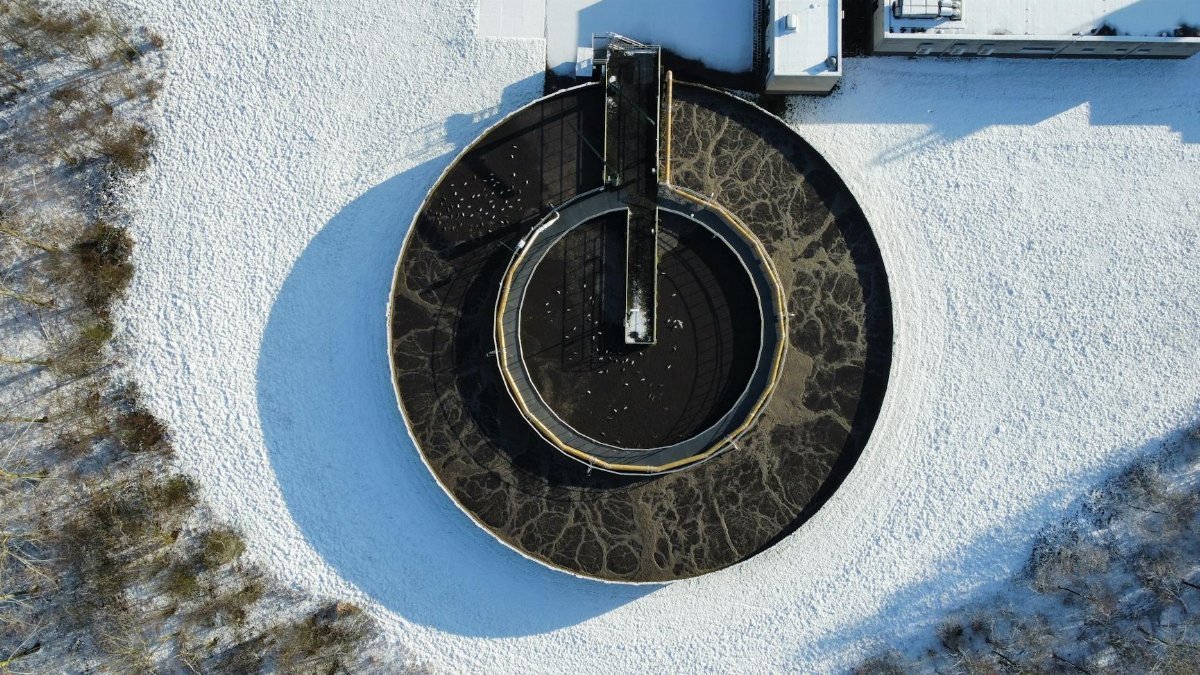
Wastewater surveillance has emerged as one of the most reliable early warning systems for public health officials in recent years. In San Francisco samples collected from treatment plants across the city have registered notable spikes in viral genetic material. Influenza levels sit well above average for this time of year while rotavirus detections have surged beyond typical seasonal patterns. These findings offer a citywide picture that individual diagnostic tests often miss because many people recover at home without seeking medical care. The data suggests transmission is occurring at elevated rates across multiple pathogens simultaneously rather than one dominant outbreak. Researchers at local universities have collaborated with the sanitation department to refine these testing methods making the information more precise and actionable for timely responses.
Experts Explain Their Lack Of Surprise

Public health specialists say the current situation aligns closely with forecasts made months ago. After several years of reduced social mixing during the pandemic many younger children avoided early exposure to common seasonal viruses. This created what specialists describe as an immunity gap that leaves larger portions of the population susceptible when normal activities resumed. Dr Elena Ramirez a virologist at the University of California San Francisco noted in recent interviews that the rebound effect was mathematically expected. She and her colleagues published modeling studies last summer projecting exactly this kind of multic virus surge once winter arrived. Their lack of surprise stems from years of tracking similar post restriction patterns in other countries that lifted measures earlier. The data simply confirms what the models anticipated.
A Look At The Primary Viruses Circulating
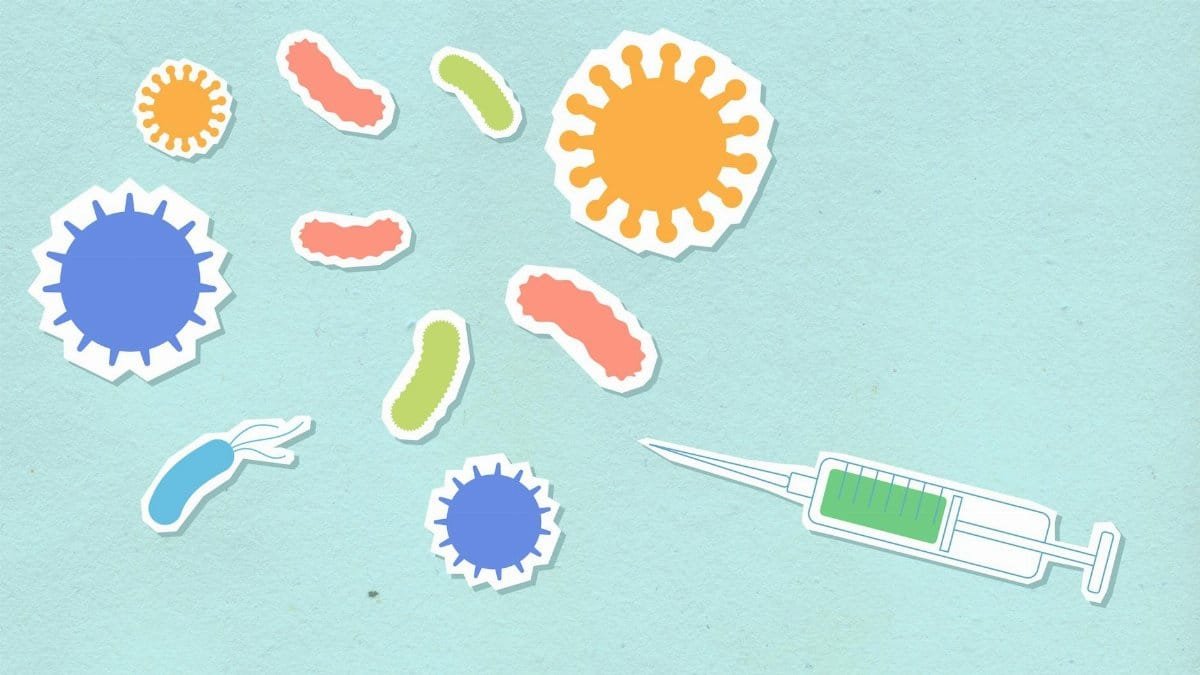
Several distinct viruses are driving the current wave in San Francisco. Influenza strains remain prominent with both A and B variants detected in patient samples. Rotavirus which typically affects young children has shown unusual persistence this season leading to increased dehydration cases among pediatric patients. Norovirus continues its steady presence causing widespread gastrointestinal distress that spreads rapidly in shared living spaces and workplaces. Respiratory syncytial virus or RSV has not declined as quickly as in previous years adding another layer of respiratory illness. Each pathogen brings its own set of symptoms yet the overlap creates confusion for people trying to self diagnose. This diversity within the multiple viruses SF phenomenon makes broad spectrum prevention strategies essential rather than targeting a single bug.
Strain On San Francisco Hospitals And Clinics

Local medical facilities report steady pressure from the combined viral load. Emergency departments have seen a thirty percent increase in visits related to fever dehydration and respiratory complaints compared with last year. Pediatric wards in particular face capacity challenges as parents bring in children suffering from prolonged symptoms. Outpatient clinics have expanded telehealth options to manage less severe cases while reserving in person appointments for those at higher risk. Nurses and physicians describe a fatigue that extends beyond the physical demands of the job recalling the intense pressures of earlier pandemic waves. Despite these strains hospitals have avoided the crisis levels seen in prior years thanks to better preparation and coordinated resource sharing among regional facilities.
According to a detailed report from SFGate available at https://www.sfgate.com/bayarea/article/multiple-viruses-san-francisco-22216292.php the citys preparedness planning appears to be paying dividends even as patient volumes rise.
Disproportionate Effects On Certain Groups
Not all neighborhoods experience the viral surge equally. Areas with higher percentages of multifamily housing and essential workers show elevated infection rates. Seniors living in dense communities face greater risks of complications particularly when multiple viruses circulate at once. Families with young children report higher rates of household transmission as schools and daycare centers serve as natural gathering points. Latino and Black residents have sought care at disproportionately higher rates according to city health department statistics reflecting long standing disparities in access to preventive services. These patterns highlight how social and economic factors shape health outcomes during widespread viral activity. Community organizations have stepped up outreach efforts targeting the most affected populations with information and support.
Immunity Gaps Created By Recent Years
The concept of immunity debt has gained traction among immunologists studying post pandemic trends. During periods of masking and limited social contact populations missed the regular low level exposures that typically reinforce immune memory against common viruses. Children born or raised during those years often lack the robust defenses that previous generations developed through repeated natural contact. Adults meanwhile saw their immunity to seasonal bugs wane without annual boosting from mild exposures. This collective shift created conditions ripe for larger outbreaks when behaviors normalized. Scientists emphasize that this gap is temporary yet it requires deliberate action through vaccination and careful hygiene to bridge effectively. The current wave serves as a living example of how quickly viral dynamics can change when population level immunity shifts.
Current Vaccination Efforts And Challenges

Health departments have ramped up influenza and COVID 19 vaccination campaigns in response to the rising case numbers. Mobile clinics parked in high traffic neighborhoods offer convenient access for working residents. Pharmacies report strong demand for updated shots though some skepticism remains among those who experienced mild cases previously. Pediatric vaccination rates for routine childhood illnesses have improved but still lag behind pre pandemic benchmarks in certain zip codes. Officials stress that while no single vaccine prevents all the viruses in circulation updated immunizations can reduce severity and limit complications. Educational campaigns focus on explaining how even partial protection across a community can ease the overall burden on healthcare systems.
Community Based Prevention Strategies
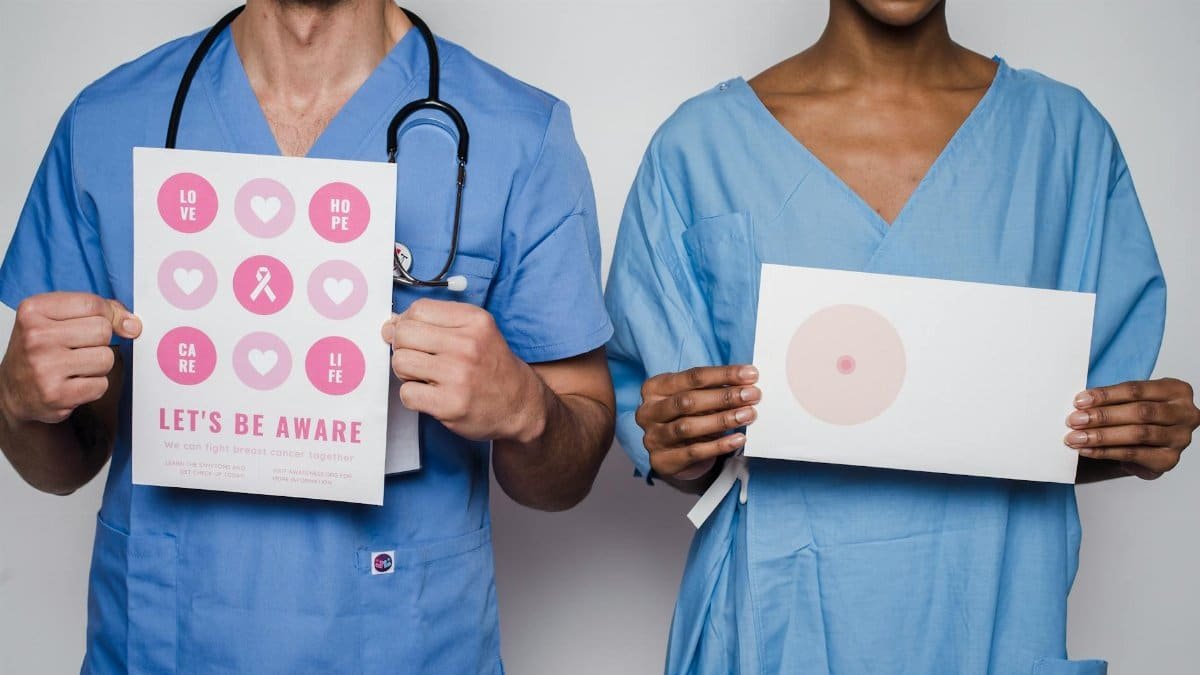
Residents play a central role in slowing transmission through everyday choices. Simple actions like staying home when symptoms appear thorough hand washing and improving indoor ventilation have proven effective against this mix of pathogens. Neighborhood groups have organized information sessions explaining the differences between viral illnesses and when to seek testing or care. Some workplaces have reinstated flexible sick leave policies recognizing that presenteeism only prolongs outbreaks. Local businesses from restaurants to gyms have adopted enhanced cleaning protocols to reassure customers while maintaining operations. These grassroots efforts complement official public health messaging creating a more comprehensive defense against the multiple viruses SF situation.
Reflecting On Societal Resilience And Spirit
Beyond the clinical data lies a deeper story of human adaptability. In San Francisco a city long known for its diverse spiritual traditions many residents report turning toward contemplative practices during this health challenge. Meditation centers and yoga studios have seen increased attendance as people seek mental equilibrium amid physical uncertainty. Faith communities from historic churches to modern mindfulness circles have hosted gatherings focused on collective well being and mutual support. These trends reflect a growing recognition that true health encompasses body mind and spirit. Community leaders observe that shared vulnerability often strengthens social bonds reminding residents of their interconnectedness. This spiritual dimension adds richness to the public health conversation suggesting that resilience emerges not only from vaccines and data but from inner resources and communal care cultivated over time.
What The Coming Months May Hold

Looking forward public health models project continued elevated viral activity through late winter before a gradual decline. Much depends on weather patterns and how consistently residents maintain preventive behaviors. If another storm system brings people indoors for extended periods transmission could intensify. Conversely sustained mild temperatures might help disperse some of the airborne viruses more effectively. Researchers continue monitoring wastewater trends for early signals of new variants or unexpected surges. City officials express cautious optimism that the combined tools of surveillance vaccination and community awareness will prevent the situation from overwhelming local systems. The experience offers valuable lessons for future seasons reinforcing the need for sustained investment in public health infrastructure that extends beyond emergency responses.
As San Francisco moves through this period of multiple viruses SF the city demonstrates once again its capacity to absorb shocks while searching for equilibrium. The convergence of several pathogens has tested preparedness plans and personal habits alike. Yet within the challenges reside opportunities to strengthen both scientific understanding and communal ties. Health remains a shared responsibility requiring attention at individual neighborhood and policy levels. By drawing on evidence based strategies alongside the deeper wells of human spirit and connection the city positions itself to emerge from this wave with greater awareness and resilience for whatever comes next.