
A recent survey reveals overwhelming backing among Seattle residents for expanded law enforcement in districts facing ongoing issues. Findings from a public safety poll show near unanimous agreement that more officers on the streets would help restore order and ease daily tensions. This view spans many neighborhoods where people report feeling less secure than in past years. Officials now confront clear signals that current approaches fall short of what voters expect. Discussions about resource allocation and patrol strategies are gaining urgency as the data spreads through community meetings and local forums.
Voter Priorities Emerge Clearly
Many participants in the public safety poll highlighted the need for consistent presence rather than reactive measures alone. Areas with higher reported incidents drew particular attention as places where added patrols could deter problems before they grow. Residents described routine activities like evening walks or commuting that now carry added caution due to uncertainty.
Neighborhood Conditions Under Review
Struggling zones across the city show patterns of property damage and disorder that residents link to insufficient oversight. The poll results point to demands for targeted increases in staffing to address these spots without spreading resources too thin. Local businesses note impacts on customer traffic when safety perceptions decline.
Comparing Past and Present Approaches
Earlier strategies focused on community programs have yielded mixed outcomes according to those surveyed. A public safety poll underscores a preference for traditional enforcement models that emphasize visibility and quick response times. This marks a notable change from recent trends toward reduced emphasis on policing.
Impact on Daily Life and Routines
Families and workers express how concerns over security alter choices about where to live shop or gather after dark. Data from the poll connects these shifts to broader calls for policy adjustments at the city level. Restoring confidence appears central to improving overall quality of life in affected areas.
Official Responses and Next Steps

City leaders acknowledge the poll findings and indicate plans to review deployment schedules in coming months. Proposals include reallocating funds to support additional hires and training focused on high need locations. Public forums are scheduled to gather further input on implementation details.
Broader Trends in Urban Security
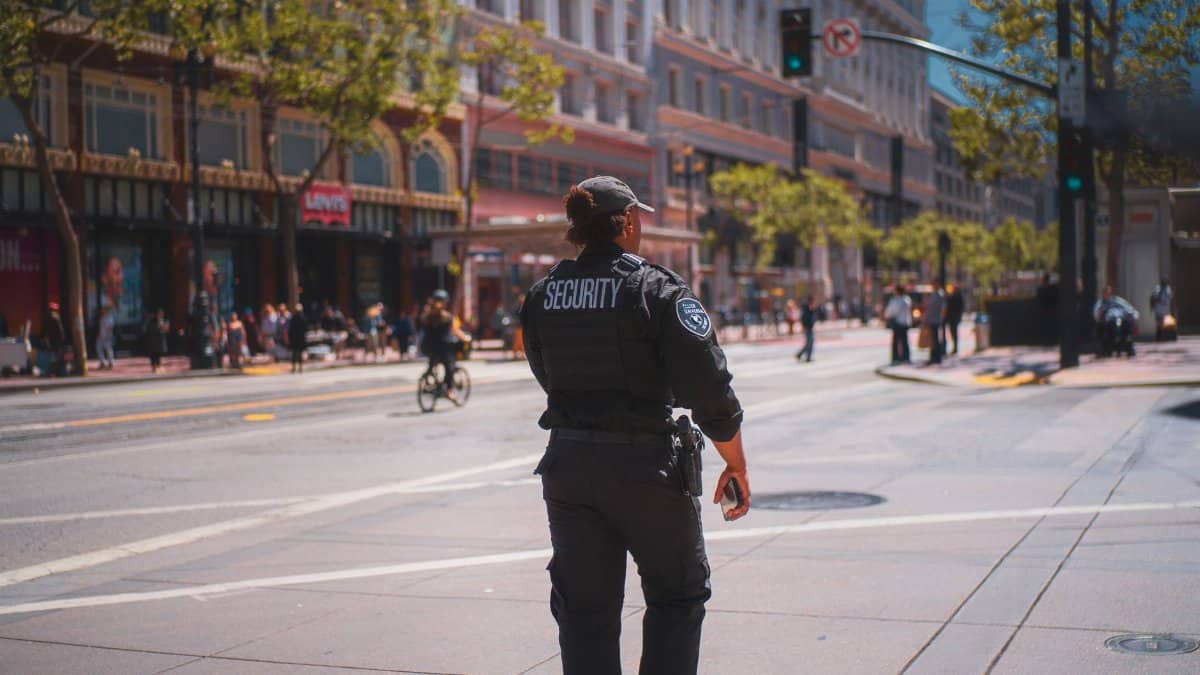
Similar sentiments appear in other cities where residents seek balanced solutions combining enforcement with support services. The Seattle public safety poll adds to evidence that voters prioritize measurable presence over experimental models alone. Observers note this could shape regional policy debates in the near term.
Role of Data in Shaping Policy

Survey methods used in the public safety poll involved wide sampling across demographics to capture diverse viewpoints. Results show consistent themes around the value of proactive measures in maintaining order. Analysts suggest these insights will inform budget talks and candidate platforms ahead of elections.
Community Voices in the Conversation

Local groups have begun organizing around the poll outcomes to press for action. Discussions emphasize practical steps like extended patrol hours and better coordination with neighborhood watches. Participants stress that sustained effort will be needed to see lasting improvements.
Looking Ahead to Potential Changes
With the public safety poll results now public the focus turns to how quickly adjustments can take hold. Success will depend on collaboration between officials and residents to monitor progress and adapt as needed. The emphasis remains on delivering the security that voters have clearly requested.