
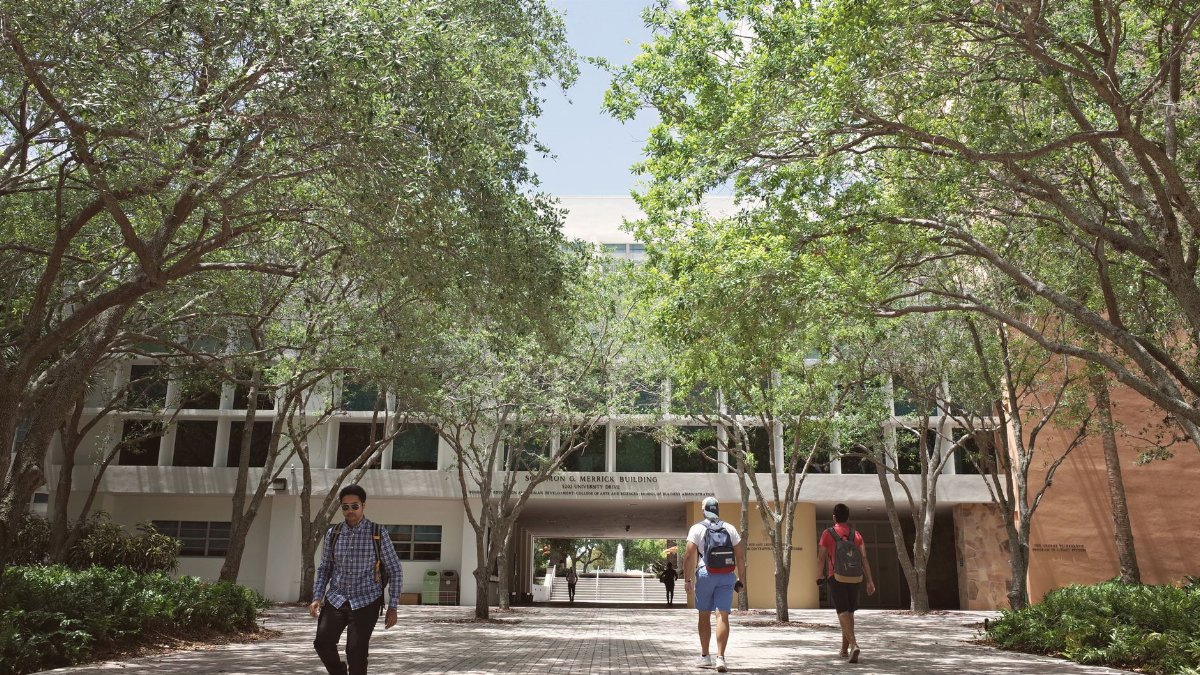
On a warm afternoon in Miami Dade, parents and school leaders leaned forward as Education Secretary Linda McMahon described a federal scholarship that could put as much as $1,700 a year toward a child’s learning. The room had the feel of a rally more than a briefing. Private school heads nodded. Public educators listened with a more cautious hope. The program, branded the Education Freedom Tax Credit, is not scheduled to send money to families until 2027, yet the argument over who should benefit is already fully formed.
A cheer that started in private school offices

For many private school leaders in South Florida, the announcement landed like a promise they have waited years to hear from Washington. Tuition at independent and parish schools often sits well above what a working family can cover, even when a congregation chips in. A federal scholarship of $1,700 will not erase a bill, but it can close a gap that decides whether a child stays or leaves. Heads of school talk about textbooks, uniforms, transportation, and the quiet phone calls from parents who are one month behind. In that world, a predictable outside dollar is not a slogan. It is a seat that remains filled.
Florida private schools already live inside a dense web of state scholarships. A new federal stream feels, to them, like reinforcement rather than a strange experiment. They expect donors who already write checks to local scholarship groups to look twice at a credit on a federal return. They also expect national attention to make those gifts easier to explain at a board meeting. The cheer is real because the math is simple. More scholarship dollars mean fewer families turned away at the admissions desk.
Why Florida was a natural stage

McMahon did not pick a blank slate. Florida has spent two decades building one of the largest private school choice systems in the country. Families here already know the language of scholarships, priority lists, and approved schools. That fluency is why a federal pitch plays differently in Miami Dade than it might in a state where private tuition aid is still a niche idea. Local parents have watched neighbors use state scholarships to move a child from a crowded campus to a smaller religious school, or to stay in a school after a job loss.
The setting also carries a political message. Florida officials have treated school choice as a signature achievement, and a cabinet secretary standing in that landscape signals alignment. Private operators hear encouragement. Public school advocates hear a federal government willing to steer household dollars away from district budgets. Both readings can be true at once. The geography of the announcement was not an accident. It was a cue about which model Washington wants other states to study.
What the credit is designed to do

In plain terms, a tax credit scholarship asks private donors to fund student aid and then reduces those donors’ federal tax bills for the gift. The student does not claim the credit. A scholarship granting organization sits in the middle, collects the money, and awards it under rules the government sets. The figure attached to this version, up to $1,700 per student, is modest beside full private tuition and large beside a typical classroom supply list. Starting in 2027 gives states, schools, and the Internal Revenue Service time to write the plumbing. It also gives opponents time to organize.
The Education Freedom Tax Credit, as promoted in Miami Dade, is being sold as help for elementary and secondary students rather than as a blank check to institutions. That distinction matters. If the award follows the child, a school benefits only when a family chooses it. If the award can also pay for tutoring, therapy, or materials while a child remains in a district classroom, the public system is not automatically the loser. The statute’s fine print, still being translated into guidance, will decide which of those stories is honest.
Can public schools share the benefit
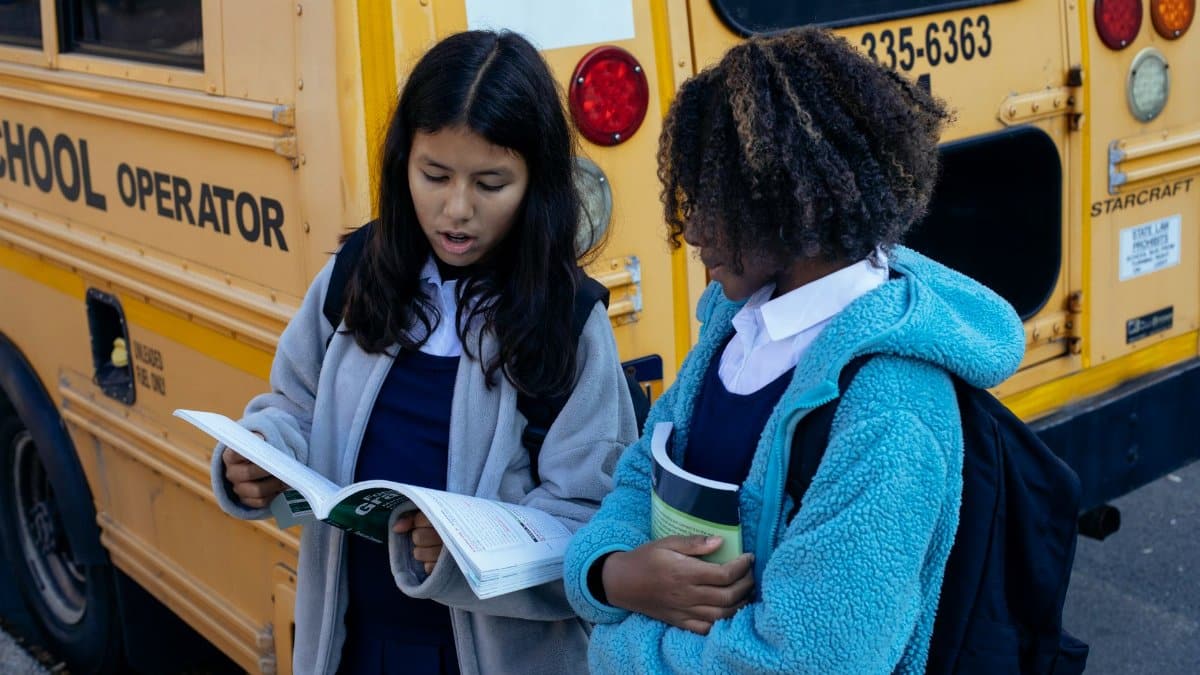
The question in the headline is the one district leaders keep asking in hallways after the cameras leave. Can a student who stays in a Miami Dade public school use the same scholarship for after school tutoring, a reading specialist, transportation, or a dual enrollment class? If the answer is yes, public campuses are not merely spectators. A high school counselor could point a struggling reader toward funded help without asking the family to leave the school they already trust. A band director or a special education team might see outside dollars cover a service the campus budget keeps trimming.
If the answer is no, and the money is usable only at private schools, then the cheer from private offices has a mirror image in district finance meetings. Florida’s public schools already argue that state scholarships pull enrollment, and with it a share of funding, out of neighborhood campuses. A federal add on would deepen that tension even if the dollar amount per child looks small. Seventeen hundred dollars will not build a wing. Multiplied across thousands of departing students, it changes staffing plans. The fair test is whether public school students in good standing can claim the benefit without surrendering their seat.
How a state chooses to take part

Federal tax credits do not drop into every mailbox on their own. States generally have to choose to participate, designate eligible scholarship groups, and decide which expenses count. Florida is likely to move quickly because the machinery already exists. Groups that administer state tax credit scholarships know how to verify income, track schools, and answer parent calls. Other states may hesitate, either from political opposition or from a simple lack of staff. A credit that exists on paper in Washington can remain a rumor on a kitchen table if a governor never signs the state into the program.
That choice will shape the public school question more than any speech. A state can write rules that welcome district students who need tutoring and still let private school families use the same pool for tuition. A state can also narrow the rules until only private tuition qualifies. Parents should watch the rulemaking, not only the ribbon cutting. The brand name will stay the same. The lived program will be whatever Florida, and each other participating state, actually authorizes.
Donors, congregations, and the tax math
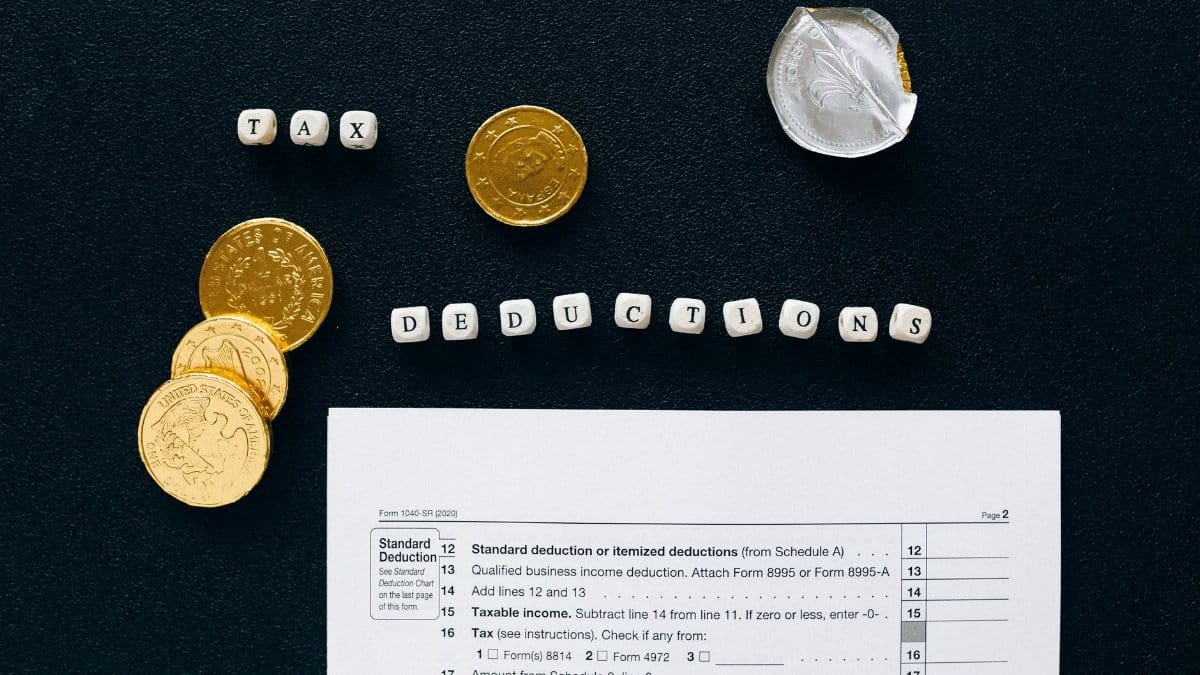
The people who make a scholarship fund real are not only parents. They are donors who want a receipt and a purpose. Under a credit, a gift to an approved group can be more attractive than an ordinary charitable deduction because the tax savings are designed to be larger and more predictable. Wealthy alumni of private schools will notice. So will small donors who give a few hundred dollars at a church fair and want to know the money reaches a named kind of student rather than a general fund.
Congregations sit at the center of this story in South Florida. Catholic, Protestant, Jewish, and other religious schools educate a large share of the children who would use a new scholarship. For a parish finance council, federal attention can feel like recognition that faith based classrooms are part of the public’s educational life, even when they are not government run. That recognition will comfort some readers and unsettle others. Public money adjacent to religious teaching has always been a hard American argument. A tax credit routed through private gifts is the latest attempt to walk that line without calling the payment a government voucher. Critics will say the line is semantic. Supporters will say the donor’s choice is the point.
Fairness, oversight, and who gets left out

Every scholarship design hides a sorting machine. If awards prefer students already enrolled in private schools, the credit stabilizes institutions more than it opens doors. If awards prefer students leaving public schools, districts feel the loss first. If awards reach children with disabilities, English learners, or families with modest incomes, the moral claim is stronger. Florida’s experience shows that popular programs grow fastest among families who already know how to apply. Paperwork, deadlines, and school admission standards can quietly exclude the students whose names appear in the speeches.
Oversight is the unglamorous half of freedom. Scholarship groups need audits. Schools that take the money need clear rules on discrimination, services for students with disabilities, and what happens when a child withdraws midyear. Parents need a place to complain that is not the school’s own office. None of that requires hostility to private education. It requires the same expectation Americans bring to any stream of publicly encouraged dollars. The Education Freedom Tax Credit will be judged less by its launch photo than by whether a family in Homestead and a family in a wealthy suburb face the same honest chance.
The wait until 2027

A start date two years out is both a mercy and a risk. Schools can plan. Software can be built. States can decide whether public school students are eligible for tutoring and supplies. Families, though, hear a number and imagine it arriving with the next tuition bill. It will not. Between now and 2027, legislatures can narrow the credit, courts can be asked to review it, and a new Congress can revisit the whole design. Private schools cheering today are cheering a scheduled intention, not a deposited check.
That gap is also a chance for public educators to stop treating the program as someone else’s parade. Districts can map which student needs a $1,700 scholarship could actually meet inside a public school day or just after it. If guidance allows supplemental services, superintendents should say so early and plainly. If guidance forbids them, superintendents should say that plainly too, and argue for a change before the forms are printed. Silence until the first awards go out will look, fairly or not, like a missed invitation.
What parents should ask before they celebrate or worry
A parent listening to the Miami Dade pitch deserves a short list of questions, not a slogan. Can my child receive the scholarship while remaining in a district school? Which expenses count? Does a religious school that receives my child’s award have to accept students with disabilities? Who holds the money if we move counties? What happens if the donor pool is smaller than the number of eligible children? Those questions do not reject the Education Freedom Tax Credit. They test whether the credit deserves the word freedom in its name.
Private schools have reason to cheer. A federal scholarship layered onto Florida’s existing system could steady enrollment and ease a slice of tuition pain. Public schools are not doomed by that fact, but they are not automatic winners either. They benefit only if the rules let their students use the money for real learning needs, and only if state leaders bother to write those rules with district families in mind. Until 2027, the program is still a design. The cheer is understandable. The benefit, for public campuses and for the children who never leave them, is still a choice someone has to make.