

As the end of summer nears families throughout Seattle prepare for children to return to their classrooms while union leaders and district officials work through extended sessions to finalize agreements. The pressure builds with each passing day as the August thirty first deadline for a new contract draws close. In this environment Teachers Bargaining serves as the central mechanism through which pay schedules classroom resources and professional support structures get shaped for the year ahead. Observers note that both sides have exchanged proposals on multiple occasions yet several core items remain unresolved. Community members watch closely since any delay could affect the first weeks of instruction and the overall stability of local schools.
Background on Seattle School Funding Pressures

Seattle public schools operate under tight budget constraints that stem from state funding formulas and local tax measures. Over recent years enrollment shifts and rising operational costs have added layers of complexity to resource allocation. Teachers often highlight how these factors influence class sizes and access to support staff. Discussions in current talks reflect efforts to balance fiscal realities with the need for competitive compensation that retains experienced educators.
Key Issues in Pay and Benefits

Compensation stands out as a primary focus during these exchanges. Union representatives seek adjustments that account for inflation and the high cost of living in the region. District leaders point to available revenue streams and long term sustainability. Past agreements show incremental gains in salary scales but questions persist about how to address disparities across different experience levels and subject areas.
Impact on Classroom Conditions
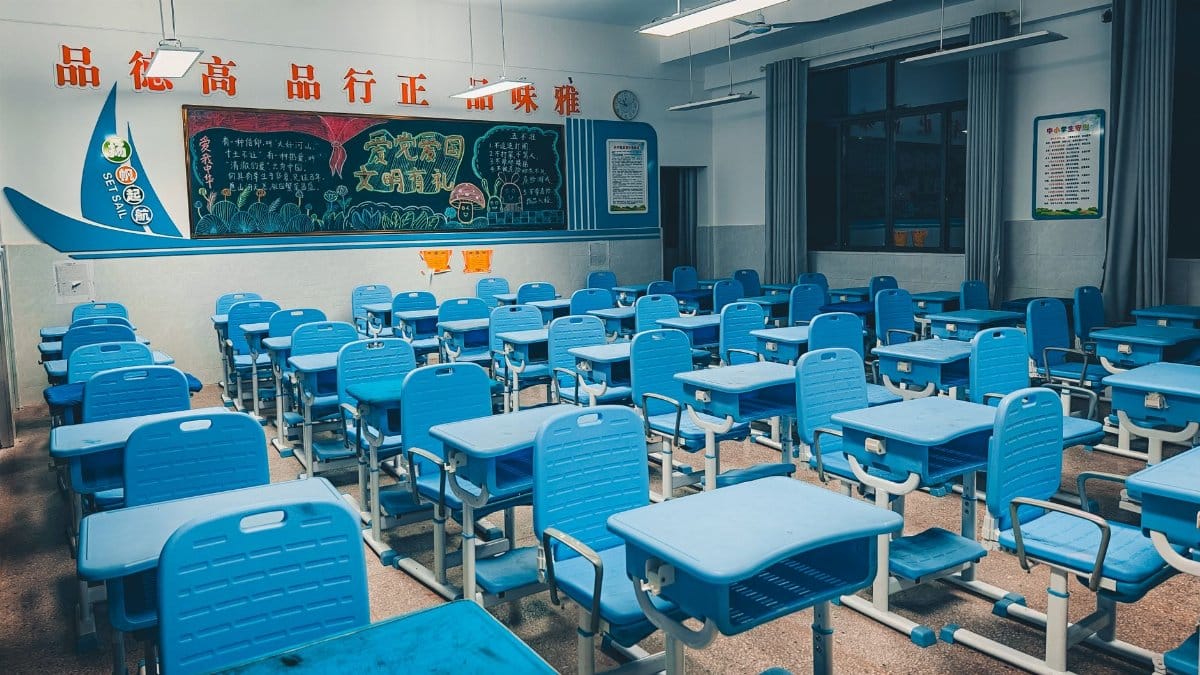
Physical learning environments and daily workloads form another major topic. Proposals include measures to reduce administrative burdens and increase planning time. Educators describe how such changes could improve instruction quality and reduce burnout rates. District responses emphasize ongoing investments in facilities and technology while weighing the practical limits of implementation timelines.
Role of Community Input

Parents and local organizations have voiced perspectives through public forums and written submissions. Their contributions often center on student outcomes and equity across neighborhoods. This external feedback provides context for negotiators as they weigh tradeoffs. Historical patterns indicate that community engagement can influence priorities though final decisions rest with the bargaining teams.
Comparison with Other Districts

Neighboring school systems have reached settlements on similar matters in recent cycles. Those outcomes offer reference points for salary structures and workload guidelines. Analysts review how Seattle might align or diverge based on its unique demographics and economic profile. Such comparisons help frame expectations without dictating the local process.
Potential Outcomes and Timelines

With the school year start approaching options range from a quick resolution to further extensions. Mediators may step in if direct talks stall. Both parties have expressed commitment to avoiding disruptions yet the path forward requires concessions on multiple fronts. Updates from the table continue to emerge through official channels.
Broader Implications for Education Policy
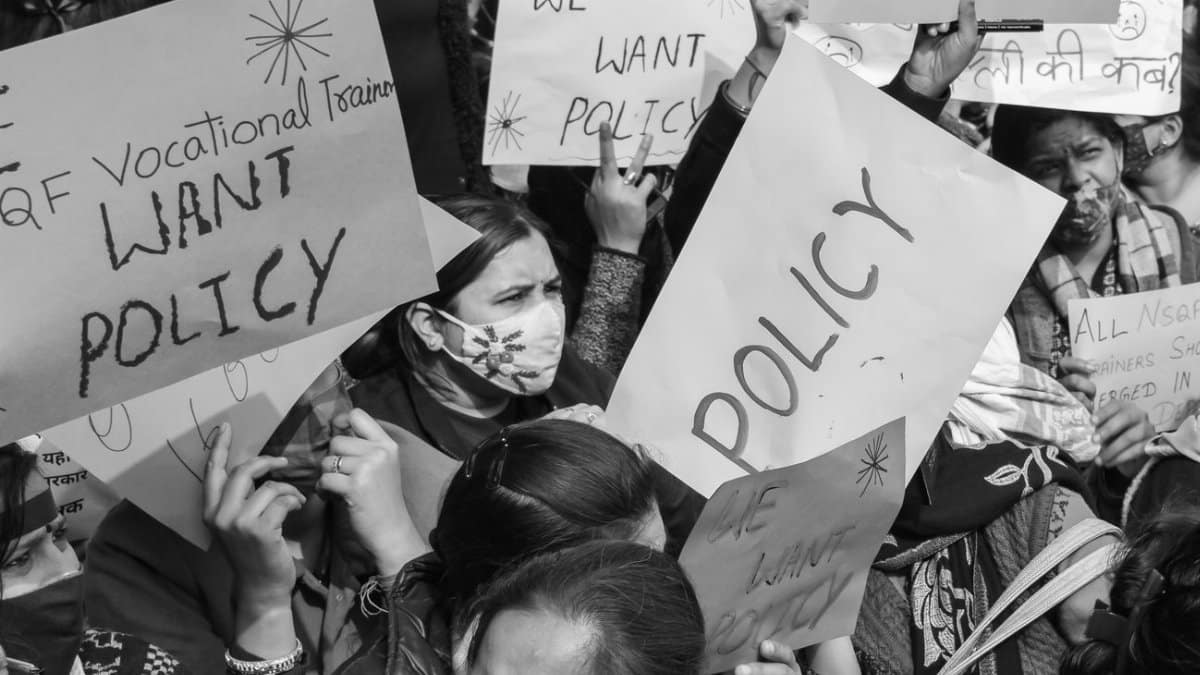
Agreements reached here could set precedents for future cycles across the state. They touch on themes of teacher retention and equitable access to quality instruction. Policymakers at higher levels monitor developments for insights into effective practices. The results may also inform debates around education funding models at the legislative level.
Looking Ahead After Resolution

Once terms are settled attention will shift to rollout and evaluation. Success will depend on clear communication and ongoing collaboration between staff and administrators. Families anticipate a smooth transition that prioritizes student learning from the first day forward. The experience underscores the value of sustained dialogue in public education systems.