

On an ordinary weeknight a message can look as official as a report card. The subject line sounds like a rule. The logo feels familiar. A parent forwards it before the kettle boils. That is roughly how a supposed Seattle Public Schools email warning students not to miss class for the release of Grand Theft Auto VI traveled from a private screen into a citywide conversation, and then into a plain denial from the district that says it never wrote the note.
What the district says it did not send

Seattle Public Schools has said the warning was not its work. The message, which spread online and was treated by many readers as an authentic notice, told families that students should not skip school when the long awaited game arrived. District officials rejected that authorship. In public terms, the correction is simple. The letterhead was borrowed. The authority was invented. The instruction did not come from the people who actually set attendance rules.
That simplicity matters. A school system speaks through a limited set of channels, and families learn to treat those channels as binding. When a fake note uses the same visual language as a real one, the harm is not only confusion about one video game. It is a small crack in the habit of trust. People who already feel flooded by notices have one more reason to hesitate before they believe the next message that looks official.
A mayor’s share and a faster rumor

The episode did not stay inside parent group chats. Seattle’s mayor shared the warning, which gave the fabrication a kind of civic endorsement it had not earned. Elected officials are not school clerks, and a repost is not a district policy. Still, a mayor’s account carries weight. Followers assume a city leader has checked a claim that concerns children, calendars, and public order. When that assumption fails, the correction has to chase an audience that has already moved on.
This is an old problem with a new speed. A printed flyer could be wrong, but it moved at the pace of backpacks and bulletin boards. A digital post moves at the pace of boredom and alarm. The mayor’s share did not create the forgery. It did enlarge the circle of people who saw a false rule and treated it as settled fact. In a city where schools, City Hall, and families constantly negotiate attendance, safety, and public image, that enlargement is not a minor embarrassment. It is a lesson in how authority gets counterfeited.
Why a game release became a school story

Grand Theft Auto VI is not a quiet cultural object. The series has sold in enormous numbers, shaped arguments about violence and satire, and trained a generation to expect spectacle from a release date. Even people who will never play the game know the title. That fame makes it useful raw material for a hoax. A warning about skipping class feels plausible because the public already believes the game is an event, not a product. Plausibility is the forger’s real tool. Spelling and logos can be copied. What cannot be copied as easily is the reader’s willingness to think, yes, that sounds like something a school would say.
Schools have real reasons to care about attendance. Chronic absence is a serious problem in many American districts, including large urban systems still recovering from the disruptions of recent years. A fake notice borrows that real concern and attaches it to a pop culture deadline. The result flatters adult anxiety. It suggests that administrators are alert, that they understand youth culture, and that they can police excitement with a memo. None of those impressions required the memo to be true.
How official looking email earns belief

Readers rarely audit a message the way a records clerk would. They look for a seal, a stern tone, and a consequence. The supposed Seattle Public Schools email offered that package. It spoke in the voice of institutional care, the voice that says we are looking out for your child and also for the school day. That voice is powerful because it is usually deserved. Teachers and principals spend their weeks sending genuine notes about buses, illnesses, closures, and forms. Forgery thrives in a stream that is already full of legitimate demands.
There is also the problem of partial truth. A district might well remind families that a game release is not an excused absence. Many schools have done versions of that reminder for concerts, sports championships, and movie premieres. Because the underlying policy is ordinary, a fabricated reminder does not trigger the skepticism reserved for wild claims. The lie hides inside a sentence a real administrator might have written on a tired afternoon.
The correction arrives late and smaller

Denials rarely travel as far as the thing they deny. A false warning promises drama. A correction promises paperwork. People share the first because it gives them something to do, a rule to enforce or mock. They share the second, if they share it at all, because they feel a duty. Duty is a weaker engine than novelty. By the time a district says it did not send the note, screenshots have been cropped, joked about, and treated as evidence in arguments that have nothing to do with attendance.
Journalists face a related bind. Reporting the denial requires describing the fake, and describing the fake can extend its life. The responsible path is still to say clearly what is false, who says so, and what remains unknown. In this case the central unknown for many readers was authorship. The district’s statement closes that question even if it cannot retrieve every copy already saved on a phone.
What families can check before they forward

Parents are not failing a test when they believe a polished fraud. They are acting inside a system that asks them to respond quickly to school communication. Still, a few habits reduce the damage. Compare the sender with addresses you have received before. Look for a link back to a district page rather than a claim that lives only as an image. Ask whether the message appears on the official site or in a portal you already use. If a public figure has shared it, treat that share as a clue, not as proof.
Schools can help without scolding. They can publish a short standing note about how official messages are sent, and they can correct fakes in the same channels families already trust. Speed matters more than scolding tone. A calm sentence on a verified account, repeated by principals, will outperform a long lecture about media literacy that arrives after the joke has hardened into memory.
Attendance, anxiety, and the adult story we tell

It is worth noticing who this hoax was really for. Students who plan to skip school do not need a viral memo to know the date of a game they already follow. The audience was adults: parents worried about grades, neighbors ready to cluck, officials eager to look responsive. The fake Seattle Public Schools email flattered that adult audience. It turned a commercial release into a morality play about responsibility, and it cast the district as the stern but caring narrator.
There is a gentler truth underneath the joke. Young people do organize their weeks around culture that adults find trivial. They also show up, more often than headlines suggest, for classes that feel worth their time. A district that wants better attendance will get further with engaging schools than with warnings about any single title, real or forged. The game will sell or it will not. The school day will still ask for presence, attention, and a reason to be there.
Trust as a public utility

I keep returning to the quiet civic function of a boring email. When it works, nobody writes a feature about it. A closure notice lands. A bus route changes. A form is due. Those messages are a kind of public utility, as unglamorous as water pressure and just as easy to take for granted until someone tampers with the pipe. A forged notice is not a catastrophe on the scale of a real emergency alert gone wrong. It is still a tampering. It teaches people that the pipe can lie.
Cities recover from that lesson only if institutions answer quickly and if the rest of us accept a slightly slower thumb. The mayor’s mistaken share is a reminder that prominence is not verification. The district’s denial is a reminder that the people who run schools still get to say what they did and did not send. Between those two facts sits the reader, who has more power than the forger wants to admit. Not forwarding is a small act. In a week crowded with louder news, it may be the most practical one.
What this episode does not prove

It does not prove that Seattle schools are careless, or that city leaders cannot read, or that video games are emptying classrooms. It proves that a believable sentence, dressed in institutional clothes, can outrun the institution itself. It also proves that corrections still matter. Without the district’s statement, the fake rule would keep circulating as folklore, the kind of story people repeat years later as if they had seen the original memo in a portal.
Folklore is sticky. A precise denial is the solvent. Families who heard about the warning secondhand deserve the same clarity as people who saw the mayor’s post: the district did not issue that instruction. Students remain bound by ordinary attendance rules, not by a viral costume of those rules. Anyone still holding the screenshot can treat it as a curiosity, not as guidance.
A calmer standard for the next viral notice
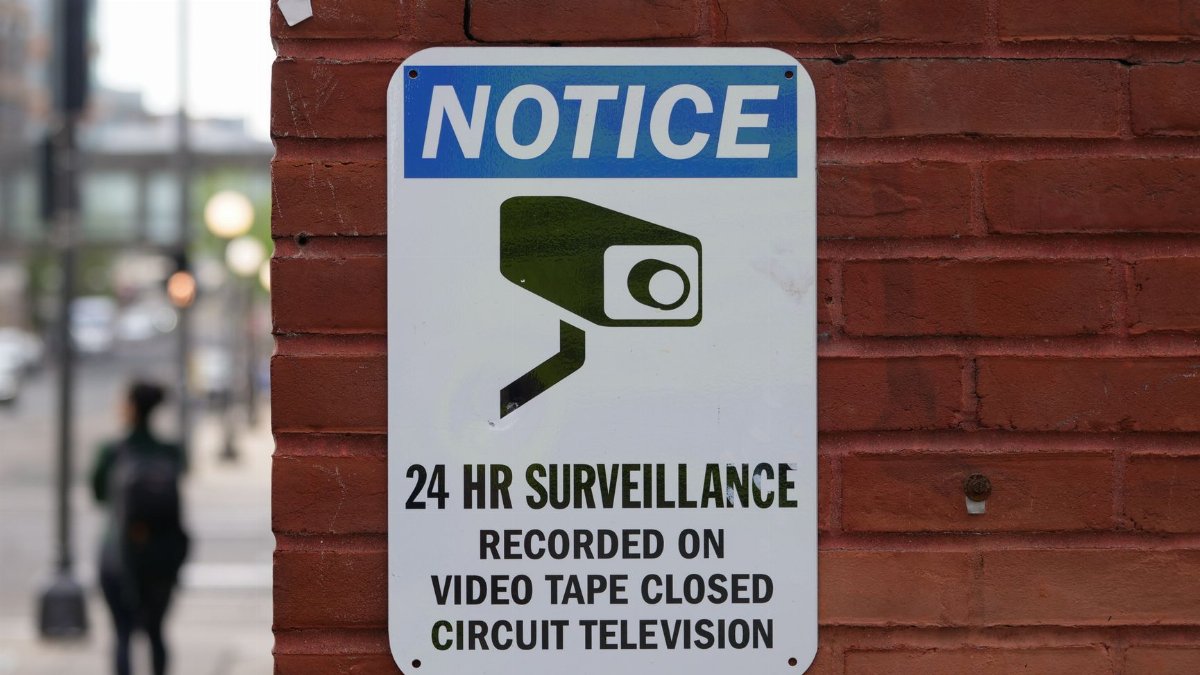
The next forgery will not be about this game. It may concern a closure, a threat, a policy on phones, or a celebrity visit that never was. The pattern will rhyme. An image will look official. A prominent account may amplify it. A school system will spend a day explaining a sentence it did not write. The public can make that day shorter by asking a dull question before the share button: who sent this, and where else does it live?
Seattle has already supplied the case study. A supposed Seattle Public Schools email about Grand Theft Auto VI was not a district message, even after it wore the city’s attention. The game will have its moment. The schools will have their real notices, full of dates and duties that do not need a rumor to matter. Between those two calendars, trust is maintained the old way, one verified sentence at a time.