

The bustling streets of Seattle often project an image of unified progressive thought yet beneath this surface lies a diverse political landscape. Recent Nielsen data reveals that nearly 700000 Republican leaning voters reside in the Seattle metro area challenging the notion of complete political homogeneity. Seattle Republicans though outnumbered play a role in local discourse that merits closer examination through available statistics and community observations.
Understanding the Voter Numbers

Nielsen findings place the count of those inclined toward Republican positions at a level that stands out in a city famous for its left leaning tendencies. This figure encompasses various neighborhoods where residents prioritize fiscal restraint and traditional values amid rapid urban growth. Analysts note that such voters often cluster in suburban pockets surrounding the urban core allowing for pockets of influence even when citywide results favor Democrats by wide margins.
Historical Context in the Region

Seattle once hosted more balanced political competition before the tech boom accelerated demographic shifts. Early records show periods when Republican candidates secured city council seats and even mayoral victories based on business friendly platforms. Over decades migration patterns and cultural changes tilted the balance but remnants of that earlier era persist in family owned enterprises and longstanding community groups that still value self reliance.
Impact on Local Elections

Even with minority status Seattle Republicans affect turnout and policy debates in key races. Their participation can narrow victory margins forcing candidates from both sides to address concerns like taxation and public safety more carefully. Data from recent cycles indicates higher engagement in ballot measures related to infrastructure spending where conservative voices advocate measured approaches over expansive government programs.
Economic Influences on Political Views

Many residents drawn to the area by employment opportunities in aerospace and technology maintain independent streaks that align with Republican principles on regulation and innovation. Small business owners in particular express frustration with layered rules that they argue hinder expansion. These economic realities foster a pragmatic conservatism focused on opportunity rather than ideology alone.
Community Organizations and Activities

Local groups tied to Republican causes host forums and volunteer drives that emphasize personal responsibility and civic duty. Such gatherings provide spaces for discussion on topics ranging from education choices to environmental stewardship through market solutions. Participation remains steady though often below the radar compared to more visible progressive events.
Media Representation Challenges

Coverage of Seattle Republicans frequently frames them as outliers in a sea of blue creating a narrative that overlooks their contributions to balanced debate. Outlets based outside the region sometimes amplify this view while local reporting tends to focus on election losses rather than ongoing involvement in neighborhood associations. This pattern leaves gaps in public understanding of the full spectrum of opinions present.
Future Prospects for Balance

Population trends suggest potential for modest growth in Republican leaning households as affordability pushes families toward outer areas. Younger voters raised in mixed households may also introduce fresh perspectives on issues like energy policy. Observers caution however that sustained relevance depends on adapting messages to resonate with the regions evolving workforce.
Broader Implications for the State
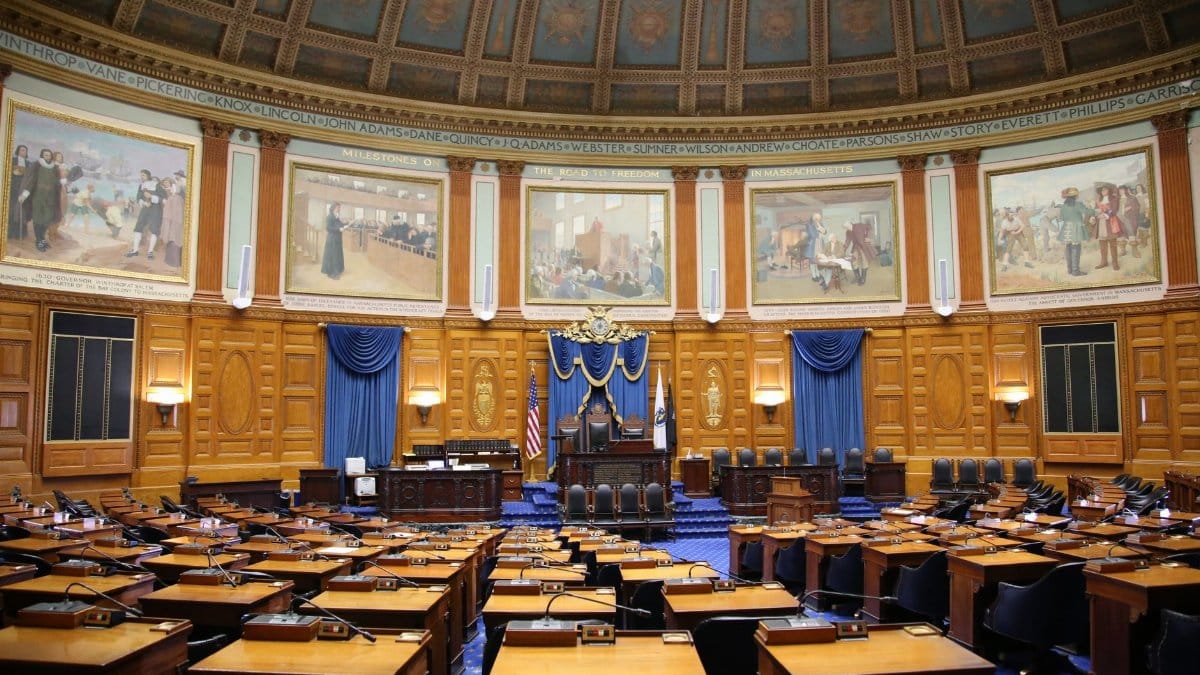
The presence of Seattle Republicans underscores Washington states internal divisions between urban centers and rural expanses. State level lawmakers from both parties must navigate these differences when crafting legislation on housing and transportation. Recognition of this diversity could lead to more collaborative outcomes that reflect the states full range of residents rather than dominant city narratives alone.