
On a weeknight when most major league parks have gone dark, a smaller crowd in the desert still leans forward for the first pitch. The assignment looks modest on a roster sheet and large in the life of a pitcher who has already spent a year learning how slowly an elbow heals. Giants AFL Rodriguez is the shorthand that has started to travel among fans who follow every roster move after September, a way of naming a rehabbing closer and the young players who will share his autumn in Arizona. The Giants are sending Randy Rodriguez to pitch for Scottsdale after Tommy John surgery in 2025, and they are sending prospects with him. For a franchise that lives on the bridge between the present and the next wave, the Arizona Fall League is less a souvenir than a workshop.
A closer stage for a loud job
Closing games is a public craft. The inning is short, the margin is thin, and the memory of a missed spot can last longer than the memory of a clean one. Rodriguez built his reputation in that narrow space, where a slider has to finish and a fastball has to arrive with purpose. Surgery took that stage away. The fall league gives a version of it back, with fewer cameras and a different kind of pressure. Giants AFL Rodriguez is not a victory lap. It is a controlled return, arranged so that the work can be seen by coaches who already know his delivery and by hitters who do not owe him any respect.
Scottsdale is a practical choice. The schedule is compact. The fields are familiar to player development staff. The innings can be planned rather than grabbed in the chaos of a September race. A closer does not need a heavy workload to learn whether the arm is honest again. He needs repeated chances to warm up, to enter with the game already shaped, and to leave with information rather than with a story he tells himself.
Why the desert still matters

The Arizona Fall League has long been a place where organizations finish an argument they started in spring. Some prospects need at bats against better breaking balls. Some pitchers need to prove that a new grip survives competent swings. The league is not the major leagues, and nobody serious pretends that it is. What it offers is concentration. Players live near the ballpark, train in the morning, and play in the evening. The days have a rhythm that a scattered minor league season sometimes loses.
For the Giants, that rhythm has a second use this year. A rehabbing pitcher can share a clubhouse with players who are still collecting their first professional scars. The older arm does not become a coach. He becomes an example of how a career bends without breaking, and of how little romance there is in the daily maintenance that makes a return possible. That example is quiet. It shows up in how early someone arrives and in how carefully someone leaves the mound when the script says the day is done.
The long road after the elbow

Tommy John surgery is no longer a mystery to fans, which can be its own problem. Familiarity makes recovery sound automatic. It is not. The reconstructed ligament needs time, the muscles around it need honesty, and the pitcher needs a mind that can tolerate slow news. Velocity is the number people ask about first. Command is the number that decides whether a return is real. A pitcher can light up a radar gun and still miss the part of the plate that made him valuable.
Rodriguez will be judged, in this setting, on simpler evidence. Does the arm come through on time. Does the ball move late. Does he trust the pitch he used to throw when the hitter was the one who was supposed to blink. Those are baseball questions, and they are also questions about nerve. A closer who hesitates becomes a different pitcher, even if the MRI looks clean. The fall gives him a place to hesitate in private, then to stop hesitating in public.
Prospects who travel beside him

The Giants are not sending a solo project to Arizona. Prospects go because the organization still has unfinished evaluations. A hitter might need to see more velocity. A pitcher might need to hold his stuff deeper into an outing. A defender might need repetitions at a spot the club is still imagining for him. The fall league compresses those questions into a few weeks, which is both a gift and a trap. A hot fortnight can flatter a player. A cold one can punish a player who is merely tired.
Sharing a roster with a rehabbing closer changes the texture of that evaluation. Young players watch how a veteran treats a bullpen session that will never appear in a highlight. They hear how he talks about a miss. They notice whether he chases every available inning or accepts a limit written by a training staff. Giants AFL Rodriguez, in that sense, is also a classroom assignment. The name on the assignment is a pitcher. The lesson is about pace.
What coaches actually watch
From the stands, a fall league game can look loose. From the rail, it is annotated. Coaches track first step quickness, swing decisions, and the shape of a breaking ball at the catcher’s glove rather than at the release point. They care about whether a player can reset after a bad at bat in the same game, because the next level will not offer a week of sulking. They care about whether a pitcher can execute a plan that was agreed upon before the inning, not the plan he invents when his best pitch is not there.
For Rodriguez, the notes will be narrower and more medical in spirit, even when they are written in baseball language. How many pitches. How the warm up looked. Whether the delivery stayed tall when he reached back for something extra. Whether he shook off pain or, more importantly, whether he shook off the fear of pain. A staff can measure a lot. It cannot measure courage except by watching what a pitcher chooses to throw when the count allows a safer option.
Scottsdale as a working city

Scottsdale in autumn is not the cartoon of pool decks and idle afternoons, at least not for the players. Mornings belong to lifts, arm care, and swing work. Afternoons belong to meetings and video. Evenings belong to games that draw scouts, relatives, and a scatter of fans who know the prospect lists better than the standings. The setting is pleasant. The job is not a vacation. Players who treat it as one usually announce that fact with their at bats.
There is a modest civic pleasure in this, too. A city that hosts spring training already understands baseball as a seasonal guest. The fall league extends that guest a little longer, with smaller crowds and a more intimate noise. Parents can hear the ball hit the bat. A pitcher can hear a coach without a microphone. For a man coming back from surgery, that scale can be a mercy. The game is still the game. The theater is smaller, which lets the work stay large.
Patience as a franchise habit
Organizations like to say they are patient. The transaction wire often says otherwise. A closer is a tempting piece to rush, because the role is scarce and the emotional return on a restored ninth inning is immediate. The Giants, by placing Rodriguez in Scottsdale rather than forcing a symbolic cameo, are choosing a slower sentence. That choice will look wise if the arm responds. It will look cautious if the winter brings a need for late innings and the depth chart looks thin. Wisdom and caution are often the same decision described by different people.
Patience is not the same as vagueness. A good plan has dates, pitch counts, and a person empowered to say no. It also has room for the body to disagree with the calendar. Elbows do not read organizational memos. The fall league is useful because it sits between the end of one season and the start of another, in a window where saying no does not yet cost a division race. That window closes. Using it well is a form of respect for the player and for the season that has not started.
The inner work nobody charts
Baseball coverage loves a measurable return. Spiritual language makes some clubhouses uneasy, and it makes some readers uneasy too. Still, rehabilitation is an inner event as much as a medical one. Athletes talk, when they trust the room, about breath, gratitude, and the discipline of not bargaining with a timeline. They talk about sitting with a body that will not be hurried. Those are not slogans. They are practices, repeated on days when the ball feels wrong and the future feels theoretical.
Rodriguez does not need to become a symbol for any of that. He needs to throw. Yet the setting invites the reflection. A fall league evening has a spare quality. The lights come on. The crowd is thin. The task is specific. In that spareness, a pitcher can notice whether he is pitching to prove something to a fan base or pitching to meet the next hitter. The second motive is the only one that travels. Giants AFL Rodriguez will be discussed as a roster note. On the mound it has to become something plainer: a man, a ball, and a choice.
How fans should read the box score
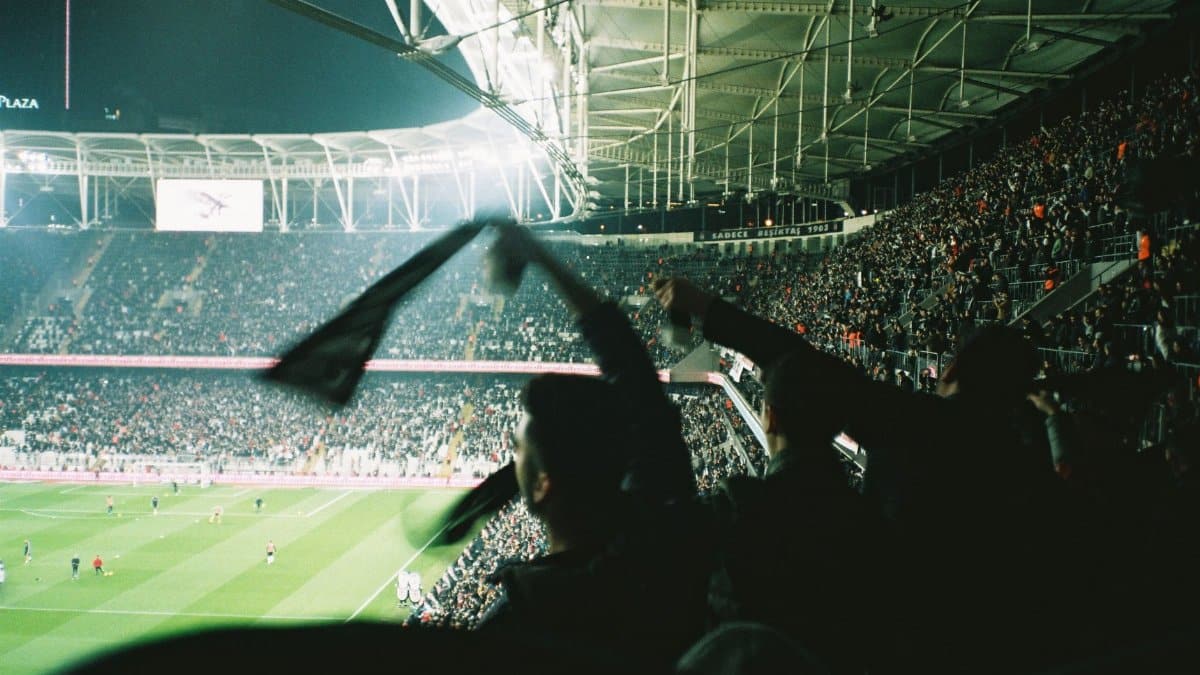
A fall box score is a poor prophet. An earned run can be a misplay, a scuffed baseball, or a hitter who will never see another October. A clean inning can be a gift from a tired lineup. Fans who care about Rodriguez should look past the line and toward the shape of the outings. Were the appearances planned. Did the pitch count rise in a straight line rather than in a spike. Did he face the middle of an order or a softer pocket of the card. Those details, when the club shares them, tell more than a save that does not officially exist.
Prospect box scores deserve the same humility. A home run in Arizona is real. It is not a forecast. The Giants have seen enough autumn heroes fade by May to know the difference between a tool and a player. The useful question is whether a prospect did the thing the staff asked him to do, again and again, against people who can punish a mistake. If he did, the league did its job. If he did not, the league did its job in a different way.
What a good October would mean

Success for Rodriguez in this assignment is not a headline about dominance. It is a sequence of outings that end on schedule, with stuff that resembles the pitcher the Giants trusted and with an arm that recovers the next day. It is a catcher who says the ball is coming out clean. It is a training staff that does not have to rewrite the plan in the middle of the week. Those are quiet wins. They are the kind that let a winter throwing program begin without a shadow over it.
Success for the prospects is equally unspectacular and equally valuable. A hitter who shortens up with two strikes. A pitcher who lands his fastball to the glove side without abandoning the rest of the arsenal. A young player who handles a slump without inventing a new swing every night. The Giants will take video home. They will also take impressions that video cannot hold, about composure and about how a player treats teammates when the lights are ordinary.
A season that refuses to end in September

Major league baseball likes a clean ending. The regular season stops. The playoffs sort the rest. For a club like the Giants, and for a pitcher in the middle of a return, the ending is a fiction. Work continues in Arizona because development does not respect the calendar fans prefer. The desert games will not decide a pennant. They may decide whether a ninth inning next summer belongs to a familiar arm or to a plan still being written.
That is the real weight of Giants AFL Rodriguez. The phrase sounds like a transaction. It is a wager on time. The Giants are betting that a closer can be rebuilt in public without being rushed, and that prospects can grow beside that rebuilding without being asked to carry it. Scottsdale will offer innings, sun, and a scoreboard that matters less than the notes taken after the last out. If the wager is sound, the winter will feel shorter. If it is not, the club will know early enough to tell the truth. Either way, the fall will have done what serious baseball asks of every small stage. It will have made the next decision clearer than the last one.