
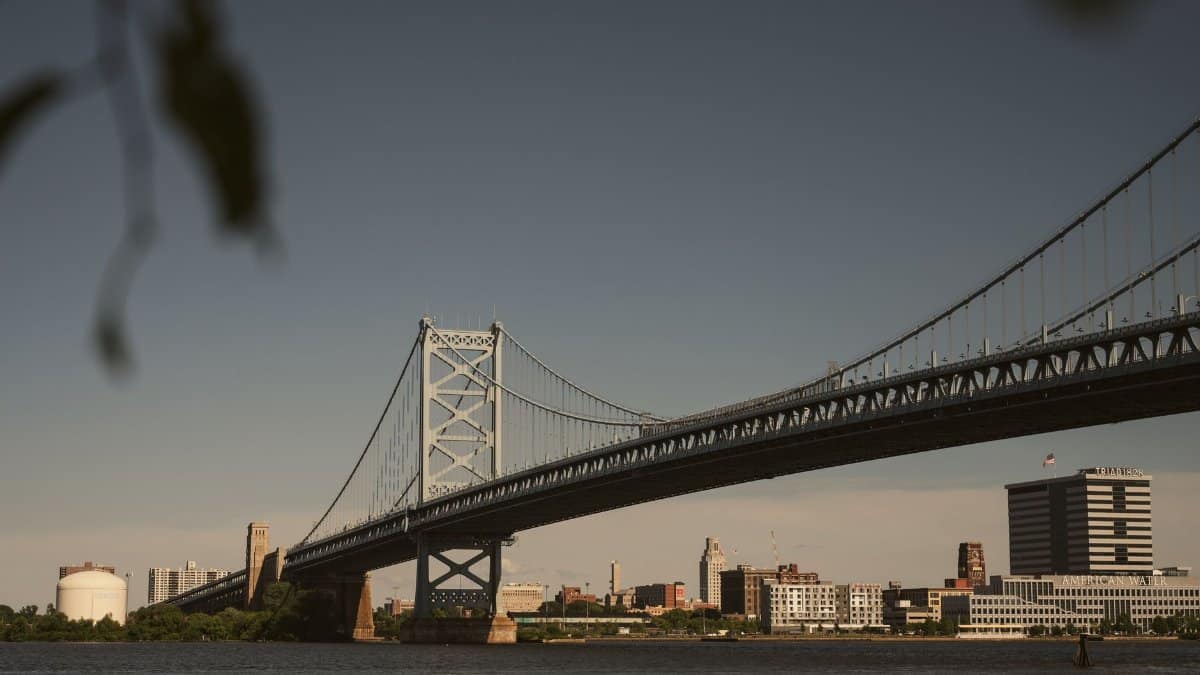
Philadelphia has a way of announcing autumn before the trees do. The light thins over the wide streets, school traffic returns, and reservation books start to look like a second civic calendar. This year that calendar is crowded. A widely read fall dining guide puts the number of Philly fall restaurant openings near 60, a figure large enough to rearrange weeknight plans from the river wards to the far blocks of South Philadelphia. The list is not only a menu of novelty. It is a portrait of a city still willing to bet on tables, even when the bet is expensive.
The season arrives on paper first

Long before the first coat weather, the news travels in group texts and clipped screenshots. Someone hears about a wine bar taking a former office. Someone else hears that a baker with a devoted following has finally signed a lease. By the time leaves gather in the gutters, the rumor has hardened into a date, a soft opening, and a plea for patience. That is how a dining season actually begins here. Not with a ribbon, but with a note that the kitchen is still learning the room.
A guide that gathers those notes into one place does a particular kind of work. It tells residents where to look, and it tells visitors that the city is not frozen in last year’s favorites. About 60 new rooms is not a small ripple. It is closer to a seasonal census of appetite. Some will be polished and costly. Others will be counters, bakeries with a handful of seats, or bars that seat fewer than 30 and still feel full on a Thursday.
What a long list can and cannot prove

Numbers flatter and numbers mislead. A count of openings does not measure how long those rooms will last, how fairly they will pay, or whether a neighborhood needed another place to eat. It does measure confidence. Opening a restaurant in a large American city remains one of the more public acts of optimism available to a small business. The equipment is heavy. The lease is long. The first reviews arrive before the staff has memorized one another’s names.
Readers should treat Philly fall restaurant openings as a starting map, not a verdict. A map shows where energy is pooling. It does not promise that every pin will matter in a year. Some of the most loved rooms in this city began quietly and stayed small. Some of the loudest debuts faded once the first month of curiosity passed. The useful question is not which place is newest. It is which place has a reason to exist after the novelty fades.
Neighborhoods carrying the new tables
The geography of the list matters as much as the head count. Center city still draws the rooms that want foot traffic, hotel guests, and the theater crowd. The neighborhoods east of Broad continue to test how many wine lists and noodle counters one corridor can hold. South Philadelphia, with its older dining culture and its tighter blocks, absorbs newcomers differently. A new place there is judged not only on the plate but on whether it understands the street it joined.
West Philadelphia and the avenues north of the museum district tell another story. Openings there often arrive with a clearer sense of who lives nearby, because the tourist current is thinner. A fall wave spread across several neighborhoods is healthier than a wave piled onto a single fashionable block. It suggests that landlords, cooks, and diners are still finding one another outside the usual postcard frame. It also suggests that no single district owns the city’s appetite.
A state grant and the hopes attached to it
The same fall accounting that tracks new doors also notes a state grant, a reminder that private risk is not the only money in the room. Public support for food businesses can take many shapes: help with equipment, help with a storefront, help aimed at neighborhoods that have waited longer for investment. When it works, a grant lowers the cost of the first dangerous months. When it is clumsy, it becomes a press release with little effect on payroll.
Readers are right to ask ordinary questions. Who received the money. What was it allowed to buy. Did it reach a cook owned room or a project already flush with investors. Those questions are not cynicism. They are how a city keeps economic development from turning into theater. A grant is not a personality. It is a tool. The dining public will judge it by whether a useful room remains open after the announcement is forgotten.
A South Philly dinner that will not return
Openings are only half the autumn story. The guide also records a South Philly dinner shutdown, the kind of ending that rarely gets the same excited forwarding as a debut. A last service has its own quiet choreography. Regulars come back for a dish they have ordered for years. The staff poses for a photograph they will not hang. Someone tries to explain, in a short note online, that the math stopped working, or that the owners were simply finished.
A shutdown in a neighborhood with deep dining memory lands harder than a closure in a district still inventing itself. People do not only lose a menu. They lose a weeknight plan, a bartender who knew the names, a table that marked birthdays. The city can add dozens of new rooms and still feel a specific absence. That is not nostalgia for its own sake. It is the recognition that restaurants are social infrastructure, even when they are also businesses that fail.
The arithmetic owners rarely print
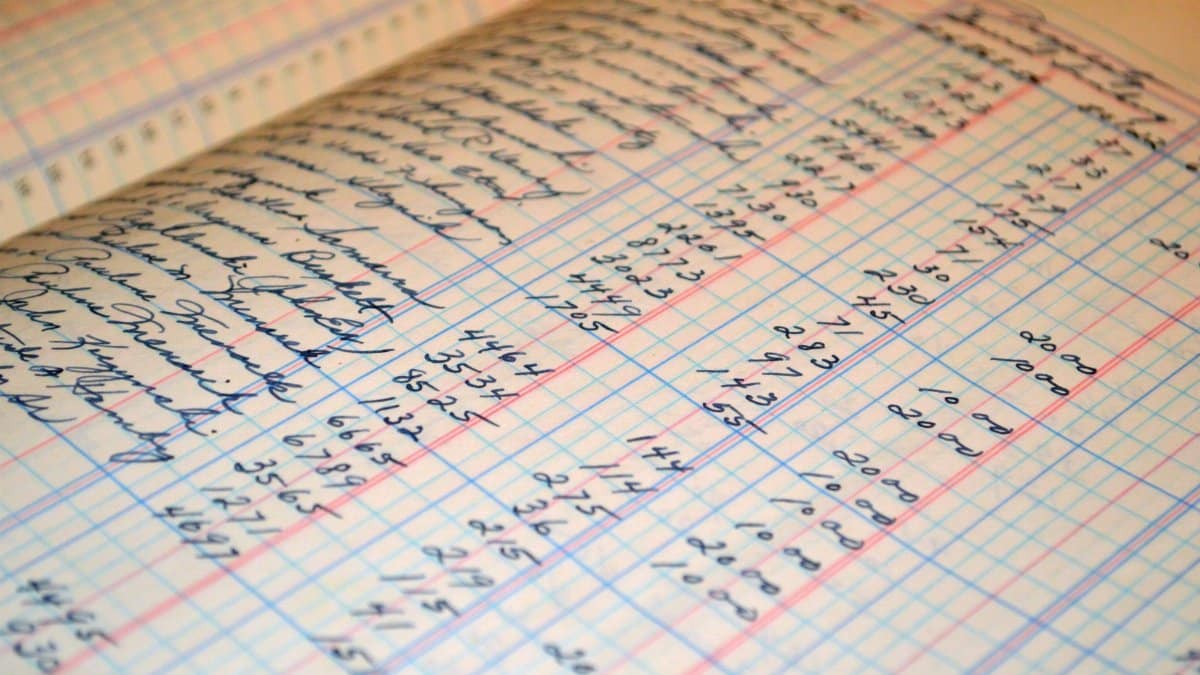
Behind every debut is a stack of numbers that never appear on the menu. Rent. Insurance. Linen. The cost of a trained line cook who can leave for a hotel job across town. Credit card fees. A cooler that fails on a Saturday. Diners experience the result as a price, a wait, or a smaller portion. Owners experience it as a weekly argument with reality.
This is why a fall crowded with openings should not be read as proof that the industry is easy. It may mean the opposite. It may mean that people who love this work are still willing to try, knowing the try can end in a locked door. It may also mean that some projects are backed by fortunes the dining room will never see. The public cannot always tell those stories apart from the sidewalk. A fair reading leaves room for both ambition and strain.
What people seem to want when the air cools
Taste shifts with the weather, though not as neatly as magazines pretend. Cooler nights favor rooms where a person can stay. Broth. Roast meats. A glass that does not demand a speech. Philadelphia has never lacked for places that understand comfort, from corner cooks to dining rooms with white cloth and a long memory. The newer rooms will be measured against that standard whether they like it or not.
There is also a hunger for clarity. Diners who lived through years of disruption are less charmed by confusion. They want to know if a place takes walk ins, whether the kitchen can handle a simple request, and if the bill will resemble the promise. Among the Philly fall restaurant openings, the ones likely to endure are those that answer those plain questions without fuss. Style still matters. So does the feeling that someone in the building is paying attention to the guest in the chair.
Labor, training, and the invisible first month
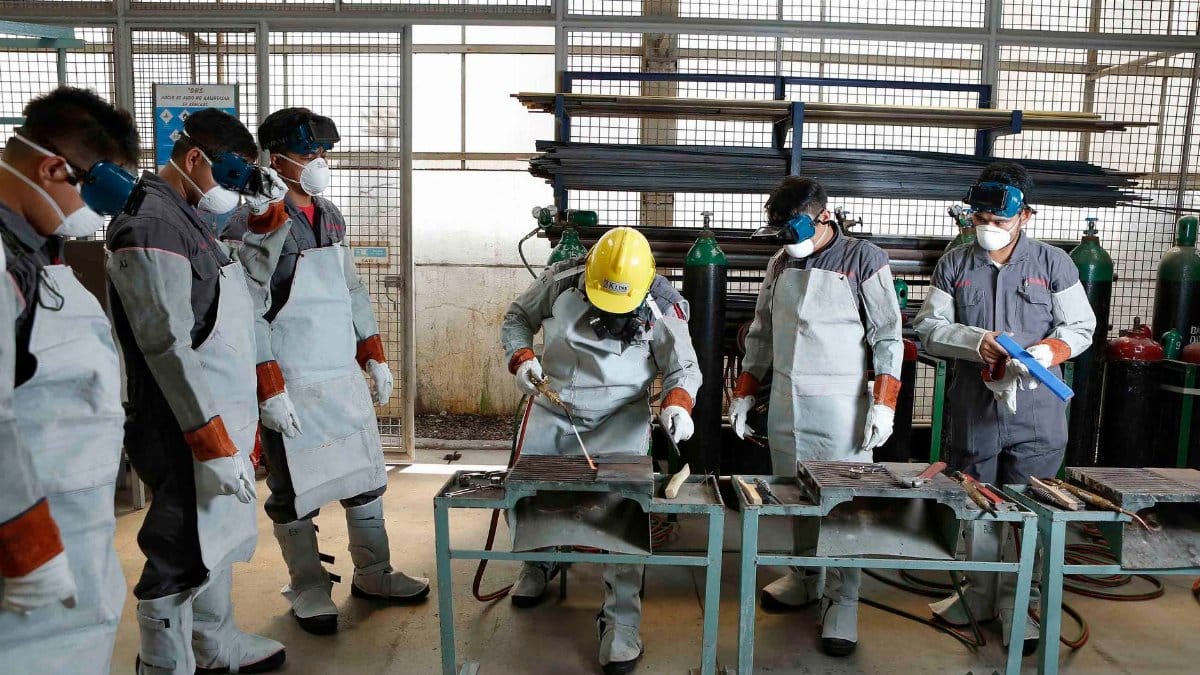
A restaurant is a school that opens to the public before the lessons are finished. Servers learn the floor while the floor is full. Cooks learn the timing of a new menu while tickets pile up. Managers learn which reservation system will betray them on a Friday. The first month is a public rehearsal. Kindness from guests helps. It does not replace wages, schedules, and a kitchen designed so that people can work without breaking themselves.
Any serious look at a seasonal boom has to include the people who are not on the press list. Dishwashers. Prep cooks. Hosts who absorb the anger when a table is late. If the new wave is real, it will be visible in whether those jobs are stable enough to keep. A city can applaud a chef and still ask who closes the restaurant at midnight, and whether that person can afford to live within a reasonable ride of the door.
How a guide becomes a civic document
A dining guide is entertainment, and it is also a record. Years from now, a list of about 60 openings will tell a future reader what this autumn believed about itself. Which cuisines were arriving. Which blocks were being remade. Which projects had the backing to announce a date, and which beloved dinners were ending. Journalism that gathers those facts does a service beyond recommendation. It keeps the city’s appetite from vanishing into memory and marketing.
That service depends on proportion. A guide that only celebrates will age badly. A guide that only scolds will miss the pleasure that makes the subject worth covering. The better version holds both the grant and the shutdown, the debut and the doubt. It lets readers feel the pleasure of a new room without pretending that pleasure is the whole story. In a town that argues about food the way other towns argue about teams, that balance is its own kind of craft.
Reservations, walk ins, and ordinary manners

The practical life of a busy fall is less glamorous than the announcement. Tables vanish online. Walk in guests hover near the door. A party of six discovers that the room was never built for six. None of this is new, but a season dense with openings makes the friction more visible. People want the new place and also want the old ease of deciding at 7 that they are hungry.
Manners still solve more of this than apps do. Call if you are late. Release the table you will not use. Tip as if the person in front of you is doing skilled work, because they are. Restaurants are not public parks, yet they function as shared rooms, and shared rooms survive on small courtesies. The best new dining room in the city can be made miserable by a crowd that treats staff as obstacles. The modest room can feel generous when everyone inside decides to behave like a guest.
Gathering as a quiet civic habit
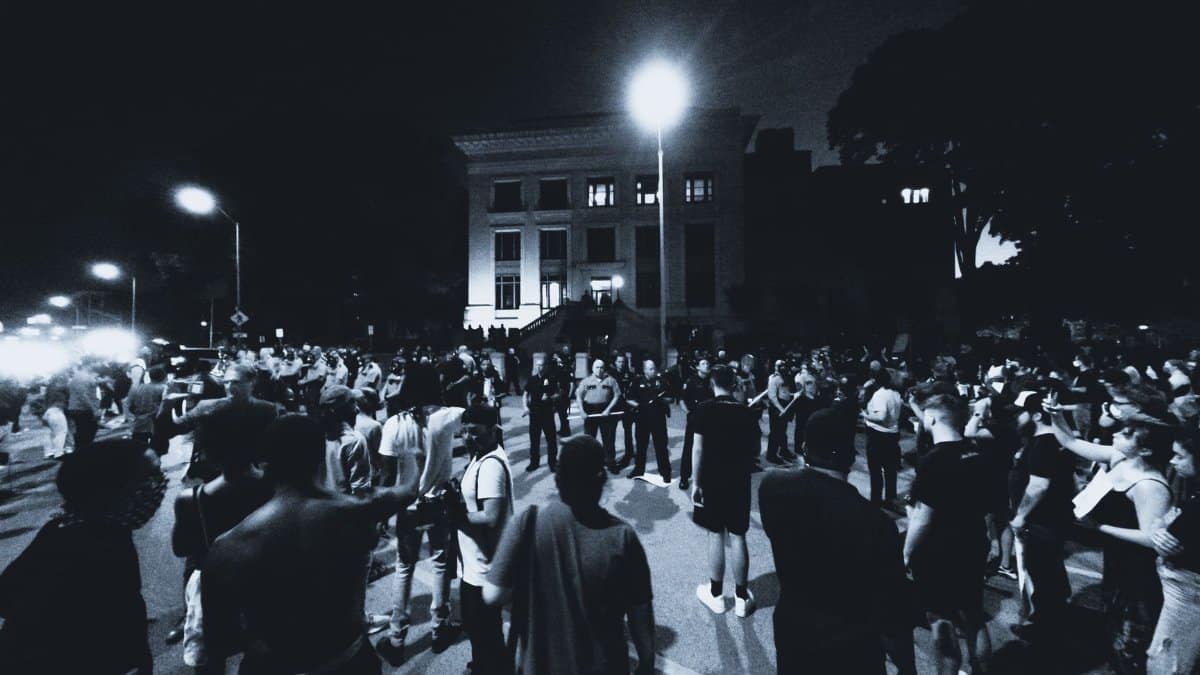
Food writing sometimes strains to make dinner mean more than dinner. Still, there is a reason people mark autumn by where they will sit. A table is one of the few remaining places where acquaintances must look at one another for an hour without a screen in the way. In a city as argumentative as this one, that hour is not trivial. It is practice in staying.
I have sat through enough Philadelphia meals to know that the meaning is rarely announced. It shows up as a second coffee, a story about a parent who cooked the same dish, a silence while everyone attends to the plate. The new rooms will host those moments or they will not. No grant can require it. No list can guarantee it. The possibility is why the openings matter to people who do not work in restaurants at all.
What to watch through the cold months

By the time the holidays crowd the books, the fall list will have sorted itself. A few rooms will already feel inevitable, as if the block had been waiting for them. A few will be adjusting hours, trimming menus, or searching for a cook. The South Philly absence will still be felt by the people who kept that particular Tuesday. The state grant will either show up in a working kitchen or recede into a line in a budget.
The sensible way to follow Philly fall restaurant openings is slowly. Visit once without demanding that a room justify its reputation. Notice whether the staff looks supported. Notice whether the neighbors seem welcome, not merely tolerated. Notice, too, the places that are not new and are still doing the daily work of feeding a city. A season of debuts is exciting. A city is built just as much by the doors that stay open when the list has moved on.
About 60 new restaurants will not remake Philadelphia by themselves. They will add chances: for a cook to test a point of view, for a block to gain a lit window, for a visitor to understand that this city still argues with its dinner. That is enough to make the autumn worth reading closely, and worth leaving the house for, coat in hand, before the reservations disappear.