
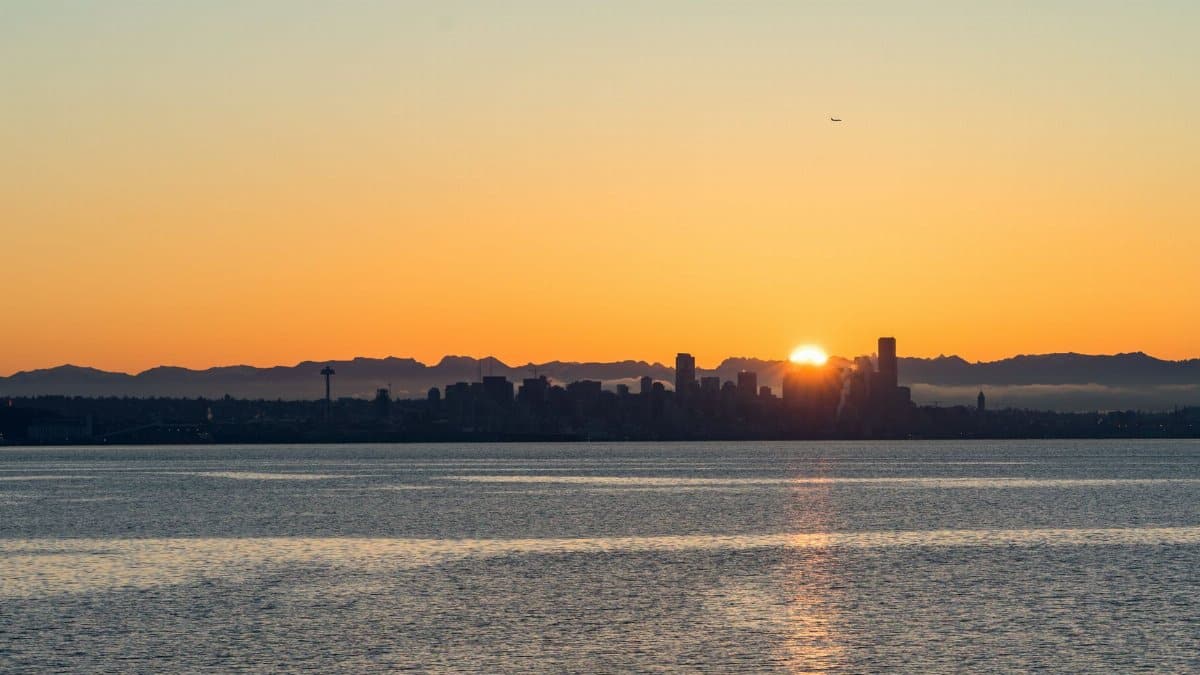
As the city prepared for global attention during major soccer events this summer, residents found themselves facing unusually high temperatures that pushed local climate boundaries further than expected. This period highlighted Seattle Heat in ways that caught both longtime locals and visitors off guard, turning routine summer days into subjects of widespread discussion.
City Responds to Rising Temperatures
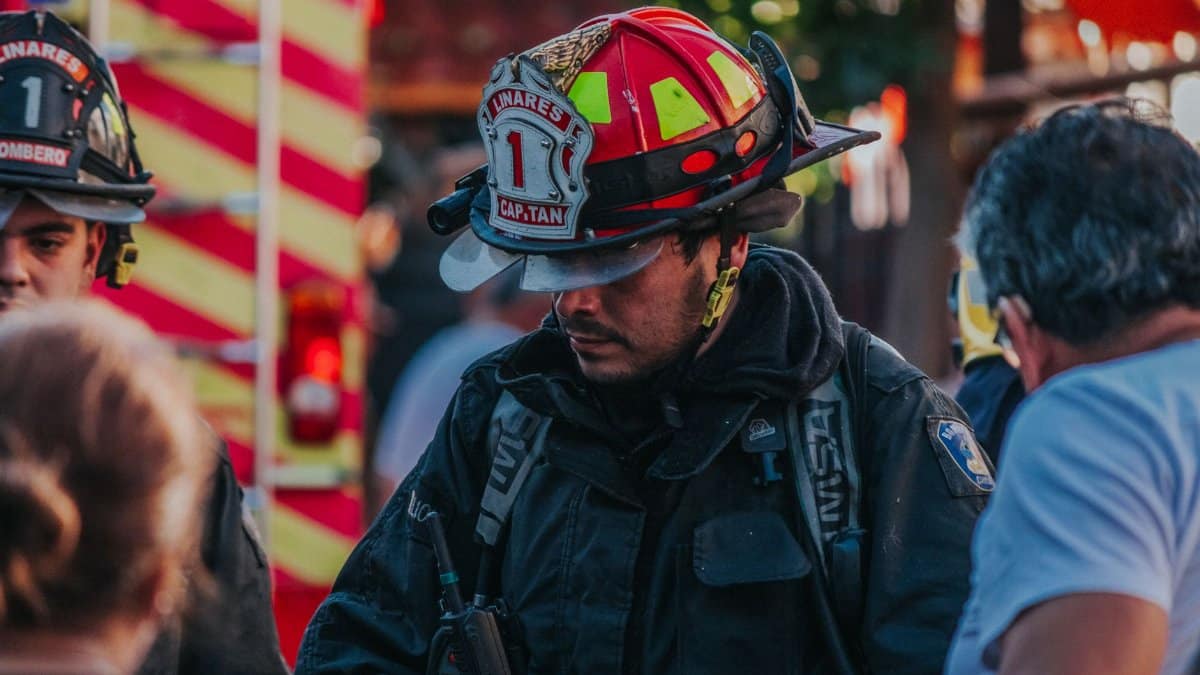
Officials in Seattle moved quickly to open cooling centers and extend public transit hours as thermometers climbed past typical summer marks. The response drew from past heat events yet adapted to the added pressure of international visitors filling streets and venues. Community groups distributed water and checked on elderly neighbors, showing a coordinated effort that reflected the city’s evolving approach to extreme conditions.
World Cup Events Under Scrutiny
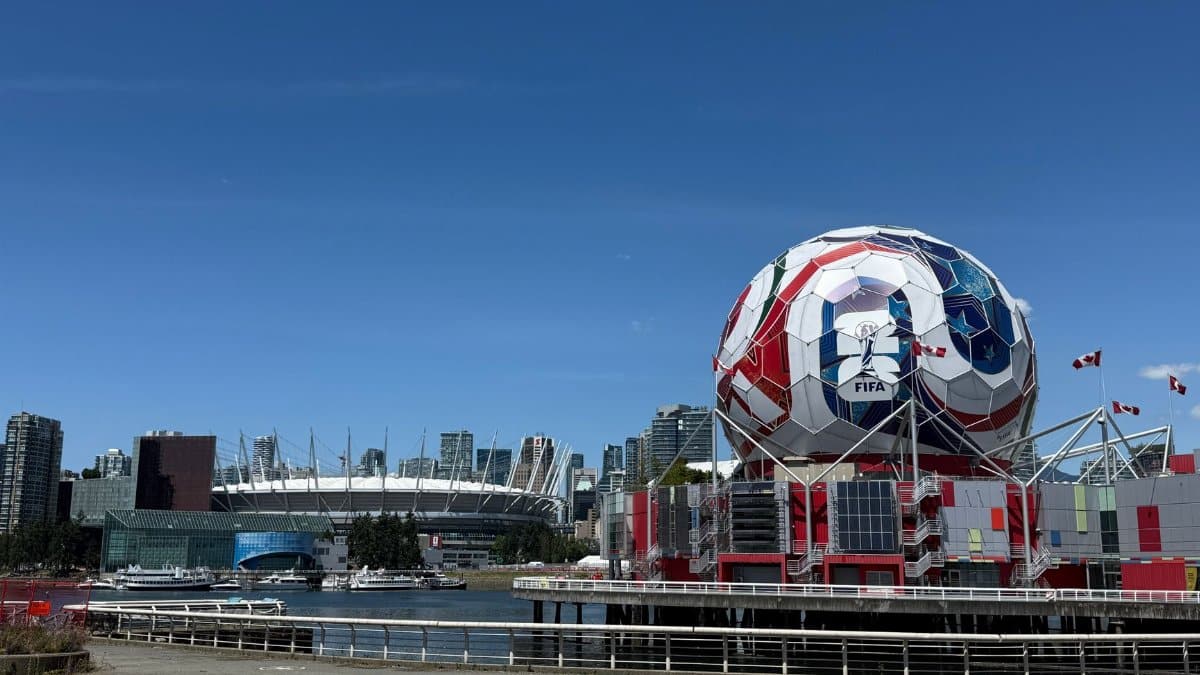
Matches and fan gatherings continued despite the warmth, with stadium crews adjusting schedules and providing extra shade structures. Organizers noted that the spotlight on Seattle Heat added an unexpected layer to coverage, as broadcasters mentioned the weather alongside game analysis. Athletes adapted their routines, hydrating more frequently while fans sought relief in misting stations set up around key locations.
Historical Context for Local Climate
Records from recent decades show Seattle maintaining milder summers compared with many American cities, yet patterns have shifted noticeably in the past ten years. Meteorologists compared current readings to earlier benchmarks, confirming the latest spike exceeded previous highs by several degrees. This change aligns with broader regional trends observed across the Pacific Northwest.
Public Health Measures Take Hold

Hospitals reported increased visits related to dehydration and heat exhaustion, prompting health departments to issue daily advisories through local media. Doctors emphasized simple steps such as limiting outdoor time during peak afternoon hours and monitoring symptoms in children. These efforts helped keep serious cases lower than feared, though awareness campaigns expanded rapidly across neighborhoods.
Economic Ripple Effects Emerge

Outdoor businesses such as cafes and markets adjusted operations, moving seating indoors or adding portable shade to retain customers. Tourism operators noted mixed results, with some events seeing strong attendance while others faced cancellations from wary travelers. Overall revenue for hospitality remained steady, supported by the draw of the international games even amid warmer conditions.
Environmental Factors at Play
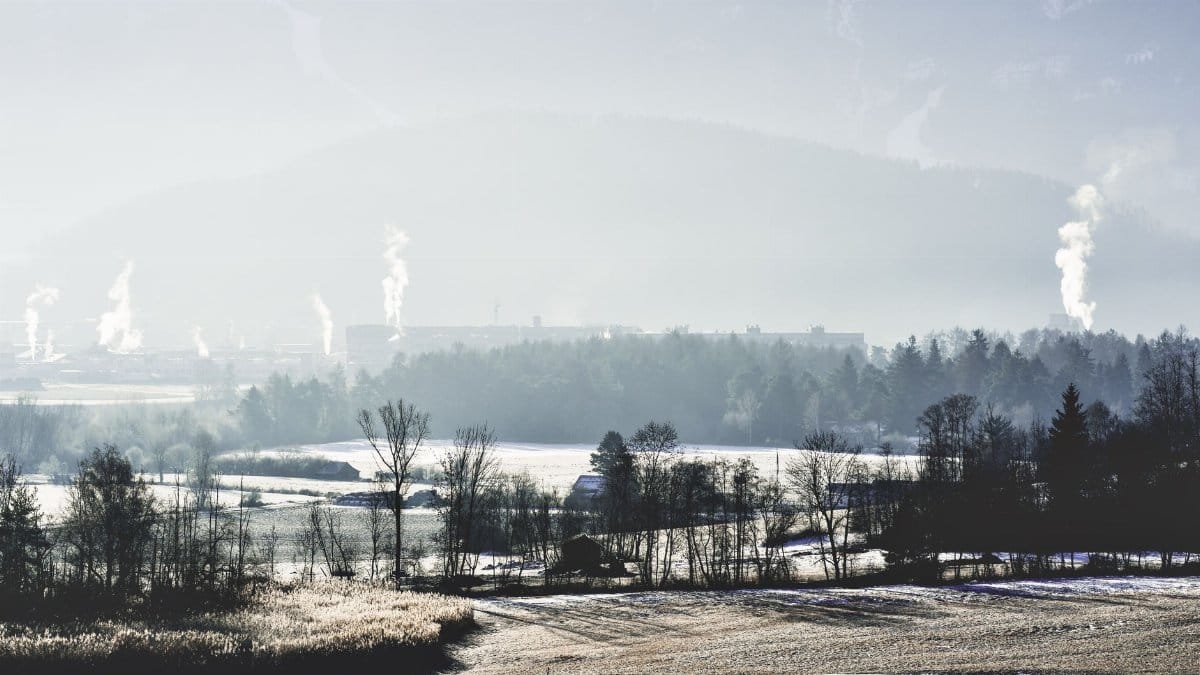
Urban development and reduced tree cover in certain districts contributed to localized warming, according to studies from regional universities. Planners now examine ways to expand green spaces and reflective surfaces on buildings to moderate future spikes. Such strategies aim to balance growth with livability as the area continues to attract new residents and events.
Community Stories Surface

Residents shared accounts of altered daily routines, from early morning walks to shared cooling resources in apartment buildings. One family described turning their living room into a temporary refuge for neighbors without air conditioning, fostering unexpected connections during the warm spell. These personal adjustments underscored a collective resilience that extended beyond official responses.
Looking Ahead to Future Seasons

Forecast models suggest similar temperature patterns could recur, leading city leaders to review long term infrastructure needs. Discussions include upgrades to power grids and expanded emergency protocols tailored to event seasons. The experience with Seattle Heat serves as a reference point for refining these preparations in coming years.
Media Coverage Shapes Perception

National outlets picked up the story, framing the heat alongside the World Cup excitement and sparking conversations about climate resilience in host cities. Local journalists provided detailed updates that helped residents stay informed without alarm. This balanced reporting maintained focus on both the challenges and the adaptive measures underway.
Lessons for Other Regions

Other cities hosting large events observed Seattle approach and began evaluating their own heat response plans. Shared resources from public health agencies highlighted practical steps that proved effective here, from hydration stations to flexible scheduling. The episode offered a case study in managing warmth during high profile gatherings.