

On a still night in rural Cumberland County, the ordinary sounds of a farm town can disappear under a low mechanical drone. Neighbors say the sound does not fade when the lights go out. Vineland data center noise has become their name for a hum that follows them from the yard into the bedroom, and for a civic argument that now reaches well beyond one street.
A quiet place meets a constant machine

Vineland sits in the southern stretch of New Jersey, a city with farmland at its edges and a long memory of industry that came and went. Residents who live near a computing complex of about 2.4 million square feet describe something new. The buildings do not close. Servers keep running. Fans and chillers keep moving air. What might register as background sound by day becomes, after midnight, the only sound some people can hear.
The Philadelphia Inquirer has reported on those complaints, including night noise and a fine of $1 million tied to the project, in a story that also raised questions about water. The reporting is here: https://www.inquirer.com/business/technology/vineland-nj-dataone-data-center-residents-noise-water-20261001.html. For people who expected a warehouse district to stay quiet after dark, the mismatch feels personal. Sleep is not a luxury in a place where many residents rise early for hospital shifts, school bus routes, and field work.
What neighbors say they hear

Descriptions cluster around a few words. A hum. A drone. A vibration that seems to sit in the wall rather than arrive through an open window. Some compare it to a truck idling on a road that never empties. Others say it is less a noise than a pressure, the kind that makes a person check whether a refrigerator has failed or a generator has kicked on down the block.
Those accounts are anecdotal, and anecdote is not the same as a calibrated reading. Still, the pattern matters. People report the problem most clearly at night, when other traffic drops away and the ear has less to mask a steady tone. They talk about waking at the same hour, about fans in bedrooms that do not cover the sound, about children who ask why the house is buzzing. Vineland data center noise, in their telling, is not a single bad evening. It is a schedule the machines keep and the neighbors did not choose.
Why these buildings never really sleep

A modern data center is a factory for computation. Rows of servers turn electricity into heat. Heat has to leave the building or the machines fail. That job falls to chillers, cooling towers, pumps, and large fans. The equipment is ordinary in industrial parks. What is less ordinary is the hour. Unlike a plant that shuts a line at dusk, a computing hall is built to stay online.
Artificial intelligence has raised the stakes. Training and running large models demands dense racks and heavy cooling. Developers look for land, power, and speed to market. Towns look for tax base and construction jobs. The bargain can look clean on a site plan. It looks different from a bedroom a short distance from a cooling yard, where the product is invisible and the byproduct is sound.
How sound travels after dark
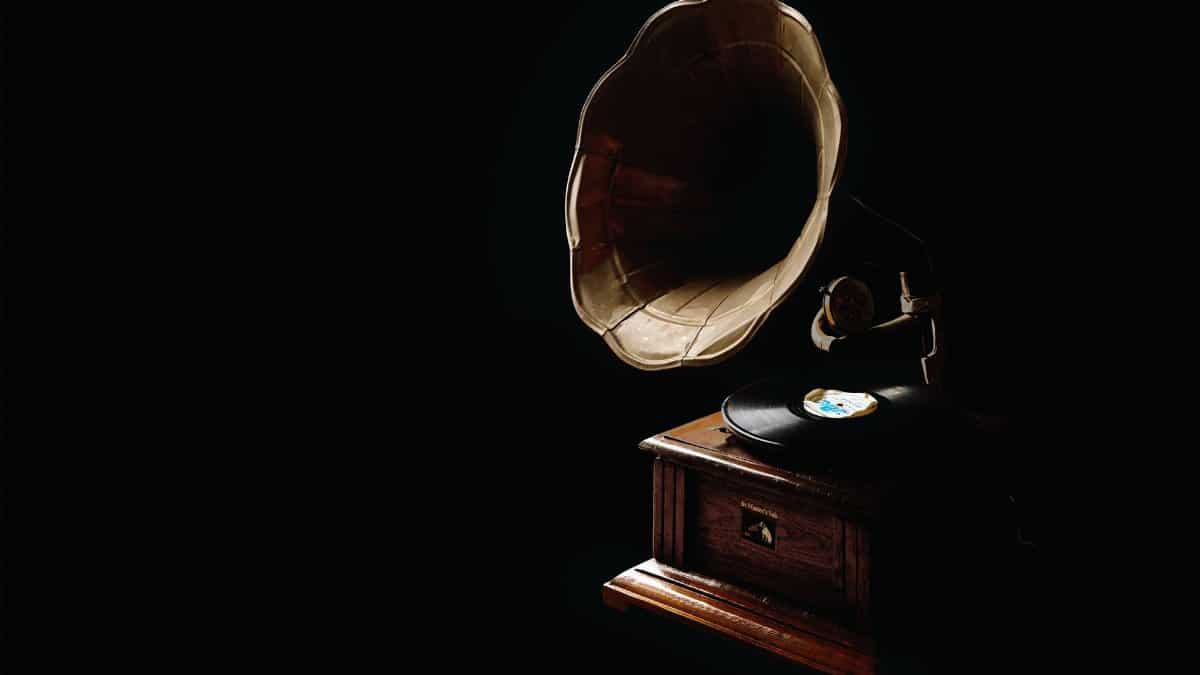
Low frequency sound is stubborn. It bends around barriers, slips through ordinary walls, and carries farther than a sharp clatter that dies in a few hundred feet. Humidity, wind, and temperature layers can send it in unexpected directions. A reading taken at a property line on a windy afternoon may not match what a resident hears at 2 a.m. with the windows closed.
That is why neighbors often feel dismissed when a company points to a daytime measurement and calls the site compliant. Compliance and comfort are not the same standard. A tone that meets a decibel limit can still wreck sleep if it is steady, tonal, and present in the hours when the body expects silence. Engineers know this. So do people who have spent a week with a pillow over their ears.
The fine and what a penalty can and cannot do

A $1 million fine is large enough to make headlines and small enough, against a project of this scale, to raise a harder question. Does the penalty change the sound, or does it only price the harm? Residents quoted in local coverage want the hum reduced, not a check that lands in a municipal account while the fans keep turning.
Penalties can still matter. They signal that a permit is not a blank page. They give officials a record if conditions worsen. They tell the next town that promises about buffering, setbacks, and night operations will be tested. They do not, by themselves, redesign a cooling plant. Vineland data center noise will ease only if equipment, enclosures, operating hours, or distance change in the real world, not only on a balance sheet.
Water and power sit in the same argument
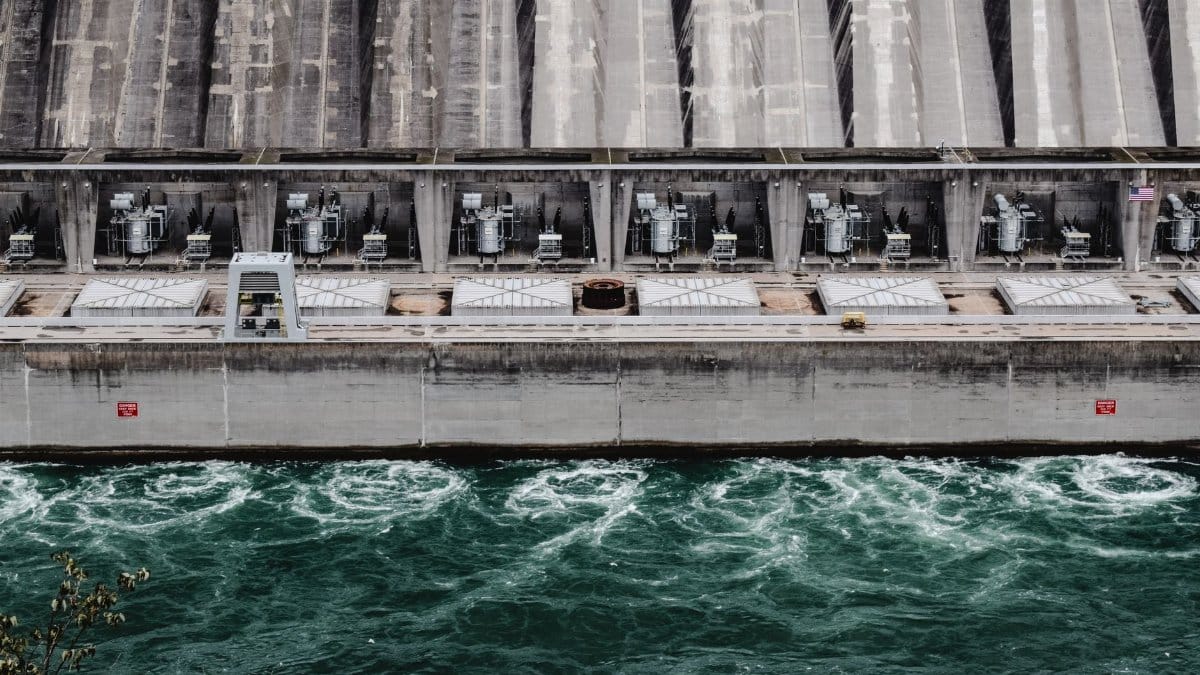
Sound is the complaint people feel in their bodies. Water and electricity are the complaints a region feels in its infrastructure. Cooling can draw large volumes of water, depending on the design. Power demand can crowd the grid and shape what other users pay. The Inquirer reporting placed noise beside water, which is the right pairing. A project this large is never only an acoustic problem.
Cumberland County is not a coastal tech corridor with spare substations on every block. Residents who already watch wells, rates, and summer peaks hear a data center as a permanent new neighbor with a permanent appetite. That does not make every facility a villain. It does mean the public questions are legitimate: who bears the night sound, who bears the draw on water, and who receives the jobs and taxes.
What chronic noise does to sleep and health

Health agencies have spent years on environmental noise, mostly from roads, rails, and aircraft. The World Health Organization has published guidance on noise levels linked to sleep disturbance and other harms: https://www.who.int/europe/publications/i/item/9789289053563. The mechanisms are not mysterious. Interrupted sleep raises stress hormones, dulls attention, and wears on mood. A hum that never crests and falls can be harder to ignore than a passing truck, because the brain never gets the cue that the event is over.
None of that proves a specific illness in a specific Vineland household. It does explain why people describe the issue in the language of health rather than mere annoyance. Rest is how a body repairs itself. When rest fails, patience fails with it. Public meetings grow sharper. Trust in assurances thins. A spiritual tradition, and a secular one, would call that a wound to the household, not a footnote to economic development.
The gap between a model and a bedroom

Developers often arrive with acoustic models. Models are useful. They are also abstractions. They assume a certain wind, a certain equipment mix, a certain future load. Artificial intelligence workloads can grow after a building opens. More servers can mean more heat and more fans. A site that modeled one night condition may operate another.
Neighbors do not live inside the model. They live in houses with particular windows, particular trees, and particular sensitivities. Some people barely notice a tone that keeps another person awake. Policy that treats the average ear as the only ear will keep producing this fight. Vineland data center noise is a case study in that gap: a prediction on paper, a hum in a hallway, and no shared instrument both sides fully trust.
What other towns have tried

Communities facing similar plants have pushed for night limits that are stricter than daytime limits, for enclosures around chillers, for taller barriers that actually address low tones, and for independent monitoring with data the public can see. Some have required setbacks measured in thousands of feet rather than a thin landscaped edge. Some have tied expansion to proof that existing noise stayed inside the promise.
None of those tools is magic. Barriers struggle with low frequencies. Enclosures cost money and can affect cooling efficiency. Monitoring can be gamed if the microphone sits in the wrong place. The useful lesson is procedural. Measure at the homes, at night, with the equipment running as it runs in summer. Publish the numbers. Give residents a path that does not require hiring their own consultant to be believed.
A civic test, not only a technical one

The hardest part may not be the fan curve. It may be whether local government treats the people nearest the fence as stakeholders or as an afterthought. A city can welcome investment and still insist that sleep is a condition of the permit. That is not hostility to technology. It is the ordinary work of zoning, which exists because one person’s land use becomes another person’s night.
Officials will hear from companies about jobs, from residents about the hum, and from engineers about what mitigation can honestly achieve. The honest answer is rarely that nothing can be done, and rarely that a fine alone restores quiet. It is a sequence: verify the sound, name the source, require a fix with a deadline, and check the bedrooms again.
What would count as relief

Relief would be specific. A drop in the tone at the houses that complain, confirmed by night readings, not by a press statement. A cooling design that does not trade one harm for another, such as shifting a problem from sound to water without saying so. A standing channel for complaints that produces a response in days, not in the next election cycle.
Until then, the story in Vineland is simple enough to tell and hard enough to live. A complex built for machines that never rest has moved in beside people who must. Vineland data center noise is the phrase that holds their grievance. Whether it becomes a solved engineering problem or a standing grievance depends on measurements, permits, and the willingness to treat a night of sleep as part of the public interest, not as a private inconvenience.