
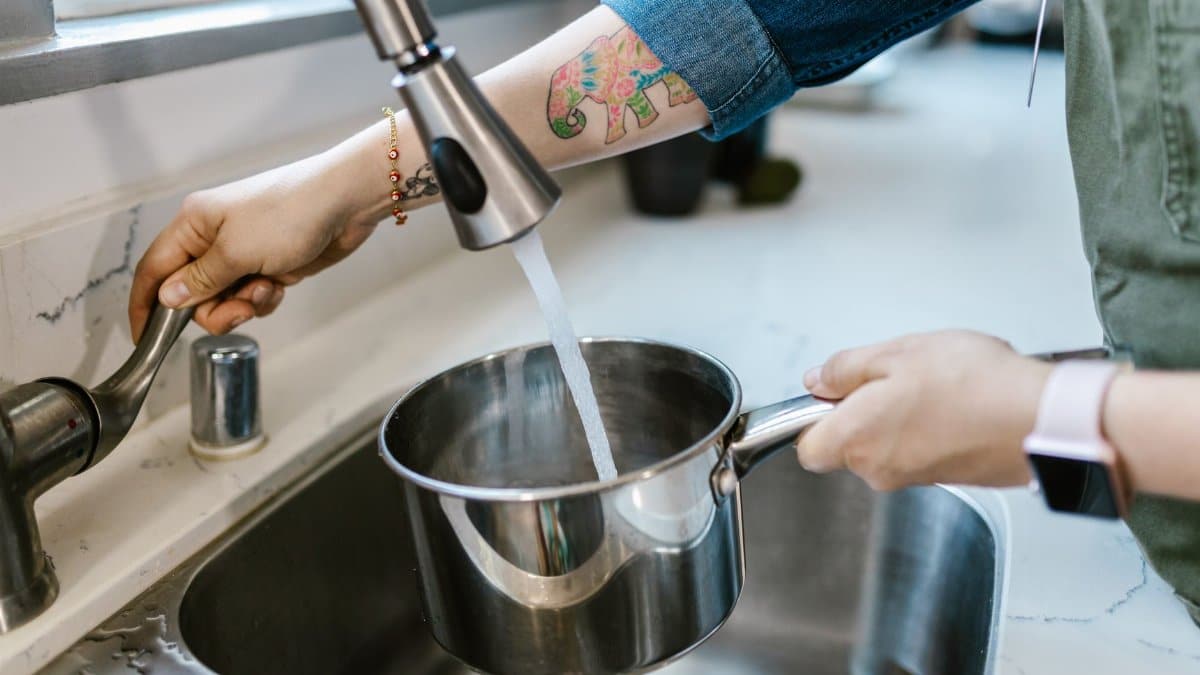
Before sunrise, the sound that usually means coffee in Willis was the clank of a pot on a stove. City officials had told about 7,500 residents to boil tap water after a water main break in northern Montgomery County cut pressure in the system and raised the possibility that contaminants had slipped into the lines. For households that take clear water as a given, the Willis boil water notice turned an invisible utility into a visible chore, one measured in minutes of rolling bubbles and in the uneasy pause before a child reaches for a cup.
A notice that changes the morning
A boil water notice is not a suggestion to be careful in a vague way. It is a formal warning that water coming from the tap may not be safe to drink until it has been heated enough to kill many of the germs that can ride in with a loss of pressure. In Willis, the trigger was mechanical. A break in a main reduced the force that normally keeps outside water, soil, and whatever else sits near a cracked pipe from being drawn inward. When that force drops, the system can no longer offer the same assurance it offers on an ordinary day.
Residents heard the practical version of that science. Do not drink the water straight. Do not use it for ice. Do not brush teeth with it unless it has been boiled. Use boiled water for cooking if the food will not be cooked long enough on its own to do the same job. The instructions sound simple until they collide with a household that has already filled pitchers, made coffee, and packed lunches.
Why falling pressure matters

Municipal water systems are built on a simple bargain. Treated water leaves a plant or a storage tank under pressure, travels through mains, and arrives at a faucet still carrying a disinfectant residual, often chlorine, that continues to suppress microbes along the way. Pressure is part of the protection. It pushes water outward. It keeps the surrounding ground from pushing back.
A break reverses that comfort. Crews must isolate the damaged section, which can leave nearby lines with little force or none at all. Air can enter. So can dirty water from saturated soil if a joint is loose or a crack is wide. Even after the pipe is repaired, the lines have to be flushed and the chemistry checked before anyone can say, with a straight face, that the water is back to normal. Until those steps are done, boiling is the household backup for a system that has briefly lost its usual defenses.
That is why a notice can cover thousands of people even when the broken pipe itself is on one street. Water does not stay in a neat box. Pressure zones, valves, and shared mains mean a local failure can touch a wide map. The figure of about 7,500 residents is large enough to include apartments, small businesses, churches, and houses on wells of worry rather than private wells of water.
Who feels the disruption first

Not every kitchen absorbs the same shock. A healthy adult who can stand at a stove for a few minutes will grumble and adapt. An older person living alone may not have the strength to lift a full pot, or the confidence to remember which container was boiled and which was not. Parents of infants face a sharper problem, because formula mixed with unsafe water is not a small risk. People with weakened immune systems have less room for a mistake.
Pets belong in the same conversation. Dogs and cats drink from bowls that sit out all day, and those bowls are easy to forget when the human routine is already scrambled. Fish tanks and medical devices that use tap water raise questions that a short city message cannot fully answer. In those cases, residents are wise to call a doctor, a veterinarian, or the utility rather than guess.
Schools and day care centers sit in a different category still. A building that serves hundreds of children cannot rely on one kettle in a break room. If a campus is inside the affected zone, administrators have to decide whether to bring in bottled water, change menus, or send students home. Those choices land on families within hours, which is why a utility notice is never only a utility story.
Kitchens, kettles, and the one minute rule
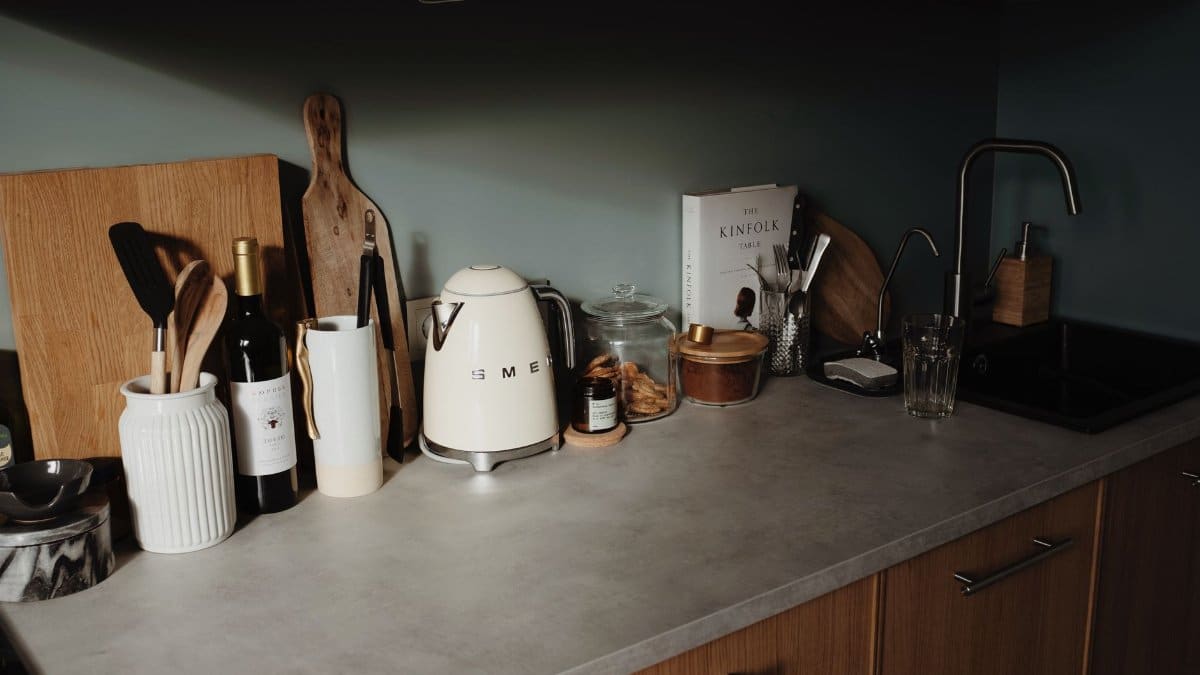
Public health agencies have long told people under a boil water advisory to bring water to a rolling boil and keep it there for one minute, then let it cool before use. A rolling boil means large bubbles that do not stop when the pot is stirred. The minute is not a suggestion borrowed from a cooking blog. It is a simple standard meant to give heat time to do its work against many bacteria, viruses, and parasites that chlorine might have handled on a normal day.
Cooling matters as much as boiling, especially in homes with children. Water that has just left a violent boil can scald as surely as it can sanitize. Pitchers should be covered. They should be labeled if more than one person uses the kitchen. Ice made before the notice, and ice made during it from unboiled water, should be dumped. Coffee makers, refrigerator dispensers, and the little tanks inside humidifiers do not boil water for you, no matter how hot the drink eventually tastes.
Washing hands with soap and tap water is still useful for ordinary dirt, though many health departments suggest an alcohol based sanitizer afterward while an advisory is in effect, particularly before preparing food. Dishes can often be washed in a dishwasher if it has a hot sanitize cycle, or by hand if the rinse water has been boiled and cooled. These are fussy details. They are also the details that decide whether the notice works.
Businesses that run on water

A cafe cannot pause the laws of food safety because the morning rush has already started. Ice machines, soda guns, soup kettles, and sanitizer sinks all assume that the water coming in is potable. When it may not be, owners either switch to bottled water and bagged ice or they close. Both options cost money. Both options disappoint customers who may not have heard why the doors are shut.
Medical and dental offices face a stricter version of the same problem. Equipment that rinses instruments or fills a cup at the chair is not a place for improvisation. Clinics inside the notice area typically follow guidance from state regulators and from their own infection control rules, which can mean delaying nonurgent visits until the advisory ends. That is inconvenient. It is also the point of the rule.
The Willis boil water notice, like others of its kind, therefore ripples past the homes on the official list. Delivery drivers, shift workers, and church volunteers who brew coffee for a weekday gathering all become part of the response, whether or not their names appear on a utility account.
What a lifted notice depends on
Repairing the pipe is the visible part of the job. The invisible part is proving that the water is safe again. Crews flush lines to push out air, sediment, and stagnant water. They restore pressure. They check that a disinfectant residual has returned to the levels operators expect. In many Texas systems, samples are collected and sent for laboratory tests that look for bacteria associated with contamination. A notice should stay in place until those results, and the judgment of the utility and state regulators, say it can come down.
Residents sometimes hear that the break is fixed and assume the water is fine. That assumption is how people get ahead of the all clear. Until the city says the advisory has ended, the pot should stay on the stove. After the advisory ends, plumbing that sat unused may still need a flush at the tap, and ice makers may need to be emptied and cleaned so the first batch is not a souvenir of the outage.
Communication is part of the repair. A clear map, a plain description of the affected streets, and a reliable way to learn that the Willis boil water notice has been lifted matter as much as a new section of pipe. Confusion extends the disruption even after the physics of the system has been restored.
Checking on the people who live alone

There is a civic habit that shows up whenever the tap becomes uncertain. Someone texts a neighbor. Someone carries a gallon jug up a flight of stairs. A congregation that already knows who misses Sunday also knows who might not manage a heavy kettle on a Tuesday. This is not a substitute for an official notice, and it should not turn into rumor. It is the ordinary work of a town that still has porches and phone trees.
Clean water sits so deep in daily life that its absence feels almost theological, a reminder that the body depends on gifts most people do not make themselves. You do not need a sermon to notice that. You need a moment when the glass in your hand is suddenly a decision. In Willis, that moment arrived because a main failed, not because anyone chose hardship. The response, if it is generous, looks like information shared accurately and help offered without spectacle.
Utilities can help that instinct along. Notices posted in more than one language, calls to apartment managers, and direct outreach to nursing homes and assisted living sites keep the most vulnerable from learning the news by accident. A boil order that reaches only the people who refresh a city website is only half a public service.
Pipes, growth, and the next break

Montgomery County has spent years absorbing new rooftops, new schools, and new demand on systems that were sized for smaller towns. Growth does not cause every break. Age, soil, installation errors, heavy vehicles, and simple bad luck all play a part. Still, a fast growing corridor asks more of pipes that spend their lives underground, out of sight, until the day they announce themselves as a flooded ditch and a citywide inconvenience.
Residents rarely see the budget line that replaces a main before it fails. They see the notice. That mismatch breeds frustration, some of it fair. People want to know whether this break was an isolated accident or a warning about a stretch of pipe that should have been scheduled for replacement. They want timelines that do not dissolve into jargon. They want to know who pays if a business loses a day of sales, even when the legal answer is often that a notice is a safety measure, not a promise of reimbursement.
Honest answers build more trust than soothing ones. A city can say what failed, where, when pressure dropped, how many connections were affected, and what test must pass before the advisory ends. It can also say what it does not yet know. Precision is a form of respect, especially when 7,500 people have been asked to change the way they drink, cook, and brush their teeth.
The questions that linger after the pots cool
When the advisory lifts, most households will return to the tap with relief and a slight new caution. Some will keep a jug of bottled water in the pantry for a while. That is reasonable. So is asking, at the next council meeting or in a note to the utility, how often mains in the northern part of the county are inspected, and how residents will be told if pressure falls again.
The Willis boil water notice will fade from group chats. The pipes will not. They will keep doing quiet work until the next weak joint, the next construction strike, the next night when pressure slips and a city has to choose between speed and clarity. The standard worth keeping is simple. Tell people early. Tell them plainly. Tell them when it is truly over. And until that last message arrives, let the water roll and boil for a full minute before it is asked to do the most ordinary thing in the world, which is to be safe to drink.