
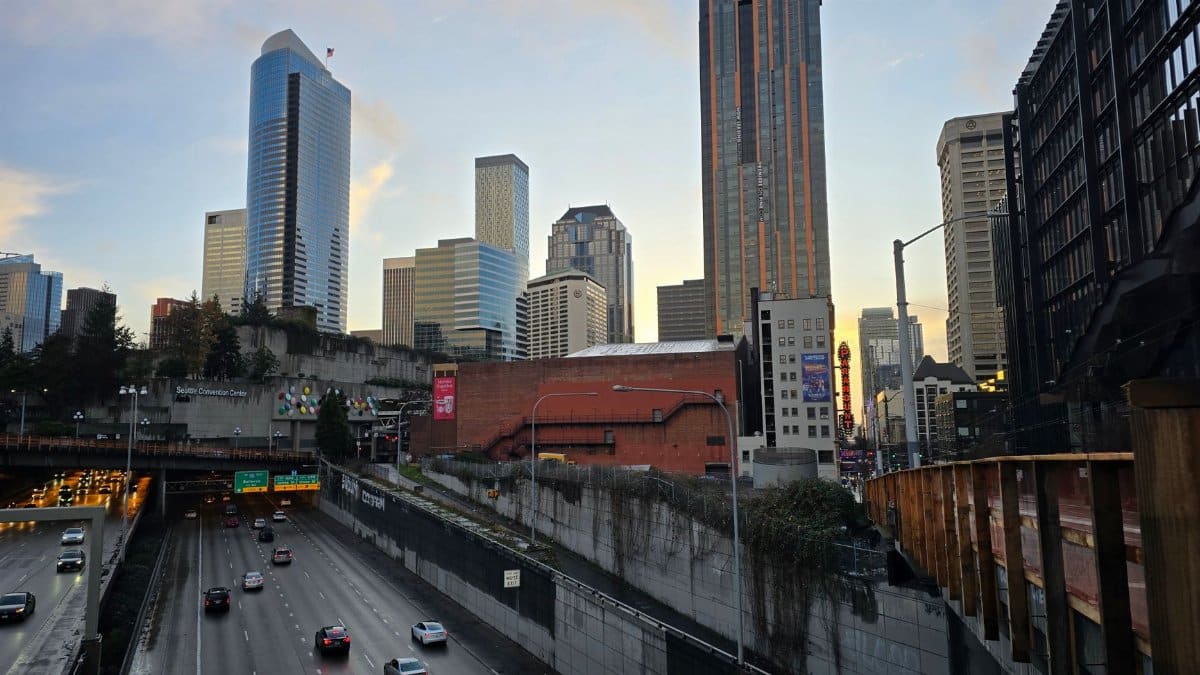
In the southern stretches of Seattle, daily commutes and neighborhood rhythms depend on a major roadway that has shaped growth for decades. Local leaders now face a pivotal choice about its future, weighing removal against preservation amid concerns over traffic flow, safety and community ties. Discussions around the Seattle Highway 99 South Park Removal Plan highlight tensions between modernization and stability for residents who rely on the corridor.
Origins of the Roadway System

The route emerged during midcentury expansion when planners prioritized vehicle movement over neighborhood cohesion. Construction divided parcels of land that once supported tighter knit residential zones. Over time the structure carried increasing volumes of freight and passenger traffic, becoming essential for regional logistics.
Current Conditions Along the Corridor
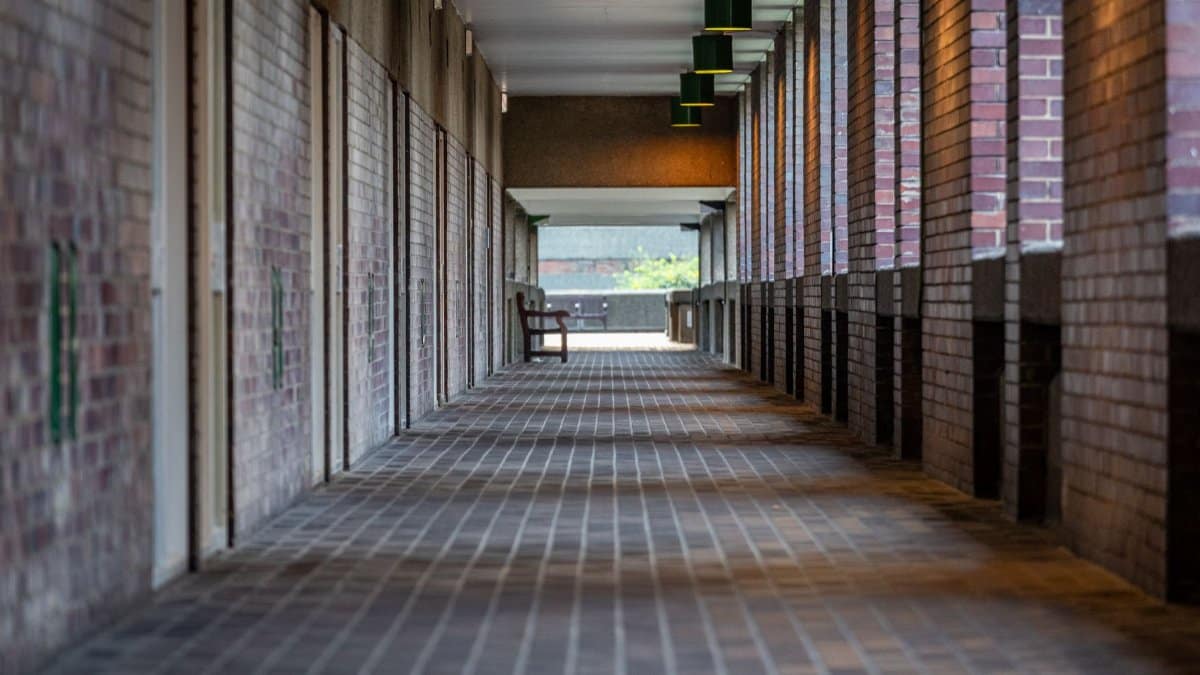
Sections experience regular congestion during peak hours, with pavement showing wear from heavy use. Adjacent sidewalks remain narrow in places, limiting safe passage for pedestrians. Air quality measurements in nearby blocks reflect contributions from idling vehicles and exhaust output.
Community Perspectives on Change

Residents express mixed views, with some welcoming potential removal to reduce noise and barriers while others fear longer travel times to work or services. Local businesses worry about customer access during any construction phase. Meetings have drawn steady attendance as people seek clarity on timelines and alternatives.
Traffic and Safety Analysis

Engineers have modeled scenarios that include rerouting options through surface streets or enhanced transit links. Data indicate crash rates higher than city averages at certain intersections. Adjustments could lower speeds and improve visibility for all users if removal proceeds.
Environmental Factors at Play

Green space creation stands as one possible outcome if portions of the elevated structure come down. Stormwater runoff patterns might shift with new ground level designs. Wildlife corridors could benefit from reduced pavement coverage over time.
Economic Implications for the Area
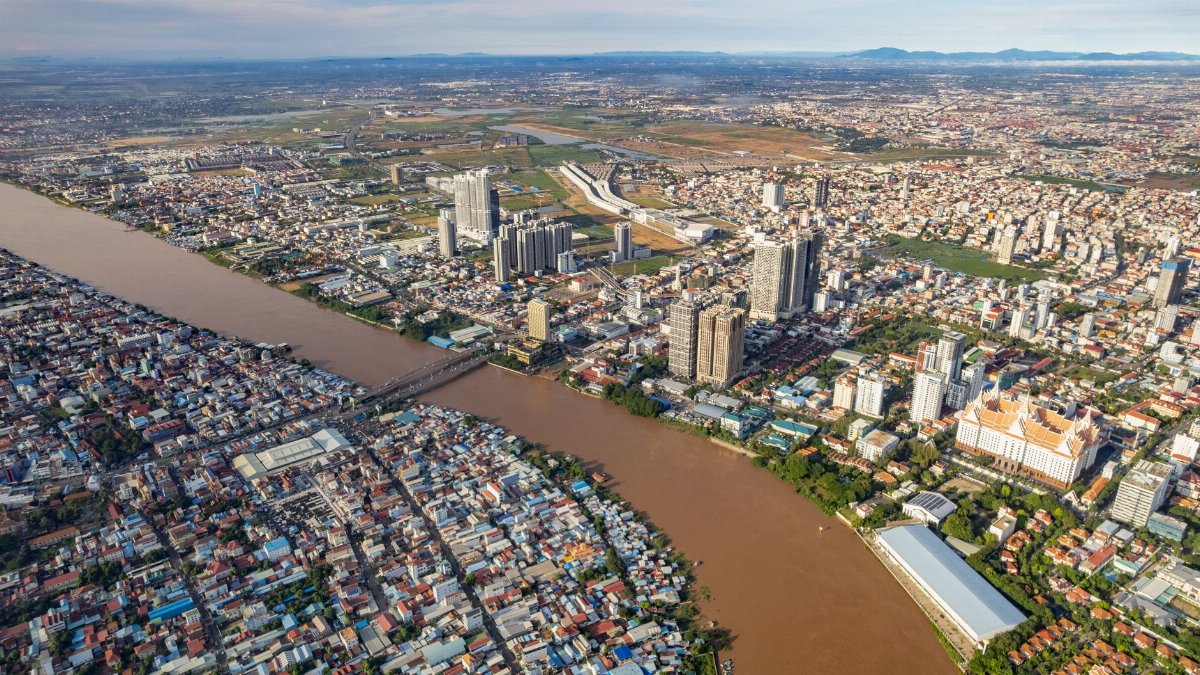
Property values near the route have fluctuated with uncertainty over the Seattle Highway 99 South Park Removal Plan. Construction jobs would arise during any major work, yet ongoing maintenance costs for the existing setup remain a budget consideration. Retail and industrial tenants track developments closely for operational planning.
Comparisons With Similar Projects

Other cities have removed urban highways and observed shifts in land use toward housing and parks. Results varied based on accompanying investments in public transit. Lessons from those efforts inform local deliberations without guaranteeing identical results.
Role of Public Transit Expansion
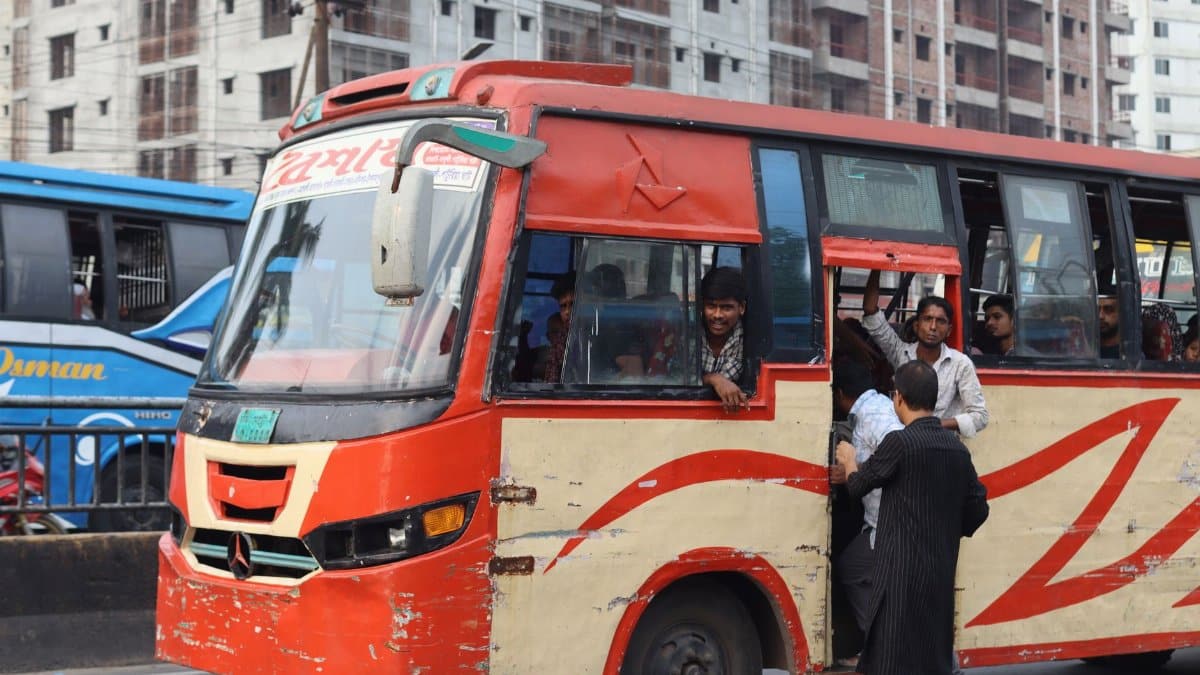
Bus rapid transit lines and bike networks form part of integrated proposals tied to the Seattle Highway 99 South Park Removal Plan. Improved frequency and reliability could offset reduced road capacity. Funding sources include federal grants and regional levies under discussion.
Potential Outcomes if No Action Occurs

Maintaining the status quo preserves familiar travel patterns yet leaves aging infrastructure vulnerable to future failures. Deferred repairs might lead to emergency closures later. Neighborhoods would continue adapting around the fixed barrier.
Next Steps in Decision Making

City staff continue gathering input through surveys and workshops ahead of formal recommendations. Elected officials will review cost estimates and impact studies before any vote. The process allows time for refinements based on emerging data.