
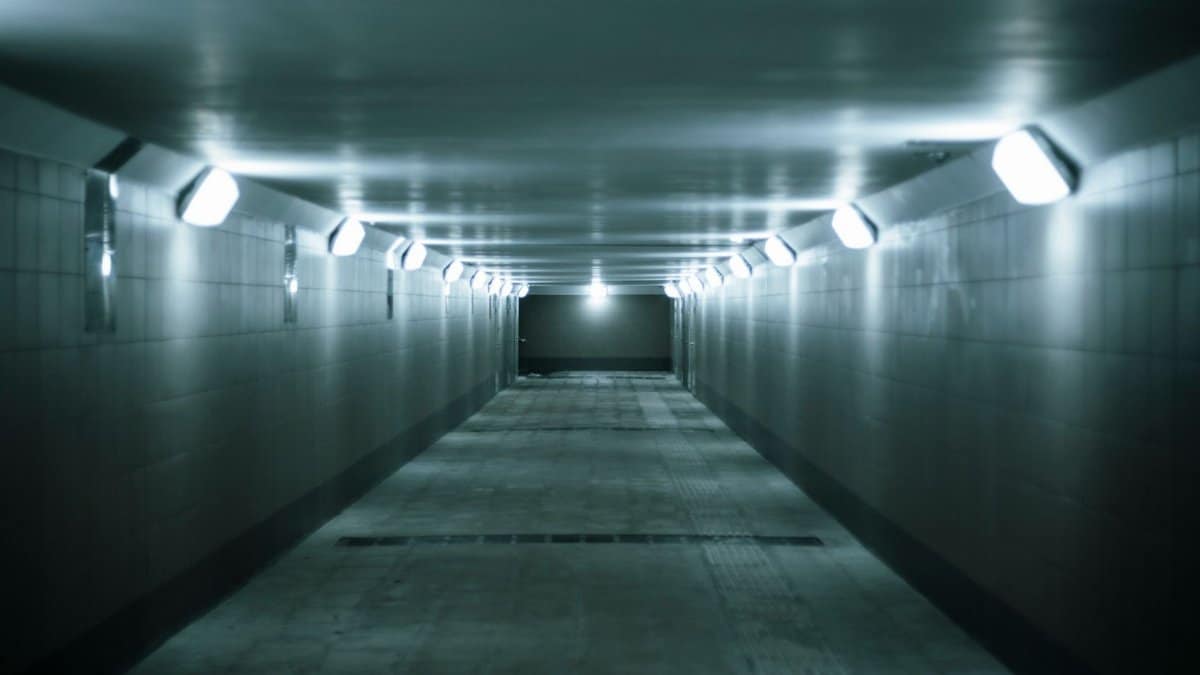
In the bustling core of a major Texas city an unassuming entrance leads to a hidden realm of fluorescent lit corridors stretching for miles beneath busy streets. Few visitors expect the strange quiet that settles in these passages once they descend from the surface noise above. The Dallas Downtown Tunnels Backrooms Liminal atmosphere has drawn online attention for its resemblance to unsettling digital imagery of vacant endless rooms. People wander through these spaces and sense a peculiar blend of familiarity and disquiet that lingers long after they return upstairs. Local workers sometimes use the paths for quick commutes yet even they admit the surroundings can feel oddly detached from everyday life. Recent online discussions have amplified curiosity about this network turning a practical urban feature into something more evocative for those who explore its length.
Historical Development of the Passage System
Construction began in the middle of the twentieth century as city planners sought ways to shield pedestrians from intense summer heat and heavy traffic. Over decades the network expanded to connect major office towers hotels and retail centers creating a self contained route that spans roughly three miles. Engineers designed the paths with practicality in mind incorporating basic lighting and air circulation to support daily movement. Today the system stands as a testament to midcentury urban ambition though its original purpose has shifted in public perception due to newer cultural trends.
Architectural Features That Shape the Experience
The tunnels feature uniform concrete walls and low ceilings that create a repetitive visual pattern along their route. Fluorescent panels cast a steady glow that rarely varies which contributes to the sense of timelessness reported by many walkers. Occasional side branches lead to storage areas or maintenance zones adding layers of complexity for those who venture off the main paths. Designers prioritized function over decoration resulting in an environment stripped of most ornamental elements.
Comparison to Online Horror Concepts

Internet communities have linked the tunnels to fictional ideas of liminal spaces where ordinary settings turn unsettling through emptiness and repetition. Videos posted online show individuals moving through the corridors with captions highlighting the absence of people or natural light. This connection has introduced the location to audiences far beyond Texas who now view the passages through a lens of digital unease rather than simple utility. Such portrayals emphasize the contrast between the tunnels intended purpose and their current atmospheric reputation.
Daily Use by Local Residents and Employees

Many downtown workers rely on the tunnels during lunch hours or bad weather to move between buildings without surfacing. Retail staff and office personnel describe the routes as convenient shortcuts that save time and provide shelter from external conditions. Despite the growing online fame regular users tend to focus on efficiency rather than any eerie qualities. Some longtime commuters note subtle changes in sound and temperature that mark different sections of the network.
Urban Planning Lessons From the Project
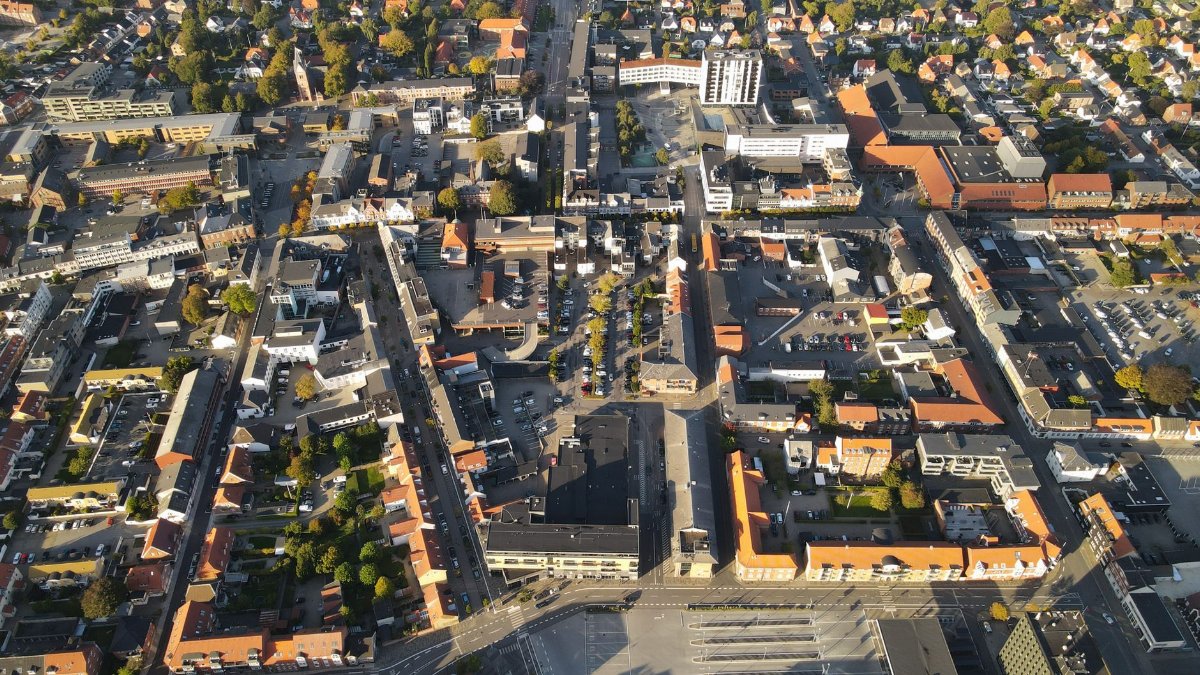
City officials continue to evaluate how the tunnels fit into broader downtown revitalization efforts that aim to increase foot traffic and support local businesses. The enclosed system offers one model for separating pedestrian flow from vehicle routes though it also raises questions about accessibility and maintenance costs. Planners study similar projects in other cities to determine whether expansions or modifications could enhance public engagement. Discussions often center on balancing historical infrastructure with contemporary needs for vibrant street level activity.
Visitor Reactions and Emerging Interest

Tourists and curiosity seekers have begun seeking out access points after encountering online content about the location. Guided walks occasionally introduce newcomers to the layout while allowing time for personal exploration within designated areas. Reactions range from mild amusement at the plain design to genuine discomfort triggered by the prolonged silence. Local tourism boards have started tracking these visits to understand their potential economic impact on nearby surface businesses.
Future Considerations for Preservation and Access
Maintenance crews work regularly to address lighting issues and structural wear that accumulate over time in the underground environment. Officials weigh options for improved signage or limited public events that could highlight the tunnels historical role without encouraging unsafe wandering. Community input shapes these decisions as residents express both appreciation for the practical benefits and concerns about over commercialization of the space. Ongoing evaluations aim to sustain the network as a functional asset while respecting its evolving cultural status.