

In the vast stretches of public land across northwest Arizona federal managers have opened new reviews for energy leases that could reshape rural economies and desert ecosystems alike. This development ties directly into Arizona Oil Gas Drilling Trump Policy Northwest which signals a renewed push from Washington to tap domestic resources on federal holdings. Residents in places like Kingman and Lake Havasu City now face choices between fresh revenue streams and longstanding worries over scarce water supplies plus fragile habitats that support rare species. Observers note the move reflects broader national debates about balancing growth with conservation on lands managed by the Bureau of Land Management. Early maps outline thousands of acres under consideration yet final decisions remain months away amid public comment periods and possible legal challenges from advocacy groups.
Federal Land Reviews Spark Regional Interest
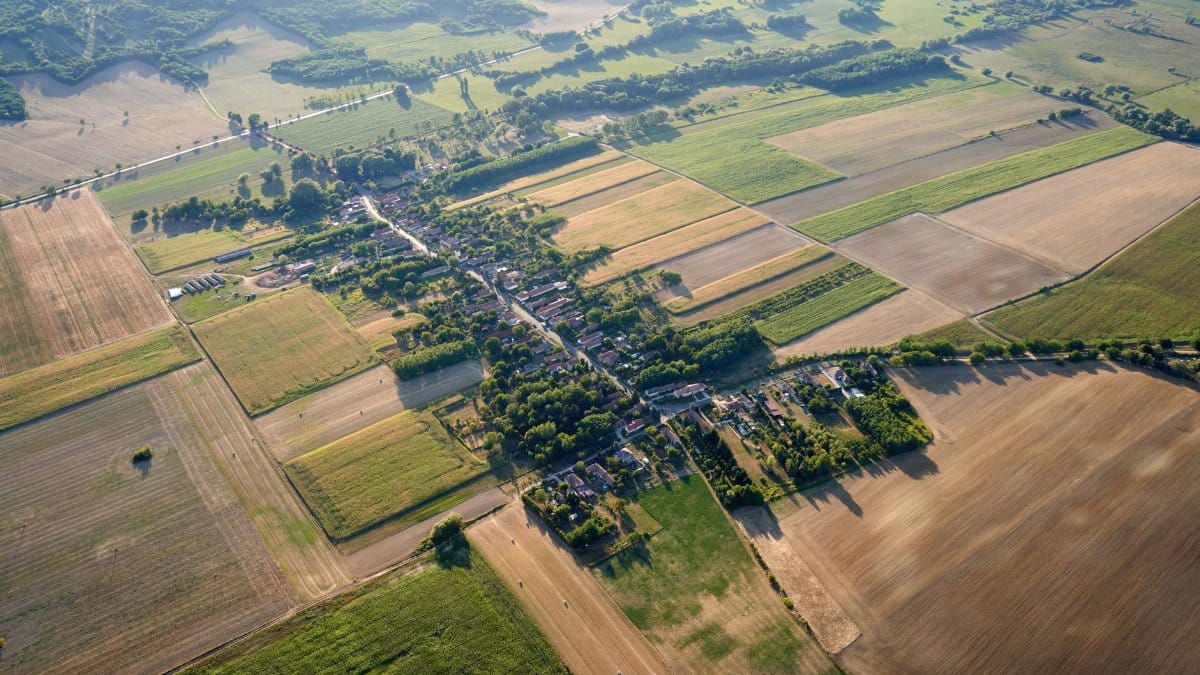
The Bureau of Land Management recently identified roughly 78000 acres in northwest Arizona as suitable for further study on oil and gas potential. Officials describe the step as routine resource evaluation rather than immediate approval for extraction. Maps released with the announcement show parcels scattered across Mohave County where geology suggests possible reserves beneath the surface. Local business leaders have welcomed the notice as a sign of renewed attention to an area often overlooked in national energy discussions. At the same time tribal representatives have requested more details on how cultural sites might be protected during any future surveys.
Economic Hopes Rise Among Rural Towns
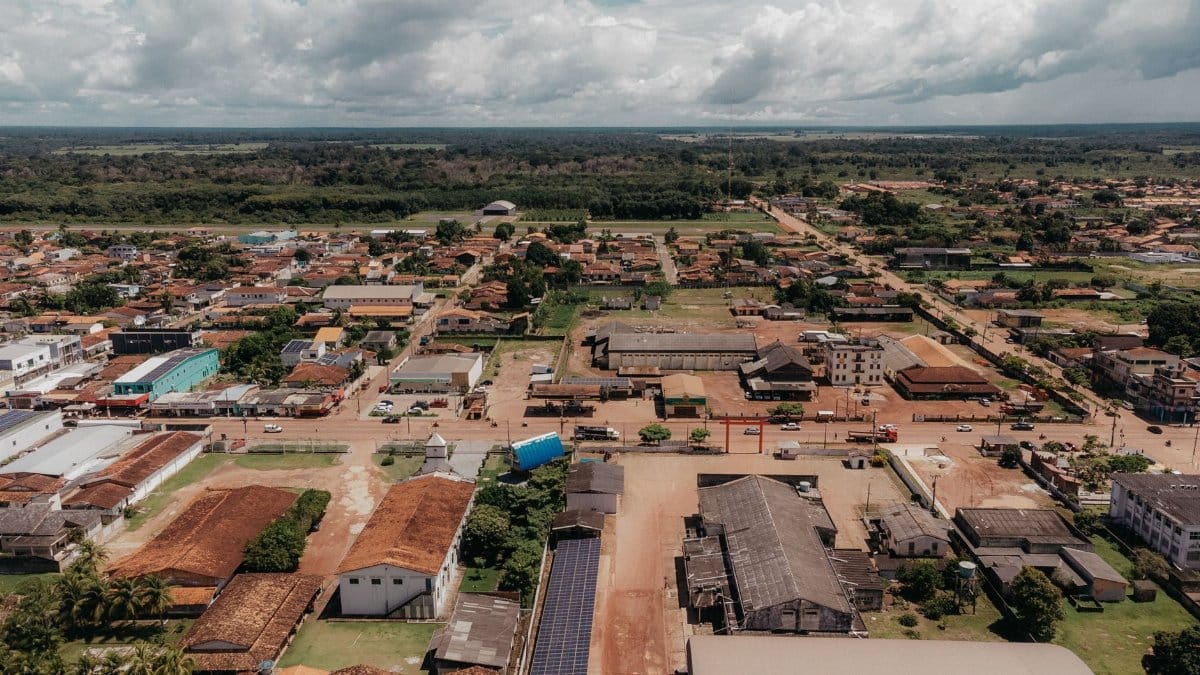
Proponents argue that expanded leasing could generate royalties and create construction positions in counties where unemployment often exceeds state averages. County budgets in this part of Arizona rely heavily on payments tied to federal land use so new activity might fund schools and road maintenance. Small contractors already equipped for pipeline work see opportunities to bid on support contracts without traveling to distant basins. Still the scale of any actual production remains uncertain until drilling results become public.
Water Concerns Dominate Local Conversations
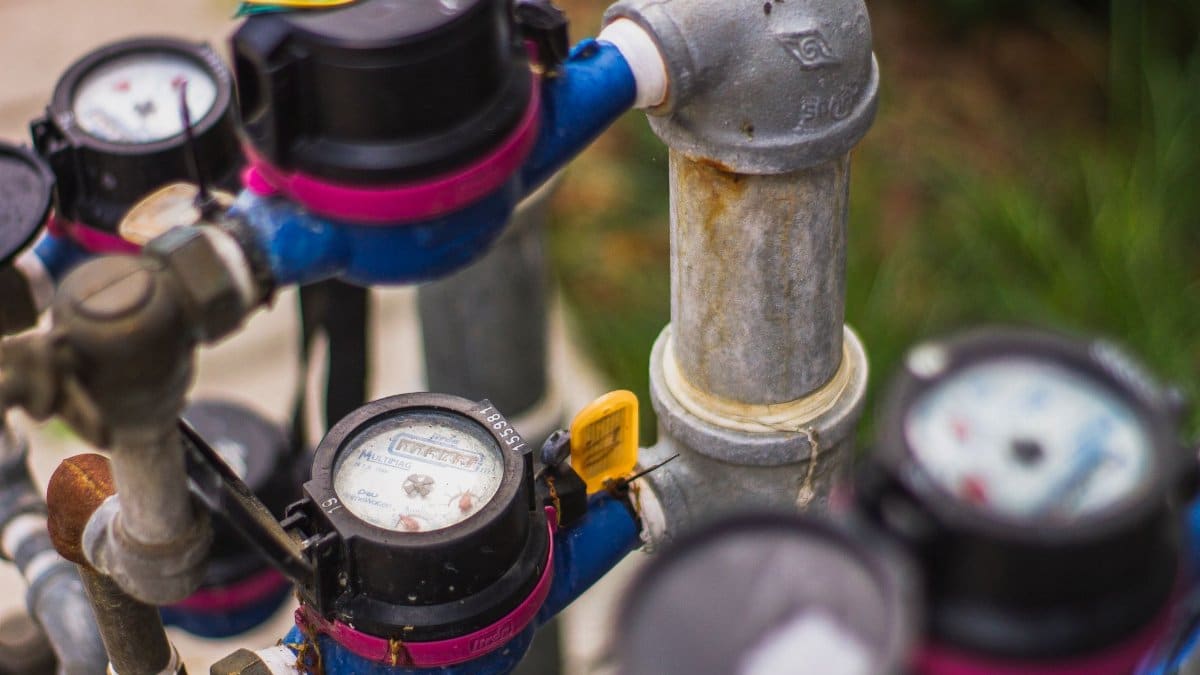
Desert aquifers already strained by agriculture and population growth form a central point of discussion whenever new industrial uses arise. Environmental assessments will examine how much water drilling operations might draw and whether reinjection methods could affect neighboring wells. Hydrologists employed by state agencies have begun compiling baseline data to compare against future monitoring reports. Residents who rely on private wells express particular unease about long term drawdown risks that could emerge years after initial activity begins.
Wildlife Habitat Protections Under Scrutiny

The region hosts populations of desert tortoise and bighorn sheep whose ranges overlap with some of the parcels now under review. Biologists stress that seasonal timing restrictions and buffer zones have proven effective in other western states when properly enforced. Any lease stipulations will likely incorporate those lessons yet enforcement capacity at the local field office level depends on congressional funding decisions. Conservation organizations plan to submit detailed maps during the comment window to highlight especially sensitive corridors.
Policy Shifts Reflect National Energy Priorities
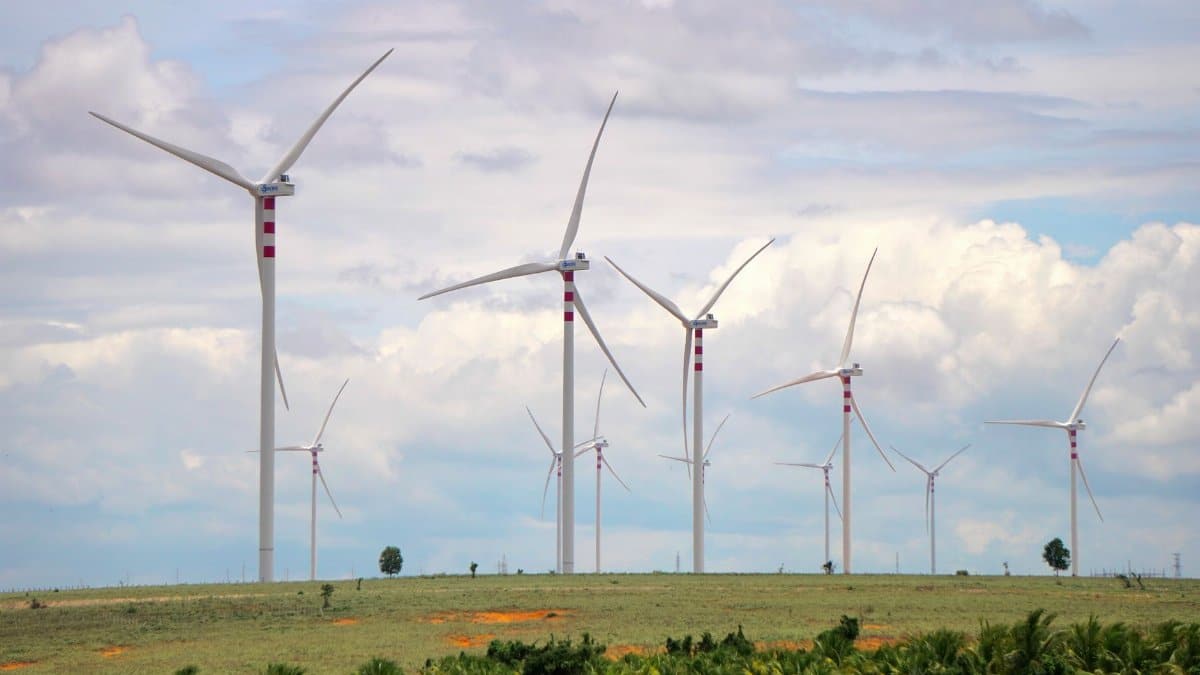
Recent administrative guidance has directed agencies to accelerate reviews of energy projects on federal property as part of a larger domestic production strategy. Staff at the Department of the Interior have issued memos emphasizing timely processing of applications while still meeting environmental statutes. This approach differs from previous pauses on new leasing that aimed to reassess climate impacts. Industry analysts expect the northwest Arizona parcels to serve as an early test case for how quickly nominations move from study to sale.
Community Meetings Draw Strong Turnout
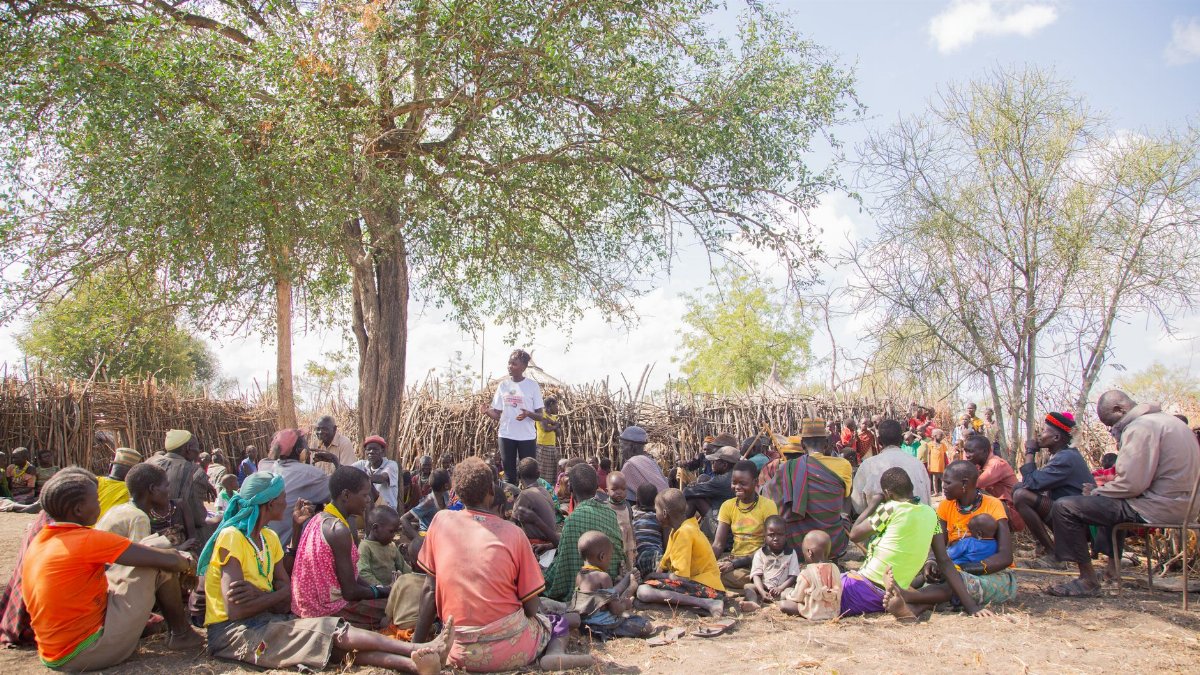
Public sessions held in Kingman attracted hundreds of participants representing ranchers miners recreation advocates and energy workers. Speakers alternated between calls for job creation and demands for ironclad safeguards on air quality and viewsheds. County supervisors collected written statements to forward to federal decision makers before deadlines close. Similar gatherings are scheduled in smaller communities to ensure broader geographic input reaches planners.
Comparisons With Neighboring States Offer Context
Utah and New Mexico have seen mixed results from recent lease sales with some parcels drawing competitive bids while others received none. Production volumes in those states depend on pipeline capacity and proximity to refineries factors that also apply to Arizona. State regulators in Arizona continue to study how tax structures might compare with those neighbors to attract operators. Lessons from permitting timelines elsewhere could help streamline processes if projects advance.
Regulatory Timeline Extends Into Next Year

The current environmental review process includes a scoping phase followed by draft analysis and final decisions potentially stretching into 2027. Appeals through administrative channels or federal courts could add further months or years. Companies interested in bidding must monitor notices in the Federal Register for exact sale dates once reviews conclude. Patience remains a key requirement for all parties involved in the northwest Arizona parcels.
Long Term Outlook Depends on Market Forces

Even if leases are issued actual drilling will hinge on global oil prices and technological advances that improve recovery rates in tight formations. Some parcels may stay idle for decades if economics do not align. Others closer to existing infrastructure could see quicker development. Observers caution against assuming rapid transformation of the regional economy based solely on the announcement of new study areas.