
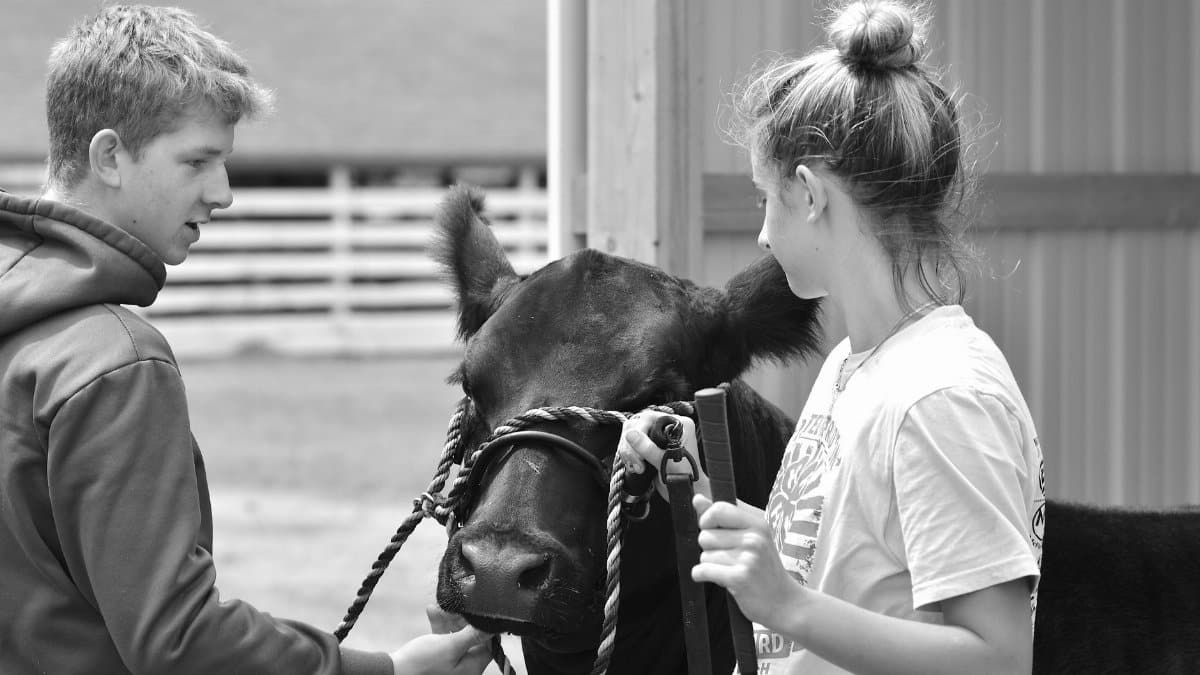
On a warm September evening in Millersville, a steer named Carl became the unlikely center of a county argument about kindness, commerce, and what a fair is supposed to teach. Neighbors who had watched him fill out in a youth livestock project began passing a donation link, hoping pooled money might reach the sale ring before the gavel did. The phrase Save Carl Anne Arundel started as a plea among people who already knew the animal and quickly became a public test of how far sympathy travels once a farm animal has a name, a photograph, and a deadline.
A name changes the arithmetic
Carl is not a symbol invented for a slogan. He is a particular steer, raised for the Anne Arundel County Fair in Millersville, the sort of project animal that spends months under a young exhibitor’s care and then meets the public in a barn aisle smelling of shavings and sweet feed. Naming him did what naming always does. It pulled him out of the category of livestock and into the category of someone a stranger might worry about. That shift is emotional, and it is also practical. People do not organize around an anonymous market animal with the same speed they organize around Carl.
The campaign trying to buy him out of the auction is simple in outline and complicated in consequence. Supporters want enough money to bid, win, and then keep him from the usual path that follows a champion or popular steer off the fairgrounds. In county fair culture that path is not a secret. Youth exhibitors raise animals, show them, and sell them. Buyers, often local businesses and civic groups, pay prices that can far exceed commercial beef value because they are also paying for the project, the ribbon, and the community ritual. Carl’s admirers are asking that ritual to pause for one animal.
What the county fair has always been selling
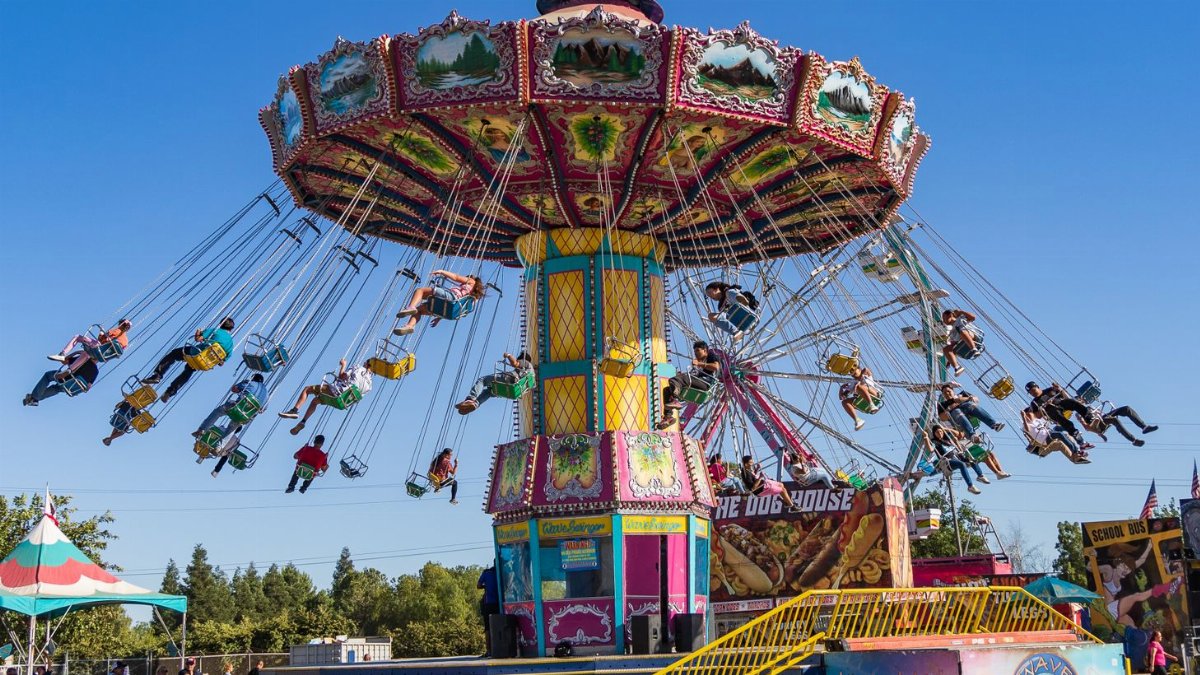
A fair auction is easy to misunderstand if you only see the sentimental photograph. The sale is not merely a transaction in pounds of beef. It is a scholarship of sorts, paid in public. A teenager learns feeding schedules, health checks, showmanship, and the harder lesson that an animal raised for market is raised toward a sale. Buyers who overpay are often congratulating that work. They may donate the meat, arrange processing, or simply write a check large enough to make the summer feel worth it.
Anne Arundel’s fair, like fairs across Maryland and far beyond it, sits at the junction of agriculture and suburb. Millersville is close enough to offices, marinas, and shopping centers that many fairgoers have never weighed a steer or mucked a pen. They encounter farm life as a weekend, not a vocation. That distance makes Carl legible as a character and the auction harder to read as a tradition. Both views can be honest at once. The fair is a celebration of animal husbandry and a marketplace. Removing either half leaves a thinner story.
How Save Carl Anne Arundel gathered speed
Online fundraising favors a face, a countdown, and a moral that fits in a caption. Carl had all three. A GoFundMe, circulated among fair regulars and then beyond them, framed the purchase as rescue rather than as another bid in a sale already designed to reward the exhibitor. Shares did the rest. People who will never stand in the Millersville barn could still feel they had met him. The campaign name itself, Save Carl Anne Arundel, worked like a local headline: who, what, and where, compressed into a sentence fragment people could repeat.
Speed matters because auctions do not wait for consensus. A steer does not remain in promotional limbo. There is a sale order, a ring, and a buyer of record. Organizers of such efforts often discover that goodwill is plentiful and logistics are not. Who holds the money. Who is authorized to bid. What happens if the price runs past the goal because other bidders, moved by the same photos, refuse to let a viral steer go cheap. A campaign can raise the floor under an animal as easily as it raises him out of danger. That is not a reason to sneer at donors. It is a reason to ask, before the gavel, what success actually looks like.
Why strangers give
I have stood in enough barn aisles to know the particular quiet of a show steer at night, the way he shifts his weight and watches the aisle for the person who brings the bucket. It is not hard to understand the impulse to intervene. People give because the alternative feels abrupt. They give because a child’s project animal can look, in photographs, like a pet who wandered into the wrong ending. They give because local news still has the power to make a county feel small enough that one steer is everyone’s business.
There is also a spiritual hunger in these campaigns that the category of animal story rarely names. In a fragmented county, a shared mercy project offers congregation without a sanctuary. Donating becomes a small profession of faith that gentleness still counts, that a creature in our care is not only a unit of production. You do not need a creed to feel that. You do need a story, and Carl supplied one. The risk is that the profession of faith stops at the payment screen, satisfied by the feeling of having saved something, while the exhibitor, the animal’s future feed bill, and the fair’s educational purpose remain unfinished questions.
The young person behind the project

Any honest account has to keep the exhibitor in the frame. Youth livestock projects are not cruel jokes played on children. They are structured apprenticeships. The student owes the animal daily labor. The animal, in the design of the project, owes the student a lesson in responsibility that includes letting go. When a community rushes in to buy and spare the steer, it may honor the animal and accidentally hollow out the lesson, or it may honor both by paying a strong price and then choosing a different future for Carl. Those are not the same act.
Families who take on a market steer accept early mornings, vet bills, and the knowledge that fair week is a culmination, not an interruption. If donors treat the sale as a mistake the internet must correct, they can shame the very work they think they are celebrating. A better reading, and the one many rescue buyers eventually adopt, is that the youth still deserves the auction’s reward. The animal’s next chapter is a separate decision, made by whoever holds the buyer number when the bidding ends. Save Carl Anne Arundel, at its most coherent, is a bid to become that buyer, not a bid to cancel the fair.
Ownership is the part the caption skips
Buying a steer is the inexpensive part of keeping a steer. Carl will need pasture or a pen, hay through winter, veterinary care, and a person legally and practically able to take him. A viral campaign can outrun the boarding plan. Sanctuaries and private farms are not infinite, and a full grown beef animal is not a backyard surprise. Supporters who speak of saving him owe the county a plain account of custody: where he will live, who pays, and what happens if the first arrangement fails.
There is also the question of consent inside the sale. The exhibitor and family decide whether a private buyout before the auction, a designated buyer in the ring, or a standard sale best fits their project rules. Fair boards set those rules for reasons that include fairness to every other youth who hauled an animal to Millersville and did not become a cause. One beloved steer should not quietly rewrite policy for an entire barn. If the campaign seeks an exception, it should say so in daylight, not assume that popularity is a permit.
Compassion without a cartoon of farm life
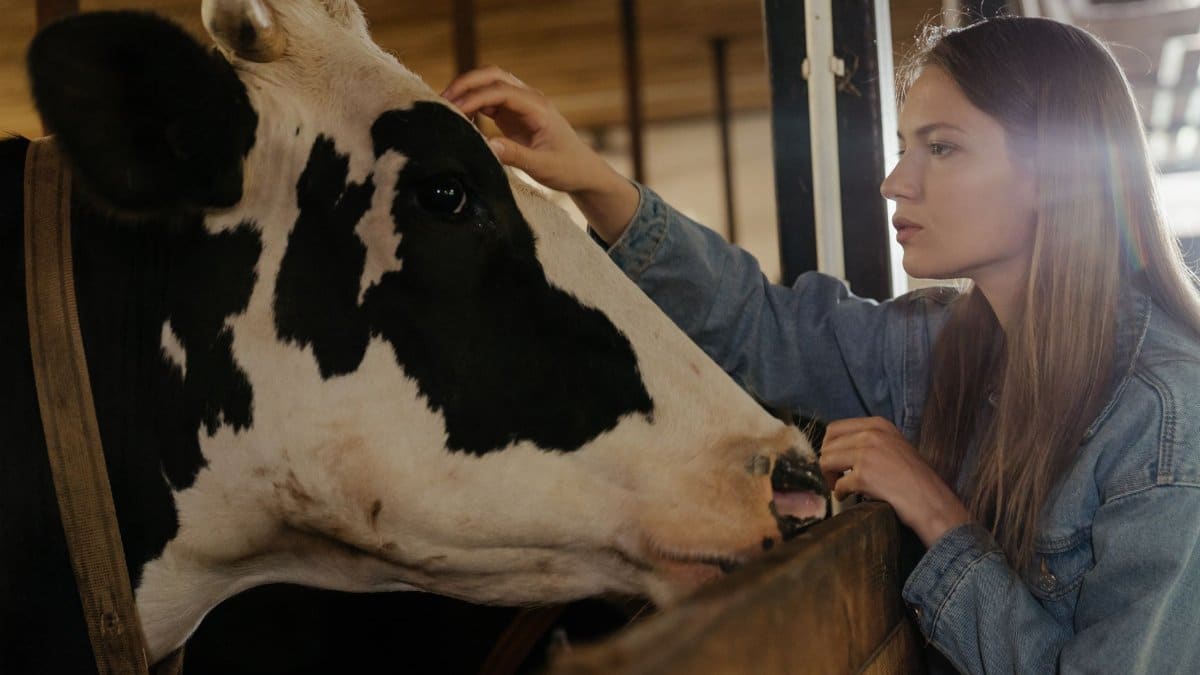
It is possible to want Carl spared and still refuse a cartoon in which every auction is villainy and every buyer is indifferent. Commercial cattle rarely receive names, daily grooming, or a crowd. Show steers live a more attended life and then meet a more public ending. Some people, after looking that sequence in the face, change how they eat or how they spend. Others conclude that an honest sale, a quick end, and meat shared locally is a more responsible finish than years of uncertain keep. Both conclusions deserve adult language.
What does not help is pretending the fair is a petting zoo that lost its script. The agricultural education on those grounds includes birth, weight gain, illness, and market day. Visitors from the rest of Anne Arundel County are not being tricked when they see a for sale sign implied by the whole tradition. They are being invited into a food system that usually hides its animals. Carl’s fame pulls that system into view. The discomfort is information.
Faith, stewardship, and a county pastime
Religious communities in this region have long supplied fair buyers, pie judges, and volunteer hours, even when the fair itself is a secular institution. Stewardship language fits the moment without requiring anyone to share a pew. If animals are a trust, then trust includes the unglamorous costs after the photograph fades. If the fair is a civic liturgy, then interrupting one rite for a single creature should be done with respect for the people who keep the rite going every year, including the children whose steers will not trend.
I do not think mercy is a mistake. I think mercy gets sturdier when it can survive contact with a feed bill and a rulebook. A campaign that can say where Carl will stand next winter, and that can look the exhibitor in the eye while saying it, has more moral weight than a pile of shares. The internet is good at witness. Farms are good at Tuesdays. Carl will need the second more than the first.
The auction as a public argument

When the ring opens, the county will be arguing with its wallet. Some bidders will want the traditional honor of supporting a youth project and taking the animal to processing. Others will be there because a link told them a steer named Carl should not be sold in the usual way. The auctioneer will not pause to reconcile those philosophies. He will ask for the next number. That bluntness is part of why fairs still matter. They force a price onto sentiments that online debate can keep beautifully unresolved.
Local officials and fair organizers are not the villains of a rescue plot, nor are they obliged to become the campaign’s logistics team. Their job is a safe fair, clear rules, and equal treatment of exhibitors who did the same early mornings without a fundraising page. Donors can respect that and still show up. The argument belongs in the seats and in the comments, not in a scramble that surprises a teenager at the rail.
What would count as a decent ending

A decent ending is not only Carl alive in a pasture, though that is the ending many donors want. It is also an exhibitor paid fairly for months of work, a plan for the animal that does not collapse in November, and a public that learned something more precise than outrage. If the campaign wins the bid and keeps him, the story should follow him past the victory post, because stewardship is a sequel. If it falls short and a traditional buyer takes him, the people who gave still participated in a real civic custom: they tried to put their money where their pity was, inside the rules rather than against the child who followed them.
Millersville has hosted this ceremony for generations, and most years the steers pass through without a countywide name. Carl’s year is different because enough people decided that one animal’s particular face obliged them. That decision is tender, local, and unfinished. Save Carl Anne Arundel will be remembered less for the cleverness of the phrase than for whether anyone stayed when the fair lights went down and the ordinary work of keeping a promise began.