
On a night when Seattle needed the table to stay kind, the Reign Angel City result arrived with the blunt clarity of a road loss. Angel City scored early and never let the visitors rebuild the calm that had carried a four match unbeaten run. The final score, three to one, did not require a diagram. It ended a stretch in which Seattle had looked orderly, stubborn, and close to the version of itself that a playoff push demands. For a league that still asks casual readers to learn its map, the evening was simple enough. One club took the first blow and kept it. The other spent the rest of the night chasing a game that had already tilted.
What the score settled and what it did not

A single match rarely rewrites a season, and it would be a mistake to treat this one as a verdict on Seattle Reign as a club. What it did settle was a narrower question. Could the unbeaten run survive a difficult road assignment against a side willing to strike first and defend the lead with patience? The answer was no. Angel City ended the run. Seattle left with a loss and with the familiar arithmetic of a playoff race: points that might have been banked are now points that must be found somewhere else.
That distinction matters for readers who follow the National Women’s Soccer League only in stretches. An unbeaten run is a mood as much as a statistic. It suggests a team that has stopped giving games away. Ending it does not erase the matches that came before. It does remind everyone that order is rented, not owned, and that rent comes due on the road.
Why the first goal carried so much weight

The early goal is the fact that gives the night its shape. In a league where matches are often decided by small margins, the first score changes posture. The team that scores can sit a little deeper, choose its moments, and force the opponent to take risks it would rather delay. The team that concedes has to compress its plan. Buildup that was meant to be patient becomes urgent. Wide players are asked to arrive sooner. Midfielders are asked to skip a pass they would normally respect.
Seattle had been living inside a run that rewarded control. Control is a luxury that shrinks after you fall behind away from home. Angel City did not need to be spectacular for the rest of the evening if the first goal held and if two more arrived while Seattle chased. Three to one says the chase never fully worked. It also says Angel City was good enough to add to the lead rather than merely protect it.
A streak as a kind of shared belief

Sports pages do not usually sit beside spiritual trends, yet streaks occupy a neighboring room. Fans treat an unbeaten run as proof that something larger than tactics is holding. Players talk about trust. Coaches talk about standards. The language is secular, but the feeling is close to faith: if we keep doing the right things, the result will keep arriving. When the run breaks, the belief does not vanish. It gets tested.
I have sat in enough stadiums to know that the quiet after an early away goal is not only tactical. It is the sound of a crowd revising its story in real time. Home supporters hear confirmation. Traveling supporters hear a dare. Seattle’s four match run had given its public a story of steadiness. Angel City replaced that story with a simpler one: we scored first, and we were the better side on the night.
The road and the tax it collects

Road games in this league are not romantic in the way old cup ties sometimes were. Travel is long. Recovery is short. The schedule does not pause because a club is pushing for a postseason place. A team can look composed at home, where the patterns are familiar and the crowd supplies a kind of extra midfielder, and look a step late in another city.
None of that excuses a three to one loss. It does explain why coaches obsess over the first twenty minutes away from home. Survive that window and the game can become ordinary. Concede inside it and the evening becomes a rescue job. Seattle was asked to perform a rescue. Angel City was asked to keep the door shut and to punish any looseness. The scoreboard suggests both tasks were completed.
What a playoff push actually asks
A playoff push is less glamorous than the phrase suggests. It is a sequence of must not lose nights that occasionally become must win nights, depending on the clubs around you. Seattle entered this match with the cushion of an unbeaten stretch. Cushion is not the same as safety. In a tight table, one road loss can turn a comfortable week into a week of checking other scores.
The useful question is not whether the loss is fatal. Most losses are not. The useful question is whether the habits that built the run are still intact. If the early goal exposed a slow start, that is correctable. If it exposed a deeper trouble with breaking down a side that defends a lead, that is a longer conversation. From the outside, we can see the result. We cannot see the film. Honest writing stops where the evidence stops.
How Angel City turned an opening into a win

Angel City’s achievement should not be filed only as Seattle’s disappointment. Ending another club’s run requires more than luck, even when luck helps. Scoring early creates the chance. Converting that chance into a three to one win requires concentration over a full match, especially once the opponent throws numbers forward. Many leads shrink because the team in front starts playing the score instead of the game. This lead did not shrink enough to matter.
For Angel City, nights like this are how a season gains weight. A win against a side in a playoff push is a credential. It tells a locker room that it can impose itself rather than merely survive. It also gives supporters a result they can point to when the table looks crowded and every week feels like a referendum.
Reading the Reign Angel City result without myth

There is a temptation, after a streak ends, to invent a moral. The Reign Angel City result does not need one. Seattle was unbeaten for four matches. Then it lost on the road, three to one, after falling behind early. Angel City was the side that took the points. That is the record. Anything beyond it is interpretation, and interpretation should wear its limits in public.
Still, a few readings are fair. First, unbeaten runs end, and the end is not a scandal. Second, early goals on the road are among the most expensive events in a tight season. Third, a playoff push is a pile of ordinary nights, and this was one of the expensive ones. Fourth, Angel City earned the right to be discussed as the author of the evening, not as a plot device in Seattle’s story.
The season that remains in front of Seattle

Seattle’s task now is unsentimental. The club has to treat the loss as information and get back to the habits that made the run possible. That means cleaner starts, clearer choices in the first phase of buildup, and a refusal to let one night become a mood. Playoff races punish brooding. They reward the next competent performance.
Supporters will replay the early goal because that is what supporters do. Coaches will replay the ten minutes around it, which is the more useful tape. If those minutes show a fixable lapse, the run can be rebuilt under another name. If they show a problem that repeats, the table will notice before any column does. The Reign Angel City result is a marker, not a destiny.
Fans who keep more than one kind of score
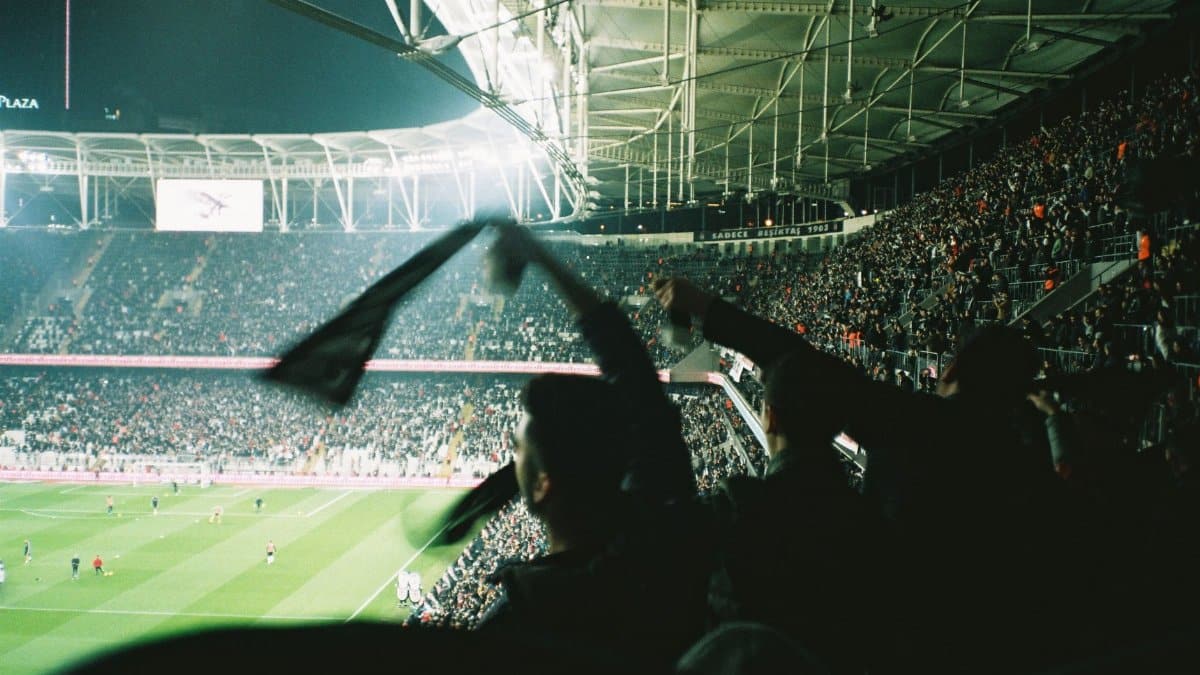
For many readers in middle age, league soccer has become a weekly ritual that sits beside work, family, and the quieter hopes of a long season. The ritual includes checking a result on a phone in a kitchen, explaining a table to someone who does not follow the league, and deciding whether a loss is a stumble or a warning. That private scorekeeping is part of why a streak feels spiritual even when no one uses the word.
Angel City’s supporters have their own ritual. A home win that ends a visitor’s run is the kind of night people retell. They remember who was in the seats, how early the first cheer arrived, and whether the second and third goals felt like relief or like proof. Those memories are not data. They are why the data matters to anyone outside the technical staff.
What coaches can steer and what they cannot

A coach can prepare a start. A coach can choose a shape, a press, a plan for the first free kick. A coach cannot guarantee that the first shot stays out, or that a bounce in the box goes to the right foot. The professional response is to shrink the share of the game that depends on bounces. Seattle’s recent run suggested that share had been shrinking. This match suggested it was not gone.
Angel City’s staff can take a cleaner satisfaction. The plan, whatever its details, produced an early lead and a final margin that did not require a late miracle. In a league where miracles are celebrated and then forgotten by Wednesday, a controlled win is the more valuable artifact. It travels better into the next training week.
Where the table goes from here

Tables are arguments conducted in numbers. After this match, Seattle’s argument is slightly weaker and Angel City’s is slightly stronger. How much either argument changes depends on the clubs around them, on the matches still to play, and on whether this loss becomes a pattern or a parenthesis. No serious reader should pretend to know that tonight.
What can be said is plainer. The unbeaten run is over. The road loss is on the record. The early goal was the hinge. Three to one is the measure. Seattle remains in a playoff push, which means the next match matters in the same practical way this one did. Angel City has a win it can build on, which is all a club in a crowded league can reasonably ask of a single night.
A result that earns a plain sentence

Journalism sometimes strains to make a match mean more than it does. The plainer sentence is better. Angel City beat Seattle Reign by three goals to one, scored early, and ended a four match unbeaten run during a playoff push. If you remember nothing else, remember that. The rest is context: travel, belief, the cost of chasing, the value of a lead that holds.
The Reign Angel City result will sit in the standings as a line, and in memory as a feeling. Lines move. Feelings fade or harden depending on what happens next. For now, the honest account is enough. One club found the first goal and the final word. The other has to write the next chapter without the comfort of a streak.