
On a bright September morning in South Philadelphia, black bags leaned against a stoop well past the hour when a truck should have passed. A neighbor kicked one aside to reach her steps, then checked her phone for a delay notice that never came. Scenes like that one travel faster than any hearing notice. They also explain why the Philly Council fall agenda is landing with unusual weight: after a tense June budget, members are returning to waste, taxes, and a possible new arena while residents are already keeping score on the curb.
What June left unfinished
June in Philadelphia is rarely quiet. Budget season compresses arguments about services, labor, and revenue into a few hard weeks, and this year the chamber did not leave the fight feeling resolved. Members approved a spending plan, then scattered into a summer when trash complaints, tax anxiety, and arena talk kept moving without them. The return to session is less a fresh start than a resumption. Staffers describe a docket shaped by what the budget could not settle: how the city hauls and disposes of waste, whether the wage tax should keep easing, and whether an arena proposal deserves another serious look.
That unfinished quality matters. A budget can fund a department and still leave the public unsure whether the department works. Council cannot rerun June in September. It can, though, decide which arguments get hearings, which bills move, and which promises from the spring survive contact with neighborhood meetings. The Inquirer has framed those priorities around an arena, an incinerator, and taxes, a useful map of the fights ahead.
Trash is the issue people can see
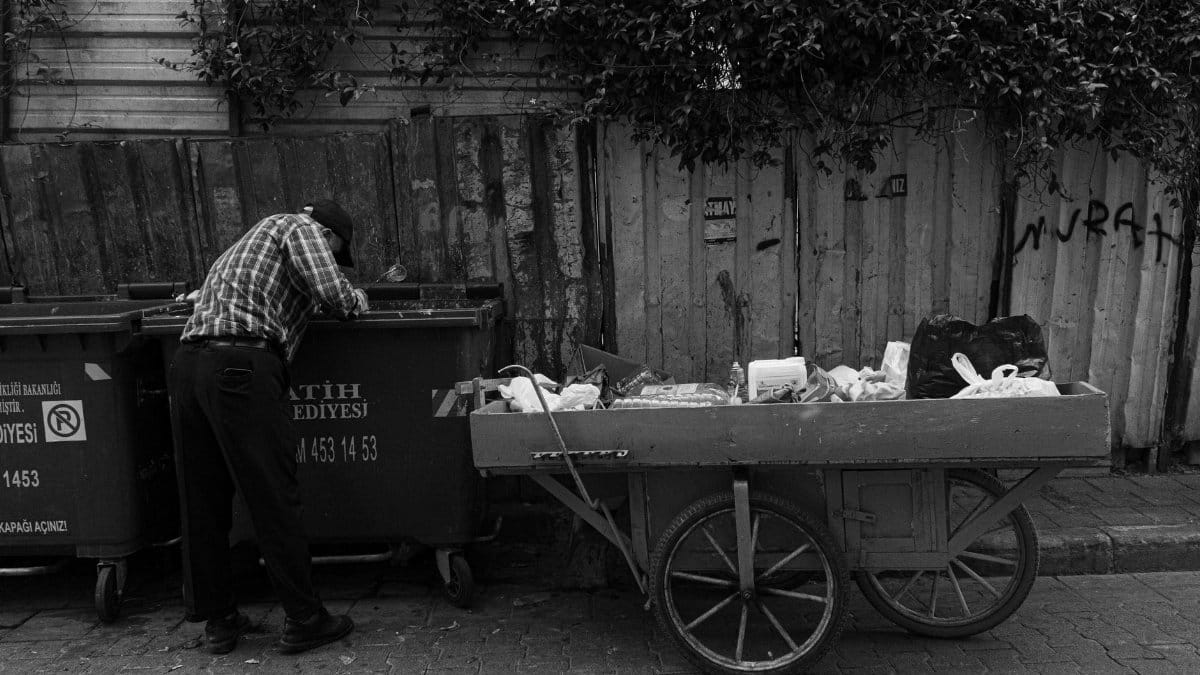
Waste collection is not glamorous politics, which is precisely why it dominates kitchen table talk. Missed pickups, short staffing, illegal dumping, and the slow grind of keeping a dense city clean are visible in a way that a tax millage is not. When bags sit out, faith in City Hall drops before anyone opens a budget book. Members know this. Several have spent summers fielding calls that begin with a block address and end with a question about whether anyone at the top is paying attention.
The Philly Council fall agenda will almost certainly treat sanitation as more than a customer service complaint. Collection routes, overtime, vehicle repair, and the cost of disposal sit underneath every photo of a corner pile. Council does not drive the trucks. It does control oversight, and it can force the administration to explain why some corridors wait longer than others. That power is real, and it is also limited. Hearings produce transcripts. Clean corners require crews, working equipment, and a disposal plan that does not collapse under price or politics.
The long argument over where the waste goes
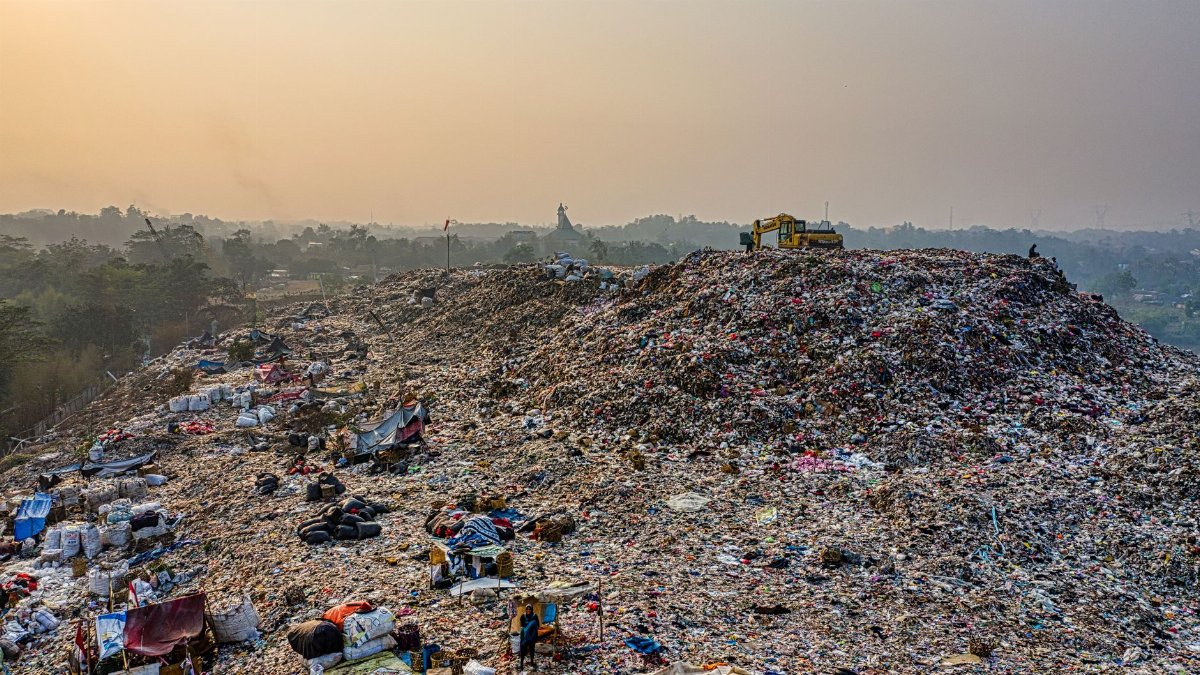
Disposal is the quieter half of the trash fight, and it may prove harder than pickup. Philadelphia has wrestled for years with how to handle what residents throw away, including the role of burning waste and the contracts that send material out of the city. An incinerator question is not a slogan. It is a choice about air, cost, environmental justice, and whether neighborhoods already burdened by industry should bear more of it.
Expect members to split less along party lines than along geography and trust. Some will argue that local processing is cheaper and more reliable than hauling trash across long distances. Others will say burning waste near dense blocks repeats an old pattern in which the least powerful breathe the consequences. Neither side can wish away the tonnage. A fall hearing that treats the incinerator as a moral symbol without a disposal alternative will not move the piles. A hearing that treats it as a pure cost problem will ignore why so many residents show up angry.
Taxes after the shouting
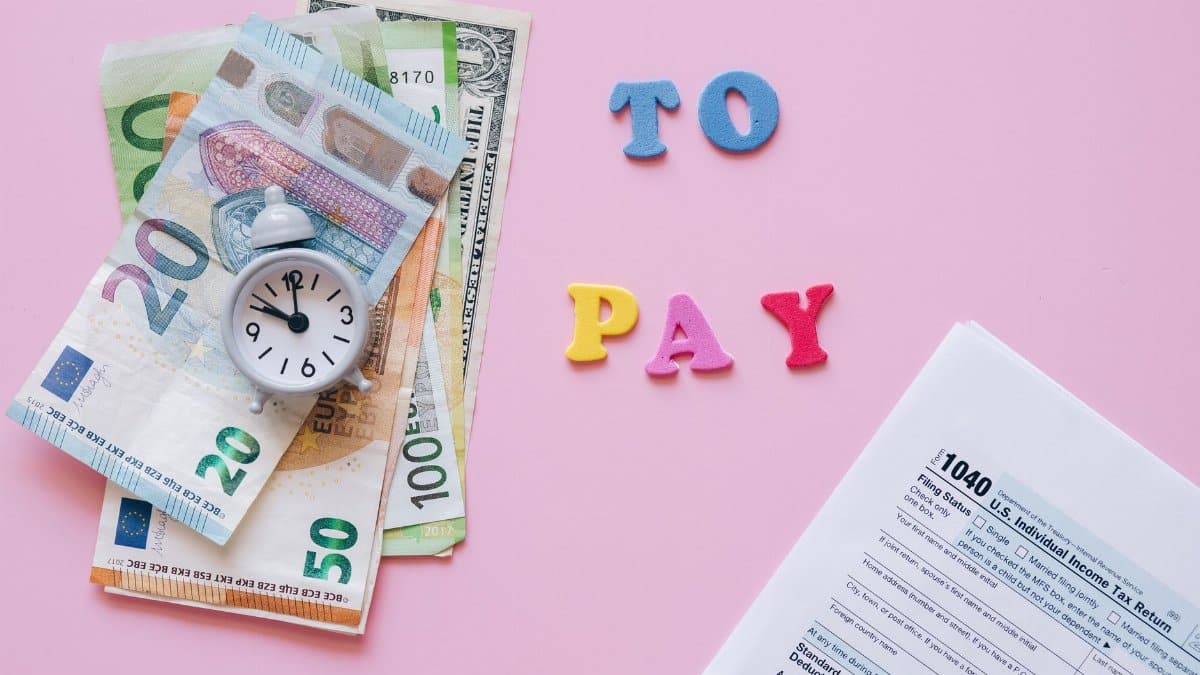
The wage tax remains Philadelphia’s most familiar burden and its most durable political argument. Business groups call it a drag on jobs. Labor and many residents hear any deep cut as a threat to schools, libraries, and the services they just watched fail on their block. June sharpened that tension without ending it. A fall session gives members room to revisit rates, credits, and the story they tell about who pays for the city.
The honest version of that story is unsatisfying. Philadelphia cannot fund a cleaner city, a fairer housing market, and a competitive job base on rhetoric. It also cannot pretend that a modest wage tax change will, by itself, redraw the regional economy. Council’s task is narrower and still difficult: decide whether further relief is responsible this year, and say plainly what service would feel the pinch. Voters can forgive a tradeoff. They are less patient with a promise that every priority can win at once.
An arena plan that refuses to fade
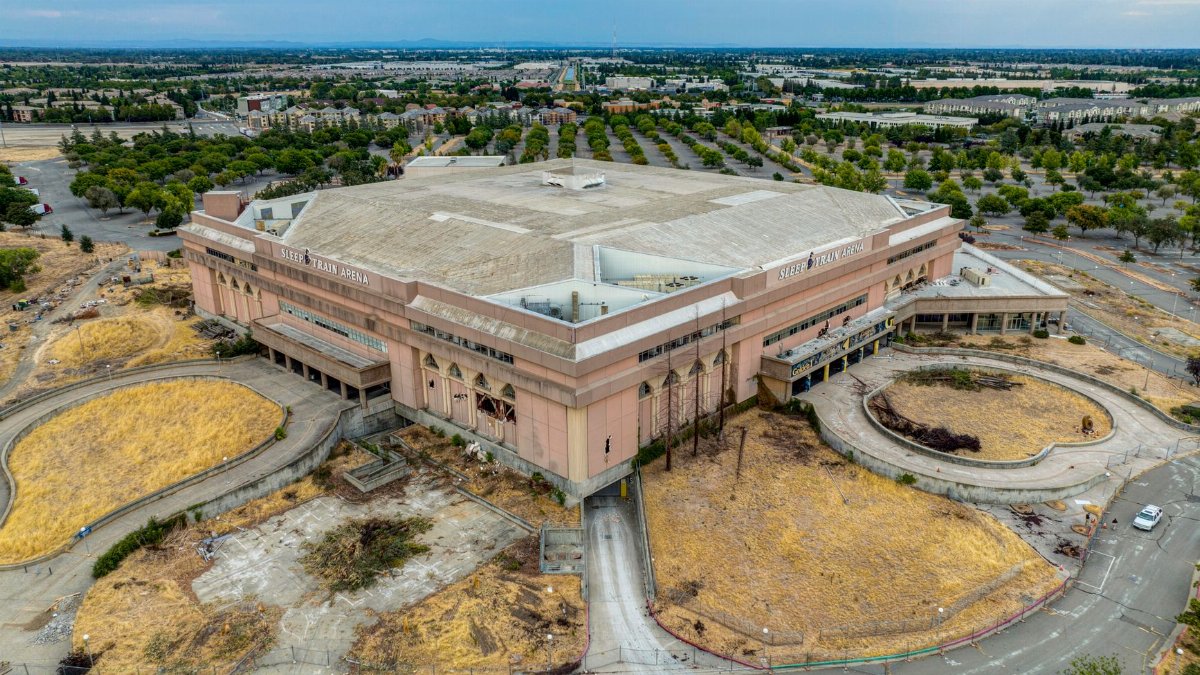
A possible new arena sits on the docket because big projects do not disappear when a news cycle moves on. Philadelphia has spent years arguing about where professional basketball belongs, who benefits from a new building, and what a construction zone does to blocks that already feel squeezed. Even when a specific deal stalls, the underlying questions remain: public money, traffic, small businesses, and whether Council is a partner or a speed bump.
Any revival this fall will test how much political capital members are willing to spend. An arena concentrates attention. It draws developers, unions, team officials, and neighborhood groups into the same room, often talking past one another. The risk for Council is familiar. A dazzling rendering can crowd out the slower work of trash and taxes, which lack ribbon cuttings. The opportunity is also familiar. A project this large forces a public conversation about who the city is building for. Members who treat the plan as inevitable will lose trust. Members who treat every large project as suspect will be asked what growth they would actually accept.
Housing pressure in the same season
Waste, taxes, and an arena do not exhaust the calendar, even if they dominate the headlines. Housing costs continue to shape who can stay in the city, and Council has spent recent years layering regulations, incentives, and arguments about development onto a market it does not fully control. Fall is when those paper victories meet landlords, tenants, and builders who have had a summer to test them.
The connection to the louder items is practical. An arena district can lift some property values and threaten others. A wage tax cut can leave a household with a few more dollars and still leave rent untouched. Trash service, humble as it is, signals whether a block is being maintained or quietly written off. Members who discuss housing as a separate silo will miss how residents experience the fall as one season of decisions, not three.
How a chamber actually chooses
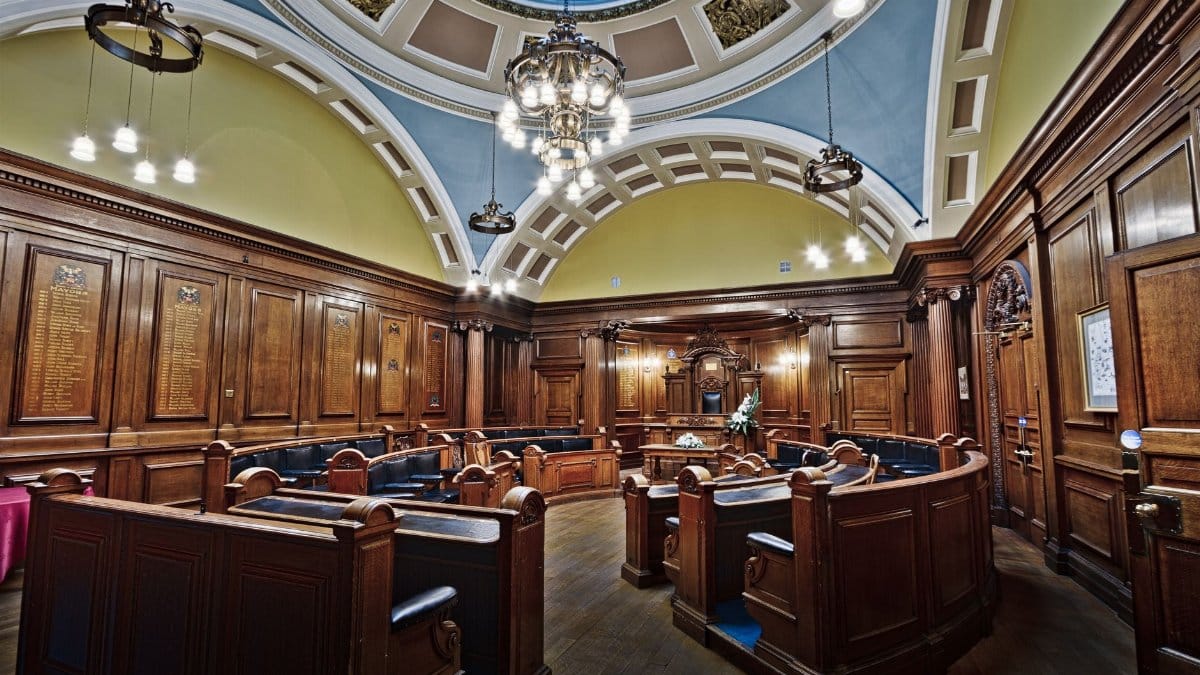
From the outside, a council agenda looks like a list. Inside, it is a negotiation among district needs, at large ambitions, a mayor’s priorities, and the calendar of hearings that staff can staff. Philadelphia’s district system gives each member a home geography and a reason to defend it. That structure is a strength when a dumping site or a missed route is local. It is a complication when the fix requires citywide money.
The Philly Council fall agenda will therefore reflect more than ideology. It will reflect who can assemble seven or more votes, which committee chairs control the microphone, and which issues have a ready bill rather than a press conference. Observers should watch the early hearings for clues. A topic that gets a long public session and a clear ask of the administration is alive. A topic that appears in a speech and then vanishes from the committee calendar is atmosphere.
Labor, contracts, and the cost of saying yes
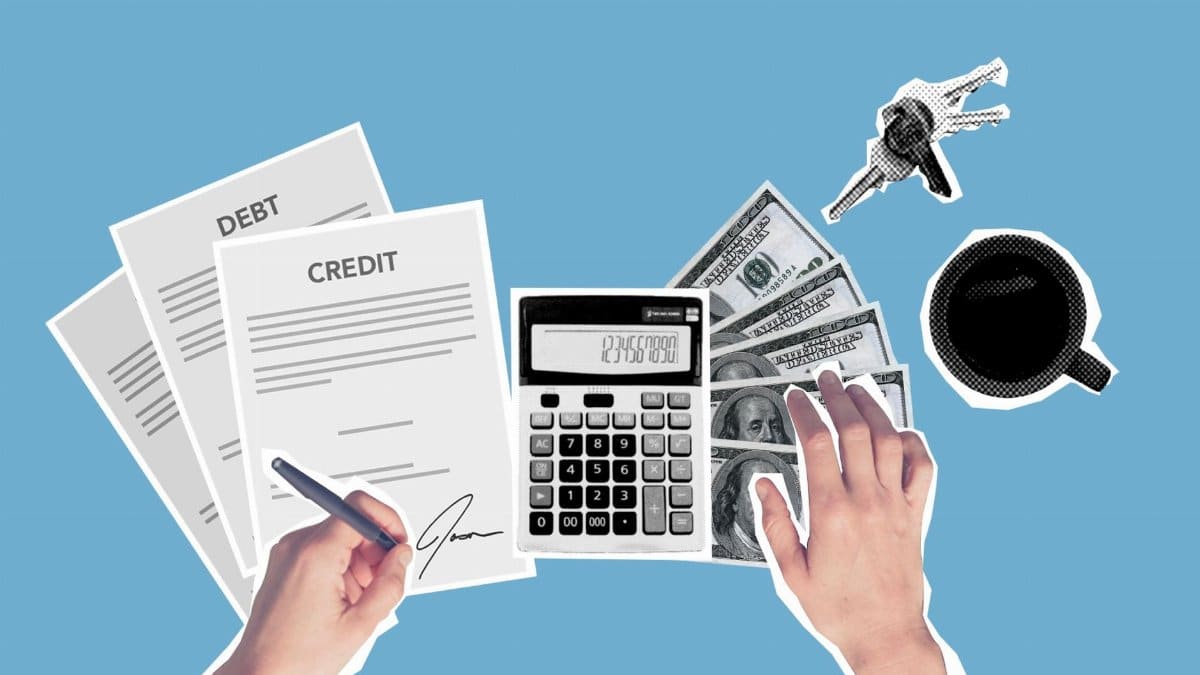
Several of these fights run through contracts. Sanitation depends on a workforce and a fleet. Disposal depends on vendors. An arena depends on labor agreements, community benefits, and the fine print of public support. Council’s leverage often appears late, at the moment a contract needs approval or a zoning change needs a vote. That timing invites brinkmanship. It also invites serious questions that should have been asked earlier.
Residents rarely read contract language. They do notice whether a promise about local jobs survives the first year of construction, and whether a waste contract locks the city into a method the public no longer wants. Members who rush a vote to prove they can get something done will own the outcome. Members who delay without an alternative will own the delay. Either path is a form of governing. Pretending that oversight is cost free is not.
The administration across the table
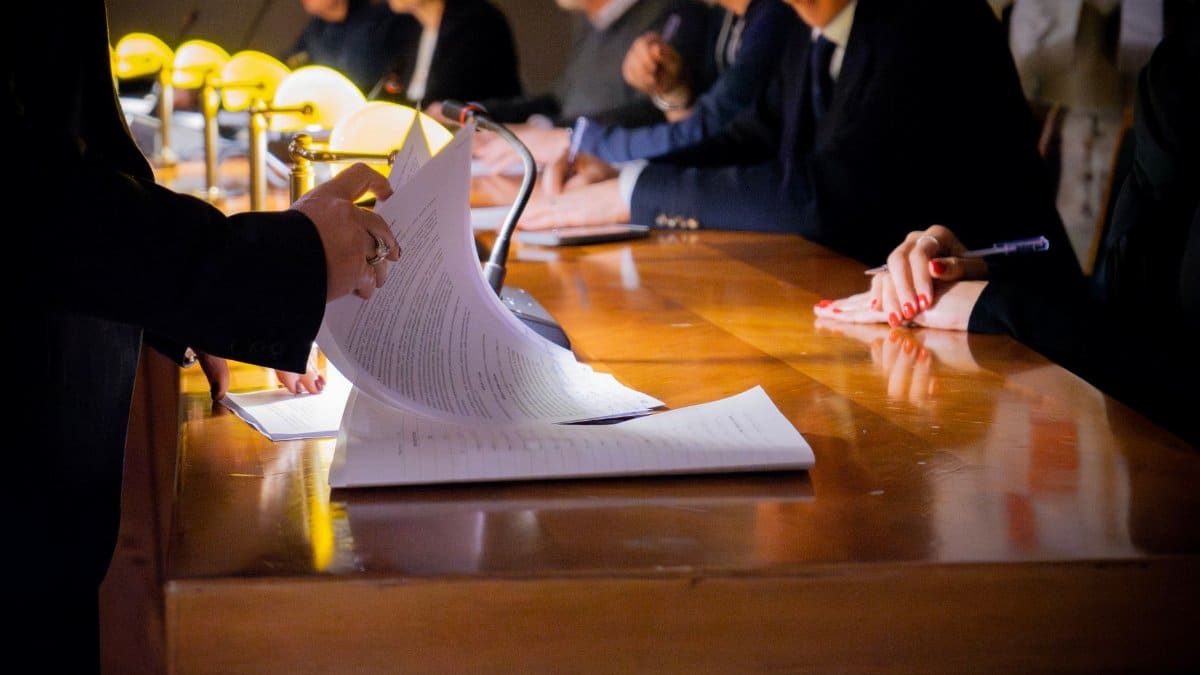
Council does not govern alone. The mayor’s team runs the departments that pick up trash, negotiate major projects, and forecast revenue. A tense June does not vanish because the calendar turned. It shows up in how freely information moves, how quickly commissioners appear at hearings, and whether the two branches describe the same city. When they do not, the public hears noise and assumes incompetence, even when the dispute is a real disagreement about risk.
A productive fall would look ordinary from the gallery. Department heads would bring numbers, not slogans. Members would ask questions that can be answered with routes, rates, and timelines. The press would have fewer dramatic walkouts and more dull exhibits. Ordinary is underrated. Philadelphia has enough spectacle. It needs a few months in which the machinery of oversight actually matches the complaints coming in from the blocks.
What residents should watch

For people who do not follow every session, a few signals will matter more than the speechmaking. Watch whether sanitation hearings produce a public accounting of missed pickups by area, not a citywide average that hides the worst blocks. Watch whether tax talk names a tradeoff. Watch whether any arena discussion includes the surrounding streets, the small businesses that would live with construction, and a clear statement of what public dollars, if any, are on the table. Watch the incinerator debate for an alternative, not only an objection.
Those tests are simple enough to follow without a law degree. They also respect the intelligence of a city that has heard grand plans before. The Philly Council fall agenda will succeed or fail on that kind of specificity. A resolution praising cleanliness does not empty a corner. A press release about competitiveness does not change a paycheck. A rendering does not settle a neighborhood.
A season for narrower promises

I have sat through enough civic seasons to distrust the phrase turning the page. Pages turn. The bags are still there in the morning. What Council can offer this fall is not transformation. It is a narrower set of promises, stated in language a resident can check. Fewer missed pickups on named corridors. A tax position that survives a second question. An arena process that does not treat neighbors as an audience. A waste plan that says where the material goes and who lives nearby.
That is a modest agenda, and modesty is not the mood of a city that feels behind. It is, however, the scale at which a legislature can still be honest. Philadelphia will argue about growth, fairness, and the smell of a summer morning for as long as it remains a big city. The Philly Council fall agenda is the next chapter of that argument, not the last. The measure of the chapter is whether, by the time the leaves are down, a few blocks are cleaner, a few numbers are clearer, and fewer people feel that the big decisions happened somewhere else.