
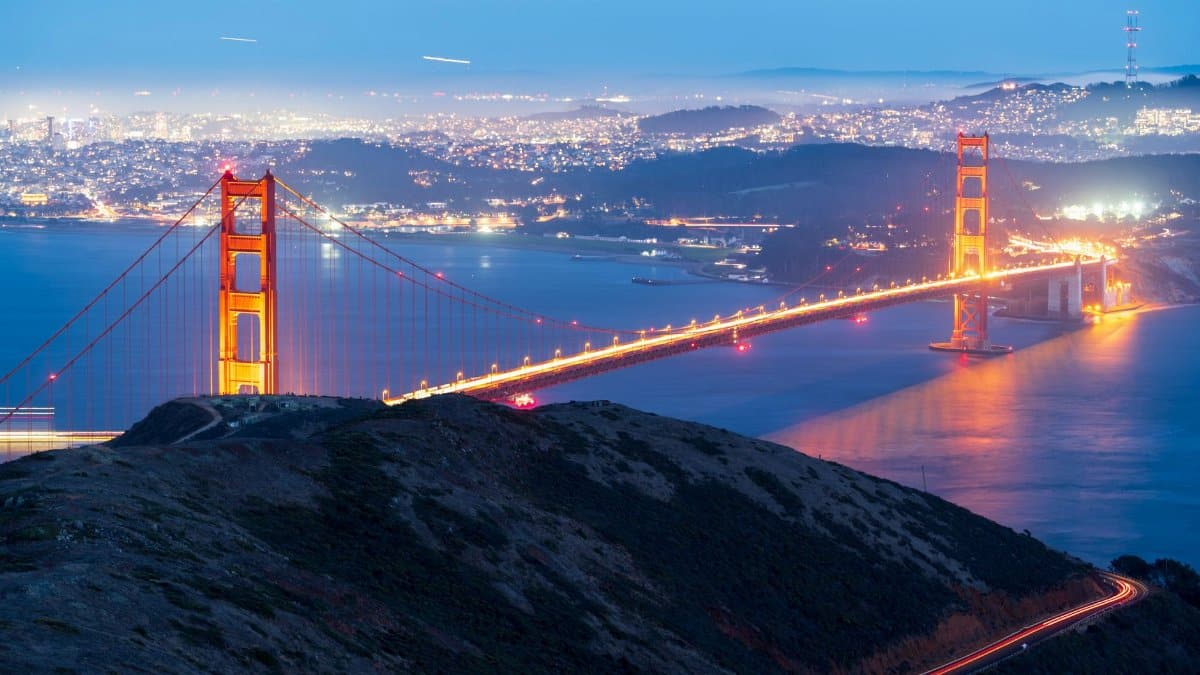
San Francisco anticipates an unusually high tidal surge this July that could surpass previous benchmarks for the month. Forecasters point to a rare alignment of lunar and solar forces producing what locals call San Francisco king tides. These events draw water levels higher than normal along the bay shoreline and prompt renewed discussion about how rising seas interact with natural tidal cycles. City workers have begun placing barriers in low lying areas while residents check drainage systems and review evacuation routes. The timing coincides with peak summer tourism which adds pressure on public safety resources and local businesses near the water.
Mechanics of Summer Tidal Peaks
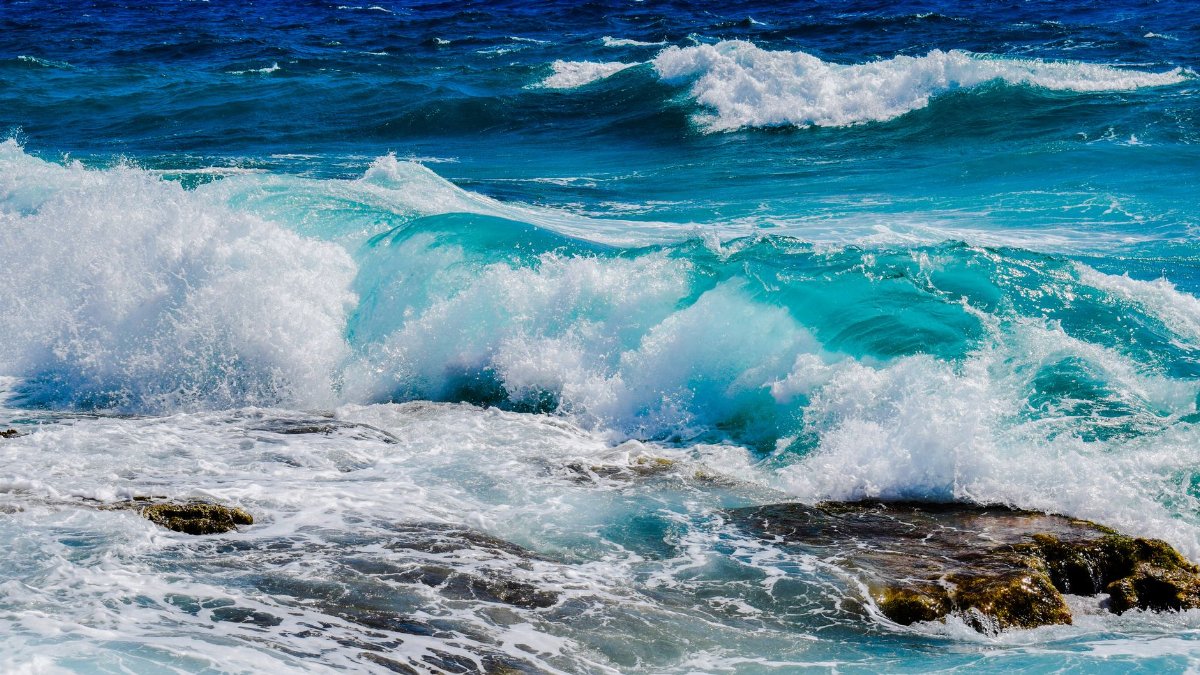
The upcoming surge stems from the moon reaching its closest point to Earth while also aligning with the sun. This combination amplifies gravitational pull on ocean waters. Scientists note that July rarely sees such extremes yet records show occasional spikes when orbital conditions line up precisely. Local tide gauges will track levels minute by minute to confirm whether the mark exceeds the previous July high set decades ago.
Neighborhoods Facing Minor Flooding Risks
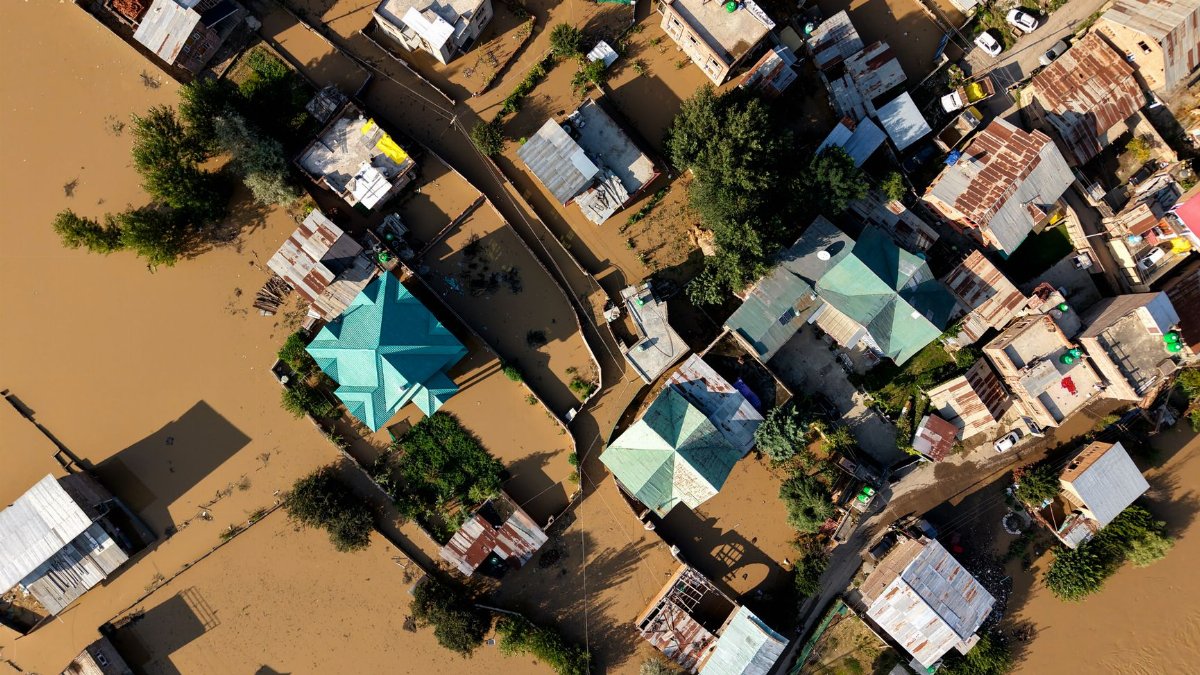
Several districts including parts of the Embarcadero and Mission Bay sit close enough to the shoreline that even modest overflows can reach streets and parking garages. Officials advise drivers to avoid underground lots during peak hours. Shop owners place sandbags at doorways while commuters adjust travel plans to steer clear of known trouble spots. These precautions remain routine during such events yet they underscore how quickly routine life can shift near the water.
Historical Precedents in Bay Area Records
Tide measurements collected since the early twentieth century reveal that summer peaks have grown more frequent in recent decades. Earlier high water events prompted similar preparations though the scale stayed smaller. Archivists compare handwritten logs with digital sensors to trace patterns across generations. The data help residents understand that these surges belong to a longer cycle now intersecting with gradual sea level changes.
Links to Larger Climate Trends
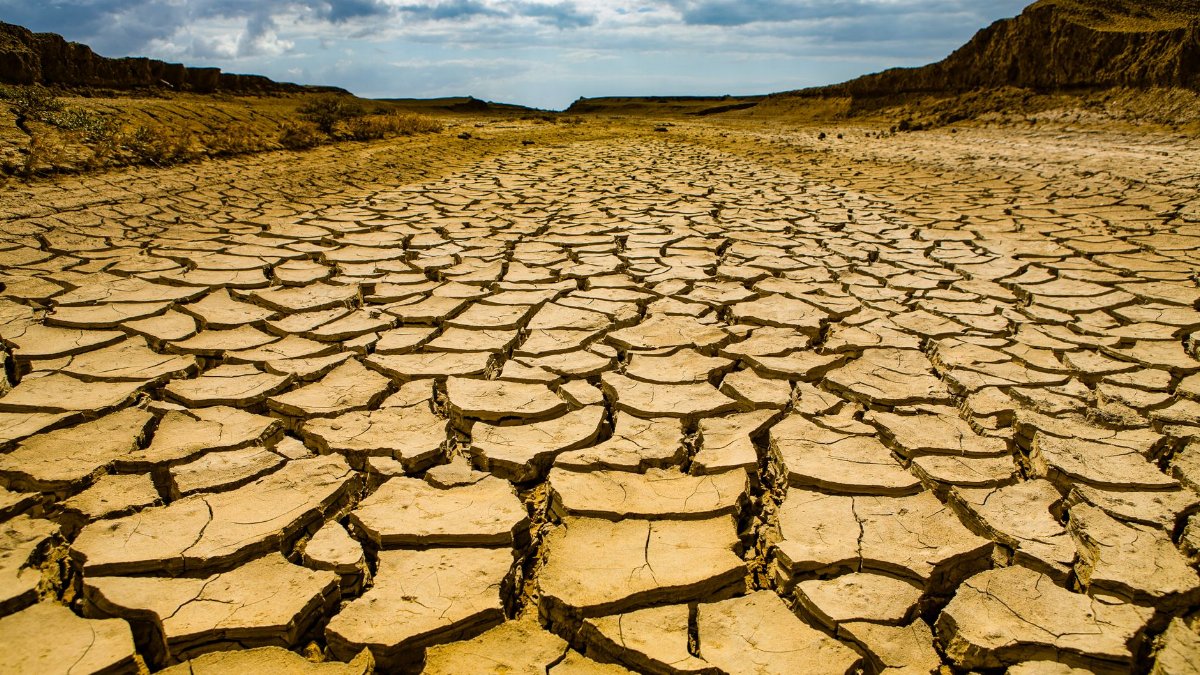
Researchers connect the intensity of San Francisco king tides to broader warming patterns that lift baseline ocean heights. Warmer water expands and melts land ice adds volume over time. While one tidal event does not prove long term shifts the cumulative effect makes each successive surge start from a higher mark. This reality influences planning documents issued by regional agencies focused on infrastructure resilience.
Marine Ecosystems Under Temporary Strain
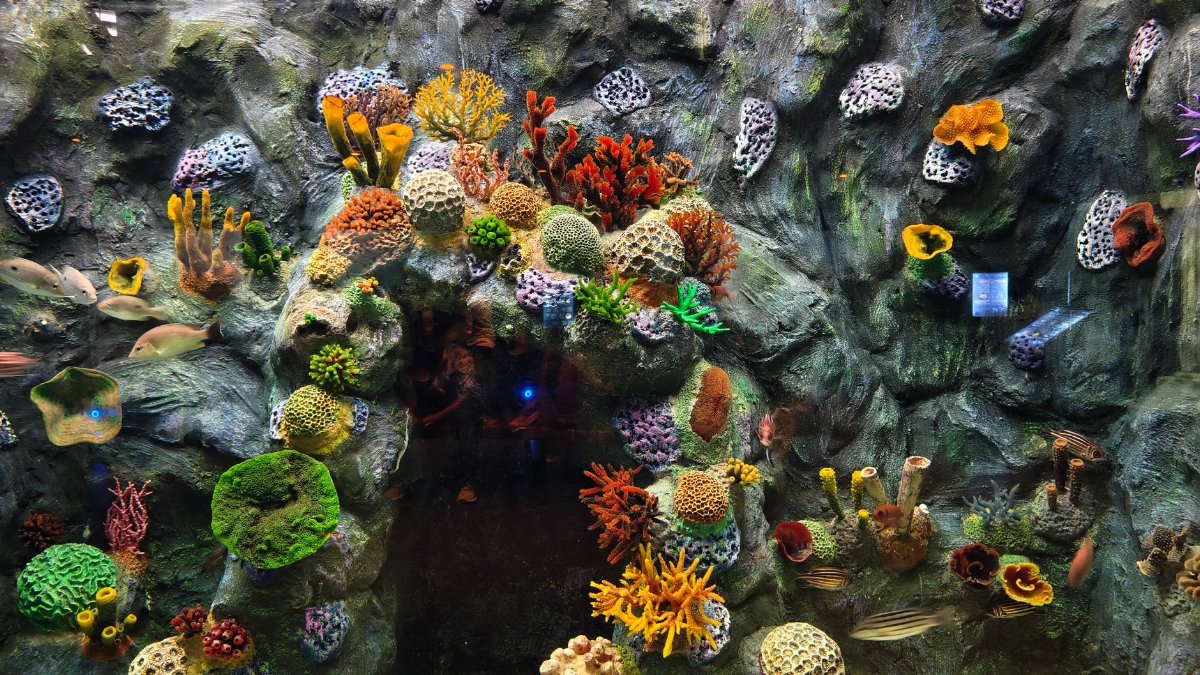
Elevated waters can reshape intertidal zones where crabs mussels and shorebirds feed and breed. Short term flooding may displace some species yet many recover quickly once levels recede. Biologists monitor sensitive habitats around the Golden Gate to assess any lasting changes. Public volunteers often assist by logging sightings that feed into larger scientific databases.
City Agency Readiness and Public Guidance
Emergency teams coordinate with utilities to clear storm drains ahead of time. Alerts appear on websites and mobile apps reminding people to secure outdoor furniture and avoid walking near wave splash zones. Fire and police units stage equipment in strategic spots so response times stay short if minor incidents occur. These steps reflect standard protocol refined through past experience with similar tidal activity.
Economic Ripple Effects on Waterfront Commerce
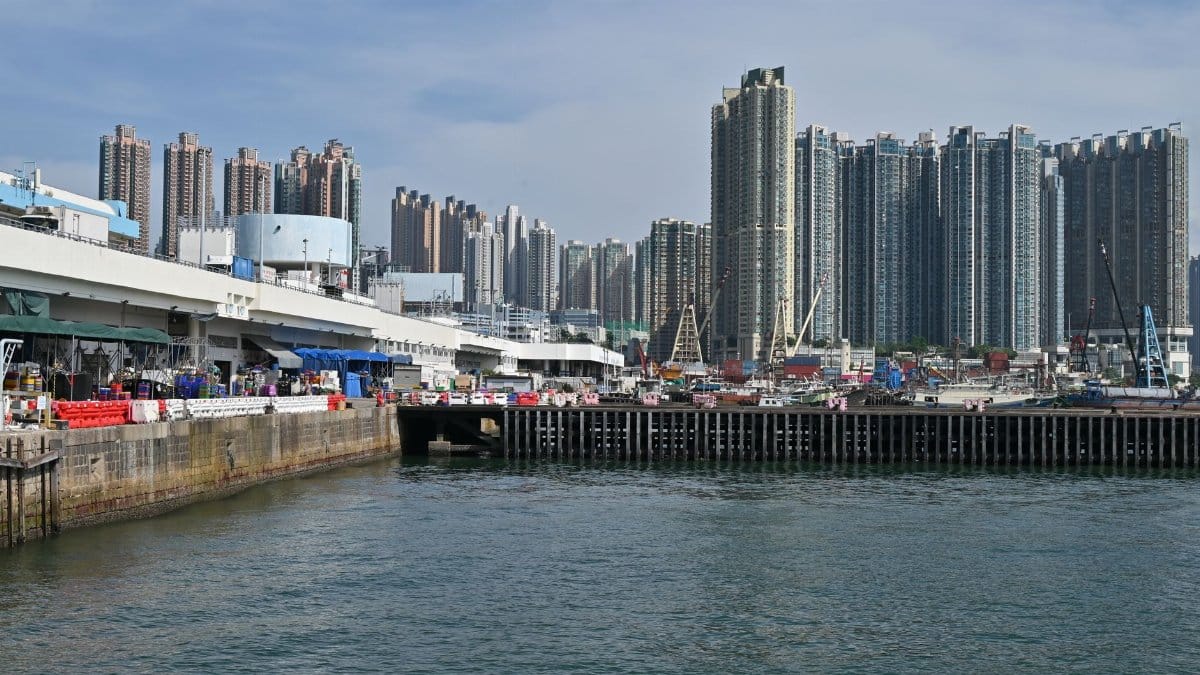
Restaurants and retail outlets along the bay may see altered foot traffic during the peak hours. Some schedule extra staff while others promote indoor seating to retain customers. Tourism boards highlight alternative attractions farther from the shoreline to maintain visitor spending. The short duration of the event limits total losses yet it illustrates how natural cycles intersect with daily commerce.
Public Awareness Campaigns and Education

Schools and community centers host brief sessions explaining the science behind San Francisco king tides. Presentations use simple charts to show how sun moon and Earth interact. Residents leave with checklists for home preparedness that emphasize observation rather than alarm. Such outreach builds familiarity with recurring natural phenomena instead of treating them as isolated surprises.
Looking Ahead to Future Tidal Seasons
Planners already examine how repeated events might shape long term investments in seawalls and elevated infrastructure. Modeling exercises incorporate both astronomical forecasts and gradual sea level increments. Community input sessions gather perspectives from longtime waterfront residents who recall earlier high water years. The goal remains steady adaptation that preserves access and safety without overreacting to any single occurrence.