
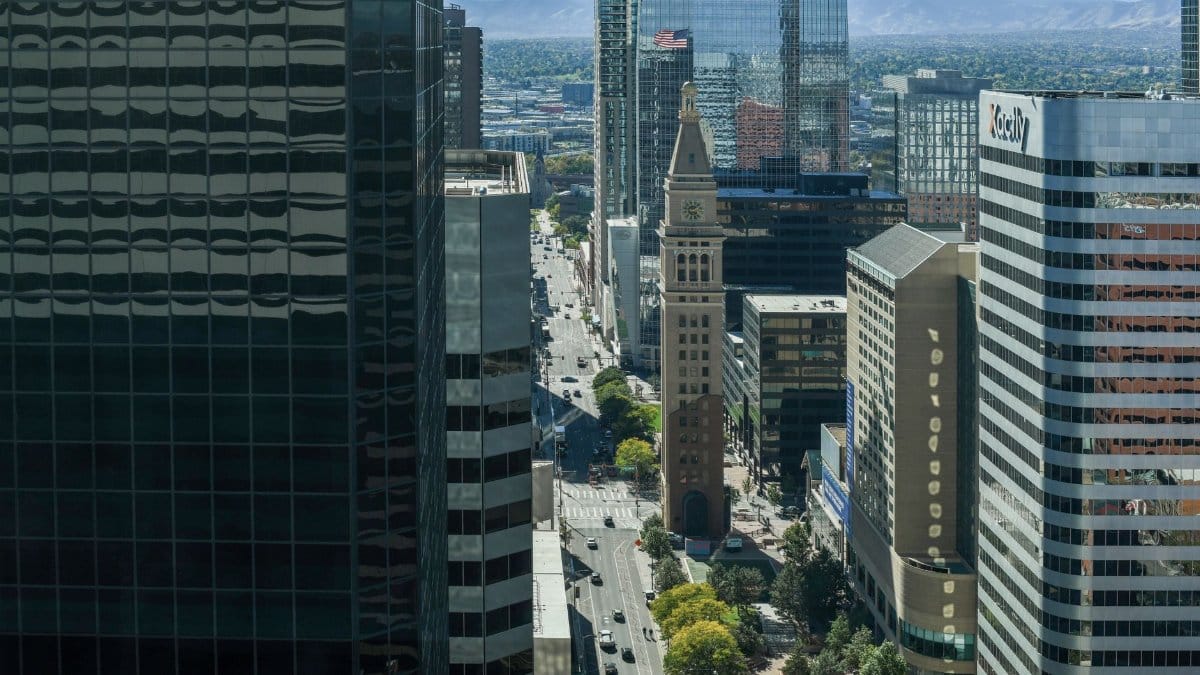
In the bustling Ballpark District of Denver, where the echoes of baseball cheers blend with the quiet dignity of aging brick structures, a notable property stands ready for renewal. This effort, known as the 2100 Larimer restoration, promises to breathe fresh purpose into a landmark that has witnessed more than a century of urban change. Local observers note how such projects often bridge the gap between preserving history and meeting modern demands for lodging and dining. The initiative led by developer Matt Van Sistine envisions converting the site into a boutique hotel complete with a restaurant and speakeasy, all while respecting the architectural integrity that defines this corner near Coors Field. Residents and business owners alike watch closely as plans advance, reflecting broader trends in cities seeking to honor their roots amid growth.
Origins of the Structure and Its Neighborhood Role
The property at Larimer Street dates back to an era when Denver expanded rapidly through commerce and rail connections. Its solid masonry walls and classic window placements reflect construction methods common in the late nineteenth century. Over decades the building housed various enterprises, from early retail outlets to offices that supported the growing city. Today its location places it steps from the stadium, making it a natural focal point for visitors exploring the area.
Developer Approach Under Matt Van Sistine
Matt Van Sistine has outlined a careful strategy that prioritizes adaptive reuse. His team studied similar projects in other western cities to inform decisions on materials and layout. The goal remains to keep exterior features intact while updating interiors for comfort and functionality. This measured pace allows time for regulatory reviews and community input sessions.
Hotel Concept Blending Comfort with Character
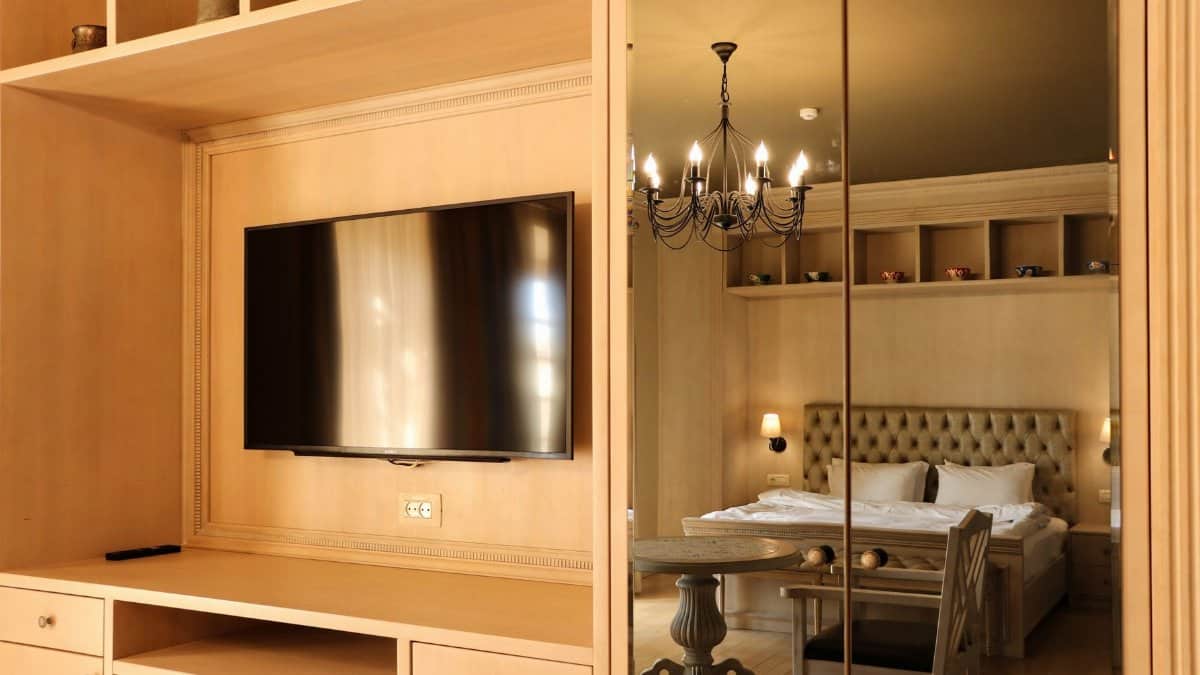
Plans call for roughly forty guest rooms styled to echo the building original details yet equipped with current amenities. Guests would encounter furnishings that nod to local craftsmanship without overwhelming the space. Common areas on lower levels would encourage interaction, creating a welcoming atmosphere for both overnight visitors and neighborhood residents.
Restaurant and Speakeasy Elements
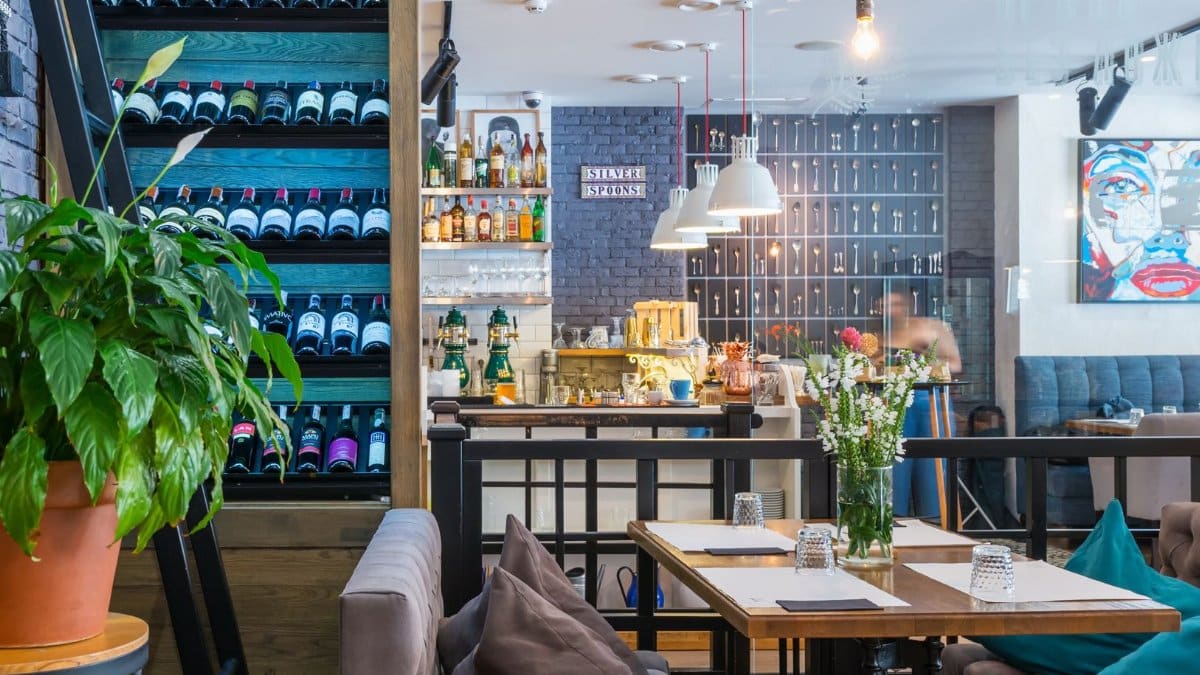
A ground floor restaurant would draw on regional ingredients to craft menus that change with seasons. Adjacent to it, a speakeasy styled space would offer intimate seating and crafted beverages in a setting hidden behind an unassuming entrance. Such additions aim to attract evening crowds while complementing daytime activity around the district.
Preservation Standards and Regulatory Steps
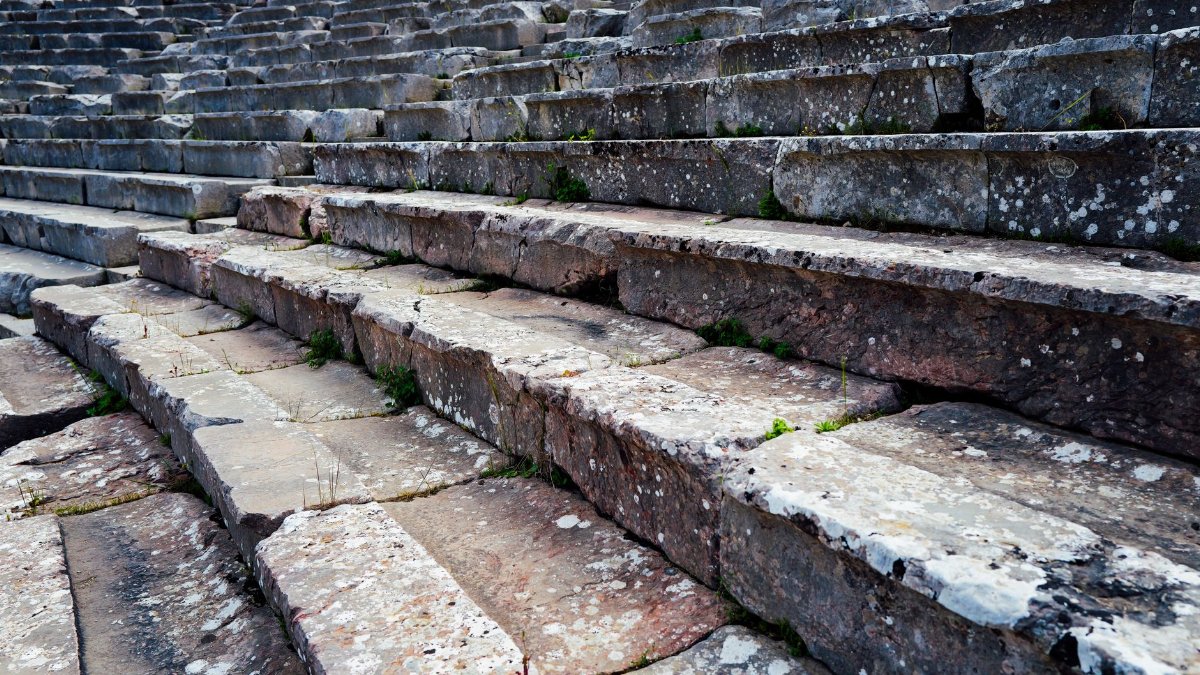
City officials require adherence to guidelines that protect historic facades and structural cores. The 2100 Larimer restoration must navigate reviews from preservation boards to secure approvals. Documentation of original features helps guide repairs and ensures alterations remain reversible where possible. This process underscores the balance between innovation and respect for prior eras.
Connections to Coors Field and District Activity
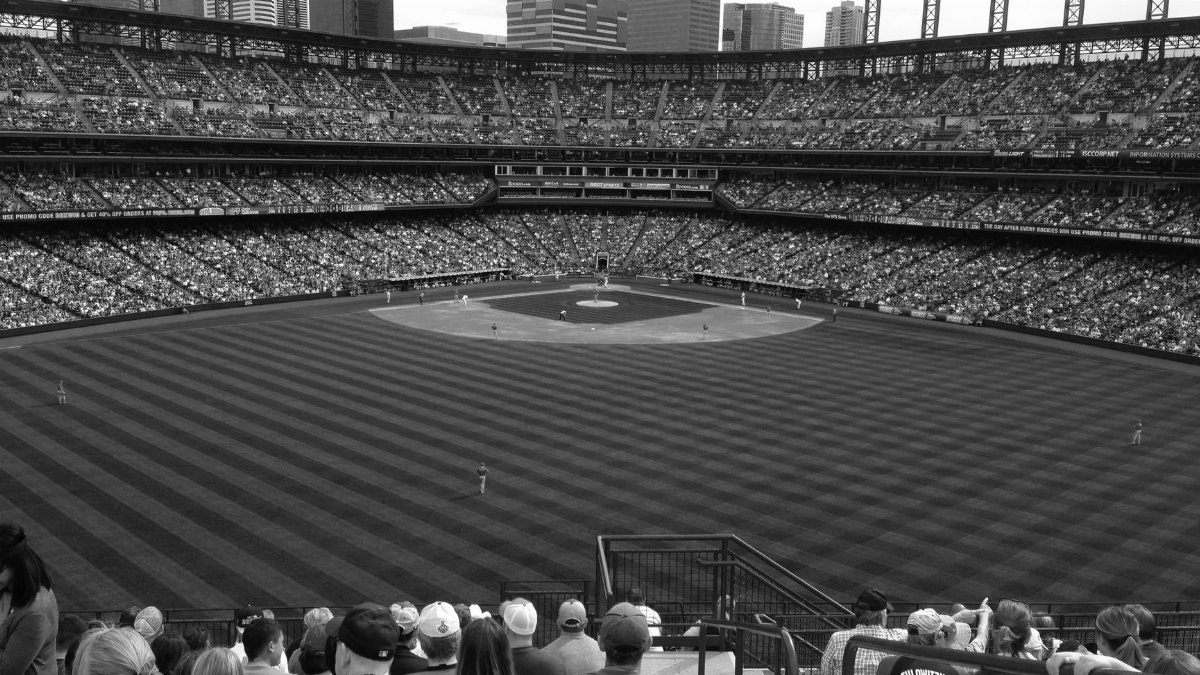
Proximity to the baseball venue offers clear advantages for attracting fans seeking convenient stays. The 2100 Larimer restoration could become a gathering spot before and after games, extending the energy of event nights into surrounding blocks. Planners anticipate pedestrian pathways that link the hotel entrance directly with popular routes to the stadium.
Anticipated Effects on Local Economy
Supporters point to potential job creation during construction and later operations. Nearby shops and services may see increased foot traffic once the hotel opens. Property values in the immediate vicinity could stabilize or rise as the block gains renewed appeal. These outcomes align with patterns observed in other revitalized urban pockets across the country.
Projected Schedule and Next Phases
Current timelines suggest permitting could conclude within the coming year, followed by phased construction. The 2100 Larimer restoration would then move toward interior work and finishing touches. Public updates from the development office indicate ongoing meetings with stakeholders to refine details before groundbreaking.
Longer Term Place in Denver Tourism
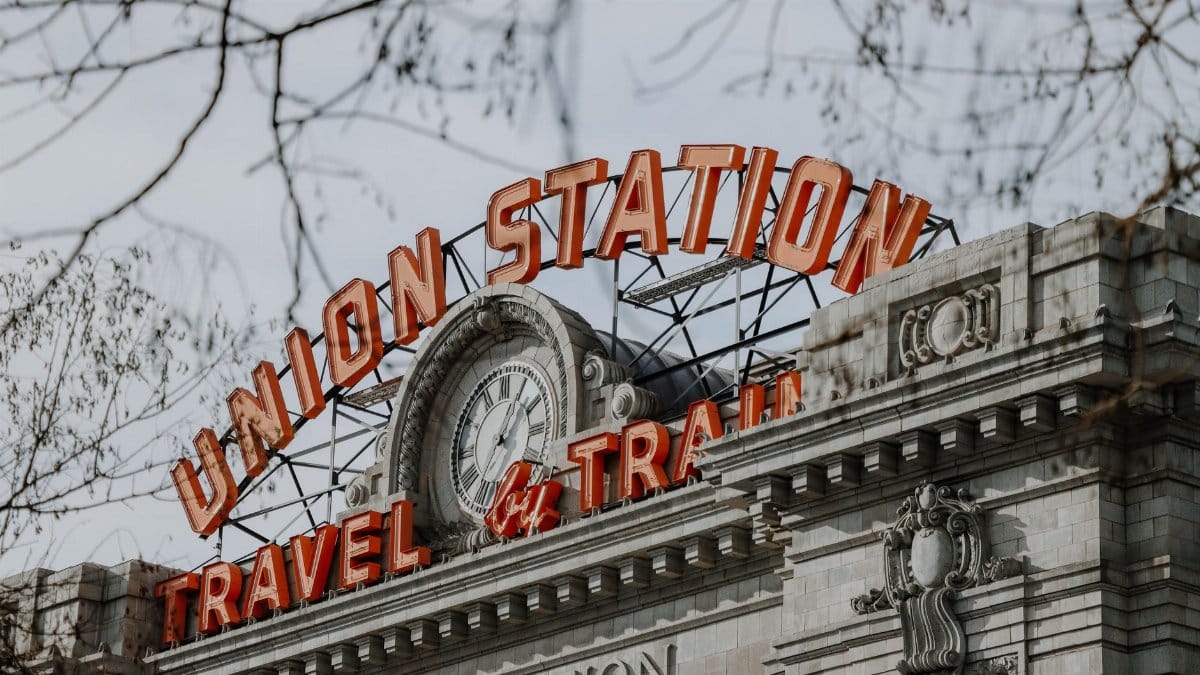
Once complete the project may serve as an example for other historic conversions in the region. Its mix of lodging, dining and subtle nightlife could draw travelers interested in authentic neighborhood experiences. Over time the site might contribute to a more layered story of how Denver honors its past while shaping its future.