
The escalators at San Francisco Centre still catch the light under a broad skylight, but the shops they once fed are dark. On a weekday afternoon the floors carry more echo than footsteps, and people headed for the Powell Street station rarely pause at the doors. Into that quiet, talk of SF Centre demolition has moved from rumor to a serious option on a developer’s desk, a possibility that would erase one of downtown’s most familiar interiors in favor of something the city has not yet seen.
A landmark that outlived its crowds
For years the mall functioned as a vertical main street. Visitors rode from the subway into a stack of retailers, a food hall, and department stores that advertised the city’s claim to be a place where people still gathered indoors. The building sits on Market Street, tied to transit in a way few suburban malls ever managed. That connection was supposed to be a permanent advantage. It was not enough to hold the anchors when shopping habits, office occupancy, and street conditions shifted together.
What remains is a large, expensive shell in a neighborhood that cannot afford another symbol of retreat. The question is no longer only who will lease the empty bays. It is whether the structure itself still makes sense.
The firm looking at a blank slate

New York based Seven Equity Group has been reported by the San Francisco Chronicle as weighing a purchase and a mixed use rebuild. Among the paths under discussion is taking the mall down rather than nursing it back as a shopping center. Nothing in that reporting amounts to a filed plan, a granted permit, or a promise to neighbors. It is an investor’s calculation made in public view, and calculations can change.
Still, the mere fact that demolition is on the table changes the conversation. A renovation assumes the bones are worth keeping. A teardown assumes the land, the transit access, and the zoning potential are worth more than the building that currently occupies them.
How the anchors walked away

The decline did not arrive as a single headline. Nordstrom closed its long running store. Bloomingdale’s followed. Smaller tenants, already thin on foot traffic, had little reason to stay once the names that drew regional shoppers were gone. A mall is a system. When the largest stores leave, the smaller ones lose the reason customers climb the escalators at all.
Remote work thinned the lunch crowd that once filled the food places between meetings. Tourism returned unevenly. Safety concerns, fair or amplified, kept some families on the peninsula. None of those forces is unique to this address, but together they made a department store model look obsolete on a block that still needs people.
Why demolition enters the math

Adapting a mall is harder than it looks from the sidewalk. Floor plates designed for retail do not always convert cleanly to housing. Ceiling heights, columns, loading docks, and a circulation system built around stores can fight a new use at every turn. Mechanical systems sized for a shopping day may be wrong for homes or labs. At some point an owner asks whether patching is more costly than starting over.
That is the practical case for SF Centre demolition. It is not an aesthetic manifesto. It is a bet that a clear site, planned for housing and other active uses, will lease, sell, or finance more reliably than a half empty mall with a famous name and a shrinking purpose.
What a replacement might try to be

Any serious scheme would have to answer Market Street, not turn its back on it. Ground floors that meet the sidewalk with doors, light, and reasons to linger matter more than a glossy rendering. Homes, if they are part of the mix, would need to be numerous enough to change the block’s daily rhythm, not a token podium above leftover retail. Offices, if they return, would have to assume a smaller and pickier tenant than the pre pandemic norm.
The city has spent years arguing about what downtown should become once the commute is no longer the plot. A site this large could test those arguments in concrete. It could also sit fenced for years if financing, politics, or design review stall. Emptiness has a way of lasting longer than renderings suggest.
Neighbors who already live with the quiet
People who walk this stretch do not experience the mall as a zoning diagram. They experience a dark frontage, a thinner crowd, and a sense that the center of the walk has dropped out. Nearby shops feel the absence in their own receipts. Hotel guests ask where to go and get a shorter list than they would have received a decade ago.
Demolition would bring its own burden: noise, dust, truck traffic, and a pit where a landmark used to be. Residents who have endured vacancy may not greet construction as a gift. They will ask what opens, when, and for whom. A plan that replaces a failed mall with luxury units and little public life would confirm a fear already circulating, that recovery is a word for someone else’s downtown.
The preservation instinct

Not everyone wants the building gone. Some see the atrium, the transit link, and the sheer volume of interior space as assets worth another try. A market hall, a civic use, classrooms, or a mix of small makers could, in theory, occupy what department stores abandoned. Those ideas deserve a hearing, because tearing down a large structure carries climate and waste costs that a rendering rarely shows.
The honest constraint is demand. A reuse plan that cannot name tenants, a public operator, or a subsidy will not outcompete a demolition proposal that at least has a capital stack behind it. Affection for a place is not the same as a business plan, and the city has learned that lesson in other empty rooms.
City hall and the pace of permission
San Francisco’s approval culture is part of the story whether officials like it or not. A teardown and rebuild would face environmental review, design scrutiny, and likely a fight over height, affordability, and what happens at the street. Streamlining exists on paper. In practice, large projects still move at the speed of meetings, appeals, and capital markets.
Officials who want downtown revived cannot treat this site as a spectator sport. If SF Centre demolition becomes a formal application, the city will have to say clearly what it will trade for speed: housing requirements, public space, union labor expectations, and a ground floor that does not repeat the blankness people already resent. Ambiguity is its own delay.
Money, risk, and a cautious lender

Investment firms do not demolish for symbolism. They do it when the residual land value, after cost and time, exceeds the value of the standing asset. Interest rates, construction prices, and the uncertain rent for new downtown space all sit on that spreadsheet. A group can study a teardown and still walk away if the numbers slip.
That uncertainty should temper both celebration and dread. The Chronicle’s reporting describes consideration, not a crane on a calendar. Readers who have watched other announced rescues fade will be right to ask for entitlements, financing, and a construction start before they treat a new district as inevitable.
Other cities have already chosen
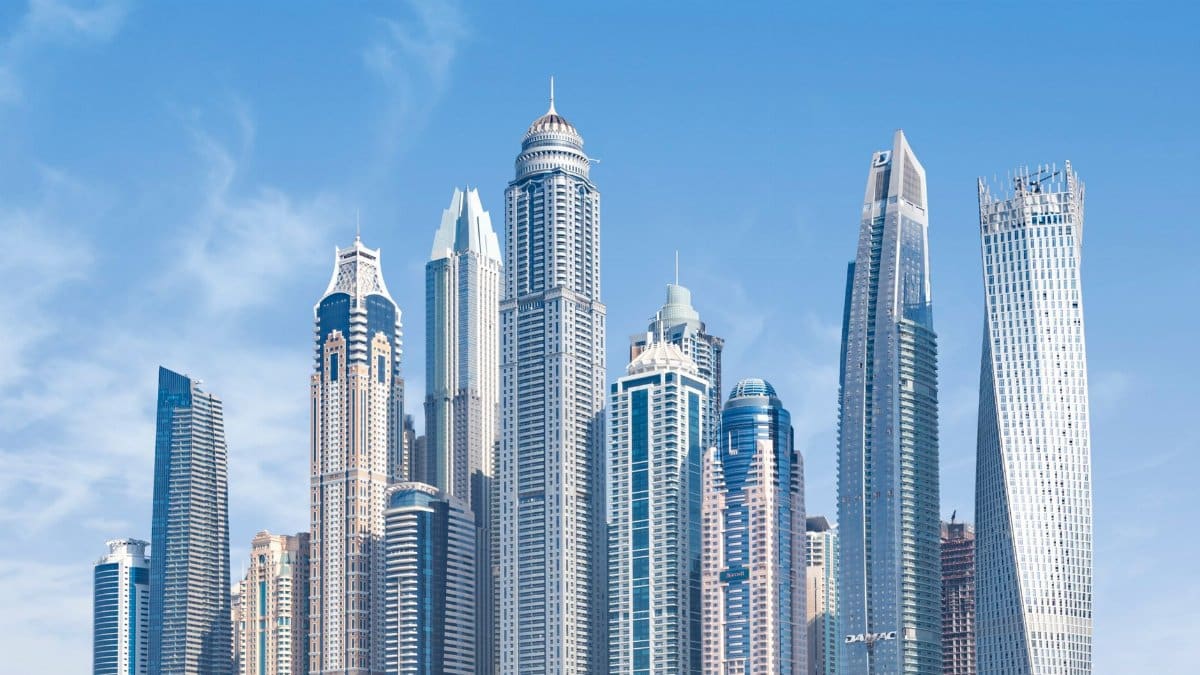
Across the country, enclosed malls have been scraped for housing, medical campuses, and open air streets that mimic the towns those malls once drained. Some of those projects filled in. Some replaced one vacancy with another, only horizontal. The lesson is not that demolition saves a district. The lesson is that the next use has to match how people actually live, work, and move, not how a prior generation shopped.
San Francisco’s version of that choice is sharper because the site is central, transit rich, and politically exposed. A suburban mall can fail quietly. This one fails in the city’s front window.
What the word demolition asks of the public
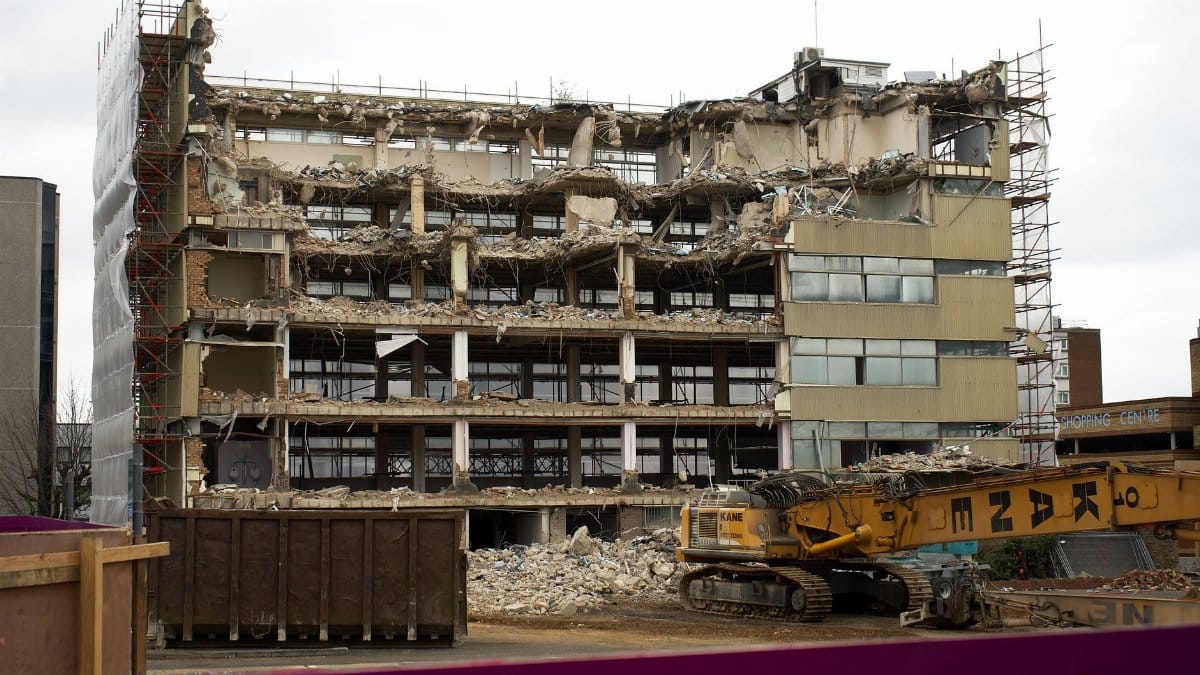
There is a civic emotion attached to taking a building down, even a commercial one. People remember first jobs, holiday visits, and the small theater of riding up from the train into a bright room. Letting that go can feel like conceding that a chapter of public life is over. Holding on can feel like refusing to see an empty room for what it is.
Neither feeling substitutes for a plan. The useful questions are plain. Who lives there. Who works there. What opens onto Market Street before noon and after dark. How long is the fence up. What is affordable, and what is merely announced as affordable. A serious debate about SF Centre demolition starts with those questions and stays there.
A block between memory and use
Downtown recovery will not be settled by one property. It will be settled by whether enough properties become active at once that the walk between them feels ordinary again. This mall matters because of its size and its place in that walk. Leave it dark, and the gap remains. Replace it poorly, and the gap returns under a new facade.
Seven Equity Group’s interest, as described in local reporting, puts a hard option in front of a soft stalemate. The city can meet that option with clarity or with another round of vague hope. Shoppers are not coming back in the old numbers. Residents might, if the block is built for them. Until a real proposal is filed, SF Centre demolition remains a possibility rather than a fate, which is exactly why the next months of negotiation will matter more than the nostalgia already in plentiful supply.