
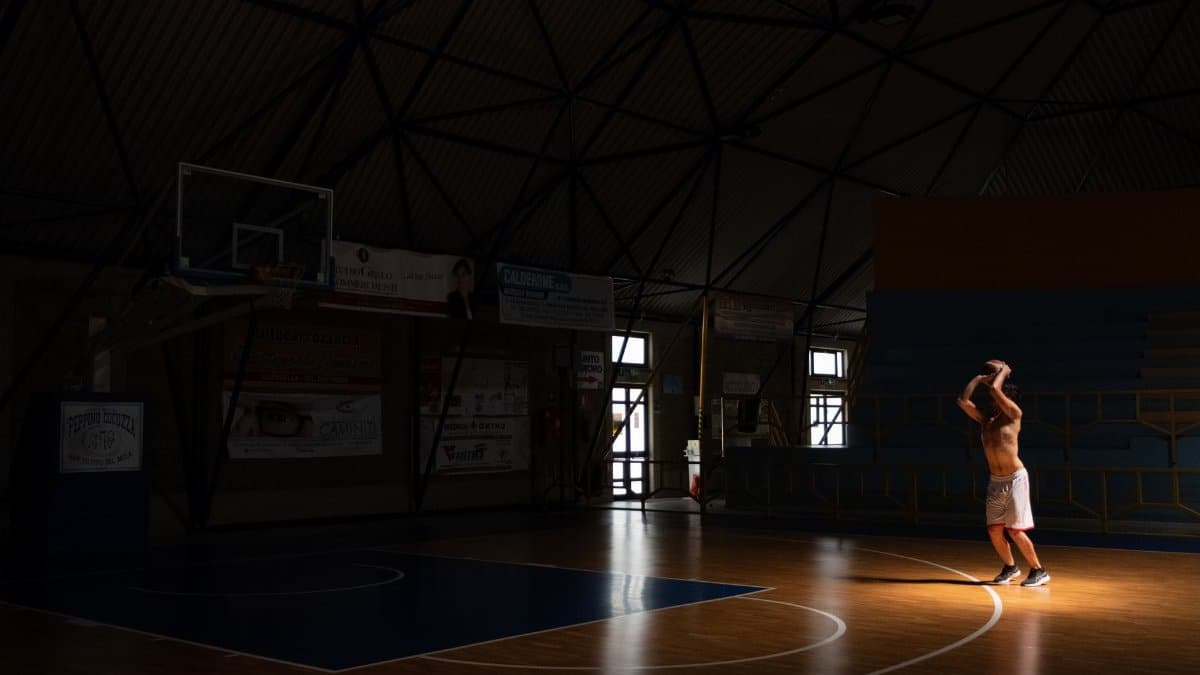
On a mild afternoon in the southeast corner of San Francisco, campaign season took an unusual turn and stepped onto a public court. Five people hoping to represent the district met for a short game of three on three, less a championship than a chance to be seen up close. The SF District 10 candidates were not pretending that a bounce pass would rewrite housing policy or quiet a late night street. They were betting that a crowd still forms where a ball is in play, and that voters who skip forums might linger long enough to ask a hard question once the sweating stops.
A different kind of introduction

Retail politics has always had a theatrical side. Candidates walk parades, flip pancakes, and pose with babies because a face remembered is harder to dismiss than a name on a mailer. Basketball adds a small test of temperament. Passing, arguing a call, and laughing at a miss are visible in a way that a prepared statement is not. In a city as verbal as San Francisco, the body can sometimes say what a platform cannot.
The choice of a court also fits the geography. District 10 stretches across neighborhoods where recreation centers, church gyms, and outdoor hoops have long been social infrastructure. People already know one another there. A candidate who arrives only with a clipboard can look like a visitor. A candidate who is willing to be ordinary for an hour may earn a second look.
What the southeast has been carrying
District 10 is not a single story. It includes the Bayview, Hunters Point, Visitacion Valley, Sunnydale, and stretches of Potrero Hill and Dogpatch, among other places whose daily concerns do not always match the headlines from downtown. Residents talk about housing costs, unreliable transit, environmental burdens left by industry, and the plain desire to walk home without calculating risk. They also talk about pride, family networks, and institutions that have held communities together when City Hall felt far away.
Any supervisor who wins here inherits that mix. The office is one seat on an eleven member board, yet it is the seat residents call when a streetlight stays dark or a development promise slips. Campaign events that feel playful still sit on top of that expectation. The SF District 10 candidates know the audience is not only scoring style. It is measuring whether the person on the court seems likely to return on a Tuesday when nobody is watching.
Why a game can still work
There is a practical reason campaigns keep inventing gatherings that do not look like campaigns. Attention is scarce. Many voters work shifts that do not align with evening forums. Others have decided that local politics is a closed conversation among people who already know the acronyms. A basketball tournament lowers the threshold. You can arrive late, stand at the edge, and leave without having to raise a hand.
Sports also flatten, for a moment, the usual hierarchy. A front runner can brick a shot. A lesser known contender can set a screen and earn a cheer. That reversal does not decide an election, but it can reopen a conversation that ideology had closed. Neighbors who disagree about policing or development may still agree about a good pass. Shared pleasure is not the same as shared policy, yet it can make the next disagreement less abstract.
The risk of turning civic life into a show
The danger is obvious and worth naming. A friendly game can become content. Clips travel faster than position papers, and a candidate who looks fluid on camera may be unsteady on the details that actually govern a district. Voters have seen enough staged authenticity to distrust it. If the tournament is only a backdrop for social media, the people who came in person will notice who leaves before the questions start.
There is another risk, quieter but real. Spectacle can crowd out the residents who are not interested in sports, or who cannot stand for long on concrete, or who feel that their concerns are being used as scenery. A good campaign event has more than one door. The court should be an invitation, not a filter that decides who counts as a real neighbor.
What people were really watching
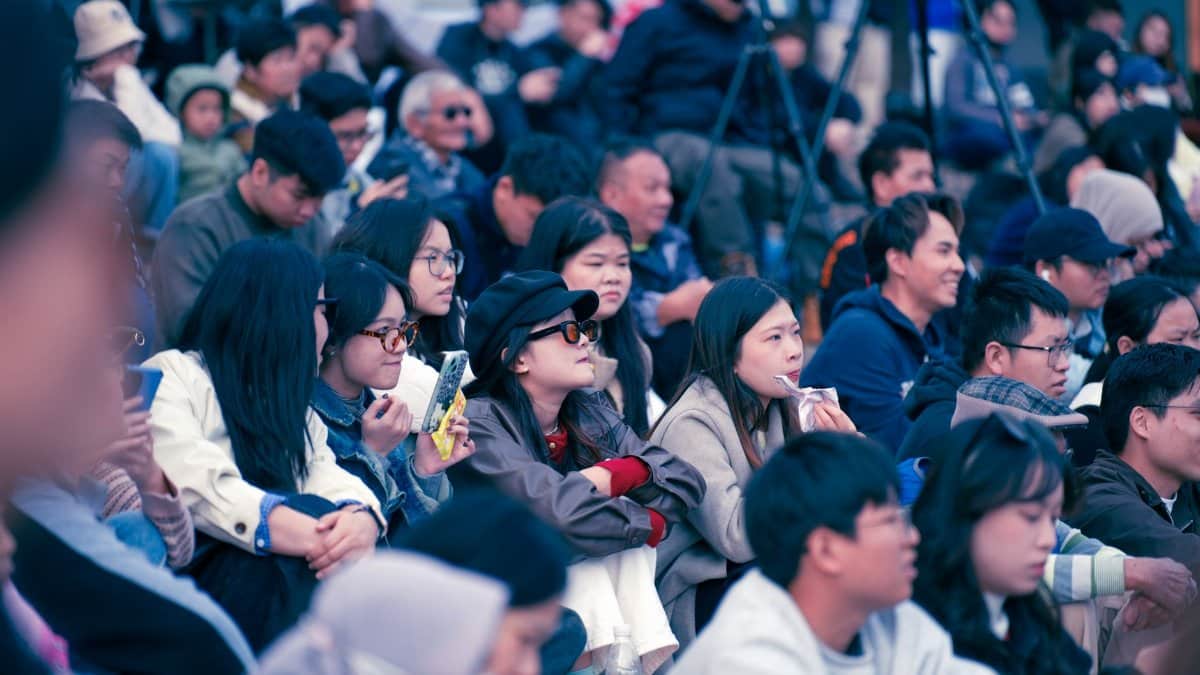
Ask around after any such gathering and the commentary is rarely about points. People notice who talks over a teammate, who includes a kid waiting on the sideline, and who treats a volunteer like staff rather than like a host. They notice whether a candidate can take a joke. In District 10, where many families have long memories of being spoken about rather than spoken with, those small cues carry weight.
The five participants were, in that sense, auditioning for a job that is part legislator and part neighborhood advocate. The board votes on budgets, land use, and public safety policy. Between votes, a supervisor is expected to translate bureaucracy into something a tenant, a small business owner, or a parent can use. Grace under a bad call is not governance. It is, at best, a hint about how a person handles friction.
Issues that will outlast the final whistle
When the ball is put away, the agenda remains heavy. Housing is the issue that touches nearly every block, from longtime homeowners worried about taxes and change to renters who have watched friends leave the city. Development around the shipyard and along commercial corridors raises questions of jobs, contamination, and who benefits when land becomes valuable again. Public safety is debated in concrete terms: response times, street conditions, and whether young people have somewhere to be after school besides a corner.
Transit and climate sit alongside those fights. The southeast has borne a disproportionate share of industrial legacy, and residents are rightly impatient with plans that promise green futures without repairing present harm. A supervisor cannot fix all of that alone. The credible ones explain what the office can do, what it cannot, and whom they will pressure when the limit arrives. The SF District 10 candidates will be judged on that clarity more than on any highlight from the court.
How campaigns use play without wasting it
The better version of this tactic treats the game as a beginning. Names get collected, but so do complaints that do not fit a slogan. A missed trash pickup, a bus that no longer stops, a rec program cut to a fraction of what it was. Campaigns that only harvest contacts miss the point of showing up. Campaigns that assign someone to follow those complaints, and then report back, turn a novelty into a relationship.
Organizers of the tournament understood something older than modern consulting. In many Black, Latino, and Asian American neighborhoods of the district, sports have been a civic language for decades. Coaches, pastors, and aunties already do political work without calling it that. A candidate who respects those networks, rather than borrowing them for an afternoon, is more likely to be trusted when the race turns sharp.
The board seat and the city around it
San Francisco’s supervisor races are officially nonpartisan, which does not make them gentle. Endorsements from labor, neighborhood groups, and political clubs still shape the field. Money matters, though in a district race it matters differently than in a citywide contest. A well funded mail program can introduce a name. It cannot easily fake a reputation on Third Street or in Visitacion Valley, where people compare notes.
The winner will also enter a board whose factions shift with each budget and each land use fight. District 10’s representative is often expected to carry issues that the rest of the city would rather keep at the edge of the map. That burden is part of the job. Voters listening after a basketball game are entitled to ask whether a candidate wants the spotlight or the unglamorous work of making southeast priorities unavoidable at City Hall.
Reading character without romanticizing it

Journalists and voters alike should resist the tidy moral that sports reveal the soul. Some excellent public servants are clumsy athletes. Some charming players are careless legislators. The value of the afternoon is narrower and still real. It creates a setting in which evasion is slightly harder. You cannot filibuster a layup. You also cannot hide if you refuse to pass.
For middle aged readers who remember when local politics happened in union halls and church basements, the court may feel like a cousin of those rooms. The scale is smaller than a rally and less formal than a debate. That middle space is where a lot of civic trust is either repaired or spent. The SF District 10 candidates who treat it as a stunt will get the clip and little else. Those who stay, answer, and come back may get something harder to buy.
What residents can reasonably demand next
A single tournament does not oblige anyone to vote a certain way. It does offer a standard. If a candidate can organize a game, that candidate can organize a follow up meeting in each neighborhood the district contains, at hours that respect shift work. If a candidate can share a court with rivals, that candidate can share a stage without contempt. If a candidate wants credit for being accessible, accessibility should survive after the cameras leave.
Residents can also demand substance in plain language. What will you vote to fund? Whose calls will you take when a project stalls? How will you handle a disagreement with the mayor, with labor, or with a neighbor who supported you? Those questions are less photogenic than a fast break. They are the ones that decide whether the next four years feel different on the block.
After the crowd thins
By the time the last players packed up, the political meaning of the day was already splitting in two. For some onlookers it was a pleasant surprise, proof that an election can still be local and a little human. For others it was a reminder to check the record, because charm is not a budget and a smile is not a vote on zoning. Both reactions are healthy. A democracy that cannot enjoy itself becomes brittle. A democracy that only enjoys itself becomes easy to manipulate.
The southeast does not need candidates who can win a pickup game. It needs candidates who understand why the court matters to people who live nearby, and who will fight for the schools, streets, housing, and health of those same people when the ball is gone. The SF District 10 candidates made their pitch in motion. The more serious pitch is the one they make in the weeks ahead, when nobody is keeping score except the voters.